
Oil refineries run on tight margins, and the chemistry that keeps operations smooth rarely gets the attention it deserves. I’ve watched facilities struggle with emulsion problems that conventional treatments couldn’t touch, only to see amphoteric polyacrylamide cut through issues that had plagued them for months. The dual-charge structure of this polymer handles pH swings that would cripple single-charge alternatives, which matters when you’re dealing with crude streams that change character from one batch to the next.
How Amphoteric Polyacrylamide Chemistry Works in Refinery Applications
Amphoteric polyacrylamide is a ternary copolymer built from cationic monomers, acrylamide, and a hydrolyzing agent. This synthesis creates an irregular polymer chain that carries both positive and negative charges along its length. The dual-charge architecture allows the polymer to function across the pH spectrum that refineries encounter daily. Where a purely anionic polymer might lose effectiveness in acidic conditions, and a cationic one might struggle in alkaline environments, the amphoteric version adapts.
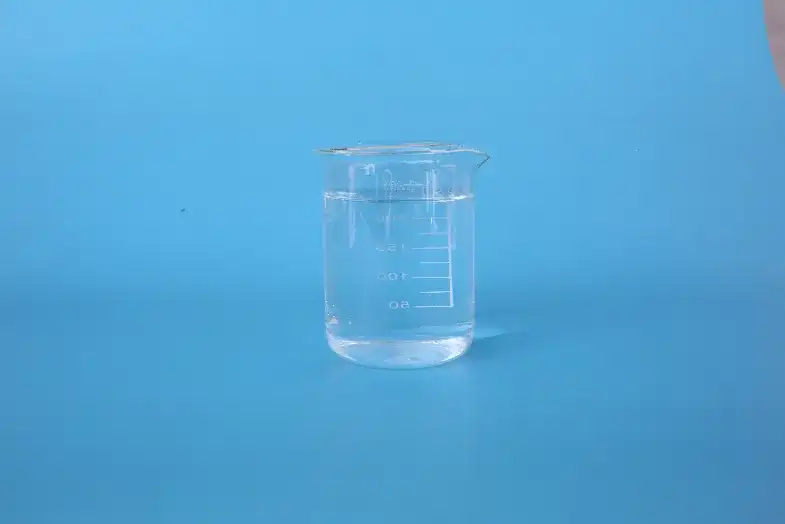
The Amphoteric Polyacrylamide Flocculant maintains consistent performance whether the stream runs at pH 4 or pH 10. This matters because refinery processes don’t hold steady. Crude desalting operates under different conditions than wastewater treatment, and both differ from the chemistry in enhanced oil recovery operations. The polymer’s charge characteristics come from its synthesis pathway, giving formulators control over how it behaves in specific applications. Flocculation mechanisms depend on this charge balance, with the polymer binding suspended solids through electrostatic attraction from both positive and negative sites simultaneously.
Improving Oil-Water Separation Through Amphoteric Polymer Treatment
Separating oil from water sounds straightforward until you’re staring at a stable emulsion that refuses to break. Amphoteric polyacrylamide attacks this problem by reducing interfacial tension between oil and water phases. The polymer molecules position themselves at the interface, disrupting the stabilizing films that keep droplets from merging. Once those films weaken, coalescence accelerates and gravity does the rest.

Crude oil desalting benefits directly from this mechanism. Salt dissolved in water droplets trapped within crude creates corrosion problems downstream, so breaking those emulsions matters for equipment longevity. Produced water treatment follows similar principles but deals with different contaminant profiles. Traditional oilfield demulsifiers work, but amphoteric polyacrylamide often handles emulsions that resist conventional chemistry. The dual-charge nature lets it interact with both oil-wet and water-wet surfaces, which explains why it succeeds where single-charge polymers fall short. Recovered oil comes out cleaner, and the separated water moves to treatment with lower oil content.
Treating Refinery Wastewater to Meet Discharge Standards
Environmental regulations don’t negotiate. Refineries either meet discharge limits or face consequences, and wastewater treatment sits at the center of compliance efforts. Amphoteric polyacrylamide removes suspended solids, heavy metals, and residual oil from effluent streams through flocculation. The polymer chains bridge between particles, forming larger aggregates that settle or filter out efficiently.
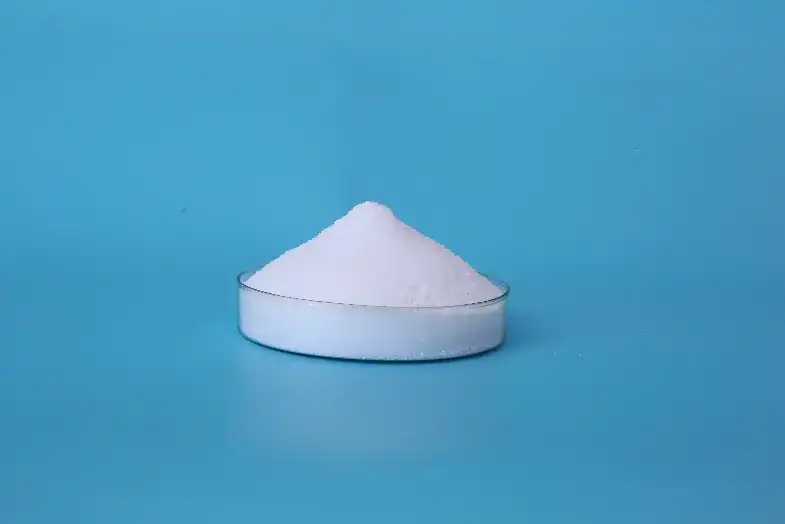
Chemical oxygen demand and total suspended solids are the numbers that regulators watch. Amphoteric polyacrylamide drives both metrics down by pulling organic matter and particulates out of the water column. Sludge dewatering improves too, since the same flocculation chemistry that clarifies water also conditions sludge for mechanical separation. Drier sludge means lower disposal costs and smaller volumes heading to treatment facilities.
Article Recommendation: If you are interested in our company’s commitment to environmental responsibility and community development, we invite you to read 《Nuoer Biology Builds New Plastic Playground in Xianhe Town》.
Upstream Applications From Polymer Flooding to Drilling Fluid Optimization
The same chemistry that works in refineries proves valuable in upstream operations. Polymer flooding for enhanced oil recovery relies on viscosity modification. Injecting water alone into a reservoir often results in fingering, where water channels through the most permeable paths and bypasses oil-rich zones. Adding amphoteric polyacrylamide increases the viscosity of injected water, creating a more uniform front that pushes oil toward production wells.
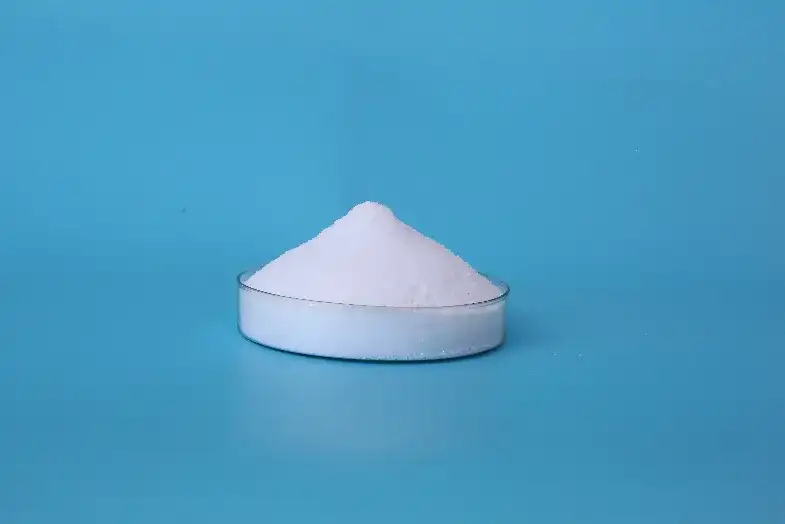
Mature oilfields that have already produced their easy barrels benefit most from this approach. The polymer improves sweep efficiency and reservoir conformance, recovering oil that would otherwise stay trapped in the formation. Drilling fluids represent another application area. As a rheology modifier, amphoteric polyacrylamide helps maintain wellbore stability during drilling operations. The polymer controls fluid loss to the formation and suspends cuttings for removal. Fracturing fluid formulations and shale gas extraction operations also incorporate these polymers, though the specific requirements differ from conventional drilling.
Matching Amphoteric Polyacrylamide Products to Specific Refinery Processes
Selecting the right polymer requires understanding what each application demands. Molecular weight affects how the polymer chains interact with particles and surfaces. Higher molecular weights generally produce stronger flocs but may require more mixing energy to disperse properly. Charge density determines how aggressively the polymer attracts oppositely charged materials. The balance between these properties shapes performance in specific applications.
| Feature | Amphoteric Polyacrylamide | Anionic Polyacrylamide | Cationic Polyacrylamide |
|---|---|---|---|
| pH Adaptability | Broad | Alkaline | Acidic |
| Charge | Positive & Negative | Negative | Positive |
| Flocculation | High | High | High |
| Demulsification | Excellent | Moderate | Moderate |
| Wastewater Treatment | Excellent | Good | Good |
Shandong Nuoer Biological Technology Co., Ltd. provides customizable production to match specific process conditions. Working with a Polyacrylamide Supplier OEM that understands refinery chemistry means getting products optimized for your particular streams rather than generic formulations that might work adequately but not optimally. Technical support during product selection helps identify the molecular weight and charge density combination that delivers the best cost-effectiveness for each application.
Frequently Asked Questions
Q1: What makes amphoteric polyacrylamide effective in diverse refinery environments?
The polymer carries both positive and negative charges along its chain structure. This dual-charge design allows it to maintain flocculation performance across pH ranges from acidic to alkaline. Single-charge polymers lose effectiveness when pH moves outside their optimal range, but amphoteric versions adapt to the conditions they encounter. Refineries deal with streams that vary in pH depending on the process unit, so this adaptability translates to consistent results without constant product switching.
Q2: How does amphoteric polyacrylamide improve oil-water separation?
The polymer reduces interfacial tension at oil-water boundaries, weakening the stabilizing films that prevent droplet coalescence. Once droplets can merge, they grow large enough for gravity separation to work efficiently. The dual-charge structure lets the polymer interact with both oil-wet and water-wet surfaces, which explains its effectiveness against emulsions that resist conventional demulsifiers. Faster separation means higher throughput and cleaner separated phases.
Q3: Can amphoteric polyacrylamide help refineries meet environmental discharge limits?
Amphoteric polyacrylamide removes suspended solids, heavy metals, and oil residues from wastewater through flocculation. The polymer bridges between particles, creating aggregates that settle or filter out. This treatment reduces chemical oxygen demand and total suspended solids in effluent, which are the primary metrics regulators monitor. Facilities that struggled with compliance using conventional treatment often find amphoteric polymers provide the additional removal efficiency needed to meet limits consistently.
Q4: What are the key considerations when selecting an amphoteric polyacrylamide product?
Molecular weight and charge density are the primary variables. Higher molecular weights produce stronger flocs but need adequate mixing. Charge density affects how aggressively the polymer attracts particles. The specific contaminants in your stream, the pH range you operate within, and your downstream processing requirements all influence which product works best. Jar testing with actual process water provides the most reliable guidance for final selection.
Partner with Us for Advanced Chemical Solutions
Shandong Nuoer Biological Technology Co., Ltd. provides amphoteric polyacrylamide products for oil refining and upstream operations. Our technical team works with facilities to identify the right polymer specifications for specific applications. Contact us at +86-532-66712876 or en*****@***er.com to discuss your process requirements.





 English
 Russian
 Arabic
 Spanish