
Acrylamide aqueous solutions sit at the heart of polymer chemistry in ways that aren’t always obvious from the outside. Spend enough time working with flocculants or water treatment systems, and you start to appreciate how much the upstream monomer quality shapes everything downstream. A batch of polyacrylamide that underperforms in the field can often be traced back to impurities or inconsistent concentration in the acrylamide solution itself. That connection between raw material purity and end-product reliability is what makes sourcing decisions in this space genuinely consequential.
What Makes Acrylamide Aqueous Solutions Work
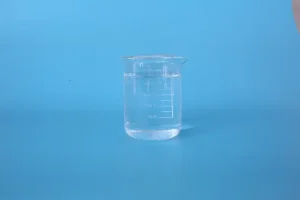
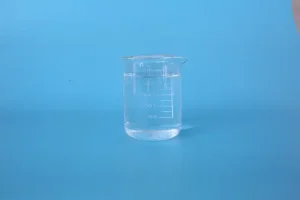
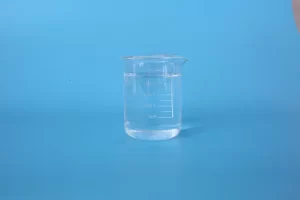
Acrylamide aqueous solution typically ships at concentrations between 25% and 50%, depending on the intended application and handling requirements. The solution functions as a reactive monomer, meaning it polymerizes into polyacrylamide under controlled conditions. Modern production relies heavily on microbial enzymatic conversion, which yields cleaner product with fewer side reactions compared to older chemical synthesis routes. The result is a monomer with ultra-low impurity levels that polymerizes more predictably and produces polymers with tighter molecular weight distributions.
The concentration matters more than people sometimes realize. Higher concentrations reduce shipping costs and storage footprint, but they also increase viscosity and can complicate handling in colder climates. Lower concentrations are easier to pump and mix but require more storage capacity. Most industrial buyers settle somewhere in the middle based on their specific process constraints.
Where Polyacrylamide Actually Gets Used
The polymers made from acrylamide aqueous solution show up across a surprisingly wide range of industries. In water treatment, polyacrylamide acts as a flocculant, pulling suspended particles together so they can be filtered or settled out. Mining operations use it for similar reasons during tailings management. Paper mills rely on it as a retention aid and strength additive. Oil and gas operations use polyacrylamide for enhanced oil recovery, where the polymer increases the viscosity of injection water to push more crude out of the formation.
Each application demands slightly different polymer characteristics. A flocculant for municipal wastewater needs different charge density and molecular weight than a friction reducer for hydraulic fracturing. Those differences trace back to how the acrylamide monomer was polymerized, which in turn depends on the purity and consistency of the acrylamide aqueous solution used as feedstock.
Why Purity Standards Exist
Impurities in acrylamide solutions create problems that compound through the polymerization process. Trace metals can catalyze unwanted side reactions. Residual acrylonitrile from incomplete conversion affects polymer properties and raises handling concerns. Moisture content outside specification ranges throws off stoichiometry during polymerization.
Manufacturers who supply acrylamide aqueous solution to polymer producers typically guarantee purity levels above 99%, with specific limits on individual contaminants. These specifications aren’t arbitrary. They reflect decades of empirical learning about what actually affects polymer performance in real applications. A solution that meets spec consistently batch after batch allows downstream producers to run their processes with confidence rather than constantly adjusting for feedstock variation.
| Application Sector | Primary Function of Polyacrylamide | Specific Examples |
|---|---|---|
| Water Treatment | Flocculant for particle removal | Municipal wastewater clarification, industrial effluent treatment |
| Mining | Tailings management and dewatering | Mineral processing, coal washing operations |
| Paper Manufacturing | Retention aid and strength additive | Paperboard production, tissue manufacturing |
| Oil and Gas | Enhanced oil recovery and friction reduction | Polymer flooding, hydraulic fracturing fluids |
| Agriculture | Soil conditioning and erosion control | Irrigation water management, field runoff reduction |
Supply Chain Considerations
Global demand for acrylamide aqueous solution has grown steadily alongside expanding polyacrylamide applications. Manufacturers with integrated production from acrylonitrile through to finished acrylamide solution can offer more consistent quality than those who depend on external feedstock sources. Geographic proximity to major polymer producers also matters for a product that requires careful temperature control during shipping.
Lead times vary significantly depending on concentration, packaging format, and destination. Bulk shipments in ISO tanks move differently through logistics networks than drummed product. Buyers who need consistent supply often establish framework agreements that guarantee allocation during periods of tight market conditions.
Handling and Storage Realities
Acrylamide solutions require attention during storage that some industrial chemicals don’t demand. The monomer can self-polymerize if exposed to heat, light, or contamination with polymerization initiators. Storage tanks need temperature monitoring and often include inhibitor systems to prevent premature reaction. Shelf life depends heavily on storage conditions, with properly maintained product remaining stable for months while poorly stored material can gel unexpectedly.
The handling requirements aren’t onerous for facilities accustomed to working with reactive chemicals, but they do require awareness. Personnel training, appropriate personal protective equipment, and spill response procedures all factor into safe operations with acrylamide aqueous solution.
Frequently Asked Questions
What concentration of acrylamide aqueous solution works best for polyacrylamide production?
Most polymer manufacturers prefer concentrations between 40% and 50% for production efficiency, though the optimal choice depends on specific reactor designs and process conditions. Higher concentrations reduce water removal requirements during polymerization but may need heating for easier handling in cold weather.
How long can acrylamide aqueous solution be stored before use?
Properly stored product typically remains usable for three to six months. Storage temperature should stay below 25°C, and tanks should be protected from direct sunlight. Regular testing confirms the solution hasn’t begun polymerizing or degrading.
What distinguishes bio-based acrylamide production from chemical synthesis?
Enzymatic conversion using nitrile hydratase produces acrylamide with fewer byproducts and lower energy consumption than traditional copper-catalyzed hydration of acrylonitrile. The biological route yields higher purity product with better environmental profile, which explains its growing market share among quality-focused manufacturers.




 English
 Russian
 Arabic
 Spanish