
Acrylamide monomer safe handling is a priority for any production plant working with these neurotoxic and reactive chemicals. As an industrial manufacturer shipping acrylamide to over 60 countries, Shandong Nuoer has extensive experience ensuring that safe handling extends from the supplier’s packaging line to the customer’s storage area. This guide covers the practical safety measures you need, from hazard awareness and storage conditions to PPE and spill response, with a focus on real-world logistics rather than generic lab protocols.
What Are the Key Hazards of Acrylamide Monomer?
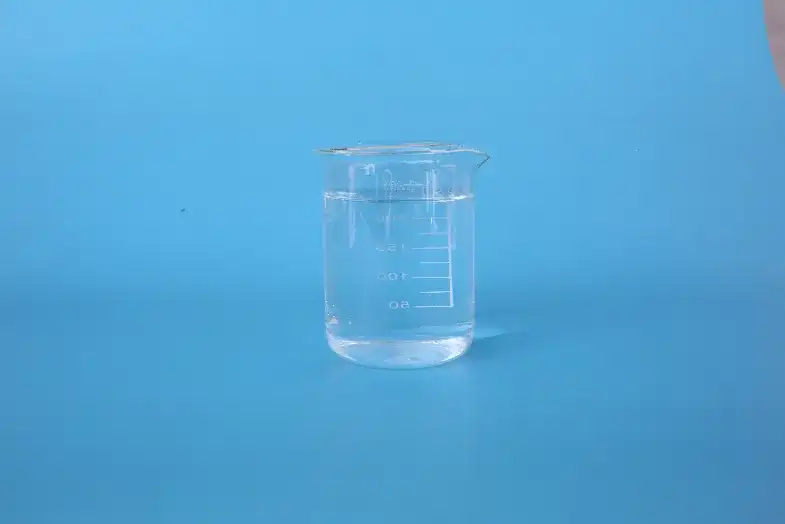
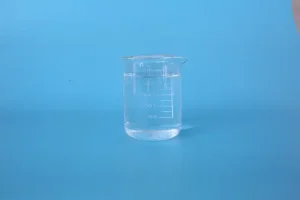
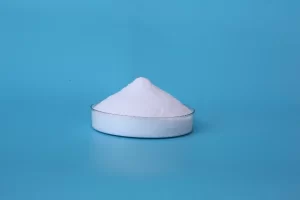
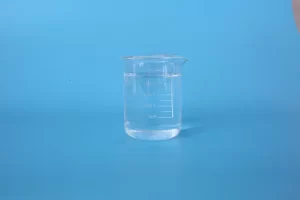
Acrylamide monomer (C₃H₅NO) is a known neurotoxin that can be absorbed through skin, ingested, or inhaled as dust or vapor. In solid crystal form, fine dust becomes airborne easily during manual transfer. The aqueous solution, typically supplied at 25% to 50% concentration, reduces dust risk but introduces handling hazards from liquid splashes. Both forms are reactive; acrylamide can polymerize violently if exposed to heat, strong light, or incompatible materials such as oxidizing agents.
I have observed that many plant incidents originate from inadequate awareness of polymerization triggers rather than acute toxicity. For instance, a drum stored near a steam pipe can reach temperatures above 40°C, initiating self-polymerization within hours. The resulting exotherm generates more heat, accelerating the reaction and risking pressure buildup. This is why our AM Crystal product includes an inhibitor in the range of 3 to 10 ×10⁻⁶, precisely controlled to balance safe storage with polymerization reactivity. The key SDS hazard statements — H302, H312, H315, H319, H332, H372 — should be posted at every handling point, with clear instructions on exposure limits (TWA 0.03 mg/m³, STEL 0.2 mg/m³).
How Should You Store Acrylamide Monomer Safely?
Storage conditions directly determine whether your monomer remains stable. Both Acrylamide Monomer Crystal and Acrylamide Aqueous Solution require cool, dark, and well-ventilated areas. For crystal, the ideal storage temperature is below 25°C, with relative humidity under 60% to prevent caking and moisture absorption that can accelerate polymerization. Our AM Crystal specification includes a moisture limit of ≤0.8%, and maintaining that requires sealed packaging away from humidity sources.
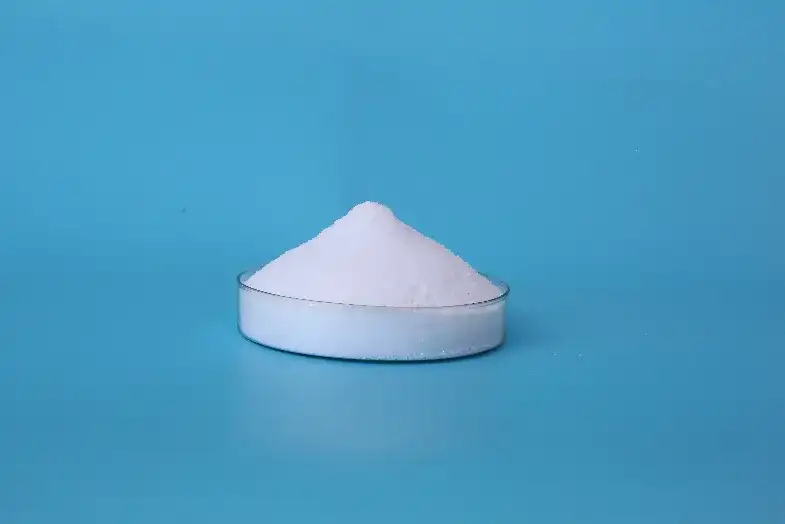
Aqueous solutions demand additional caution because water acts as a solvent that can re-dissolve inhibitor over time, especially at elevated temperatures. We recommend storing solutions at 20°C to 30°C; freezing (below 0°C) can cause phase separation and uneven inhibitor distribution upon re-warming. Always use secondary containment for liquid storage. The table below summarizes key storage differences between the two physical forms.
| Parameter | Acrylamide Monomer Crystal (AM Crystal) | Acrylamide Aqueous Solution |
|---|---|---|
| Typical purity | ≥ 98.0% | 25% to 50% (customizable) |
| Moisture limit | ≤ 0.8% | N/A |
| Inhibitor content | 3 to 10 ×10⁻⁶ | 0 to 100 ppm (grade dependent) |
| pH (10 g/L) | 6.5 to 7.5 | 7.0 to 9.0 |
| Storage temperature | < 25°C | 20°C to 30°C (avoid freezing) |
| Shelf life (proper conditions) | 1 to 2 years | Shorter, depending on inhibitor |
These specifications are from our internal quality control, and we calibrate inhibitor levels based on the intended polymerization application and shipping distance. If your storage environment cannot maintain these ranges, let us know — we can adjust inhibitor concentration for your specific logistics.
What PPE Is Required When Handling Acrylamide Monomer?
Personal protective equipment is essential, but the selection depends on the physical form and handling volume. For crystal, wear a fitted P3 particulate respirator (or powered air-purifying respirator for prolonged tasks) to prevent dust inhalation, chemical-resistant gloves (butyl rubber or nitrile), safety goggles with side shields, and full-body chemical protective clothing. When handling aqueous solutions, the primary exposure is to splashes, so acid-resistant gloves and a face shield over goggles are critical, along with an organic vapor cartridge respirator if ventilation is limited.
In our production workshops, we enforce a double-layer glove policy (inner cotton, outer chemical-resistant) for all monomer transfer operations, and we require immediate hand washing after glove removal. Annual air monitoring around charging stations confirms that these measures keep airborne concentrations below the TWA limit. But PPE alone is not enough; engineering controls such as local exhaust ventilation at bag opening stations and sealed transfer systems reduce reliance on personal protection. The most effective safety investment is a closed charging system that eliminates open handling entirely — I have seen plants reduce exposure incidents by over 80% after automating monomer feed.
If you handle both crystal and solution forms at the same site, the PPE profiles differ and must be clearly separated. Contact our technical team at en*****@***er.com to discuss a tailored handling assessment, including the safest form for your process.
How to Transport Acrylamide Monomer Without Risks?
Transportation safety hinges on packaging integrity and temperature stability. AM Crystal is shipped in multi-layer laminated paper bags or woven PP big bags, palletized and stretch-wrapped, with desiccant packs to maintain low moisture. We load containers with temperature recorders to ensure no temperature excursions above 30°C during ocean transit. For aqueous solutions, we use UN-approved IBCs or isotanks lined with corrosion-resistant materials, and we include stabilizer packages to prevent polymerization during long sea voyages. In both cases, proper labeling with GHS pictograms and the UN number (UN2074 for acrylamide solution, UN3077 for solid, depending on classification) is mandatory.
One lesson from our logistics experience: in a shipment to a tropical region, a container’s internal temperature reached 38°C due to poor stowage, and the crystal bags near the container walls showed signs of caking. We now require shaded stowage and active ventilation for any destination with ambient temperatures above 30°C. For aqueous shipments, we can include additional inhibitor or adjust pH to improve heat stability — this customization costs very little relative to the risk of product loss. If your receiving location has temperature extremes or long inland transport, share your route details and we’ll confirm the appropriate packaging and inhibitor adjustments.
What to Do in Case of an Acrylamide Spill?
A spill response plan must differentiate between solid and liquid releases. For crystal spills, immediately isolate the area, use spark-proof tools and HEPA-filtered vacuums to collect loose material, and avoid dry sweeping that generates airborne dust. Collect waste into labeled, closed containers compatible with acrylamide. For aqueous solution spills, stop the leak if safe, contain with inert absorbent (vermiculite or sand), and transfer to sealed drums. Do not wash down drains — acrylamide is water-soluble and toxic to aquatic life.
At our facility, spill drills are conducted quarterly, and each station has pre-packed spill kits with neutralizing agents and absorbents. We train operators that the first priority is personal safety: evacuate, then don PPE, then approach. Regulatory reporting thresholds vary by region; in many jurisdictions, a release exceeding the RQ must be reported to environmental authorities. After containment, the waste is classified as hazardous and must be disposed of through licensed chemical waste handlers. We provide our customers with a detailed spill response checklist and the relevant SDS sections. If you need training support or want to review your spill preparedness, reach out at +86-532-66712876 — we can share our internal response protocols for your adaptation.
Why Supplier Quality Affects Your Safety Program
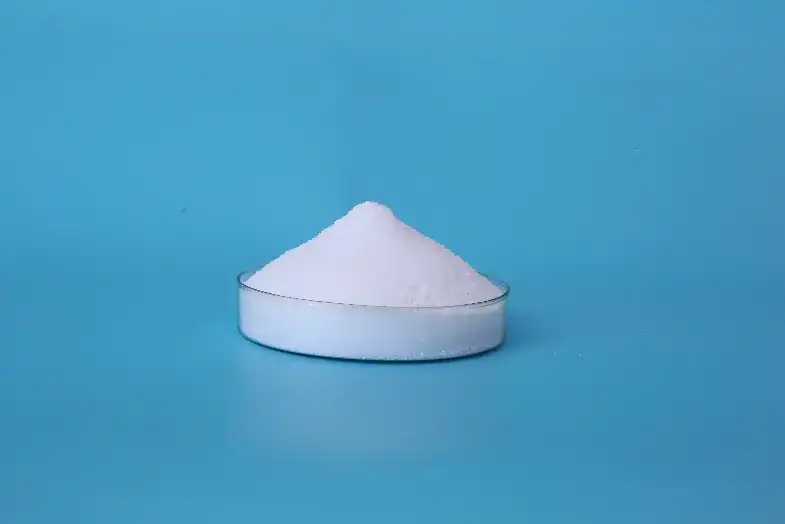
The safety of your handling operations begins with the monomer supplier’s quality control. The purity level, inhibitor precision, moisture content, and packaging integrity all influence whether the material arrives in a safe, stable state. Our acrylamide production uses advanced microbial technology that yields ultra-low impurities (iron ≤1 ×10⁻⁶, conductivity ≤20 μS/cm for crystal), which directly reduces the risk of thermal instability. We produce our own cationic monomers and define inhibitor levels according to each customer’s polymerization process and shipping route.
I have repeatedly seen that price-focused sourcing of generic monomer leads to handling surprises — higher iron content catalyzes unwanted radical formation, low inhibitor levels lead to early polymerization in transit, and poor packaging causes moisture ingress. These failures create immediate safety risks at the customer’s receiving dock and handling stations. Conversely, consistent quality from a single, audited supplier who understands industrial-scale polymer production eliminates a large fraction of handling incidents. Our quality management system includes lot-specific Certificate of Analysis (CoA) covering purity, inhibitor, pH, and conductivity, which you can use to verify storage stability before the material enters your warehouse.
Ensuring a Safe Monomer Supply Chain for Your Plant
Safety is not just a workplace practice; it is a supply chain decision. When you select a monomer supplier with robust production hygiene, transparent quality data, and customized inhibitor packages, you reduce handling risk at every step from port to process. To discuss the best monomer form and inhibitor package for your operation, reach our technical team at en*****@***er.com or call +86-532-66712876. Share your handling conditions, annual volume, and storage setup, and we will recommend the safest, most cost-effective supply solution.
Common Questions About Acrylamide Monomer Handling
Which acrylamide monomer form is safer to handle — crystal or aqueous solution?
It depends on your facility’s control capabilities. Crystal eliminates the risk of large liquid spills but introduces dust exposure if handling is not enclosed. Aqueous solution avoids dust but requires secondary containment and temperature-controlled storage to prevent polymerization and uneven inhibitor distribution. For plants with robust local exhaust and automated feed systems, crystal is manageable; for manual charging operations, a properly inhibited solution can be safer. I generally advise selecting the form that minimizes the number of open-handling steps.
Does the inhibitor in acrylamide monomer affect downstream polymerization?
Yes, but it can be managed. The inhibitor is a free-radical scavenger added to prevent premature polymerization during storage and shipping. In polymer synthesis, you must either overpower the inhibitor with additional initiator or remove it by nitrogen sparging or ion-exchange before polymerization. Our technical support team can help you adjust the initiation recipe based on the residual inhibitor levels we measure in each batch, avoiding surprises.
How should we train new employees on acrylamide monomer handling?
Training should be performance-based. I recommend a three-part approach: first, a classroom session covering the SDS, health hazards, and exposure limits; second, a hands-on walkthrough with an experienced operator demonstrating correct bag opening, transfer, and PPE donning/doffing; finally, a supervised practical test where the new employee performs the entire handling sequence while a supervisor observes. Repeat annually with refresher sessions and update whenever the monomer form or packaging changes.
What are the international shipping regulations for acrylamide monomer?
Acrylamide is regulated under hazard class 6.1 (toxic). UN3072 (acrylamide, solid) and UN2074 (acrylamide solution) apply, with specific packaging instructions depending on the mode — IMO for sea, IATA/ICAO for air. Our logistics department prepares all shipping documentation, including the dangerous goods declaration and safety data sheet in the local language, ensuring compliance with the destination country’s import requirements.
Can I receive custom packaging for safer handling?
Yes, we can customize packaging to match your handling equipment. For crystal, we offer smaller, easy-lift bags (e.g., 25 kg multi-layer paper with easy-tear opening), and for bulk deliveries, 1-ton big bags with discharge spouts. For aqueous solution, UN-approved IBCs in 1000 L or 1250 L sizes, or isotanks for high-volume consumption, can be arranged. Share your unloading and feeding setup, and we will confirm the most convenient, safest packaging for your monomer handling workflow.
If you’re interested, check out these related articles:
Acrylamide Crystal Purity for Large-Scale Polymer Synthesis
Acrylic Acid for Industrial Polymer Production: A Monomer’s Critical Role
Acrylic Acid Polymerization Process: An Advanced Industrial Guide




 English
 Russian
 Arabic
 Spanish