
Finding a non-ionic polyacrylamide manufacturer that actually delivers what the datasheet promises separates a smooth production start from months of troubleshooting. Non-ionic polyacrylamide (PAM) is a high-purity homopolymer of acrylamide, valued for flocculation that stays stable across wide pH ranges and in high-salt conditions where anionic or cationic grades lose efficiency. But reliability is not a line in a brochure. It is the difference between consistent, on-spec shipment and a supplier that goes silent when a batch fails. I have spent fifteen years in polyacrylamide manufacturing and global market expansion at Shandong Nuoer Biological Technology, overseeing production lines that reach half a million tons annually. The factors that define a manufacturer’s reliability are often the ones a procurement sheet cannot capture.
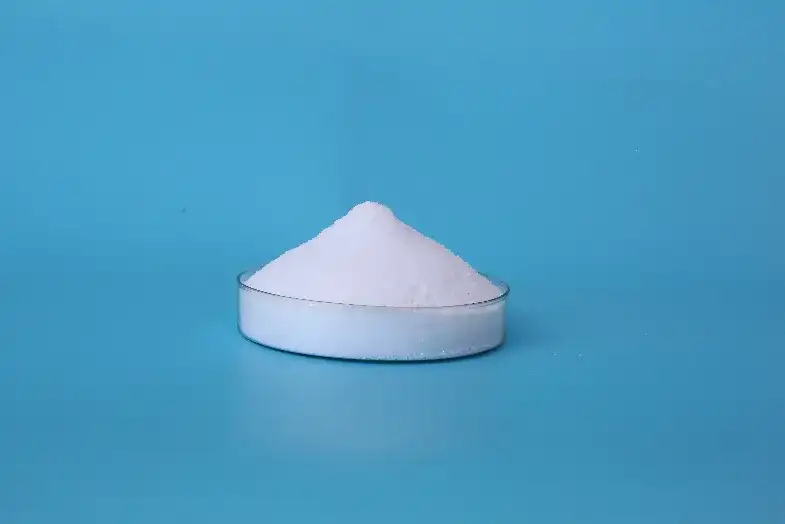
Production Capacity Integrity
Stated annual capacity is a number any manufacturer can inflate. Real production capacity shows up in how the plant handles simultaneous orders, how quickly it scales output during a demand surge, and whether it owns the upstream monomers or buys them from spot markets. A non-ionic polyacrylamide manufacturer integrated with acrylamide and acrylic acid production can maintain the molecular weight specification your process requires because the raw material feedstock is under internal quality control from synthesis to final drying. Without that integration, a manufacturer is assembling your order from purchased intermediates with variable properties. In one project we supported, a textile customer switched from a spot-market supplier to our integrated operation and saw batch-to-batch viscosity deviation drop by thirty percent. That consistency came from acrylamide produced on-site, not from a different polymerization trick.
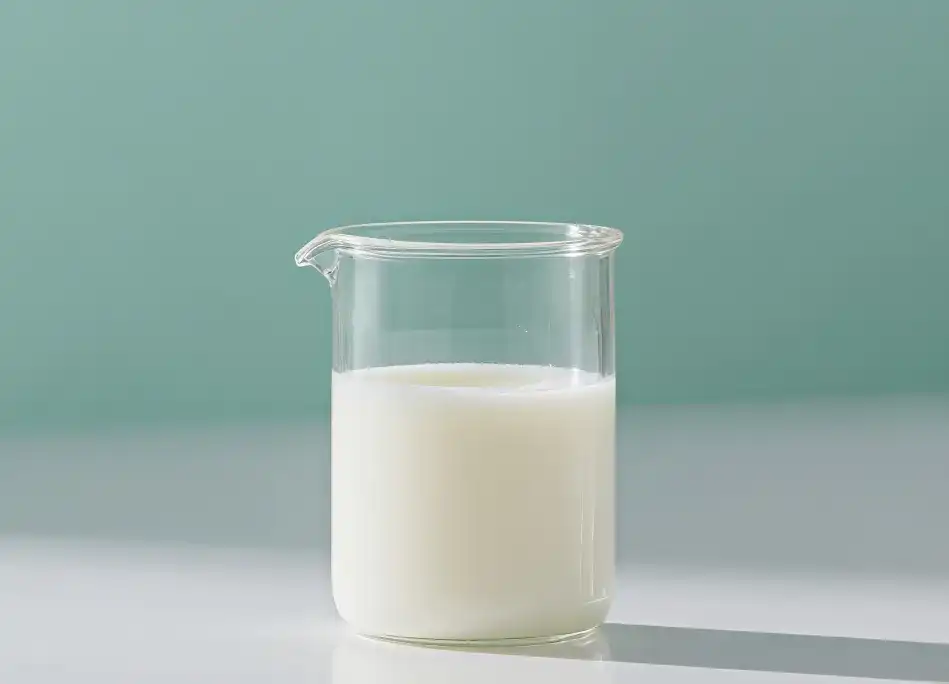
Quality Consistency Through Raw Material Control
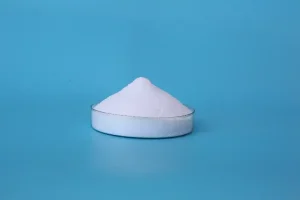
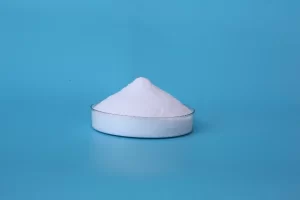
Non-ionic PAM looks simple on paper: acrylamide monomer polymerized into long chains. But the residual monomer level, molecular weight distribution, and solubility all depend on how the monomer was produced and how tightly the polymerization reaction was managed. A manufacturer that synthesizes its own acrylamide via microbial technology—as we do—can control inhibitor levels to the parts-per-million range, which directly affects the final polymer’s dissolution speed and floc strength. When you ask for a certificate of analysis, the numbers should reflect that upstream control. If the COA shows wide tolerances on intrinsic viscosity or insoluble content, you are looking at a manufacturer that adjusts finished product instead of controlling the process. Our non-ionic PAM line carries a high molecular weight with low ionization degree, delivering strong flocculation under acidic conditions where hydrolyzed polyacrylamide struggles, a practical edge that comes from raw material consistency, not from post-treatment.
Global Logistics Shapes Manufacturer Reliability
A non-ionic polyacrylamide manufacturer that cannot land a container at your port on time, with complete documentation, is a risk, no matter how pure its polymer. We ship into more than sixty countries, and over the years the pattern is clear: reliable delivery requires predictable production scheduling, proper packaging that prevents moisture ingress during sea freight, and a logistics team that understands regional chemical import regulations. If your paper mill or mining operation is in a region with strict customs inspections, you need a supplier whose documentation survives scrutiny on the first submission. That kind of reliability is built on volume and repetition—a manufacturer handling large throughput develops internal customs expertise that smaller operators cannot replicate. Ask a potential supplier how many containers of non-ionic PAM they ship monthly to your region. A specific number is a sign of established logistics.
If your application involves high-acidity process water or variable ionic loadings that complicate flocculant selection, confirming the polymer’s molecular weight plateau under those conditions before finalizing your specification can save a misapplication. Reach our technical team at en*****@***er.com for a discussion tied to your exact water chemistry.
Non-Ionic PAM Performance in Real Operations
Selecting a manufacturer also means confirming that the polymer’s technical claims hold under your site conditions. Non-ionic polyacrylamide is often chosen for its indifference to pH and salt concentration, making it the flocculant of choice in textile wastewater, construction materials, and paper retention systems where water chemistry shifts. The product library specifications I work with include a low residual monomer content and a dissolution rate that lets operators prepare make-down solutions without lumping. But the real test is whether the manufacturer can supply the same effective agent lot after lot.
| Property | Specification Target | Impact on Operation |
|---|---|---|
| Molecular weight | 8–12 million (typical range) | Floc size and settling rate |
| Residual acrylamide | ≤0.05% | Environmental discharge compliance |
| Dissolution time | <60 minutes (0.1% solution) | Process throughput |
| Insoluble content | ≤0.5% | Filter and nozzle maintenance |
If you switch suppliers and suddenly see higher insoluble residue in your inline filters, the problem is not your process—it is the polymer’s manufacturing consistency. I have worked with customers who traced a two-hour increase in filtration downtime directly to a supplier change. That kind of hidden cost is why reliability must be audited before signing a contract.
Service Network Beyond the Initial Shipment
A manufacturer’s reliability extends beyond the product. The first shipment typically goes smoothly because both sides are watching carefully. Reliability is measured in the third year, when you need a faster dissolution grade because your plant throughput increased, and the manufacturer has a technical specialist who can recommend the right molecular weight without sending sample after sample. Our service network includes formulation support based on application data collected across oil recovery, papermaking, and textile operations. That cross-industry knowledge allows us to suggest parameter adjustments—like shifting the recommended copolymer ionicity or dissolution concentration—that field salespeople without a manufacturing background would miss. Before committing to a supplier, ask how many technical service visits they conducted last year for non-ionic PAM users. Silence or a vague answer tells you everything.
Common Questions About Non-Ionic Polyacrylamide Supplier Selection
What is the most common cause of batch inconsistency?
In my experience, it starts with the acrylamide monomer. If the manufacturer sources acrylamide from third parties, the inhibitor levels and purity fluctuate, and even careful post-polymerization blending cannot fully compensate. Integrated producers running their own monomer line see far narrower molecular weight drift across batches.
How do I verify a manufacturer’s claimed molecular weight?
A common mistake is comparing only the label value. Request three consecutive lot certificates of analysis and compare the intrinsic viscosity and molecular weight distribution. A tight spread over several months indicates real process control, not a lucky single batch.
Can I request a custom molecular weight for non-ionic PAM?
Yes, but only manufacturers with flexible reactor control and in-house R&D can deliver a consistent custom grade. If a manufacturer says “yes” without asking about your exact dissolution equipment and application pH, their customization may be limited to blending existing grades. In our facility, we adjust the polymerization parameters based on the customer’s specific retention or flocculation target, but that requires understanding the full context.
What shelf life should I expect?
Stored in a cool, dry place in sealed packaging, high-quality non-ionic polyacrylamide remains stable for up to two years with negligible molecular weight loss. We recommend re-testing soluble content after twelve months in tropical climates, and we support customers with that re-testing protocol. A manufacturer unwilling to discuss storage degradation realistically is one to avoid.
How quickly should a manufacturer respond to a technical issue?
Within the same business day for an initial diagnosis. If your operation relies on continuous flocculant dosing, a delayed response translates into real production loss. Our after-sales team includes process engineers who can remotely assess dissolution problems from a few standard measurements and often resolve them without a site visit. For issues that require deeper investigation, a manufacturer with a global logistics footprint can dispatch a field engineer faster than a niche supplier with limited travel resources.
Manufacturing reliability in non-ionic polyacrylamide is not a claim that survives on a website. It lives in the production capacity you can visit, the monomer integration you can audit, and the logistics track record your forwarder can verify. If you are evaluating suppliers for a long-term textile, paper, or construction material program, the specifications that matter most are the ones that appear on every consecutive batch, not just the first. Share your projected monthly volume and water chemistry parameters with our team at en*****@***er.com or call +86-532-66712876, and we will confirm the non-ionic PAM configuration that matches your process without relying on guesswork.
If you’re interested, check out these related articles:
50% vs 40% Acrylamide Solution Industrial Selection Guide
Reliable Cationic PAM Selection: Vetting Top Global Manufacturers
Acrylamide Crystal Dissolution: Optimizing Polymerization Efficiency
Acrylamide Monomer Suppliers for Polymer Production Excellence
Leading SAP Supplier for Feminine Hygiene Product Excellence


 English
 Russian
 Arabic
 Spanish