
Getting the concentration right matters more than most people realize when working with acrylamide solutions. After years of watching production lines run smoothly or struggle based on this single decision, the difference between 50% and 40% acrylamide solution comes down to understanding what your specific process actually demands. The higher concentration delivers more active ingredient per shipment and takes up less warehouse space, but it also requires tighter handling protocols and may not suit every polymerization setup. The 40% version handles more easily and works well for operations where storage conditions fluctuate or where operators are still building experience with the material. What follows breaks down the real performance differences, cost implications, and practical considerations that should drive your selection.
How Acrylamide Solution Purity Shapes Industrial Performance
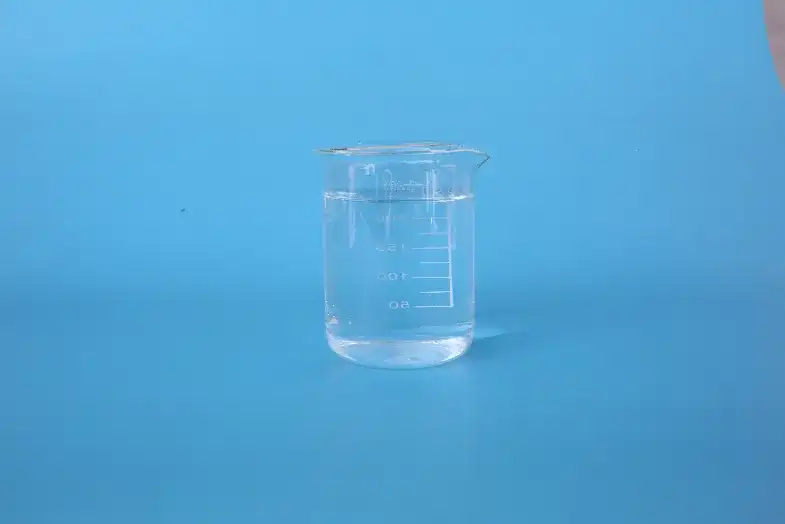
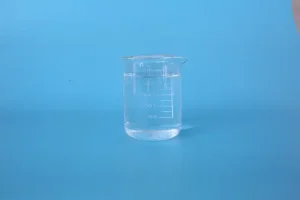
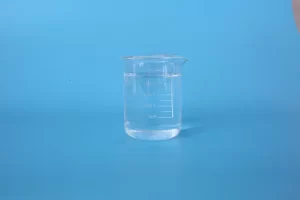
Acrylamide (CH₂=CHCONH₂) serves as the foundational monomer for synthesizing polyacrylamide across dozens of industrial sectors. The acrylamide aqueous solution available for industrial use typically ranges from 25% to 50% concentration, with each level suited to different polymerization requirements and handling capabilities.
The chemical structure of acrylamide enables it to form long-chain polyacrylamide molecules with high molecular weight, which is exactly what makes it valuable for flocculation, enhanced oil recovery, and paper manufacturing. But that same reactivity means purity control becomes non-negotiable. Impurities interfere with reaction kinetics and degrade the final polymer’s performance in ways that show up downstream as inconsistent settling rates or weak floc formation.
Controlling parameters like acrylonitrile content, acrylic acid levels, pH, and conductivity ensures the solution performs predictably across different concentration levels.
Table: Basic Properties of Industrial Acrylamide Solution
| Property | 40% Acrylamide Solution | 50% Acrylamide Solution |
|---|---|---|
| Acrylamide Content | 38-42% | 48-52% |
| Acrylonitrile | ≤ 0.1% | ≤ 0.1% |
| Acrylic Acid | ≤ 0.3% | ≤ 0.3% |
| pH | 7.0-9.0 | 7.0-9.0 |
| Conductivity | 5-30 μS/cm | 5-30 μS/cm |
| Inhibitor Content | 0-100 ppm | 0-100 ppm |
Where Each Acrylamide Solution Concentration Performs Best
The gap between 50% and 40% acrylamide solution shows up most clearly when you track actual process outcomes rather than just spec sheets.
In water treatment flocculant production, the higher concentration allows for more effective polymerization of polyacrylamide products. The resulting polymers achieve superior flocculation efficiency and faster settling rates for suspended solids. This happens because the denser monomer environment during polymerization favors the formation of longer polymer chains.
Oil and gas recovery operations, particularly enhanced oil recovery, depend heavily on the final polymer’s molecular weight and rheological properties. These characteristics determine sweep efficiency in the reservoir. Starting with 50% acrylamide solution tends to produce polymers with the viscosity profile needed for effective displacement.
Mining separation benefits from the more robust flocculants that higher concentration synthesis produces. Solid-liquid separation and dewatering processes run more efficiently when the flocculant can bridge particles effectively.
Paper manufacturing uses acrylamide derivatives as retention aids and strength additives. The solution concentration affects both handling ease during production and the final product’s performance characteristics. Textile sizing applications similarly depend on the viscosity and film-forming properties of the resulting polymers.
For wastewater treatment, the practical advantage of 50% acrylamide solution often comes down to reduced dosage requirements. Less product volume means simpler logistics and smaller storage footprints.
Comparison Chart: Performance Metrics (50% vs 40% Acrylamide)
| Metric / Application | 40% Acrylamide Solution | 50% Acrylamide Solution |
|---|---|---|
| Polymer Synthesis | Standard efficiency | Higher yield potential |
| Flocculation | Effective | Enhanced performance |
| Viscosity Control | Easier handling | Higher initial viscosity |
| Dosage Optimization | Standard requirements | Reduced dosage possible |
| Storage Footprint | Larger | Smaller |
What are the primary applications where 50% acrylamide solution is preferred over 40%?
Operations that need to maximize active ingredient delivery per unit volume tend to favor the 50% acrylamide solution. This includes advanced polymer synthesis for specialized polyacrylamide grades, high-performance flocculation systems, and certain superabsorbent resin production lines.
The cost-efficiency argument becomes compelling at scale. Transporting less water per ton of active acrylamide reduces freight expenses and cuts the number of shipments required. Storage space optimization follows naturally. Industries producing high-molecular-weight polymers or requiring intense flocculation capabilities typically find the 50% solution delivers better economics.
The Real Cost Picture Beyond Unit Price
The purchase price per kilogram tells only part of the story. A thorough cost analysis needs to account for what happens after the product leaves the supplier.
Higher concentration acrylamide solutions reduce transportation costs because you’re moving less water per unit of active ingredient. For operations running at scale, this translates to fewer shipments and measurably lower freight expenses. The 50% acrylamide solution also demands less storage space, which matters when warehouse capacity constrains production scheduling.
The per-kilogram cost of active acrylamide may be similar between concentrations, but total cost of ownership often favors the more concentrated option for large-scale operations. This calculation shifts when you factor in inventory management complexity and the capital tied up in stored materials.
Both 40% and 50% acrylamide solutions require proper storage conditions to prevent degradation. Shelf life considerations remain similar, assuming temperature and light exposure stay within specifications. Effective supply chain management means evaluating these factors together rather than optimizing for any single variable.
Regulatory compliance and environmental impact also enter the equation. Reduced material handling and lower waste generation from concentrated solutions contribute to sustainable practices and can simplify permit requirements.
How does the concentration of acrylamide affect its performance in water treatment?
The concentration of acrylamide influences water treatment performance primarily through the properties of the resulting polyacrylamide flocculants. Higher monomer concentration during synthesis tends to produce polymers with higher molecular weights.
These higher-molecular-weight polymers exhibit improved flocculation efficiency. They create larger, stronger flocs that accelerate sedimentation rate and enhance sludge dewatering. The optimal polymer dosage can often be lower when the flocculant performs more effectively.
Whether using anionic polyacrylamide or cationic polyacrylamide, the charge density and chain length that determine bridging and charge neutralization effectiveness are affected by the initial acrylamide concentration. This directly impacts settling time and the final clarity of treated water.
Handling Protocols That Keep Operations Running Safely
Strict adherence to safety data sheet guidelines is non-negotiable when working with acrylamide solutions at any concentration. All personnel need appropriate personal protective equipment, including gloves, eye protection, and protective clothing. Adequate ventilation systems must be in place wherever solutions are stored or handled.
Robust spill containment measures and clear emergency response protocols address incidents before they escalate. These systems need regular testing and staff training to remain effective.
Optimal storage conditions mean keeping the product in cool, dark environments away from direct sunlight and heat. Both factors can initiate unwanted polymerization that degrades the product and creates safety hazards. Temperature stability throughout the storage period preserves product integrity.
Acrylamide solutions are classified as hazardous materials, which requires compliance with local and international regulatory guidelines. Environmental protection considerations extend to ensuring all safe handling practices minimize ecological impact from routine operations.
Are there safety or handling differences between 40% and 50% acrylamide solutions?
Both concentrations require stringent safety protocols, but the 50% acrylamide solution presents slightly higher concentration risks due to increased active ingredient density.
Vapor pressure differences are minimal at ambient temperatures. The greater concern is potential exposure through skin contact or inhalation of aerosols. Enhanced vigilance and potentially stricter personal protective equipment may be appropriate for the 50% solution.
Both require similar storage temperature ranges and material compatibility considerations. Emergency procedures should account for the higher concentration in terms of neutralization requirements and cleanup protocols.
What Makes a Supplier Relationship Work Long-Term
Selecting a reliable supplier matters as much as selecting the right concentration. Consistent industrial operations depend on predictable product quality and delivery schedules.
Comprehensive technical support helps clients optimize their processes and product selection. Quality assurance protocols that ensure every batch meets stringent industry standards eliminate the variability that disrupts production planning.
Custom formulations and product customization align solutions with specific application requirements. This flexibility becomes valuable as operations evolve and new performance demands emerge.
Global distribution networks and dedicated after-sales service support partners wherever they operate. R&D capabilities drive continuous innovation while substantial manufacturing capacity ensures stable and scalable supply.
Shandong Nuoer Biological Technology Co., Ltd. operates as a modern high-tech enterprise with an annual production capacity of 300,000 tons of acrylamide. The commitment to manufacturing quality products and building global brand recognition translates to reliable technical consultation and long-term partnership support.
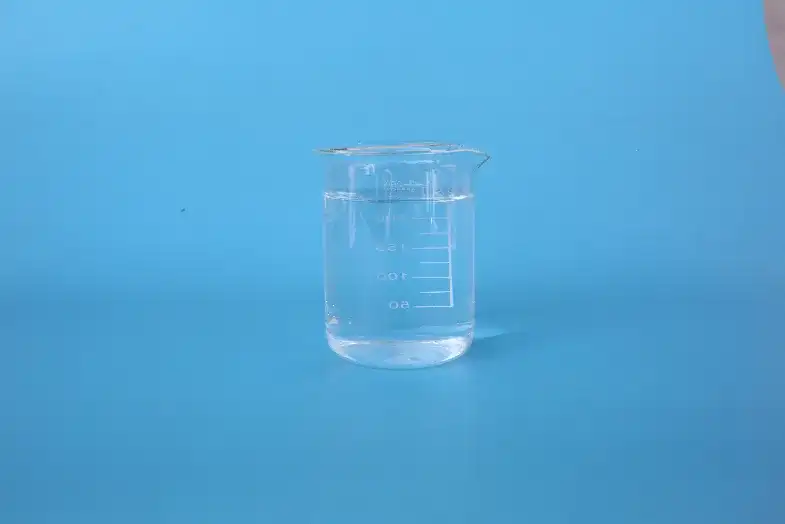
Partner with Shandong Nuoer for Acrylamide Solutions
Optimize your industrial processes with high-quality acrylamide solutions and technical expertise that addresses your specific operational challenges. Shandong Nuoer Biological Technology Co., Ltd. supports your needs with reliable supply and customized solutions. Contact us to discuss your requirements and explore how our products can enhance your operations.
Email: en*****@***er.com
Phone: +86-532-66712876
If you’re interested, check out these related articles:
Nuoer at 32nd China International Paper Technology Exhibition 2025
Nuoer Biology Builds New Plastic Playground in Xianhe Town


 English
 Russian
 Arabic
 Spanish