
Acrylamide crystal quality directly translates to polymerization efficiency in downstream polyacrylamide production, so the factory you choose is as much a production decision as a purchasing one. Batch inconsistency, excess inhibitor, or high moisture will disrupt synthesis, lower molecular weight, and increase plant downtime. This article focuses on the practical sourcing criteria that chemical production managers need but rarely find in generic supplier comparisons: factory scale, quality control depth, supply chain reliability, and technical support that a large-volume polymer plant requires for continuous operation.
Acrylamide Crystal Purity and Impurity Levels Explained
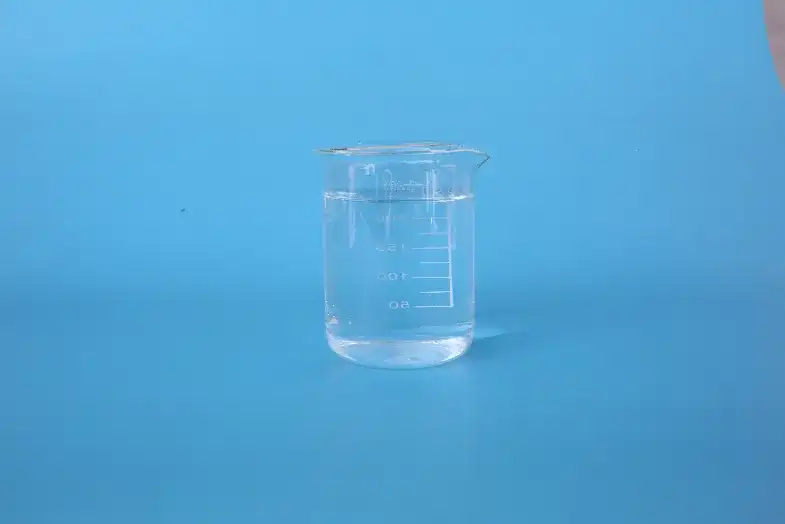
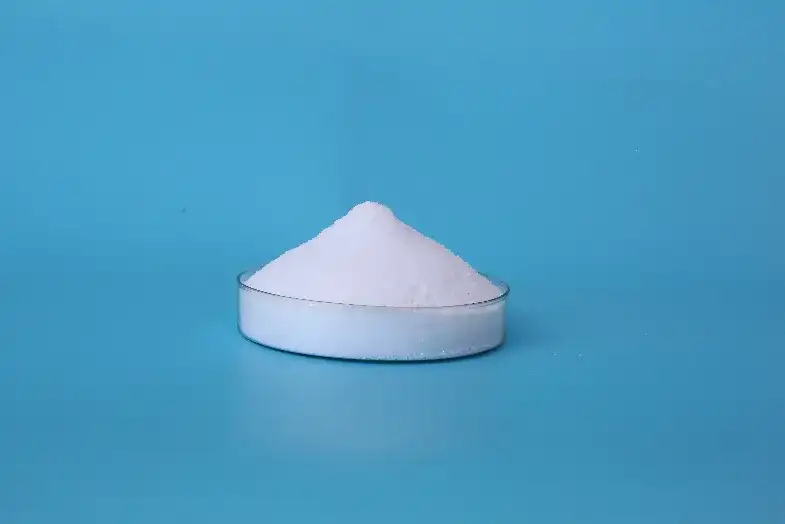
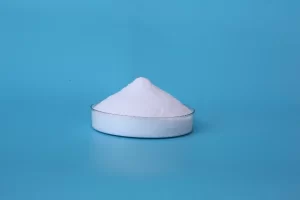
Acrylamide crystal is a white crystalline solid used as a monomer for synthesizing polyacrylamide and other copolymers. The key specifications you will see on a certificate of analysis include purity, moisture, pH, inhibitor content, conductivity, and iron. Purity of ≥98% is the minimum acceptable for industrial polymerization. Lower purity introduces unknown side reactions that reduce polymer chain length or create gels. Moisture should stay ≤0.8% because water inhibits free-radical polymerization and leads to longer heating times. The inhibitor level, typically 3–10 ppm of a copper-based stabilizer, needs to be low and consistent, not too high to poison the initiator but enough to prevent premature polymerization during shipping. Conductivity below 20 μS/cm and iron below 1 ppm indicate minimal ionic contamination, which matters when producing high-molecular-weight anionic PAM where metal ions can crosslink the chain and lower viscosity. We routinely test incoming acrylamide crystal against these parameters before releasing a batch to the polymerization reactor. Even a 0.5% deviation in moisture has caused visible differences in final polymer dissolution time.
Factory Production Scale and Batch Consistency
Beyond spec sheets, the factory’s actual production capacity and batch-to-batch uniformity define whether your process stays stable or drifts. A plant that produces only a few thousand tons per year cannot guarantee that the crystal from shipment A matches shipment B, because small-scale producers often rely on batch processing with variable raw material sources. In our own operations, we maintain 300,000 tons of annual acrylamide capacity using a continuous microbial biotransformation process, which removes the feedstock variability common in copper-catalyzed hydrolysis plants. That scale translates into lot-to-lot inhibitor readings within a 1-ppm window and moisture deviation under 0.2%. For a chemical plant running continuous polymerization, that sort of predictability means you do not have to adjust initiator dosage every time a new container arrives. Ask a prospective supplier to share SPC charts from the last 12 months of production. If they cannot show control charts for purity, moisture, and inhibitor, expect drift.
Supply Chain Reliability and Delivery Performance
Crystal acrylamide has a shelf life of 1–2 years under cool, dark storage, but the real supply chain risk is not degradation. It is lead time variability. A factory that relies on a few export logistics channels without backup contracts will miss delivery windows during peak container demand, leaving your polymerization line starved. We serve over 60 countries from a single integrated production base in Shandong, with dedicated export logistics and three regional after-sales hubs. This means a 20-ton crystal order can ship within 10 days of confirmation for major port destinations, and we maintain buffer stock to absorb demand spikes. When you evaluate a factory, ask for on-time delivery data from the last two years and verify their standard packaging, 25 kg moisture-proof bags in fiber drums or supersacks, to confirm it matches your handling setup. A factory that ships in weak packaging will create a contamination problem before the material even reaches your reactor.
If your polymerization line downtime costs are high, verifying a crystal supplier’s inhibitor consistency and dissolution kinetics against your specific reactor conditions can prevent costly batch failures. Our application team will benchmark your current crystal grade. Send your spec sheet to en*****@***er.com.
Technical Support Services from Acrylamide Crystal Manufacturers
Most acrylamide crystal data sheets stop at the physical properties, but the supplier you want should also tell you how the crystal behaves in your polymerization system. We have seen cases where a perfectly on-spec crystal produced inconsistent PAM because the inhibitor type, copper versus copper-free, interacted unexpectedly with the initiator system. That is a detail only technical service engineers familiar with both sides of the reaction can debug in advance. A strong manufacturer will offer recommendations on dissolution temperature, reactor pH, and nitrogen purge protocols for their specific crystal grade, and will run trial polymerizations with your target molecular weight upon request. As a polymer production manager, I prioritize suppliers that treat every shipment as part of an ongoing process collaboration, not a one-off commodity sale. If a supplier cannot walk you through how their inhibitor system will behave in your specific initiator and temperature profile, their technical depth is just a label.
Factory-Direct Sourcing Cost Advantages for Chemical Plants
Eliminating intermediaries compresses cost in ways that go beyond unit price. When you buy acrylamide crystal factory-direct, you remove markups but you also gain direct access to batch records, faster resolution of quality disputes, and the ability to negotiate multi-year supply agreements tied to your own capacity growth. In our experience working with downstream polymer plants across Asia, the Middle East, and South America, factories that operate an integrated supply chain, acrylic acid to acrylamide to PAM, offer the most stable pricing because they control raw material costs upstream. For a plant consuming 500 tons of crystal per year, a 3% price advantage from factory-direct purchasing and a 2-day reduction in lead time can improve working capital by over $100,000 annually without sacrificing quality consistency.
Common Questions About Acrylamide Crystal Sourcing
What is the difference between acrylamide crystal and aqueous solution for polymerization?
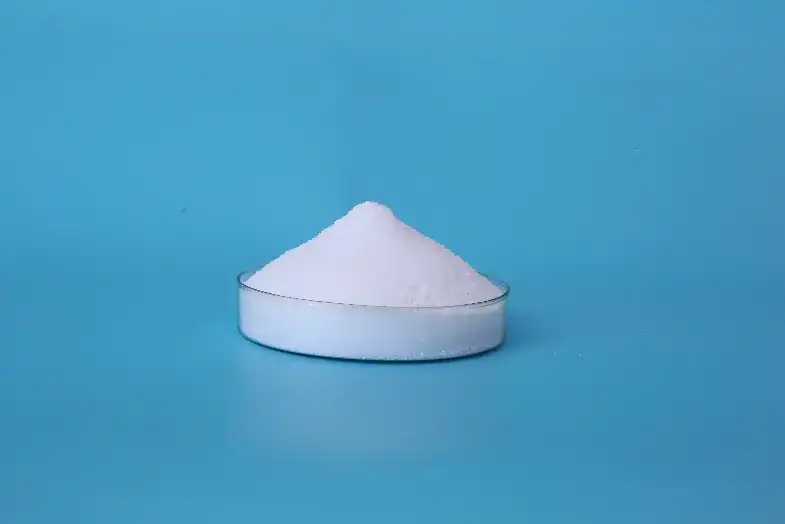
The main difference is handling and storage cost. Crystal acrylamide contains 98% solid monomer, so you pay less freight and store less weight per active kilogram. Acrylamide aqueous solution, typically 40–50% concentration, eliminates the dissolution step but introduces higher shipping weight and a risk of premature polymerization if the inhibitor degrades during transport. In our production planning, we choose crystal for long-distance export and large-batch operations, and solution for domestic plants with nearby supply and short storage cycles.
How should acrylamide crystal be stored to prevent degradation?
Keep the crystal in its original sealed packaging, below 25°C, away from direct light and moisture. The shelf life under these conditions is generally 1–2 years, but once opened, use within 3 months because ambient humidity can raise moisture content and reduce polymerization activity. We recommend storing opened bags in a nitrogen-purged container if you cannot consume within a month.
Can one acrylamide crystal grade work for both anionic and cationic polyacrylamide production?
Yes, but with caveats. The same crystal purity that works for standard anionic PAM may introduce trace metal interference in high-charge-density cationic PAM synthesis. If your plant produces a mix of polymer types, request a crystal grade with ≤0.5 ppm iron and ≤10 μS/cm conductivity. We supply a standard industrial grade that passes these thresholds and works across anionic, cationic, and nonionic polymerizations, but for ultra-high-molecular-weight cationic PAM above 15 million, we recommend a custom low-metal grade to avoid crosslink risks.
What documentation should a qualified acrylamide crystal factory provide?
At minimum, expect a certificate of analysis for each batch covering purity, moisture, inhibitor, conductivity, iron, and pH. Longer-term suppliers should also provide an annual stability study, a safety data sheet current within the last 12 months, and evidence of third-party lab verification upon request. For export, ensure the factory includes the necessary customs documentation and UN classification for chemical transport.
Is the highest purity acrylamide crystal always the best choice?
Not necessarily. While ≥99% purity exists, the marginal cost often outweighs the process benefit for standard industrial polymer production. A 98% purity crystal with consistent inhibitor content and low moisture performs reliably in most PAM lines at a significantly lower price. The exception is when you produce medical-grade or cosmetic-grade polyacrylamide, where residual impurities must be below detection limits. For 90% of chemical production applications, the factory’s quality control consistency matters more than an extra percentage point of purity.
If your plant is evaluating acrylamide crystal suppliers for a new or existing polymerization line, sharing your target molecular weight range and monthly volume requirements with our technical team will get you a specific recommendation and sample for testing. Reach our polymer application engineers at +86-532-66712876 or en*****@***er.com with your production parameters.
If you’re interested, check out these related articles:
Amphoteric Polyacrylamide Manufacturers Testing: Quality & Performance
26th China International Petroleum & Petrochemical Equipment Exhibition Kicks Off: Nuoer Group Makes High-Profile Debut at CIPPE 2026
Selecting Super Absorbent Polymer for Optimal Sanitary Napkin Performance


 English
 Russian
 Arabic
 Spanish