
Metal processing facilities generate wastewater that swings unpredictably in pH, carries heavy metal ions, and often includes emulsified oils from cutting and forming fluids. Standard anionic or cationic polyacrylamides can lose effectiveness when the charge environment shifts during a production run. Amphoteric polyacrylamide avoids this because its molecular chain carries both positive and negative charges, adapting to the effluent as it fluctuates rather than fighting it.
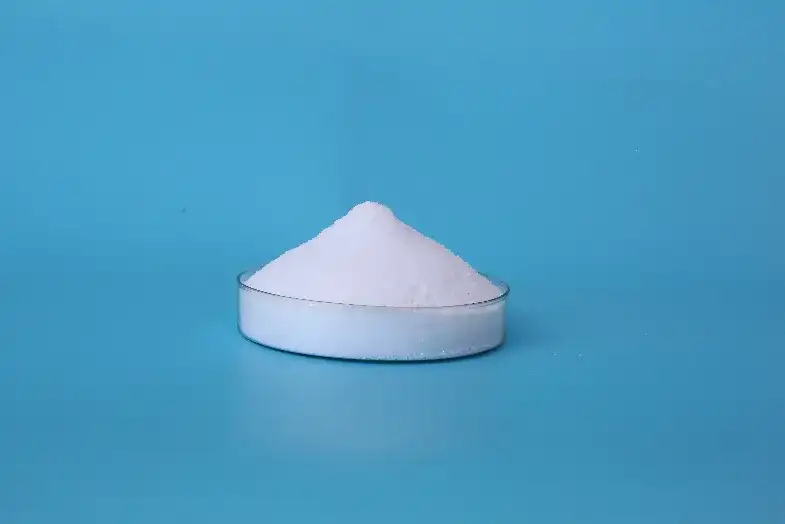
Our team has observed across multiple production campaigns that amphoteric PAM achieves consistent floc size and settling rates even when a metal finishing line switches between alkaline degreasing and acidic pickling baths within the same shift. The polymer’s ability to maintain bridging performance across a wide pH window is the reason many plant managers end up moving away from single‑charge products.
How Amphoteric Polyacrylamide Works in Variable pH Metal Effluent
The polymer’s amphoteric character comes from the ternary copolymerization of acrylamide with both cationic and anionic monomers. The resulting polymer chain has positive and negative sites distributed along the backbone. When the wastewater pH drops, anionic carboxylate groups protonate and lose charge, but the cationic quaternary ammonium groups remain active, so the polymer does not collapse. When pH rises, the anionic groups re‑ionize while the cationic contribution holds steady.
This dual‑charge architecture means the same dosage can flocculate metal hydroxide precipitates, phosphate‑based conversion coating residues, and oil‑water emulsions without the operator having to adjust polymer type or pH. In our production data, tolerance ranges of pH 3 to pH 11 are routinely achievable with a single amphoteric PAM grade, which eliminates the need to stock separate anionic and cationic products for different process streams.
The Flocculation Mechanism Across Mixed Metal Contaminants
A metal processing effluent typically contains iron, zinc, nickel, chromium, and aluminum in dissolved or suspended forms, each with different hydroxide precipitation pH optima. Amphoteric polyacrylamide bridges these mixed particles through a combination of electrostatic patch flocculation and polymer bridging. The cationic segments anchor onto negatively charged metal oxide surfaces while the anionic segments extend into solution, capturing other suspended solids.
What matters in practice is that the resulting floc is denser than what single‑charge polymers produce in mixed‑metal systems. We have seen settling rates improve by 20–40% in jar tests when replacing a standard anionic PAM with an amphoteric grade on wastewater containing zinc phosphate and ferric hydroxide simultaneously. The faster settling directly translates into higher throughput for the clarifier or dissolved air flotation unit.
Selecting the Right Molecular Weight and Charge Balance
Not all amphoteric polyacrylamides perform identically. The ratio of cationic to anionic monomers, the molecular weight, and the polymer’s linearity affect both floc strength and shear resistance. For metal processing, a grade with a moderate charge balance tends to work best because extreme cationic character can overdosing lead to restabilization of negatively charged colloids.
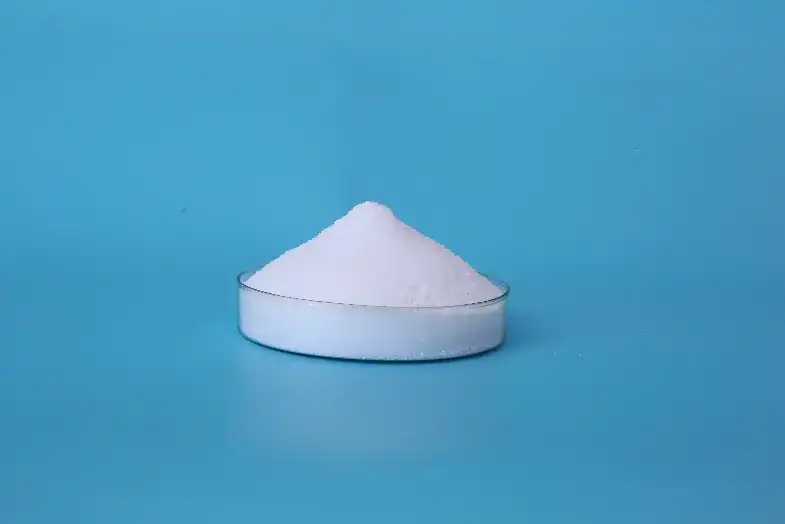
We recommend requesting a sample that lists both the cationicity and anionicity as percent mole substitution, not just total ionicity. A product with too high a total charge density may form small, weak flocs that shear easily in a high‑flow clarifier. Our own amphoteric PAM is produced with a customizable monomer ratio, which lets us match the polymer to the specific metal mix and oil load a plant reports rather than offering a single off‑the‑shelf composition.
If your process involves heavy oil loading from soluble oils or synthetic coolants, the selection gets more specific: the amphoteric polymer’s ability to demulsify and flocculate simultaneously is a function of both charge balance and molecular weight above 15 million Daltons.
Performance Comparison with Single‑Ion and Dual‑Polymer Systems
When operators try to handle variable pH metal wastewater without amphoteric polymer, they often dose both an anionic and a cationic PAM in sequence. This requires two chemical feed systems, double the inventory, and careful pH adjustment between the two stages to avoid charge reversal. A single amphoteric polymer eliminates the intermediate pH correction step and reduces total chemical handling by roughly half.
| System | pH Operating Range | Number of Polymer Dosing Points | Typical Clarifier Performance |
|---|---|---|---|
| Anionic PAM alone | 6–9 | 1 | Poor floc below pH 5 |
| Anionic + Cationic sequential | 4–10 | 2 | Effective but high operational complexity |
| Amphoteric PAM single dose | 3–11 | 1 | Stable floc across full pH range |
The table above matches what we see in field reports: amphoteric PAM achieves the same or better clarity as the dual‑polymer approach without the extra equipment and operator attention. For plants that run multiple metal finishing lines into one wastewater sump, this simplification alone often justifies the polymer cost.
Application Guidelines for Metal Fabricators and Surface Finishers
Switching to amphoteric polyacrylamide does not require replacing existing makeup and dosing equipment. Standard emulsion or dry powder polymer preparation systems work. Emulsion‑type amphoteric PAM offers the fastest dissolution for plants that need to respond to surge flows from batch dumps. Dry powder grades are better for operations with stable, continuous flows and adequate aging tanks.
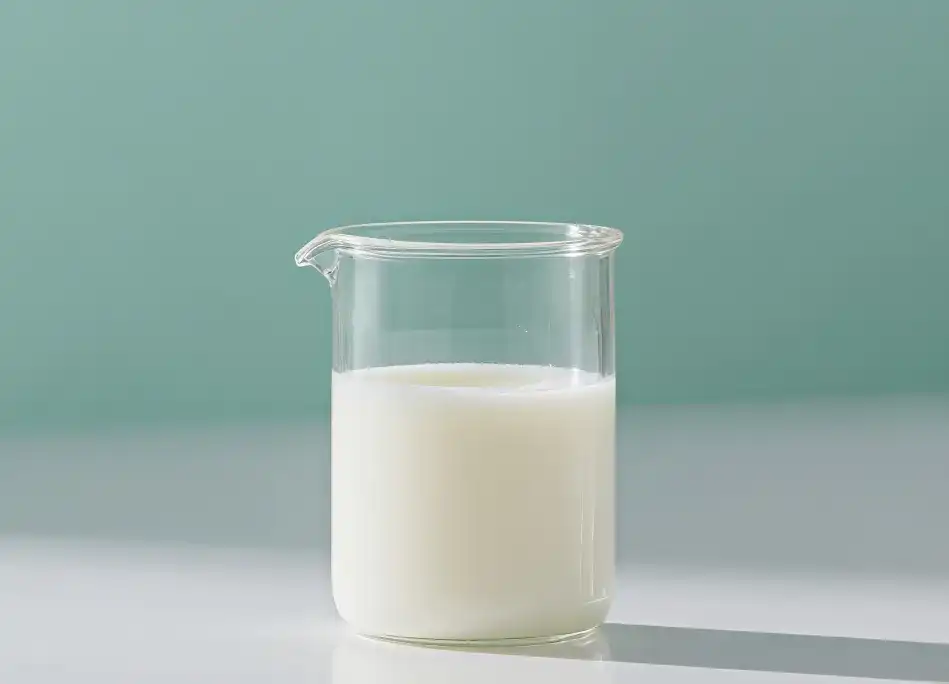
We typically suggest starting with a 0.1–0.5% polymer solution concentration, then jar testing at 2–5 mg/L active polymer dose. Because amphoteric PAM works across a broad pH, the operator can skip the pH adjustment step during jar testing to see whether floc formation is adequate without chemical pH correction. In many metal processing effluents, it is. If the plant’s permit requires a specific pH for discharge, a post‑flocculation pH trim is still needed, but the floc itself remains stable during that final adjustment.
The dosage range is often 10–15% lower than equivalent anionic products because the dual‑charge mechanism makes each polymer chain more effective at capturing dispersed solids. So a 15% dosage reduction alongside the elimination of a second polymer feed system can produce a net cost saving even if the per‑kilogram price of amphoteric PAM is higher than commodity anionic grades.
If your operation runs multiple distinct effluents, we have found that a single amphoteric PAM specification often covers all of them. That allows bulk procurement and reduces the chance of cross‑contamination between different polymer types in storage.
What to Check Before Switching to Amphoteric Polyacrylamide
Even though the polymer adapts to pH swings, a few operational factors can affect how quickly the switch pays off. An accurate profile of the metal species and their concentrations is the starting point, because high levels of chelating agents from electroplating baths can interfere with polymer‑metal bridging. If EDTA or similar chelators are present above 50 mg/L, pre‑treatment or a modified polymer composition may be necessary.
Another check is the presence of tramp oil from machining operations. Amphoteric PAM handles moderate oil loads well, but free oil above 1% by volume should be removed ahead of the chemical treatment step, otherwise the polymer will preferentially partition into the oil phase and floc efficiency drops.
At Shandong Nuoer Biological Technology, we stock amphoteric polyacrylamide with customizable charge ratios and offer jar testing support to confirm the grade before a full‑scale trial. Request a sample and share your typical metal analysis and pH variation range, and we can propose a starting point that cuts the trial‑and‑error time.
Common Questions About Amphoteric Polyacrylamide in Metal Treatment
Can one amphoteric PAM grade handle both pickling rinse water and alkaline cleaning effluent?
Yes, that is exactly where the product proves most useful. Pickling rinse water typically has a pH of 2–4 and contains dissolved iron and nickel, while alkaline cleaning effluent runs at pH 9–11 with oils and suspended solids. Amphoteric PAM flocculates both streams effectively without pH neutralization between them, so the two wastewaters can be combined and treated in a single step.
Does the cost premium over standard anionic PAM offset the performance gain?
In every case we have evaluated, the reduced dosage and elimination of a second polymer feed line bring the total cost of treatment below that of operating a two‑polymer system. The fact that a single inventory item serves the plant simplifies purchasing and storage. For operations using only one polymer type, the cost crossover occurs when pH variation forces frequent dosage rate adjustments or causes periodic compliance exceedances.
Is emulsion grade better than dry powder for metal processing?
It depends on the plant’s layout. Emulsion PAM dissolves within 5–15 minutes, which is an advantage when wastewater volumes spike after batch dumps. Dry powder needs aging tanks and about 45–60 minutes to fully hydrate. For consistent flow rates, dry powder works fine and is often less expensive per active kilogram. If surge capacity matters, the emulsion product’s fast dissolution is the deciding factor.
What happens if the wastewater contains chromium VI?
Hexavalent chromium must be reduced to trivalent chromium before flocculation. Amphoteric PAM does not perform that reduction; it flocculates the chromium hydroxide that forms after the reduction step. The polymer’s pH tolerance means the floc remains stable even if the pH drifts during the chromium reduction and precipitation sequence. So while amphoteric PAM does not replace the reduction step, it makes the downstream solid‑liquid separation more forgiving.
Will the polymer interfere with downstream membrane filtration or discharge permits?
No. Amphoteric polyacrylamide is a high molecular weight flocculant that forms settleable floc and is removed with the sludge. The residual monomer content in quality grades is below 0.05%, which meets standard industrial discharge requirements. If your facility has reverse osmosis or ultrafiltration after clarification, we recommend a jar test with filtrate analysis to confirm there is no carry‑over of unreacted polymer, though this is rarely an issue when dosing is optimized. If your permit has a strict limit on residual polymer or you are operating a zero liquid discharge system, let us know your target values and we will confirm compatibility with your required analytical methods. Contact us at en*****@***er.com or +86-532-66712876 with your specifications.
If you’re interested, check out these related articles:
Optimal SAP Grades for Ultra-Thin Baby Diapers: Performance Deep Dive
High Purity Acrylamide Monomer vs Technical Grade Distinction
Acrylic Acid Price for Super Absorbent Polymer: Optimize Procurement
Leading SAP Supplier for Feminine Hygiene Product Excellence







 English
 Russian
 Arabic
 Spanish