
When a mixing system stalls because the polymer hasn’t fully dissolved, the cost isn’t just downtime—it’s wasted chemicals and a compliance headache. Choosing emulsion polyacrylamide for rapid mixing means looking beyond labeled dissolution times to the product characteristics that deliver in your specific hardware. In rapid mixing systems, a few minutes of delay can disrupt entire treatment cycles, and inconsistent polymer hydration leads to uneven flocculation and higher effective dosages. From fifteen years in polymer manufacturing, I’ve seen that the best emulsion PAM is the one that activates predictably under your mixer’s shear conditions.
What Rapid Mixing Demands from an Emulsion Polymer
A rapid mixing system, whether a stirred tank, an inline injector, or a static mixer, subjects the polymer to high turbulence for a short contact time. The emulsion must invert—releasing the polymer from its oil phase—within seconds, then fully hydrate before leaving the mixing zone. If inversion is slow or incomplete, you get fisheyes, strainer clogging, and fluctuating dosage rates.
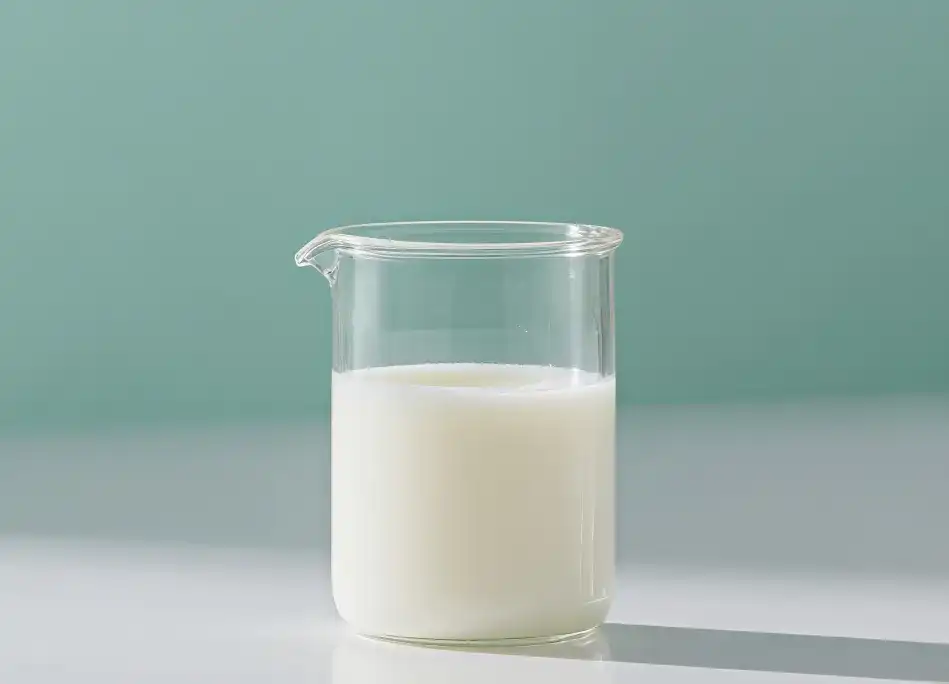
Water‑in‑oil emulsion polyacrylamide is manufactured with a precise surfactant package and oil phase that control inversion speed. In our production, we adjust the hydrophilic‑lipophilic balance and the internal droplet size distribution during synthesis. A narrow droplet size range with an optimized surfactant layer yields consistent, fast inversion across variable water temperatures and salinities. The result is a product that reaches full activity in 5 to 15 minutes under standard mechanical mixing, matching the residence time of most rapid mixing systems.
Product Specifications That Dictate Dissolution Speed
Not all emulsion PAM products labeled “fast dissolving” behave the same way. Three technical parameters separate reliable performers from grade‑average material: active polymer content, molecular weight uniformity, and emulsion stability under storage.
Active polymer content, typically 30 to 50 percent, influences how quickly the dispersed phase can exit the oil droplet. Higher active content can deliver faster viscosity build but may require higher shear to initiate inversion. Molecular weight distribution matters equally—a narrow distribution reduces the time needed for chain disentanglement, so the polymer reaches its target solution viscosity sooner. Emulsion stability ensures the product hasn’t partially inverted during transport or storage, which would cause gel particles and slow dissolution.
In our manufacturing, we control these parameters through in‑line polymerization and continuous monitoring. The table below summarizes the typical performance ranges of Nuoer emulsion‑type polyacrylamide.
| Property | Typical Value |
|---|---|
| Form | Milky‑white water‑in‑oil emulsion |
| Active content | 30–50% (customizable) |
| Dissolution time to full activity | 5–15 minutes¹ |
| Molecular weight | Ultra‑high, up to 30 million Dalton |
| Ionic types available | Anionic, cationic, non‑ionic |
| Shelf stability | 6–12 months (protected from freezing) |
¹ Under standard lab mixing at 500–800 rpm, 25°C, 0.5% solution concentration.
How to Verify “Rapid” — Lab and Field Testing Methods
A supplier’s data sheet tells you what happened in their lab. Your mixing system tells you what happens on site. To confirm an emulsion polymer’s dissolution performance before full‑scale commitment, we recommend a structured jar‑test protocol.
Use a jar tester with a defined mixing speed and sampling timer. Prepare a 0.5% polymer solution by injecting the emulsion directly into the vortex. Measure torque on the mixer shaft or viscosity at 30‑second intervals. The time to reach 90% of final viscosity is your practical dissolution benchmark. If this time exceeds the contact time in your full‑scale mixer, either the polymer grade or the injection point needs adjustment.
For inline systems, turbidity sensors after the static mixer provide real‑time feedback. A rapid drop in turbidity indicates fast floc formation, but this only occurs once the polymer has fully hydrated. We often work with plant engineers to correlative turbidity data with bench‑scale viscosity curves so they can monitor dissolution quality without interrupting operations.
Matching Emulsion PAM to Your Mixing System
Mixing hardware determines the shear rate the polymer sees. A centrifugal pump with an injection quill generates moderate shear, while a high‑shear inline disperser can invert the emulsion almost instantly. Matching the polymer’s inversion sensitivity to this shear environment prevents both under‑activation and mechanical degradation.
Ionic type selection also influences mixing behavior. Anionic emulsion polyacrylamide, with its negative charge along the polymer backbone, extends rapidly in low‑ionic‑strength water and builds viscosity quickly. Cationic emulsion grades, used in sludge dewatering, have a more compact initial conformation and often benefit from slightly longer maturation. Non‑ionic emulsion products are pH‑insensitive and perform reliably in acidic or highly saline brines, making them predictable in variable water chemistries.
If your mixing system has limited shear—a simple tank with an overhead mixer—a high‑active, rapidly inverting anionic emulsion will give the most robust performance. For high‑shear inline systems, a wider range of grades can be used, and the decision can be driven more by the downstream separation process.
Selecting a Manufacturer That Delivers Consistency
Consistency in emulsion PAM quality comes from upstream integration and production scale. A manufacturer that controls its own acrylamide and acrylic acid monomer supply—rather than buying on the spot market—can hold tighter specifications on residual monomer levels, inhibitor concentrations, and chain‑transfer agents. These trace components directly affect polymerization kinetics and, ultimately, dissolution speed batch to batch.
Our production complex in Shandong integrates acrylic acid, acrylamide, and polyacrylamide under one quality system. With 200,000 tons of annual emulsion capacity and a monomer supply chain that allows real‑time compositional adjustments, we can maintain dissolution curves that vary by less than 10 percent between production campaigns. This level of consistency means your mixing system doesn’t need to be retuned with each shipment.
Equally important is technical support that understands mixing equipment. If your program involves severe temperature swings, variable water quality, or unusual mixer geometries, it’s worth confirming that your supplier can provide viscosity‑versus‑shear data for their grades, not just a label claim. Reach out with your spec sheet at en*****@***er.com and our engineering team will match the polymer to your conditions.
Common Questions About Emulsion Polyacrylamide for Rapid Mixing
Why does dissolution time vary so much between batches of what I thought was the same product?
Dissolution time can shift if the emulsion has been exposed to freeze‑thaw cycles or if the oil phase has oxidized during long storage. Even small changes in droplet size distribution caused by aging will change inversion speed. Request a certificate of analysis that includes dissolution time under a standard protocol, and store emulsion between 5 and 35°C.
Can I use emulsion polyacrylamide in cold water without slowing down my mixing cycle?
Cold water reduces droplet coalescence speed and increases the oil‑phase viscosity, both of which slow inversion. However, we formulate our emulsion with a temperature‑tolerant surfactant package that maintains a dissolution window of 8 to 18 minutes even at 5°C. If your water temperature regularly drops near freezing, specify a winter‑grade emulsion that uses a lower‑viscosity oil phase.
What is the difference between anionic and cationic emulsion for rapid mixing—does one dissolve faster?
Anionic grades typically build viscosity faster than cationic grades of the same molecular weight because their extended chain conformation in neutral water exposes more hydrogen‑bonding sites. Cationic polymers, especially high‑charge‑density grades, can initially adopt a tighter coil and take slightly longer to reach full hydration. The practical difference in a well‑designed rapid mixer is often negligible, but for ultra‑short contact times below 30 seconds, an anionic emulsion is usually the safer starting point.
How do I prevent fisheyes when handling high‑active emulsion concentrate?
Fisheyes form when the emulsion encounters water before it has inverted, trapping partially hydrated gel clumps. Use a dedicated emulsion injection point that discharges directly into the high‑shear zone. Never pre‑dilute the emulsion with water before injection. If your system lacks an injection pump designed for viscous liquids, we can advise on simple modifications that eliminate fisheyes without major capital expense.
Is it worth paying more for a supplier that controls its own acrylamide monomer?
In my experience with polymer manufacturing, yes—the trace quality of the monomer directly influences batch‑to‑batch reproducibility of dissolution speed. An impurity profile that changes from shipment to shipment will shift the polymerization kinetics and, therefore, the molecular weight distribution and inversion time. Integrated suppliers that make their own acrylamide monomer can deliver a narrow impurity specification consistently. If your rapid mixing system has little tolerance for variability, that supply‑chain control becomes a key criterion. Share your current water analysis and mixer details, and we’ll confirm which of our integrated grades matches your window.
If you’re interested, check out these related articles:
Acrylic Acid Quality Requirements for SAP: Purity and Performance
Selecting Amphoteric PAM for Variable pH Systems: An Expert Guide
Reliable Cationic PAM Selection: Vetting Top Global Manufacturers
Optimizing Acrylamide Aqueous Solution Strength for Industrial Efficiency
Selecting Super Absorbent Polymer Particle Size for Optimal Use


 English
 Russian
 Arabic
 Spanish