
Sourcing emulsion PAM for oilfield operations is less about polymer chemistry than about delivered performance and supply discipline. Most buyers start with solubility claims and miss the factory variables that decide whether the product inverts cleanly in produced water, survives long haul storage, and arrives ready for dosing. We operate 200,000 metric tons per year of polyacrylamide emulsion capacity, and the questions we hear from oilfield teams are more practical: batch traceability, cold weather handling, and total landed cost. The checks below separate a reliable factory direct supply from a purchasing risk.
Why Does Emulsion PAM Fit Oilfield Operations?
Oilfield water treatment often runs continuous, with thin operator coverage and produced water that changes from one well to the next. Emulsion PAM fits because it wets and disperses in minutes when mixed properly, which reduces polymer balls and screen plugging compared with dry powder. The liquid form also removes dust exposure during dosing, a real advantage on offshore decks and desert sites. We produce anionic, cationic, and nonionic emulsion types by water in oil technology, with the anionic grades most often used in produced water and polymer flooding.
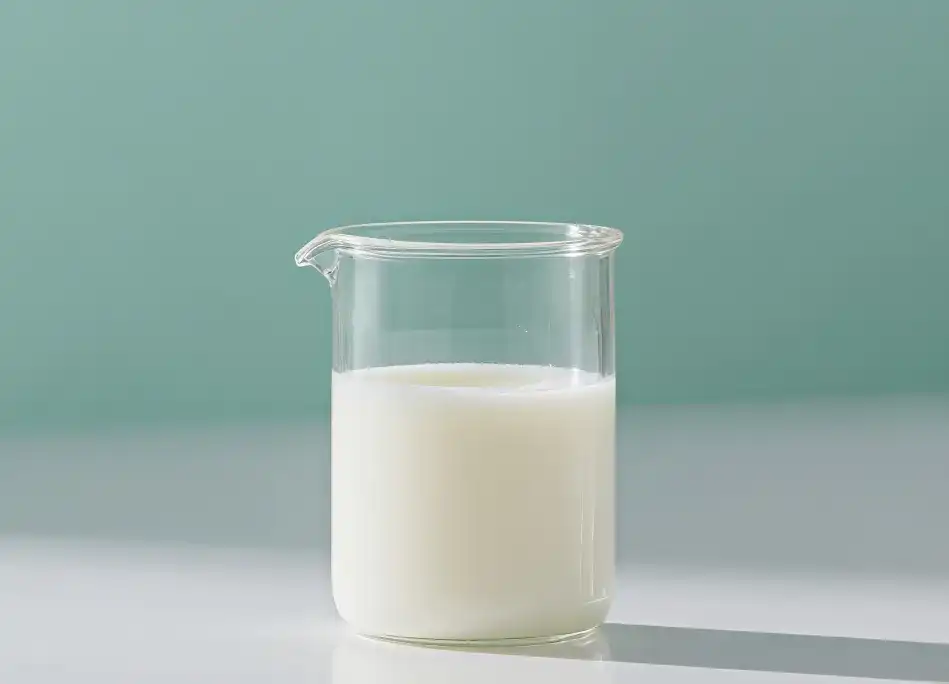
An emulsion PAM product still has to reach the site in stable condition. The tradeoff is freight. Emulsion carries oil and water, so you are paying to move non-active mass. That makes supplier location and emulsion concentration part of the buying decision, not an afterthought. A grade that dissolves in 5 to 15 minutes can still fail if it freezes or separates before the trial begins.
What Checks Does Factory Direct Sourcing Require?
Factory direct sourcing of emulsion PAM only matters if the factory controls the variables that change field performance. Ask for active polymer content, not total liquid weight. Emulsion products are commonly sold at 30 to 50 percent solids, and a five point difference changes landed cost per active kilogram through double digits. Request the specific charge density and molecular weight range for your water, plus a retention sample reference for each batch. We make our own acrylamide and cationic monomers, so we can trace polymer performance back through monomer quality instead of blending purchased intermediates.
| Checkpoint | What to confirm | Why it matters |
|---|---|---|
| Active solids | 30 to 50 percent polymer by weight | Sets true dose cost per barrel |
| Charge type | Anionic, cationic, or nonionic grade | Must match produced water and treatment target |
| Inversion package | Surfactant and oil phase compatibility with field water | Prevents polymer globs and pressure spikes |
| Batch traceability | Monomer source, lot retention, test records | Speeds root cause if field performance changes |
| Logistics package | Packaging, freezing point, transport classification | Protects product before injection |
A factory direct emulsion PAM order should include batch test data and a sample retained for at least twelve months. When a field changes water chemistry, that record turns a supplier dispute into a formulation conversation.
How Do You Compare Emulsion PAM for Different Oilfield Waters?
Emulsion PAM is not one product. A produced water stream with 50,000 mg/L total dissolved solids and fine oil droplets usually needs a high molecular weight anionic grade because the polymer has to bridge suspended oil and solids without collapsing in calcium and magnesium. A water with high organic load or a need for sludge compaction may call for a cationic or amphoteric emulsion, especially when the field blends produced water with drilling fluid or fracturing flowback.
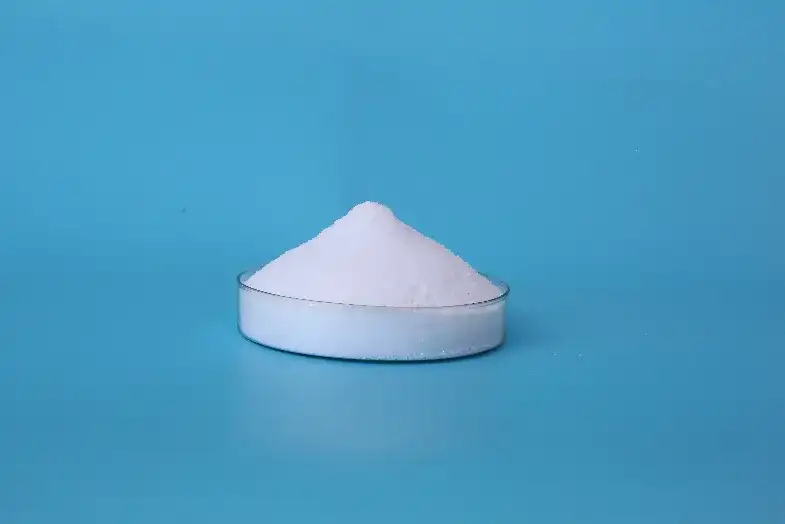
Do not compare suppliers by viscosity alone. Two emulsion PAM products can have similar viscosity and very different active content or inversion speed in brine. The reliable test is a jar test on your own water at the same shear used in the field.
The most common field failure I see with emulsion PAM is incomplete inversion when operators inject it directly into high salinity water with poor mixing. A slick layer of undissolved polymer forms, blinds screens, and raises injection pressure. The fix is usually a short predilution step or a more brine tolerant surfactant package, not a higher dose.
If your produced water carries more than 30,000 mg/L total dissolved solids or your site sees winter temperatures below minus 15 C, confirm the inversion package and storage rating before locking the bill of materials. Send your water analysis and injection point details to en*****@***er.com.
What Does Total Landed Cost Look Like Beyond Price?
Emulsion PAM usually costs more to ship per metric ton than dry powder because you are moving oil and water. But dry powder can underperform when crews have no dust control, aging mixing equipment, or limited time for maturation. I calculate supplied cost on an active polymer basis after freight, then add field loss. In many remote locations, emulsion PAM wins because faster response and lower waste cut chemical spend enough to offset freight.
Landed cost per active kilogram equals invoice price divided by active solids fraction, plus freight per ton divided by active solids, plus expected loss from poor mixing. Storage changes the equation. Emulsion PAM must stay above freezing and below 40 C. A pallet left in a container through summer can separate, and a frozen drum will not recover without slow thawing and agitation. If the site has no heated storage, the supplier needs to confirm the product can tolerate the local minimum temperature or pack smaller tote volumes that fit inside a control room.
How Do You Get a Factory Direct Quote for Field Trials?
Field trials should compare not just dose but inversion quality, oil and solids carryover, and pressure stability over 72 hours. If your current product cannot pass those checks, a factory direct source with monomer and emulsion production on one site is worth evaluating. Send your daily water volume, water analysis, injection point details, and target discharge or reinjection spec to en*****@***er.com. Call +86-532-66712876 and ask for a matched emulsion PAM sample with batch test data and a landed cost with freight included for your nearest port or field hub.
What Questions Do Oilfield Buyers Ask About Emulsion PAM?
Is emulsion PAM always better than dry powder for oilfield use?
Not always. Emulsion PAM earns its place when rapid inversion, reduced dust, or compact dosing matters more than the higher freight cost per active pound. For a permanent central processing facility with trained operators and good dust extraction, dry powder can be the lower cost route. For remote pads, offshore decks, or temporary water treatment, the liquid form is usually easier to handle and brings faster field response. The decision should follow water chemistry, storage, and labor, not a generic preference for one physical form.
How can I tell if an emulsion will invert in my produced water?
A common misconception is that all emulsion PAM products invert the same way. The oil phase and surfactant package decide how quickly and completely the polymer releases in your water. Ask the supplier for a jar test using your actual produced water sample, then watch for fish eyes, gel clumps, or a milky haze that does not clear. If the test passes, request the same batch reference for future orders. If it fails, the supplier should reformulate or recommend a predilution step before injection.
What dose should we start with for produced water treatment?
It depends on whether your operation is continuous injection or batch treatment. For continuous produced water polishing, an anionic emulsion PAM at 0.5 to 2 ppm active dose is a reasonable starting point, then adjust based on oil and solids carryover. For batch pit treatment or upset conditions, a higher molecular weight grade may be easier to meter at a higher concentration. Jar testing on the actual water remains the only reliable way to set the dose because alkalinity, hardness, and oil droplet size shift polymer demand more than a data sheet suggests.
What do we need to inspect before accepting a factory direct shipment?
In oilfield programs we have worked on, the most common buying error is ordering by price before checking storage conditions and batch documentation. Inspect the delivery for separation, frozen material, or damaged totes, and record the batch number against the supplier’s test data. Store the product above freezing and below 40 C, and use first in first out rotation. If anything does not match the agreed specification, stop the trial and resolve the discrepancy before changing field chemistry. Share your produced water analysis and daily volume, and we will confirm the right emulsion PAM grade and the correct documentation before dispatch.
If you’re interested, check out these related articles:
SAP Particle Size: A Guide to Optimal Selection for Performance
Good News丨Nuoer Wins Two Provincial Honors
Optimizing Acrylamide Solution Concentration for Industrial Performance
Leading Acrylamide Aqueous Solution Manufacturers: Global Supply & Quality


 English
 Russian
 Arabic
 Spanish