
Reservoir conditions, not polymer price per ton, decide whether an anionic polyacrylamide for EOR program recovers oil. Too many tenders stop at molecular weight and leave hydrolysis degree, dissolution time, and produced water compatibility unresolved until core flood results disappoint. This article lays out the specifications to confirm before qualifying a polymer: molecular weight range, hydrolysis degree, powder or emulsion form, and supplier evidence. It is written for reservoir engineers and procurement teams who want a grade that performs in the field, not only on a data sheet.
Anionic Polyacrylamide Properties That Drive EOR Performance
Anionic polyacrylamide used in polymer flooding works primarily through viscosity and adsorption to pore surfaces. The injected fluid viscosity controls the mobility ratio between water and oil; higher viscosity pushes oil more evenly instead of fingering through high permeability channels. Adsorption and bridging then keep the polymer in contact with reservoir rock, which extends its residence time and moves oil toward producing wells.
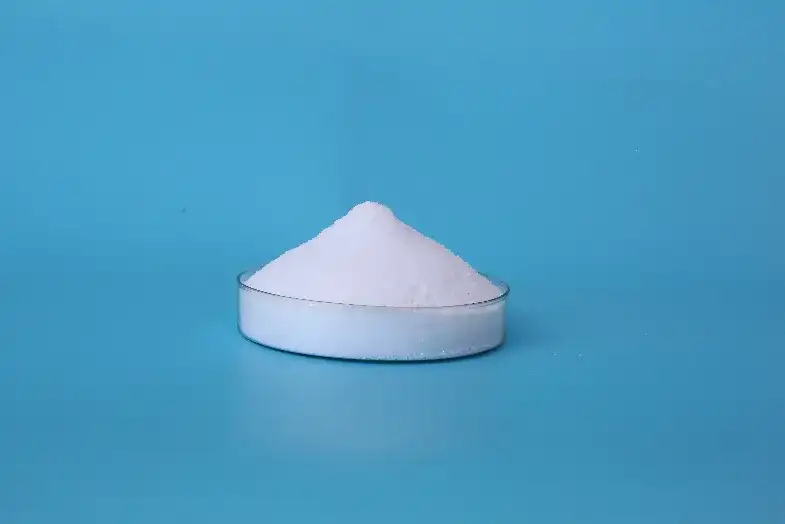
For EOR, the starting material has to build viscosity at low concentration, dissolve without fisheyes, and keep residual monomer low enough for injection into producing formations. A grade with molecular weight above 30 million dalton can deliver high viscosity, but only if the dissolution and injection system apply enough shear control. Molecular weight alone cannot guarantee field performance.
Molecular Weight and Hydrolysis Degree for EOR Polymer Selection
Molecular weight and hydrolysis degree act together. Higher molecular weight raises viscosity per unit mass, while hydrolysis degree adds negative charge along the polymer chain. That charge expands the chain in low salinity water and increases viscosity, but it also changes how the polymer reacts to hardness ions, temperature, and rock surface charge.
I have seen mature field programs lose months because the selected grade carried too high a hydrolysis degree for the produced water composition. The polymer passed the initial viscosity test in fresh water, then dropped below target once mixed with field brine. Core flood testing with actual produced water, not synthetic fresh water, is the only reliable way to expose that mismatch before injection begins.
If your program involves high salinity produced water or reservoir temperature above 70°C, confirm the hydrolysis degree and thermal stabilizer package before finalizing the tender. Share your brine analysis and target viscosity profile at en*****@***er.com.
Powder and Emulsion Form Tradeoffs for EOR Field Logistics
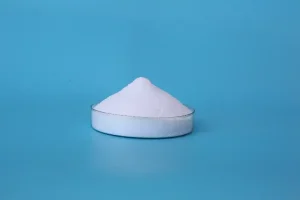
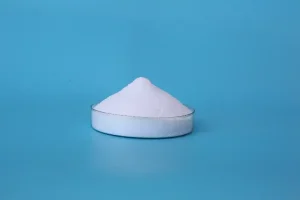
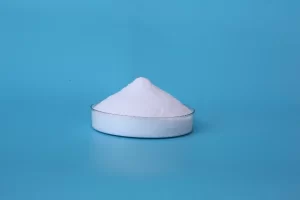
Powder and emulsion anionic polyacrylamide both have a place in EOR projects, but the logistics are different. Powder keeps freight weight low and stores well in dry conditions. Emulsion polyacrylamide dissolves much faster, typically within 5 to 15 minutes under proper mixing, because the polymer is already prepared as a water in oil liquid. That speed matters for temporary or rapid response injection programs.
| Consideration | Powder | Emulsion |
|---|---|---|
| Dissolution time | Requires longer aging tanks | Ready within 5 to 15 minutes |
| Storage and handling | Dry bags, lower freight weight | Liquid, needs cold storage and agitation |
| Injection flexibility | Batch make-down | Easier continuous dosing |
| Logistics | Less temperature sensitive | Freezing or oil phase handling risk |
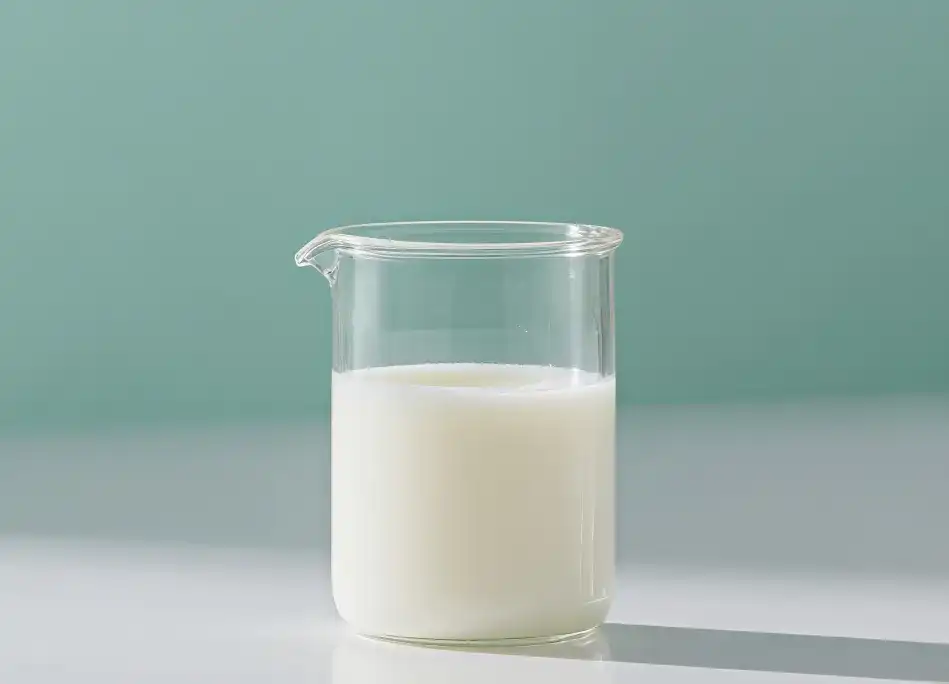
The choice depends on the injection site. Remote fields with limited water and no warm storage room often do better with powder. A centralized injection plant that can manage liquid handling may prefer emulsion for speed and cleaner dosing control.
Supplier Qualification Checks for EOR Grade Polymer
Qualifying a supplier stops being a price comparison and starts looking at production control. For EOR grade anionic polyacrylamide, I review five areas in a supplier dossier: molecular weight distribution across batches, residual acrylamide content, dry solids or active polymer content, dissolution curve under field brine temperature, and documented core flood results with produced water.
A supplier with in-house acrylamide and acrylic acid capacity has a real advantage here. Monomer quality flows directly into finished polymer safety and consistency. Shandong Nuoer Biological Technology operates integrated production for polyacrylamide, acrylamide, and acrylic acid, with annual polyacrylamide capacity of 500,000 tons. That scale matters less as a selling point and more as evidence of repeating batch control.
Ask for lot to lot hydrolysis degree data instead of a single certificate. If the supplier cannot show that the hydrolysis degree stayed inside your window across multiple batches, the field result becomes a lottery.
Specifying Anionic Polyacrylamide for Your EOR Project
EOR polymer qualification stalls when the specification sheet stops at molecular weight and price. You need a grade matched to brine composition, reservoir temperature, injection shear, and target viscosity, with documentation that proves it will stay inside specification over consecutive shipments. Shandong Nuoer Biological Technology produces anionic polyacrylamide with molecular weights above 30 million and can match hydrolysis degree, dissolution behavior, and quality documentation to your reservoir plan. Send your target viscosity, brine composition, and injection temperature to en*****@***er.com or call +86-532-66712876, and we will confirm the appropriate grade and arrange samples for core flood testing.
Common Questions About Anionic Polyacrylamide for EOR
What molecular weight is best for anionic polyacrylamide in EOR?
Start with reservoir permeability and target viscosity, not a single fixed number. Higher molecular weight increases viscosity but also raises the risk of shear degradation during injection and makes polymer enter low permeability rock more slowly. For higher permeability mature fields, molecular weights above 30 million dalton often are the right range. For tighter intervals, a lower molecular weight grade may protect injectivity. Core flood testing with actual rock and produced water should decide the range, not a supplier preference.
Does higher hydrolysis degree always improve oil recovery?
No. Higher charge density is not a universal advantage. Hydrolysis degree increases viscosity in fresh water, but it can destabilize the polymer in brine with high calcium or magnesium content and increase adsorption until the slug moves more slowly. The right level depends on salinity, temperature, and rock charge. A moderate hydrolysis grade often retains more long term viscosity than an aggressive grade that looks stronger in a fresh water beaker test.
Is emulsion anionic polyacrylamide better than powder for polymer flooding?
It depends on field logistics and injection equipment. Emulsion polyacrylamide dissolves quickly and suits continuous dosing, which is valuable for time sensitive floods. Powder keeps transport costs lower and tolerates temperature swings better during storage. A centralized facility with liquid handling may prefer emulsion; a remote site with limited power and warm storage risk may prefer powder. The polymer chemistry can be similar, so the decision should follow site constraints rather than viscosity claims alone.
How does produced water salinity affect anionic polyacrylamide performance?
In mature oil field programs I have worked with, produced water chemistry often decides the grade before core flood testing begins. Dissolved salts compress the polymer chain and reduce viscosity, especially when calcium and magnesium dominate the brine. Higher hydrolysis degrees usually make this worse. Matching the polymer to the actual produced water composition, then confirming it with core flood tests, avoids a grade that passes in fresh water and fails in the field. Share your produced water analysis and target polymer concentration with en*****@***er.com, and we will confirm the appropriate anionic polyacrylamide grade before you commit to pilot quantities.
If you’re interested, check out these related articles:
Non Ionic PAM: Advancing Paper Retention System Performance
Odor Control Super Absorbent Polymer Versus Standard SAP Performance
SAP in Premium Baby Diaper Construction: An Expert Guide


 English
 Russian
 Arabic
 Spanish