
Paper mills keep returning to the non-ionic PAM vs starch comparison because retention aid choice changes both machine speed and furnish cost. In most paper production systems, non-ionic PAM is the stronger retention and drainage aid, while starch remains useful as a lower-cost dry-strength additive. The replacement decision should follow first-pass retention goals, wet-end charge conditions, and handling infrastructure rather than starch familiarity. This article works through the mechanism differences, performance boundaries, cost structure, and grade-specific selection factors that determine which option belongs in a given furnish. For a mill running high fines or fluctuating pH, the choice is rarely neutral.
Why Do Paper Mills Still Compare Non-Ionic PAM with Starch?
Both materials sit in the wet end, but they arrive there for different reasons. Starch is a natural polymer, typically corn, tapioca, or potato derived, and most mills use it as a dry-strength additive or a low-cost retention aid. Non-ionic PAM is a synthetic acrylamide homopolymer with high molecular weight and low ionization. The comparison persists because a mill can often order starch from an existing food or industrial supplier without changing dosing hardware, while a synthetic retention aid asks the mill to manage a different molecular weight, charge profile, and solution preparation routine. The relevant question is not which material is newer. It is which material moves retention, drainage, and furnish cost in the direction the paper machine actually needs.
What Changes in Retention and Drainage When You Switch?
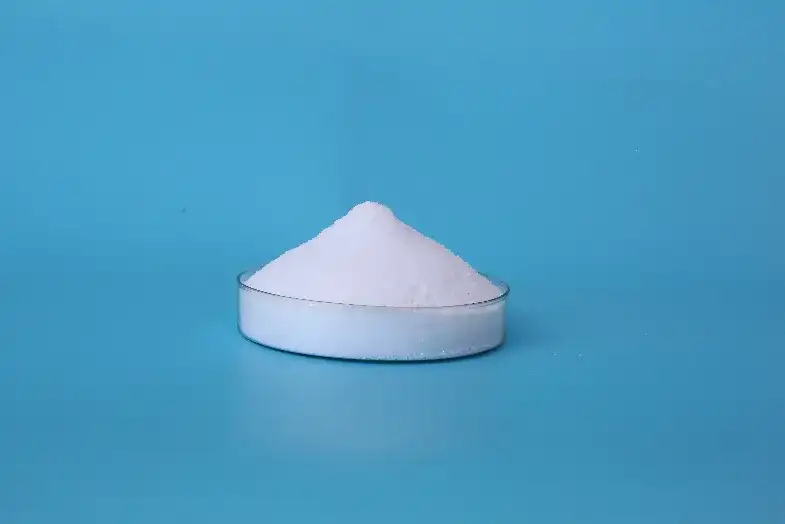
Retention aid chemistry is mechanical as much as electrostatic. A high molecular weight non-ionic PAM chain bridges several fines and fibers at once, holding them in the sheet before water leaves the forming fabric. Starch works partly by agglomerating fines and partly by charge interaction, but its molecular weight and charge density are lower than a typical retention-grade synthetic polymer. The result is that starch frequently has to be dosed higher to move first-pass retention, and the added starch can make the wet end heavier before drainage improves.
How does non-ionic PAM bridge fines and fibers differently from starch?
Starch builds retention through swelling and weak charge bridging. Non-ionic PAM extends bridge length in solution, and because its ionization is low, the bridge stays open across a wider pH and salt range. In practical terms, a mill that moves from a starch-only program to a non-ionic PAM bridge usually sees first-pass retention become less sensitive to stock pH changes.
Why does drainage improve more quickly with a synthetic retention aid?
Higher molecular weight means fewer polymer molecules can connect the same mass of fines, which leaves the sheet more open. Starch contributes solids that must drain, so pushing dosage to gain retention can slow the wire. The synthetic aid separates retention from added solids volume, and that is what changes drainage.
Where Does Non-Ionic PAM Outperform Starch in Real Wet-End Conditions?
Non-ionic PAM shows the clearest advantage in conditions that punish starch: acidic furnishes, high salt loads, closed water loops, and high fines. Starch can hydrolyze or lose effectiveness when pH moves, and its performance shifts as conductivity rises. Non-ionic PAM is a high-purity acrylamide homopolymer whose flocculation performance is less affected by pH and salts, and it works better under acidic conditions than hydrolyzed PAM. We have watched mills attempt to raise first-pass retention with extra starch because the material was already on site, only to lose drainage as the starch swelled and raised wet-end consistency. In those runs, a lower dosage of high molecular weight non-ionic PAM restored retention without the same drainage penalty.
What Are the Cost and Handling Trade-offs Between These Two Additives?
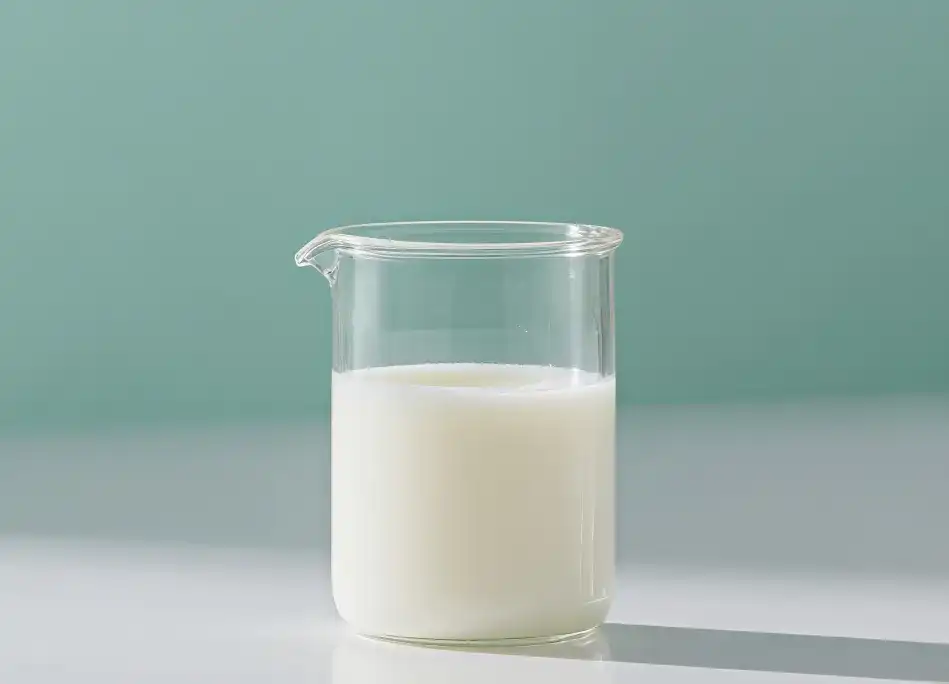
Cost comparison is misleading if it stops at price per kilo. Starch is usually cheaper by weight and arrives either as dry powder or cooked slurry from a familiar kitchen. Non-ionic PAM costs more per kilo, but it is dosed lower and removes the need to push starch solids into the sheet to chase retention. The handling difference is also real. Dry PAM needs proper make-down and aging to avoid fisheyes, while starch needs cooking or enzyme conversion depending on the grade. A mill with existing starch handling should cost the whole change, not just the unit price.
| Comparison point | Non-ionic PAM | Starch |
|---|---|---|
| Primary wet-end function | Retention and drainage bridge | Dry strength and low-cost retention |
| Charge behavior | Low ionization, near neutral | Anionic or cationic depending on grade |
| pH and salt sensitivity | Less affected across acidic to neutral conditions | More sensitive to pH shifts and salt load |
| Typical dosage pattern | Low, set by molecular weight | Higher, set by starch type |
| Handling requirement | Dry make-down and aging | Cooking or enzyme conversion |
Non-ionic PAM begins as acrylamide monomer, and integrated producers control that raw material directly. This matters when a mill needs consistent molecular weight across multiple shipments, because monomer quality shifts polymer performance more than most buyers expect.
If your furnish includes high fines, recycled fiber, or moves between acid and neutral pH, it is worth confirming charge demand and solubility limits before finalizing the retention aid change. Email en*****@***er.com with your wet-end parameters and current starch dosage, and we will check the correct non-ionic PAM grade.
How Should You Choose Between Non-Ionic PAM and Starch for Your Paper Grade?
For packaging grades where dry strength and low cost dominate, starch remains a rational base additive. In printing and writing grades, tissue, or any furnish with high fines and tight drainage windows, non-ionic PAM earns its place as the retention bridge. The decision should start from three measurements: first-pass retention, headbox consistency, and white water solids. If first-pass retention is unstable or drainage limits machine speed, changing the retention aid usually matters more than adding starch. A mill should also compare total wet-end solids; starch adds solids that must leave through the sheet, while a synthetic polymer can improve retention with less added material.
For most mills running closed water loops, high fines, or pH swings, a combined program with non-ionic PAM as the retention bridge and starch for dry strength is the strongest practical option. Start with the wet-end parameter you are actually trying to move, not the familiar material already in inventory. Send your furnish profile, target first-pass retention, and current starch dosage to en*****@***er.com and call +86-532-66712876. We will confirm a matching non-ionic PAM grade and the expected handling change before you commit. Shandong Nuoer supplies non-ionic PAM from integrated acrylamide production, so the specification stays consistent from pilot to full-scale order.
What Do Paper Mills Ask Before Changing Retention Aids?
Is non-ionic PAM always more expensive than starch?
On a per-kilo basis, non-ionic PAM usually costs more than native starch, but the relevant comparison is cost per retained ton, not unit price. A high molecular weight synthetic bridge can hold fines at a much lower dosage than starch, so the process cost can be lower even when the material price is higher. If the mill is pushing starch dosage to chase retention, the arithmetic favors PAM sooner than most buyers expect. Check the dosage rate needed to hit your first-pass retention target before treating price as the deciding factor.
Can I use non-ionic PAM and starch together in the same furnish?
A common assumption is that the two additives must compete for the same charge sites; in practice they often sit on opposite sides of the retention program. Starch remains useful for dry strength and filler retention, while non-ionic PAM builds the fast bridge that keeps fines in the sheet. Many mills run both without conflict because the synthetic polymer is dosed low and the starch is added earlier in the stock flow. The key is to avoid overlapping feed points and to confirm the charge demand before changing ratios.
Does non-ionic PAM create more foam or deposit risk than starch?
It depends on make-down quality and feed location. Undissolved PAM particles are more likely to form deposits than properly aged solution, so a dosing system with good mixing and aging time matters more than the polymer type. Starch can build up on surfaces when it is overcooked or left in stagnant lines. In closed loops, both materials need regular line flushing. If your mill has hard water or high calcium, check the make-down water quality first, because that affects solution clarity more than a small pH shift does.
Will switching from starch require new dosing equipment?
Instead of asking whether switching is safe, ask what the new chemical stream must deliver. A low-dosage non-ionic PAM program usually needs a metering pump, a mixing tank with aging volume, and a clean feed point downstream of starch addition. Many mills can repurpose an existing cooking tank or polymer makeup system after cleaning. The larger question is whether your current starch system oversizes the dose to compensate for weak retention. Share your current starch dosage and first-pass retention baseline with en*****@***er.com, and we will confirm whether a non-ionic PAM grade can match your furnish before you change a single valve.
If you’re interested, check out these related articles:
Cationic Polyacrylamide Performance Testing: A Technical Guide
High Purity Acrylamide Monomer vs Technical Grade Distinction
Amphoteric Polyacrylamide: pH Adaptation for Optimal Performance


 English
 Russian
 Arabic
 Spanish