
Anionic polyacrylamide grade selection usually goes wrong when buyers compare molecular weight numbers without accounting for shear, dissolution time, and dosing conditions. High and ultra-high molecular weight anionic PAM respond differently in the thickener, and those differences decide whether a mining thickener meets clarity targets or a tailings line plugs with carryover. This article compares the two grades across real process conditions, explains where each fits, and gives buyers a practical checklist for verifying supplier claims before a purchase order is placed.
What Actually Changes Between High and Ultra-High Molecular Weight Anionic PAM?
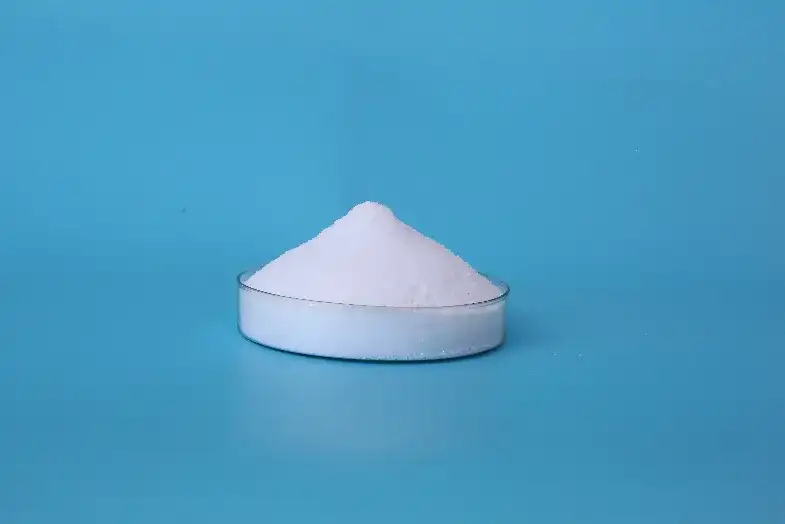
Anionic polyacrylamide is produced by copolymerizing acrylamide and acrylate salts. The molecular weight label tracks average polymer chain length. A high molecular weight grade has enough chain length to bridge suspended particles into settleable flocs. An ultra-high grade extends that chain further. At Shandong Nuoer, ultra-high molecular weight anionic PAM starts above 30 million.
Practical performance differences show up in mixing, dosage, and shear tolerance. The table below separates the two grades by the parameters that matter most in a plant.
| Parameter | High molecular weight anionic PAM | Ultra-high molecular weight anionic PAM |
|---|---|---|
| Molecular weight | Below 30 million | Above 30 million |
| Bridging behavior | Moderate chain overlap and bridging | Extended chain bridging and stronger adsorption |
| Mixing requirement | Wets and matures quickly with standard mixing | Needs low shear wetting and longer maturation |
| Dose response | Reliable with coarse or fast settling solids | Lower effective dose with fine and slow settling particles |
| Shear tolerance | Better retained after transfer pumping | More sensitive; repeated pumping can shorten effective chain length |
Molecular weight is not a single performance lever. It interacts with water chemistry, mixing energy, particle size, and the amount of shear between the mixing tank and the dosing point.
Where Does High Molecular Weight Anionic PAM Fit Better?
High molecular weight anionic PAM is usually the better choice where solid liquid separation is relatively easy but the process line is rough on polymer. Coarse tailings, coal preparation slurries, and high rate thickeners with long or aggressive transfer lines fall into this group. The polymer does not need the longest possible chain; it needs enough chain length to form a settleable floc and still keep enough integrity after pump transfer. An ultra-high grade can handle these streams too, but shear degradation often narrows its performance advantage and leaves the buyer paying for performance that does not show up at the dosing point.
When Does Ultra-High Molecular Weight Anionic PAM Justify Its Cost?
The case for ultra-high becomes clearer when fine particles stay suspended or when a lower dose target is fixed. In mineral fines and slow settling tailings, the longer chain builds bridges across larger distances and captures more fine material before the particles can recirculate. At the same dry dose, an ultra-high grade can produce a clearer overflow than a high molecular weight grade. The result is often a smaller polymer consumption target for the same clarity, which is where the higher unit price becomes justified.
If your process includes high shear transfer pumps or variable slurry solids, confirm molecular weight retention and dissolution profile before finalizing the bill of materials. Send your slurry type and target solids to en*****@***er.com.
How Do You Verify Molecular Weight Without Being Misled?
Molecular weight is derived from intrinsic viscosity measurement, and the conversion method varies by supplier. A label alone does not tell the buyer how the polymer was dried, how much insoluble material remains, or how quickly the solution matures. In our production planning work, we ask for three data points before comparing samples: molecular weight range, hydrolysis degree, and residual monomer content. Then we run a side by side settling test using site water and the same mixing energy planned for the plant. That settling test is more informative than any single molecular weight figure on a certificate.
What Purchase and Trial Terms Should You Confirm?
Grade selection becomes easier to defend when the purchase order carries the right trial conditions. A buyer should confirm that the supplier can hold the nominated molecular weight range across multiple production lots, that the certificate of analysis lists hydrolysis degree and dissolution time, and that the trial batch comes from the same production line that will fill the commercial order. Shandong Nuoer Biological Technology Co., Ltd. has annual polyacrylamide capacity of 500,000 tons and a global export service network, which gives industrial buyers a reliable reference point for lot to lot consistency. Before finalizing your bill of materials, send your application details, target solids, and required dosage range to en*****@***er.com or call +86-532-66712876 to confirm stock and trial scheduling.
Common Questions About Anionic PAM Molecular Weight
Does higher molecular weight always mean better flocculation?
No. Higher molecular weight improves flocculation only when the polymer chain stays intact and can contact the target particles. Under high shear or aggressive transfer pumping, an ultra-high grade can lose enough chain length to perform no better than a high molecular weight grade. The right comparison is not the molecular weight number alone; it is the settled solids clarity and dose response measured under your plant conditions.
Why do two ultra-high grades from different suppliers perform differently?
Many buyers assume the molecular weight label is the whole story, but the label hides several production variables. Hydrolysis degree changes charge density, drying history affects dissolution and gel formation, and residual monomer content affects handling and environmental compliance. Two products can both carry the same ultra-high label and still settle the same slurry differently. For this reason, a sample comparison should always include a certificate of analysis and a settling test using site water.
Can we switch from high to ultra-high without changing the dosing system?
It depends on your mixing and transfer setup. If the line uses low shear mixing and gives the polymer enough maturation time, a switch is usually manageable. If the solution passes through high speed pumps, long transfer pipes, or tight valves before the dosing point, the ultra-high grade may lose enough chain length to erase its advantage. In that case, changing the feed point or reducing transfer shear matters more than changing the molecular weight.
What should a buyer request in a first trial batch?
In our production planning work, the first trial batch request is standard: nominate the molecular weight range, hydrolysis degree, dissolution time, and a settling test protocol tied to site water. A trial is most useful when it includes enough material to run the same dosing conditions as the commercial system, not just a single jar test. Send your slurry type and target solids to en*****@***er.com and we will confirm the right grade and trial quantity.
If you’re interested, check out these related articles:
Amphoteric Polyacrylamide: Unlocking Industrial Versatility Across Sectors
Water Flooding with Anionic Polyacrylamide: EOR Strategies
How Non-Ionic Polyacrylamide Works: pH Stability & Flocculation
Emulsion PAM for Mobile Water Treatment Units: A Strategic Guide
Good News丨Nuoer Wins Two Provincial Honors


 English
 Russian
 Arabic
 Spanish