
Getting more oil out of aging reservoirs demands methods that go beyond simply pushing water through rock. Anionic polyacrylamide water flooding has proven itself in fields where conventional injection left too much crude behind. The polymer changes how water moves through porous formations, forcing it to sweep areas that plain water would bypass. This approach extends productive life in reservoirs that might otherwise face abandonment, and the results show up clearly in recovery percentages that conventional flooding cannot match.
How Anionic Polyacrylamide Changes Water Flooding Dynamics
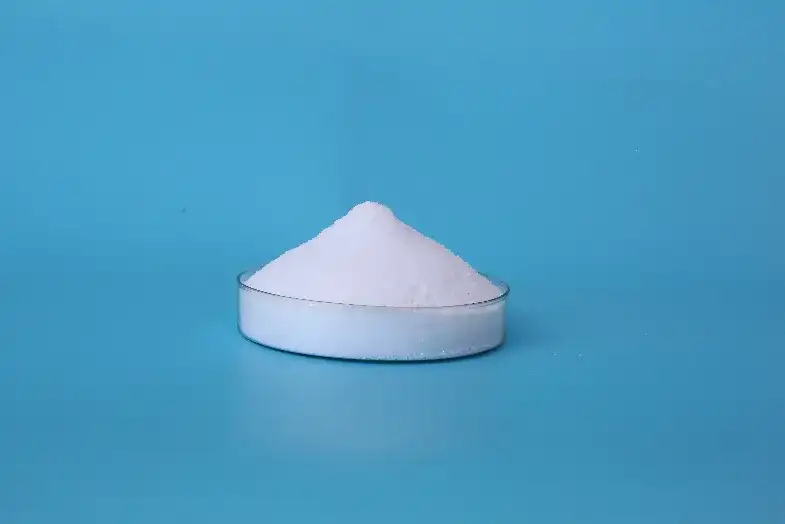
Anionic polyacrylamide is a copolymer of acrylamide and acrylate salts with molecular weights exceeding 30 million. When dissolved and injected into oil reservoirs, the polymer solution behaves differently than untreated water. The key mechanism involves viscosity modification. Plain injection water tends to finger through the most permeable pathways, leaving oil trapped in tighter zones. Anionic polyacrylamide water flooding addresses this by thickening the injected fluid, which reduces its tendency to race ahead through high-permeability channels.
The polymer solution pushes the oil bank more uniformly through reservoir pores. This improved sweep efficiency means fewer bypassed zones and a higher percentage of original oil in place reaching production wells. Conventional water flooding often recovers only 30-40% of oil in place, leaving substantial residual crude. Anionic polyacrylamide water flooding targets exactly this bypassed oil through better mobility control between the injected phase and the crude.
Strong adsorption characteristics help the polymer maintain its effectiveness as it travels through the formation. This property proves essential for preventing premature water breakthrough, a common problem that reduces recovery efficiency in mature fields. The approach represents a meaningful step forward in chemical enhanced oil recovery, particularly for reservoirs where simpler methods have already extracted the easy barrels.
Shandong Nuoer Biological Technology produces specialized anionic polyacrylamide formulations for these demanding applications, backed by annual production capacity of 500,000 tons.
Matching Polymer Properties to Reservoir Characteristics
Reservoir conditions vary enormously, and anionic polyacrylamide water flooding success depends heavily on selecting the right polymer formulation. Temperature, salinity, and permeability all influence which molecular weight and hydrolysis degree will perform best in a given field.
Higher molecular weight polymers generally deliver greater viscosity, improving mobility ratio control. But pushing molecular weight too high creates injectivity problems. The polymer solution becomes difficult to force into the formation at practical pressures. Finding the balance requires understanding both the reservoir and the polymer chemistry.
Hydrolysis degree affects charge density along the polymer chain. This property influences how the polymer behaves in saline environments. Higher charge density improves water solubility but can cause problems when divalent cations like calcium and magnesium are present in formation water. These ions can bridge between polymer chains, causing precipitation and lost effectiveness.
| Property | Low Salinity/Temperature | High Salinity/Temperature | High Permeability | Low Permeability |
|---|---|---|---|---|
| Molecular Weight | Moderate to High | High (with modifications) | High | Moderate |
| Degree of Hydrolysis | Moderate | Low to Moderate | Moderate | Low |
| Viscosity | High | Moderate (stable) | High | Controlled |
| Stability | Excellent | Good (with modifications) | Excellent | Good |
How does the molecular weight and degree of hydrolysis of anionic polyacrylamide impact its performance in different reservoir conditions?
Molecular weight directly controls viscosity. Higher molecular weight anionic polyacrylamide creates thicker solutions that improve oil displacement by reducing water mobility. The tradeoff appears in injectivity. Excessively high molecular weight polymers resist flow through formation pores, requiring higher injection pressures or causing formation damage.
Hydrolysis degree determines charge density, which affects both salinity tolerance and temperature stability. Optimized hydrolysis minimizes adsorption losses onto reservoir rock surfaces. It also prevents precipitation in high-salinity brines where divalent ions would otherwise cause polymer chains to aggregate and fall out of solution.
Planning and Executing Polymer Flooding Projects
Anionic polyacrylamide water flooding projects require careful preparation before the first barrel of polymer solution enters the ground. Reservoir characterization comes first. Understanding heterogeneity, permeability distribution, and fluid properties guides polymer selection and concentration decisions.
Polymer solution preparation demands attention to water quality and mixing procedures. The polymer must dissolve completely without forming gels or fish-eyes that would plug injection equipment or formation pores. Water used for mixing typically requires pre-treatment to remove suspended solids and reduce hardness. Divalent ions that seem harmless in plain water flooding can destroy polymer effectiveness.
Injection strategy matters as much as polymer selection. Rates, pressures, and well patterns must work together to achieve uniform sweep without degrading the polymer through excessive shear. Field experience shows that gradual increases in polymer concentration produce better results than starting at target concentration immediately. Monitoring injectivity throughout the project helps identify problems before they become serious.
Produced water analysis provides ongoing feedback on project performance. Tracking polymer concentration and oil cut in produced fluids reveals whether the polymer bank is moving as expected and whether additional oil is actually reaching production wells.
Operational Challenges and Practical Solutions
Polymer flooding projects face several recurring challenges that can undermine performance if not addressed proactively. Degradation represents the most common threat to anionic polyacrylamide water flooding success. The polymer can break down through mechanical shear in pumps and wellbore restrictions, thermal effects in hot reservoirs, or microbial activity that literally eats the polymer chains.
Shear-resistant polymer formulations help address mechanical degradation. These modified polymers maintain viscosity even after passing through high-shear zones. Thermal degradation requires selecting polymers engineered for elevated temperatures, often with modified backbone chemistry. Microbial degradation demands biocide programs that control bacterial populations in surface facilities and near-wellbore regions.
Injectivity problems often trace back to polymer solution quality rather than reservoir issues. Incomplete dissolution, gel particles, or bacterial slime can all plug formation pores. Proper filtration before injection prevents most of these problems. When reservoir heterogeneity causes preferential flow paths that reduce sweep efficiency, profile control agents can redirect polymer solution toward bypassed zones.
Environmental considerations increasingly influence project design. Produced water containing polymer residues requires treatment before disposal or reinjection. Research continues on more biodegradable polymer formulations that would reduce long-term environmental impact while maintaining performance.
What challenges are associated with implementing anionic polyacrylamide water flooding, and how can they be mitigated?
Shear degradation during injection reduces polymer viscosity and sweep efficiency. Using shear-stable polymer formulations and optimizing injection equipment minimizes this problem. Bacterial contamination breaks down polymer chains over time. Robust biocide programs control microbial populations in surface facilities and injection systems.
Formation damage from polymer solution particles reduces injectivity. Proper filtration before injection prevents most plugging issues. Reservoir heterogeneity can cause polymer to flow through high-permeability zones while bypassing tighter areas. Profile control agents redirect flow toward bypassed zones, improving overall sweep efficiency.
Economic Returns and Industry Direction
The financial case for anionic polyacrylamide water flooding rests on recovering oil that would otherwise remain in the ground. Mature fields facing decline can extend productive life significantly through polymer flooding. The additional barrels recovered typically justify chemical costs, particularly when crude prices support investment in enhanced recovery.
Recovery factor improvements of 5-15 percentage points above conventional water flooding are achievable in suitable reservoirs. For a field with 100 million barrels originally in place, this represents 5-15 million additional barrels of production. At current crude prices, the value easily exceeds polymer and operational costs.
Research continues on hybrid methods that combine anionic polyacrylamide with surfactants or nanoparticles. These approaches aim to address both mobility control and interfacial tension reduction simultaneously. Polymer chemistry advances are producing formulations with improved thermal stability and salt tolerance for reservoirs where current products struggle.
Simulation and data analytics increasingly guide polymer flooding optimization. Real-time monitoring combined with reservoir modeling allows operators to adjust injection strategies as projects progress, maximizing recovery from each barrel of polymer solution injected.
What are the primary benefits of using anionic polyacrylamide in water flooding for enhanced oil recovery?
Anionic polyacrylamide water flooding improves sweep efficiency by forcing injected water to contact a larger fraction of reservoir volume. This leads to more effective displacement of residual oil that conventional water flooding leaves behind. Recovery factors increase substantially compared to plain water injection.
Extended field life represents another significant benefit. Reservoirs that would otherwise face abandonment can continue producing for years or decades longer. The economic returns from additional production typically exceed the costs of polymer and modified operations.
Shandong Nuoer Biological Technology: Your Partner in EOR Solutions
Shandong Nuoer Biological Technology Co., Ltd., established in 2011, operates as a modern high-tech enterprise focused on polyacrylamide research, production, and technical support. Annual production capacity of 500,000 tons ensures reliable supply for large-scale projects. A global sales network serves clients in over 60 countries with localized support.
Customized polymer solutions address specific reservoir requirements, from standard anionic polyacrylamide water flooding applications to challenging high-temperature, high-salinity environments. Product lines include Anionic Polyacrylamide, Cationic Polyacrylamide Flocculant, and Nonionic Polyacrylamide Powder, along with advanced Polyacrylamide Emulsion formulations. Raw material production including Acrylamide Monomer Crystal and Acrylamide Aqueous Solution supports integrated manufacturing quality control.
Frequently Asked Questions About Anionic Polyacrylamide Water Flooding
What is the typical concentration range for anionic polyacrylamide in water flooding applications?
Concentrations typically range from 500 ppm to 2500 ppm, depending on reservoir characteristics and crude oil properties. The optimal concentration balances mobility control effectiveness against chemical costs. Laboratory studies and pilot tests determine the most effective concentration for specific field conditions before full-scale implementation.
How does water quality affect the performance of anionic polyacrylamide in EOR projects?
Water quality significantly influences anionic polyacrylamide water flooding performance. High salinity and hardness from divalent ions like calcium and magnesium can cause polymer precipitation and viscosity loss. Suspended solids plug formation pores and reduce injectivity. Most projects require water treatment including filtration and softening to maintain polymer stability and prevent formation damage.
Can anionic polyacrylamide be used in high-temperature or high-salinity reservoirs?
Standard anionic polyacrylamide formulations lose effectiveness in harsh conditions, but specialized variants address these challenges. Modified polymers with improved thermal stability maintain viscosity at elevated temperatures. Salt-tolerant formulations resist precipitation in high-salinity brines. Shandong Nuoer Biological Technology provides customized solutions for reservoirs where standard products would fail.
Partner with Shandong Nuoer for Advanced EOR Solutions
Maximizing recovery from mature oilfields requires polymer solutions matched to specific reservoir conditions. Shandong Nuoer Biological Technology combines production capacity, technical expertise, and global support to deliver results in anionic polyacrylamide water flooding projects worldwide. Contact our specialists for consultation tailored to your reservoir requirements. Phone: +86-532-66712876 | Email: en*****@***er.com


 English
 Russian
 Arabic
 Spanish