
When the wrong acrylamide monomer batch arrives at your production line, the result isn’t just a failed polymerization run. It’s hours of downtime, wasted auxiliaries, and a quality deviation that ripples through downstream operations. For manufacturers producing specialty polyacrylamides or copolymers, the monomer supply chain is not a commodity purchase. It is a performance dependency that demands technical scrutiny beyond a certificate of analysis. Acrylamide monomer selection affects molecular weight development, gel formation, residual monomer levels, and ultimately the functional value of the finished polymer. In this article, I draw on more than fifteen years of polyacrylamide and acrylic chemical production experience to examine the criteria that distinguish a reliable acrylamide monomer supply from a source of costly variation.
What Acrylamide Monomer Forms Deliver to the Reaction
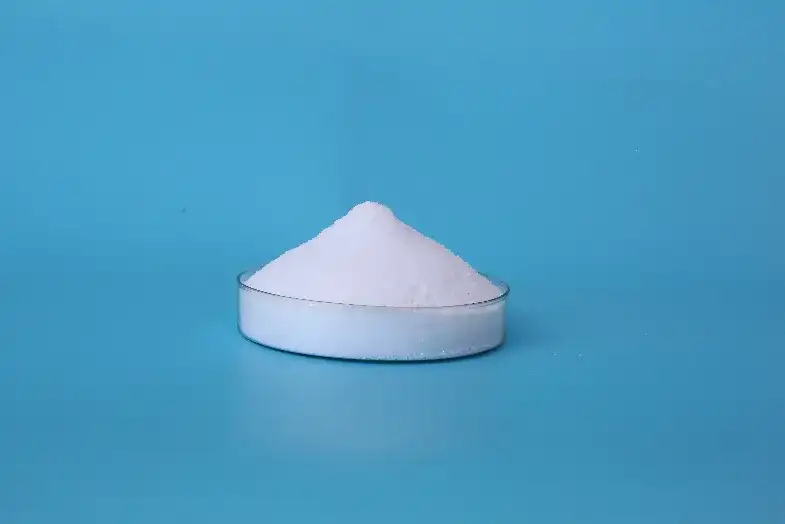
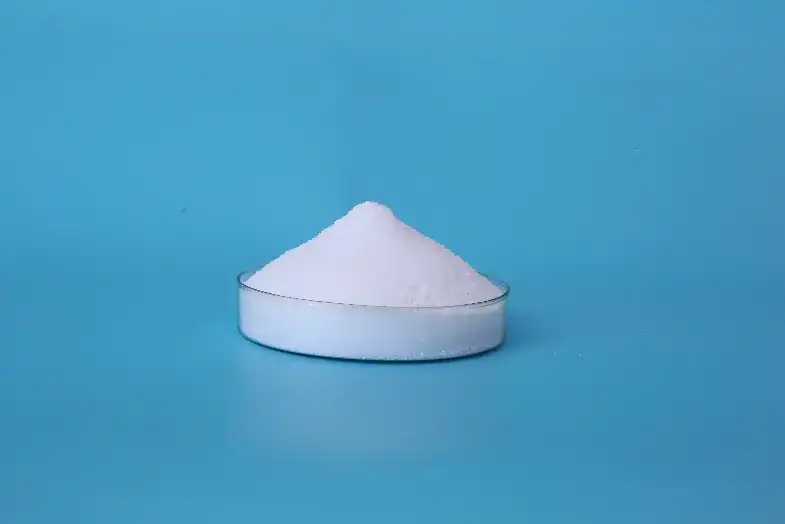
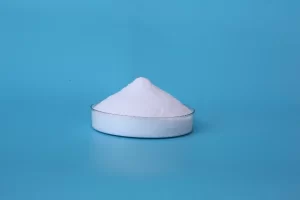
Acrylamide monomer reaches polymerization plants in two forms: white crystalline solid and aqueous solution. Both begin with the same microbial technology process that converts acrylonitrile to acrylamide, but the downstream processing and logistics create distinct operational profiles. The crystal form, supplied as high-purity flakes, typically arrives with purity of 98.0% minimum, moisture below 0.8%, conductivity no higher than 20 μS/cm, and iron content capped at 1 ×10⁻⁶. These numbers matter because each impurity contributes to chain transfer, radical consumption, or unwanted crosslinking during polymerization.
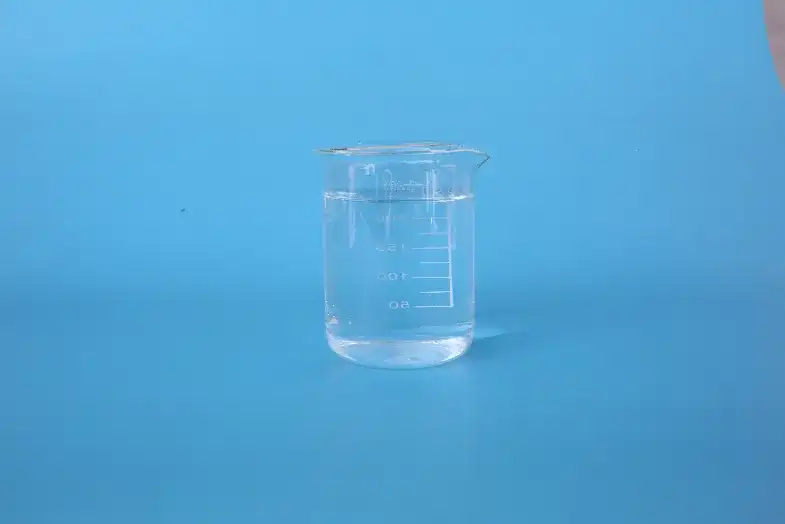
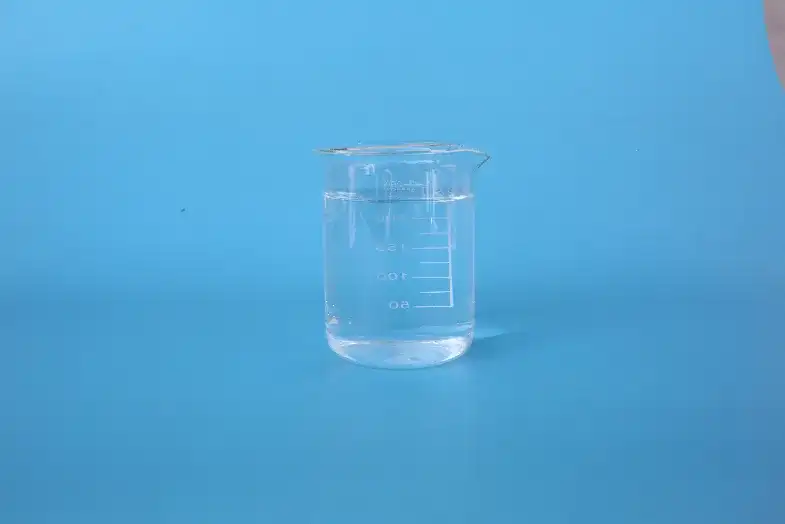
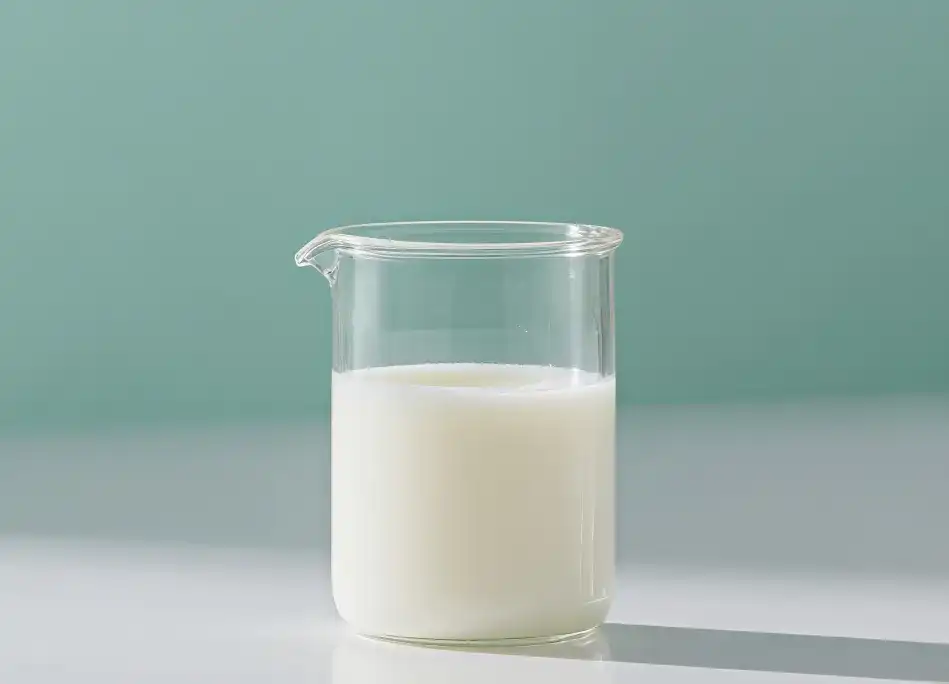
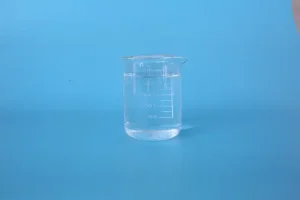
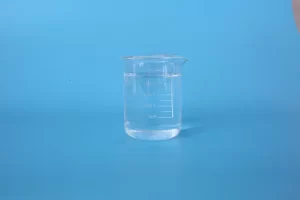
The aqueous solution, available in concentrations from 28–30% up to 48–52%, eliminates the dissolution step entirely. Its conductivity ranges from 5 to 30 μS/cm depending on grade, and the inhibitor content can be tailored from 0 to 100 ppm based on the polymerization protocol and transport conditions. We produce both forms, which means I have seen how a manufacturer’s choice often hinges on whether their reactor setup favors solid handling or liquid metering, not on a universal superiority of one form.
| Parameter | AM Crystal (flake) | AM Aqueous Solution (28–50%) |
|---|---|---|
| Acrylamide purity | ≥ 98.0% | As specified by concentration |
| Moisture | ≤ 0.8% | Not applicable |
| pH (10 g/L) | 6.5–7.5 | 7.0–9.0 |
| Conductivity (μS/cm) | ≤ 20 | 5–30 (grade dependent) |
| Inhibitor content | 3–10 ×10⁻⁶ | 0–100 ppm |
| Iron (Fe) | ≤ 1 ×10⁻⁶ | Not routinely specified |
| Residual acrylonitrile | Not typically listed | ≤ 0.1% |
What the table cannot show is the polymerization behavior difference. Crystal monomer requires dissolution time and temperature control. If the dissolution vessel isn’t purged with nitrogen, dissolved oxygen can prolong the induction period. Solution monomer eliminates that variable but demands refrigerated or cool, dark storage and has a shorter practical working window unless stabilized. For a specialty polymer manufacturer running multiple product grades, the decision often turns on whether the plant can justify the dissolution infrastructure for crystal or the cold storage logistics for solution.
How Impurity Profiles Shape Polymerization Control
A monomer purity specification is a starting point, not a guarantee of polymerization success. I have observed that two shipments both meeting the 98.0% purity mark can produce polymer with noticeably different molecular weight and solubility if the impurity distribution differs. The culprits are usually residual acrylonitrile, acrylic acid, and ionic species that elevate conductivity.
Residual acrylonitrile, even at parts-per-million levels, acts as a chain transfer agent during polymerization. It can prematurely terminate growing polymer chains, reducing molecular weight. For manufacturers targeting ultra-high molecular weight anionic polyacrylamide for enhanced oil recovery or high-performance flocculants, that small impurity can push the final product outside specification. Acrylic acid complicates copolymer formulation by introducing unintended anionic charges early in the reaction, altering the charge distribution of the finished polymer.
Conductivity is a quick proxy for ionic impurity load. A conductivity reading above 20 μS/cm often signals the presence of dissolved salts that can interfere with redox initiator systems, changing the radical flux and making molecular weight control less predictable. Iron content, even at 1 ×10⁻⁶, is a known catalyst for premature polymerization during storage and can initiate side reactions at elevated temperatures.
For a specialty polymer producer, the practical approach is to request not only the certificate of analysis but also a batch consistency history showing these trace impurities over multiple production campaigns. A supplier that consistently delivers conductivity below 15 μS/cm and acrylonitrile below 0.05% provides a predictable reaction environment. One that merely meets a one-time spec leaves the polymerization engineer guessing.
If your program involves producing polymers with strict molecular weight targets or low residual monomer requirements for food contact or potable water applications, it is worth confirming the full impurity profile and batch-to-batch stability data before finalizing your monomer source.
Supplier Reliability Beyond the Certificate of Analysis
Most acrylamide monomer procurement guides stop at the specification sheet. In practice, the spec sheet is the easiest promise to make. What separates a dependable monomer supply from a source of production risk is the manufacturing scale behind that sheet, the logistics infrastructure, and the technical support that extends beyond the point of sale.
A supplier operating a 300,000-ton annual acrylamide capacity, for example, can absorb regional demand fluctuations without allocating product across customers. That scale also means multiple production lines, which creates redundancy. If one line undergoes maintenance, shipments do not stop. From a specialty polymer manufacturer’s perspective, a consistent monomer flow is more valuable than a marginal price advantage that disappears when supply tightens.
We ship to more than 60 countries, and I have learned that global logistics capability is not a marketing phrase. It means the monomer arrives with inhibitor levels calculated for the actual transit time and climate, not a generic label. It means documentation meets import requirements in the destination country without delays. A supplier that cannot provide pre-shipment samples, detailed SDS in the local language, and a clear chain of custody is likely to create delays that outweigh their apparent cost advantage.
Technical support is another differentiator. A manufacturer producing specialty polymers for mining, papermaking, or water treatment often needs to adjust monomer grade when scaling from pilot to full production. The right supplier can advise on inhibitor removal methods, dissolution protocols for high-viscosity systems, or the compatibility of the monomer with specific initiator packages. Without that support, the polymer producer is left to experiment on production batches.
Storage, Handling, and the Real Shelf Life of Each Form
Acrylamide monomer safety and storage stability are understood in theory by every purchaser but respected in practice by fewer than should be. Crystal monomer is stable for one to two years when stored cool and dark. Exposure to temperatures above 30°C or to UV light initiates autopolymerization, which can proceed slowly until the container becomes a solid block of polyacrylamide. I have seen this happen in warehouses where air conditioning failed for a weekend. The cost of lost monomer and disposal compounds quickly.
Aqueous solution monomer is less forgiving. It requires storage at temperatures between 5°C and 25°C, away from any UV source. At concentrations above 40%, the risk of spontaneous polymerization increases with temperature, and the presence of dissolved oxygen does not provide complete protection if inhibitor levels are too low. For a plant using solution monomer in a continuous polymerization process, the practical working life once a container is opened is days, not weeks. Refrigeration is a necessary infrastructure cost that should be factored into the total monomer cost, not treated as an afterthought.
Crystal monomer, while more forgiving in storage, carries handling requirements of its own. The flakes are hygroscopic and must be kept dry. In humid coastal environments, opening a bulk bag without proper dehumidification can introduce moisture that affects weighing accuracy and initiates hydrolysis. Operators need full protective equipment, as acrylamide is neurotoxic in its monomer form. A plant that cannot enforce respiratory protection and glove protocols should reconsider whether the operational convenience of crystal outweighs the lower handling risk of a sealed solution line.
For either form, inhibitor monitoring should be part of incoming quality control. A simple spectrophotometric check of inhibitor concentration can prevent the scenario where a shipment with low inhibitor sits in a warm warehouse for weeks, forming gel nuclei that seed polymerization in the reactor.
Where Monomer Quality Meets the Polymerization Reactor
Acrylamide monomer does not polymerize alone. It enters a system of comonomers, initiators, chain transfer agents, and process conditions that amplify or suppress the effects of monomer quality. A monomer that performed perfectly in a low-temperature redox polymerization for a linear non-ionic polyacrylamide may cause gel specks in a high-temperature solution polymerization for an amphoteric copolymer because the thermal stability of the impurities differs.
Specialty polymer manufacturers often run multiple product grades on the same equipment. A monomer with tight conductivity control reduces the risk of cross-contamination between batches. When switching from a papermaking retention aid to an oilfield drag reducer, any ionic residue in the monomer feed line can alter the charge balance of the first batch. A monomer supplier that consistently delivers low and stable conductivity simplifies grade changeovers and reduces rinse cycles.
Polymerization initiation also depends on the inhibitor package. If a manufacturer uses a UV-initiated process, the inhibitor must be removable or present at a known, consistent level so that the initiation dose can be calculated precisely. Aqueous solution with adjustable inhibitor content offers an advantage here because the monomer can be supplied with no added inhibitor for UV systems, while crystal monomer’s inhibitor level is fixed post-production and must be removed by ion exchange or nitrogen sparging if interference occurs.
The practical lesson from years of troubleshooting polymer batches is that monomer variability shows up first in the most demanding product—the ultra-high molecular weight grade, the low-gel specification, the narrow molecular weight distribution copolymer. If the monomer meets those requirements, it will handle the standard products without issue. Test the monomer on the hardest target, not the easiest.
Aligning Monomer Procurement with Long-Term Production Strategy
A monomer purchase is not a transaction. It is a commitment to a polymerization partner whose consistency determines the company’s ability to meet customer specifications. The price per ton matters, but it should be the last criterion evaluated after quality, supply security, and technical support.
We see specialty polymer manufacturers succeed when they treat monomer selection as a process of matching supplier capabilities to the demands of their most critical products. A manufacturer producing super absorbent polymers for hygienic applications, where gel strength and absorption under pressure are paramount, needs monomer with iron content below 1 ×10⁻⁶ and acrylonitrile below 0.05%—numbers that not every producer can guarantee with every shipment. Another manufacturer supplying flocculants for mineral processing, where a slightly broader molecular weight distribution is acceptable, can tolerate slightly higher impurity levels but still needs predictable polymerization kinetics to meet dosage targets.
Shandong Nuoer Biological Technology Co., Ltd. has developed production capabilities across the acrylamide derivative chain, from acrylic acid to polyacrylamide to super absorbent polymer. This integrated approach means the acrylamide monomer we supply is produced within the same quality system that governs our own polymer production. We apply the same purity standards internally that we offer externally. If your program requires a monomer that performs reliably at scale, with the logistics support to maintain your production schedule, I encourage you to share your part number, target molecular weight range, and annual volume at en*****@***er.com or call +86-532-66712876. A detailed conversation about your polymerization process often reveals opportunities that a price quote alone cannot capture.
Common Questions About Acrylamide Monomer Selection
How do I decide between 40% and 50% acrylamide solution concentration?
The higher concentration saves transport volume and storage space but is more sensitive to temperature. 50% solution has a higher risk of crystallization at low temperatures (below 15°C) and spontaneous polymerization if inhibitor levels drop. 40% solution is more forgiving in storage and easier to meter, but you ship proportionally more water. If your plant is in a cold climate or lacks precise temperature-controlled storage, 40% is the safer choice. In hot climates with short logistics chains, 50% can work but require strict inhibitor monitoring on receipt.
What makes one acrylamide monomer shipment polymerize differently from another if purity is the same?
Purity alone does not reveal the trace contaminants that influence radical kinetics. Two batches at 98.0% purity can differ in acrylonitrile level by a factor of five, or in iron content by a factor of three. These traces affect initiation efficiency and chain transfer. Request conductivity, residual acrylonitrile, and iron content on every certificate of analysis, and compare across shipments, not just against specification limits.
Should I require the monomer supplier to provide an inhibitor removal procedure?
Not necessarily, but you should know the inhibitor type and level and verify that your initiator system can overcome it reliably. If you cannot, then request the supplier to provide the monomer without inhibitor, if available, or to share a proven removal method. For UV-initiated systems, inhibitor-free monomer is often preferable. For thermal initiation, the inhibitor may act as a useful processing aid that prevents pre-polymerization in feed lines.
What documentation signals a supplier with genuine quality infrastructure?
Look for a certificate of analysis that lists actual values, not just pass/fail, for each batch and includes the test method reference. Ask for batch-to-batch trend data for conductivity and residual acrylonitrile over at least the last ten shipments. A supplier that provides these willingly has nothing to hide. A supplier that only provides the bare C of A is managing paperwork, not quality.
How do I compare the true cost of crystal versus solution monomer for my plant?
Start with the monomer price per dry ton of acrylamide content. Add freight cost per ton, accounting for the water weight in solution. Add unloading, storage (refrigeration for solution, dry warehouse for crystal), and handling labor. For crystal, include dissolution equipment, nitrogen purge infrastructure, and the energy cost of dissolution heating. For solution, include the cost of inhibitor monitoring and the risk of shorter shelf life. Factor in the yield impact: any rejected batch from monomer variability costs far more than the price difference per ton. A detailed total cost model will reveal which form is genuinely more economical for your specific operation. If you would like a comparative framework tailored to your plant’s location and product slate, share your requirements at en*****@***er.com and we can confirm the numbers together.
If you’re interested, check out these related articles:
Amphoteric vs Cationic Polyacrylamide Performance Unveiled
Leading Acrylamide Aqueous Solution Manufacturers: Global Supply & Quality
Mining Polyacrylamide: Emulsion or Powder for Optimal Separation


 English
 Russian
 Arabic
 Spanish