
Acrylamide aqueous solution is the most practical monomer feed for large-volume polyacrylamide (PAM) production lines. Most PAM manufacturers eventually face a choice: invest in on-site crystal dissolution infrastructure, or integrate a reliable aqueous solution supply. After fifteen years overseeing polymer operations across global markets, I’ve seen both routes. The data consistently favor solution when throughput exceeds a few hundred tons per month—not because crystals are inferior, but because the logistics of dissolving, quality control, and downtime stack up. This article walks through the key decision points, quality parameters, and handling practices that separate a smooth operation from a bottlenecked one.
What Concentrations Are Available and Which Fits Your Process
Acrylamide aqueous solution typically ships at three concentration tiers: 28–30%, 38–42%, and 48–52%, with custom formulations available for large programs. The concentration you choose directly influences polymerization kinetics, reactor throughput, and final product consistency.
Lower concentrations around 30% offer easier handling and lower risk of crystallization during storage, which suits batch processes or facilities in cooler climates. Mid-range solutions near 40% balance monomer delivery with manageable viscosity, a sweet spot I’ve recommended to several PAM plants aiming for rapid dissolution without excessive heating. High-concentration grades above 48% reduce freight volume per ton of active monomer but demand tighter temperature control and faster consumption turnaround to prevent polymerization in the storage system.
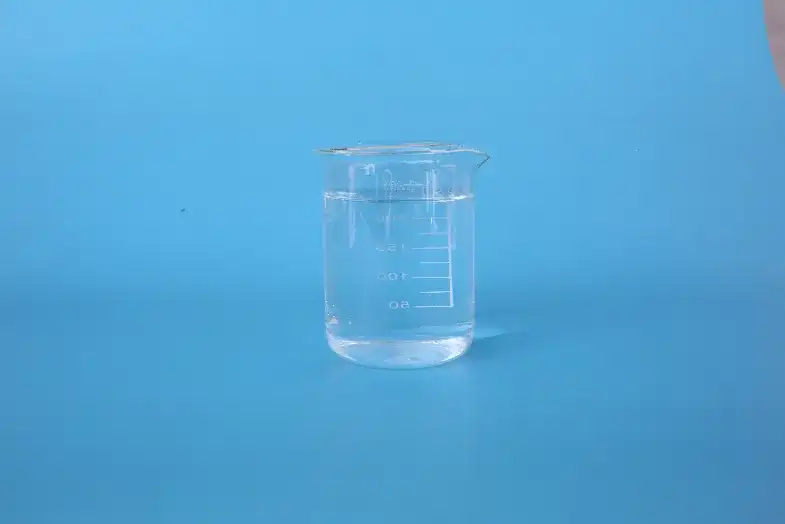
The critical variable is not purity alone but the consistency of the inhibitor level. Our production data shows that inhibitor variation between shipments can shift induction time by a measurable margin, throwing off a tightly tuned continuous polymerization line. For that reason, we document inhibitor content per batch and ship within a narrow ppm window when the customer’s process demands it.
How Does Solution Quality Affect Polymerization Outcomes
Three parameters dominate quality: residual acrylonitrile, acrylic acid content, and conductivity. Our AM aqueous solution specification limits acrylonitrile at or below 0.1% and acrylic acid at or below 0.3%. These may read like minor numbers, but at industrial scale the cumulative effect on polymer linearity and molecular weight distribution is real.
Conductivity serves as a practical aggregate indicator. A solution with conductivity below 20 μS/cm generally reflects a clean monomer stream, while readings above 30 μS/cm often point to carryover impurities that can interfere with initiator efficiency. I’ve watched plants chase reactor upsets for days before tracing the root cause back to a single batch of high-conductivity monomer. The lesson stuck: test conductivity at receipt, not after the supply contract is signed.
Color specification, kept under 20 APHA in our product, acts as a visual barometer of oxidation history. A darker solution signals thermal or oxidative degradation during transport or storage, which may already be affecting polymerization behavior before the QC lab runs its full panel.
When Does an Aqueous Solution Beat Crystal Monomer
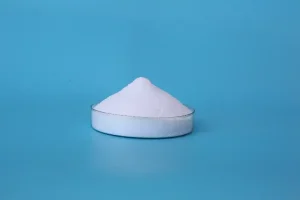
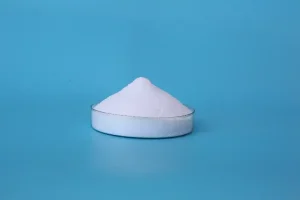
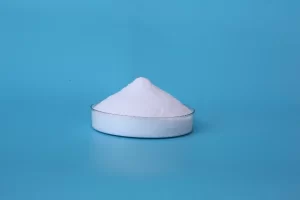
Acrylamide crystal, with its purity above 98% and shelf life of one to two years under proper conditions, remains the monomer form of choice for small-volume specialty synthesis, research labs, and operations with irregular demand. Crystal offers long storage windows and minimal freight sensitivity. But crystal also requires dedicated dissolution equipment, precise temperature control during dissolution, and additional labor, all of which add cost and risk when tonnage scales up.
Aqueous solution eliminates that infrastructure. It arrives ready to meter directly into the reactor, cutting dissolution downtime and reducing operator exposure to dust. For continuous polymerization lines running 24 hours, that reliability translates to more campaigns per year. I’ve seen a mid-capacity plant switch from crystal to solution and gain roughly two extra operating days per month after factoring in the eliminated dissolution and cleaning cycles.
The trade-off is shelf life. Aqueous solution, depending on inhibitor loading and storage temperature, needs to be consumed within a tighter window, typically measured in weeks to a few months. That makes it a good match for steady, predictable production schedules, not intermittent batch campaigns that may pause for weeks.
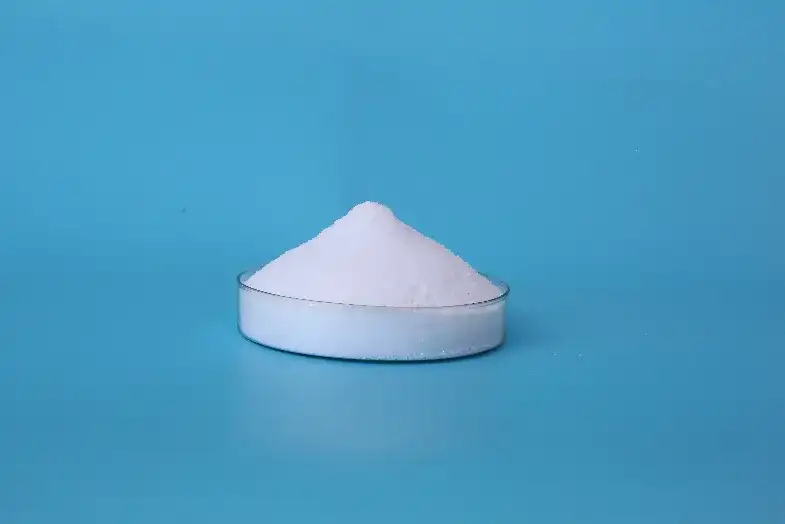
A useful heuristic: if your monthly acrylamide consumption exceeds 50 tons of active monomer, the logistics advantage of solution begins to outweigh the flexibility loss. Below that threshold, crystal may still be the simpler inventory choice.
How Should You Store, Handle, and Safely Manage the Solution
Temperature control is the dominant factor. Our product ships with inhibitor levels designed to prevent premature polymerization at standard transit and storage temperatures up to 25°C. Sustained exposure above 30°C, however, can consume the inhibitor and trigger slow, runaway viscosity increase. Storage should be in a shaded, ventilated area, away from heat sources and direct sunlight.
The material should be used within the recommended shelf period once opened. For facilities ordering tanker volumes, recirculation loops must be carefully designed to avoid dead spots where stagnant monomer can heat and start polymerizing, an expensive lesson that usually gets learned only once. Weekly conductivity checks and visual inspection for haze or viscosity change provide early warning of storage nearing its limit.
Spill containment follows standard protocols for acrylamide solutions. Secondary containment for bulk tanks is expected, and personnel handling the solution should wear chemical-resistant gloves and eye protection. While the solution is less hazardous to handle than dry crystal dust, which poses inhalation risks, the same skin absorption precautions apply. Safety data sheets specific to the concentration in use are non-negotiable on site.
What Cost Factors Matter Beyond the Per-Ton Price
Freight, yield, and operating consistency determine total monomer cost more than the invoice price alone. Aqueous solution carries water weight, so landed cost per ton of active monomer increases with shipping distance. For regional supply within a few hundred kilometers, the freight penalty is modest. For intercontinental shipments, it can change the arithmetic significantly, which is why many large PAM producers either co-locate with an acrylamide supplier or contract dedicated logistics.
Yield efficiency is the hidden leverage point. Crystal dissolution losses, undissolved fines, and cleaning waste can silently erode 1–2% of monomer input. Solution feeding eliminates those losses entirely. Across a 20,000-ton annual output, reclaiming even one percentage point of yield improvement more than covers the freight differential.
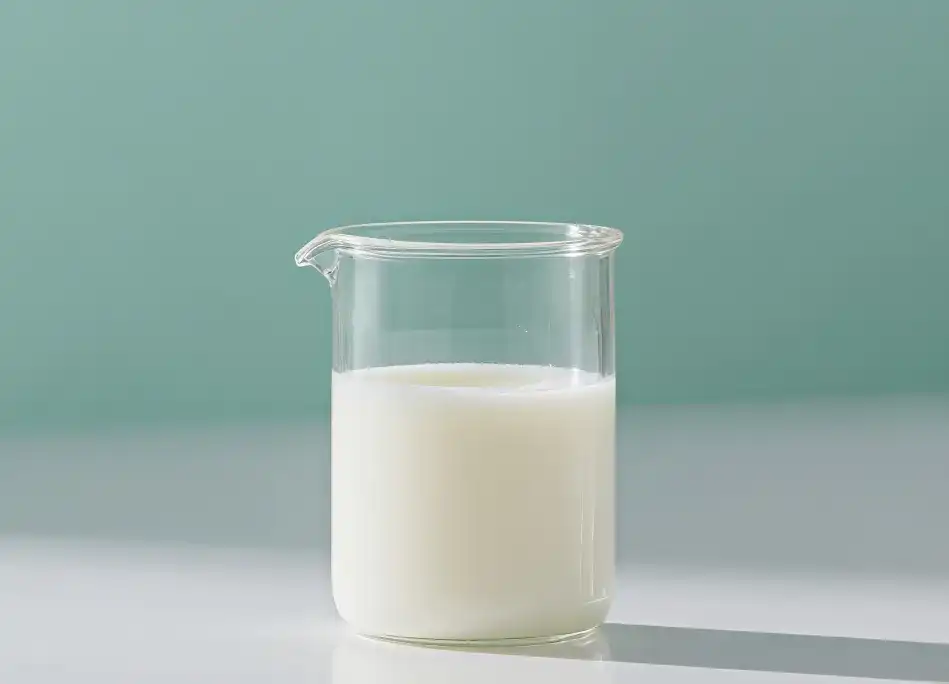
Then there is the cost of a bad batch. A single contamination event in a continuous polymerization line can scrap hours of output, and the investigation time, reactor cleaning, and restart losses pile up quickly. A consistent monomer supply with documented batch-to-batch quality reduces that risk to a manageable variable. In the plants our team works with, the switch to a qualified solution supply often follows a painful event rather than a spreadsheet exercise, but the financial case becomes obvious in hindsight.
Common Questions About Acrylamide Aqueous Solution for PAM Production
What is the shelf life of acrylamide aqueous solution under standard storage?
Shelf life depends on concentration, inhibitor loading, and storage temperature. At 25°C with the standard inhibitor package, most 40% solutions remain stable for several months. Higher-concentration grades above 48% typically require faster turnover, often within one to two months, because the polymerization risk climbs with monomer density. In our experience, weekly monitoring of appearance and viscosity provides the practical shelf-life signal that spec sheets cannot fully capture.
Can I switch between solution and crystal supply without modifying my process?
Switching from crystal to solution usually means removing the dissolution stage, which simplifies the flow sheet but may require pump resizing, because solution volume is higher per ton of active monomer. Going the other direction adds back dissolution equipment and operator hours. If your process runs continuously, the equipment change is manageable. If you plan to alternate between sources depending on price or availability, we recommend dedicating a parallel feed line rather than reconfiguring a single line repeatedly.
Does acrylamide solution purity ever drift between shipments from the same supplier?
Short-term drift is minimal in a well-controlled production line. Over longer periods, raw material source changes or seasonal temperature shifts in transit can cause minor fluctuations in inhibitor consumption or slight color shifts. Our facility addresses this by holding inhibitor content within a narrow customer-specific band and conducting batch-level testing before dispatch. If your polymerization line runs a tight tolerance on induction time, share that specification with your supplier so the inhibitor level gets locked into the supply agreement.
How do I verify the solution has not begun polymerizing during transport?
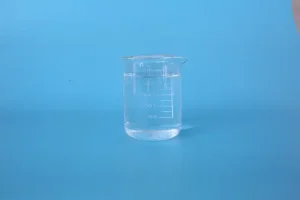
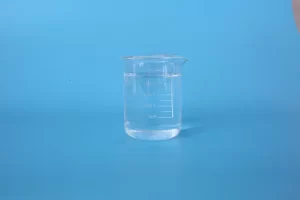
At receipt, pull a sample. Pour it into a clean glass beaker. Look for haze or increased viscosity compared to the expected appearance. A simple conductivity check against the certificate of analysis flags major ionic changes, and a quick pH measurement can reveal drift. If any of these observations deviate, quarantine the batch and quarantine the tank until the lab confirms inhibitor effectiveness and monomer content.
Is regional proximity a dealbreaker for choosing aqueous solution over crystal?
Proximity tightens the delivered cost advantage but is not an absolute gate. Some producers import solution across ocean routes using stainless steel iso-tank containers with temperature data loggers, and the product arrives inside specification. The decision hinges more on total landed cost per ton of active monomer, factoring in your internal yield loss from dissolution waste versus the freight premium. For any operation consuming monomer steadily, if the yield savings from solution switching can offset the logistics difference, geography stops being the deciding factor. If you need to test that calculation for your specific production scale and location, send your monthly monomer volume and desired concentration to en*****@***er.com or call +86-532-66712876 to get a tailored landed-cost comparison.
If you’re interested, check out these related articles:
Selecting Super Absorbent Polymer Particle Size for Optimal Use
Super Absorbent Polymer Innovations for Ultra-Thin Diapers
SAP Particle Size: A Guide to Optimal Selection for Performance
Cationic Polyacrylamide Performance Testing: A Technical Guide


 English
 Russian
 Arabic
 Spanish