
The push for thinner diapers that still perform well has reshaped how the hygiene industry thinks about absorbent materials. Parents want products that feel almost invisible under clothing, yet can handle overnight use without leaks or discomfort. This tension between slim profiles and high absorbency has made Super Absorbent Polymers the focal point of product development. Getting the polymer chemistry right determines whether a diaper succeeds in the market or falls short of consumer expectations.
Why Diaper Design Now Depends on SAP Performance
The global demand for thinner, more absorbent diapers is driving significant innovation in SAP technology, directly impacting consumer preference and market share. Diaper innovation trends prioritize both thin diaper comfort and exceptional absorbency rate. Consumers increasingly demand hygiene products that are discreet, effective, and gentle on sensitive skin. This evolution in baby care product design necessitates Super Absorbent Polymers capable of managing larger fluid volumes within a reduced diaper thickness. Achieving this balance requires sophisticated polymer chemistry and manufacturing precision. The ability to deliver superior absorbency while maintaining a slim profile is paramount for market leadership.
What Makes a Super Absorbent Polymer Work in Ultra-Thin Diapers
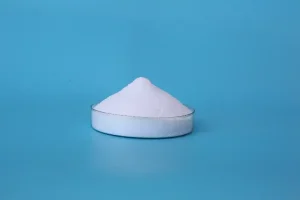
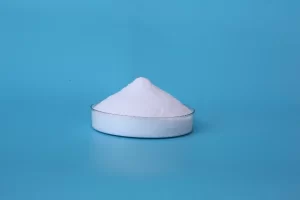
High-performance diaper-grade Super Absorbent Polymers are essential for preventing leakage and maintaining skin dryness in ultra-thin designs. Specific SAP properties, such as high absorption capacity under pressure and a rapid absorption rate, are critical. We offer various Super Absorbent Polymer Supplier Wholesale types, including General Purpose Super Absorbent Polymer(MODEL: SAP NR860), High Permeability Super Absorbent Polymer(MODEL: SAP NR-760K), and Balanced Performance Super Absorbent Polymer(MODEL: SAP NR-760H), each designed for specific performance attributes. These polymers are cross-linked to form hydrogels that retain water even under pressure.
| Property | SAP NR-760K (High Permeability) | SAP NR-760H (Balanced Performance) | SAP NR-611 (Ultra High CRC) |
|---|---|---|---|
| Absorption Rate | Fast | Fast | Moderate |
| Pure Water Absorption | High | Good | Very High |
| Absorption Under Pressure | Good | Good | Excellent |
| Liquid Permeability | Excellent | Good | Moderate |
| Long-Term Reverse Osmosis | Low | Low | Low |
How Particle Size Shapes Absorption Behavior
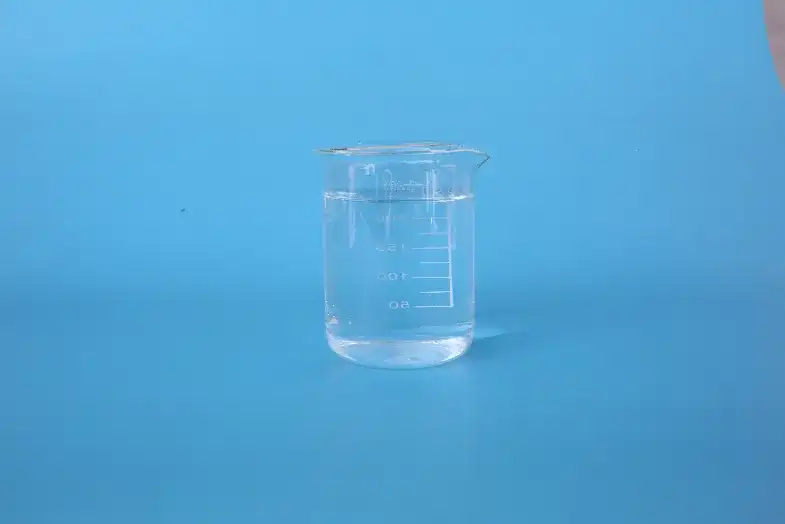
Precise particle size distribution in Super Absorbent Polymers is crucial for maximizing surface area for absorption while preventing gel blocking in ultra-thin layers. The ideal SAP particle size for ultra-thin diapers ensures optimal liquid management within the diaper core. This optimization directly contributes to diaper absorption efficiency and overall performance. A carefully controlled particle size enhances both initial absorption speed and total retention capacity. Smaller particles absorb faster because they expose more surface area to incoming liquid. But if particles are too fine, they swell rapidly and can seal off pathways before fluid reaches the full core depth.
Solving the Gel Blocking Problem
Gel blocking significantly affects diaper performance by hindering liquid distribution and reducing overall absorbency. When swollen polymer particles clump together, they form a barrier that stops liquid from penetrating deeper into the absorbent core. Novel SAP structures and surface treatments are developed to minimize this phenomenon. These advanced solutions ensure sustained absorbency even under high pressure, improving diaper rewet performance. Our Ultra High Absorbency SAP(MODEL: SAP NR-611) is engineered to mitigate gel blocking effectively, maintaining high centrifugal water retention capacity.
Production Scale and Quality Standards Behind Reliable SAP Supply
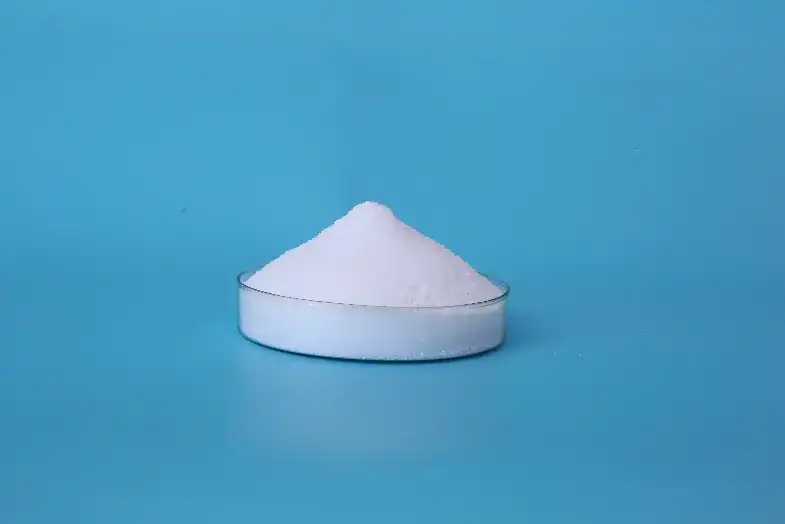
Shandong Nuoer’s commitment to stringent quality control and advanced manufacturing processes ensures consistent, high-performance Super Absorbent Polymers for the global hygiene market. Our production includes Glacial Acrylic Acid and Acrylamide Monomer Crystal as primary raw materials. We maintain rigorous safety standards throughout the manufacturing process, from raw material sourcing for SAP to final product delivery. Our annual production capacity includes 560,000 tons of superabsorbent resin, demonstrating our scale and reliability in the global SAP market. This operational strength allows us to meet diverse customer requirements with precision and efficiency.
Continuous improvement in manufacturing processes ensures every batch of SAP meets the highest quality benchmarks. This dedication underpins our reputation as a trusted supplier in the hygiene industry. For further insights into our operational capabilities, consider exploring Nuoer at 25th China International Petroleum & Petrochemical Technology Exhibition.
Where Bio-Based and Biodegradable SAPs Fit In
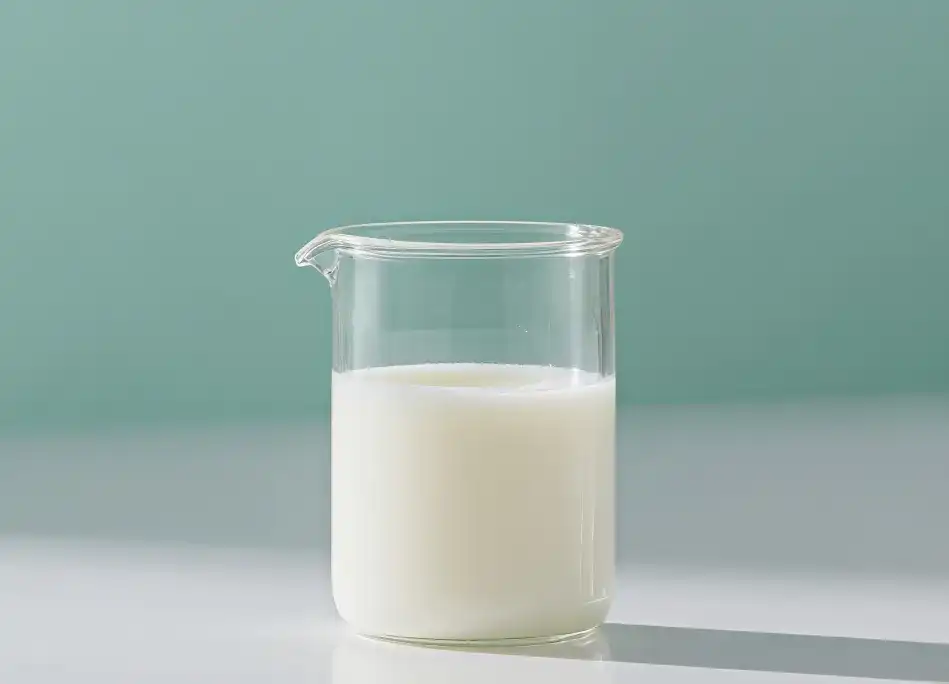
The development of bio-based and biodegradable Super Absorbent Polymers represents a significant step towards more sustainable diaper solutions, meeting environmental and consumer expectations. This industry trend is driven by increasing awareness of the environmental impact of diapers. We are actively exploring eco-friendly super absorbent polymers to support the transition to more sustainable hygiene products. This includes research into pulp-free diaper technology, aiming to reduce reliance on traditional cellulose fibers.
Progress on Renewable Feedstock Polymers
Research into starch-based and cellulose-based Super Absorbent Polymers offers promising avenues for reducing the environmental footprint of disposable diapers. These technical innovations align with green chemistry polymers principles, seeking to develop compostable diapers. Our efforts focus on creating bio-based SAP options that maintain high performance while minimizing ecological impact. The challenge remains balancing biodegradability with the absorption and retention properties that consumers expect. Early formulations show promise, though matching the performance of conventional SAPs requires further refinement.
Frequently Asked Questions
What is the ideal SAP particle size for ultra-thin diapers?
The ideal SAP particle size for ultra-thin diapers is meticulously controlled to balance rapid absorption with efficient liquid distribution. Smaller, more uniform particles maximize surface area, allowing for faster absorption. Excessively fine particles can lead to gel blocking, impeding fluid flow. An optimized particle size distribution is crucial for maintaining both thinness and absorbency.
How does SAP gel blocking affect diaper performance?
SAP gel blocking occurs when hydrated polymer particles swell and form an impermeable barrier, preventing further liquid penetration into the diaper core. This phenomenon reduces the effective absorption capacity and can lead to leakage and increased rewet. Advanced SAP formulations and surface treatments are designed to mitigate gel blocking, ensuring consistent and reliable performance.
Are there eco-friendly super absorbent polymers suitable for diapers?
Yes, the industry is actively developing eco-friendly super absorbent polymers suitable for diapers. These include bio-based SAPs derived from renewable resources like starch or cellulose, and biodegradable options. While still evolving, these innovations aim to reduce the environmental impact of disposable hygiene products without compromising performance.
Partner with Shandong Nuoer for Advanced SAP Solutions
Shandong Nuoer Biological Technology Co., Ltd. is a modern high-tech enterprise committed to manufacturing perfect products and building a global leading brand. We invite you to partner with us for your SAP needs, leveraging our expertise and extensive production capabilities. Contact us today to discuss how our innovative solutions can enhance your products.
Email: en*****@***er.com
Phone: +86-532-66712876


 English
 Russian
 Arabic
 Spanish