
Acrylamide crystal is more than a commodity monomer when it enters specialty chemical synthesis. A 98 percent purity figure tells a buyer almost nothing about whether the lot will behave the same way as the previous one. The parameters that shape polymerization control are iron, conductivity, moisture, inhibitor concentration, and dissolution consistency. In production planning work, I have seen good nominal purity produce poor batch repeatability when one of those secondary parameters drifted. Specifying from the start for impurity limits and storage behavior is the more dependable path.
Acrylamide Crystal Purity and Specialty Synthesis Outcomes
Specialty synthesis demands more than a clean certificate of analysis. A high level purity value can remain unchanged while a small change in iron or conductivity alters initiation, chain extension, or final molecular weight. For acrylic and polyacrylamide copolymers, iron at the upper specification edge can interfere with redox initiation. The exotherm then arrives later or the viscosity curve shifts, even though the monomer still passes its headline purity test. That is why our production planning treats purity as a floor, not as a full specification. We have seen one lot with iron at the upper limit move the polymerization exotherm late enough to require a rerun, and the root cause was not visible from the nominal assay alone.
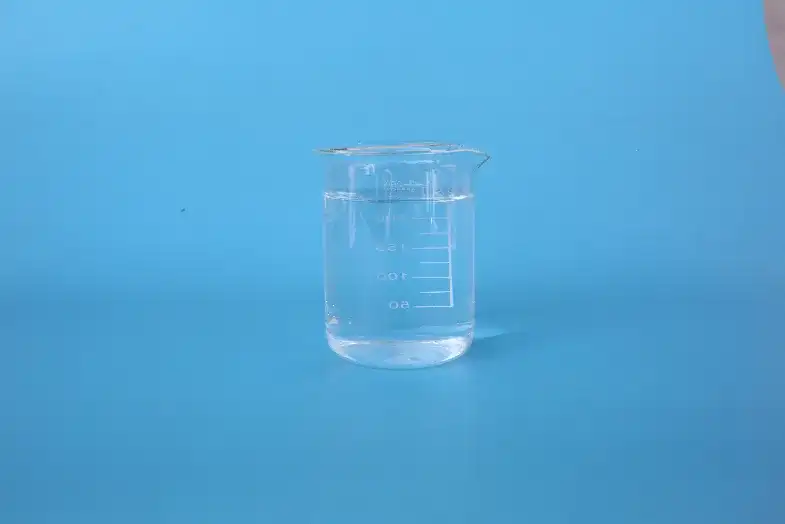
When I review a specialty synthesis process, I ask first whether the monomer specification includes conductivity, moisture, and inhibitor range, not only purity. Without those numbers, the buyer cannot compare two lots from different plants or even two campaigns from the same plant. Acrylamide crystal with a microbial manufacturing route has a lower impurity load than many conventional routes, but the buyer must confirm the supporting values for each shipment.
Quality Parameters That Determine Polymerization Behavior
The most useful specification for specialty synthesis is a narrow set of parameters that can be verified before the monomer enters the reactor. The table below shows the key values for one high purity acrylamide crystal grade.
| Parameter | Specification | What it affects in specialty synthesis |
|---|---|---|
| Purity | ≥98.0 percent | Monomer consistency and side reaction risk |
| Moisture | ≤0.8 percent | Weighing accuracy and storage stability |
| Conductivity | ≤20 μS/cm | Ionic contamination and process drift |
| Iron | ≤1 ×10⁻⁶ | Redox interference and final color |
| pH (10 g/L) | 6.5 to 7.5 | Polymerization rate control |
| Inhibitor | 3 to 10 ×10⁻⁶ | Safe storage vs startup time |
These values interact. A low conductivity reading does not remove the need to check iron, because conductivity reflects total ionic content while iron affects initiation specifically. A high inhibitor level can stabilize storage but may require a longer induction period before polymerization begins. In specialty synthesis that operates on narrow process windows, this trade-off should be settled before scale-up rather than discovered in the first production lot.
What impurity has the fastest effect on polymerization?
Iron acts fastest in many redox initiated systems. It competes with the intended redox pair, changes radical formation timing, and can produce a broader molecular weight distribution before the operator sees any temperature alarm. Conductivity is slower and more general. It points to residual salts that change ionic strength, which matters when the specialty polymer itself is charged or when the final application is sensitive to ash content.
Dissolution and Form Decisions in Batch Production
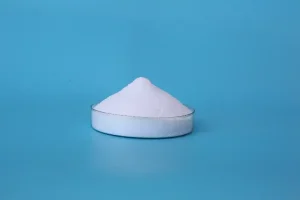
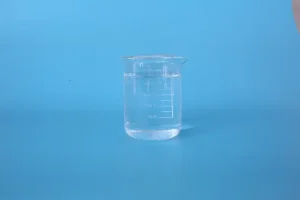
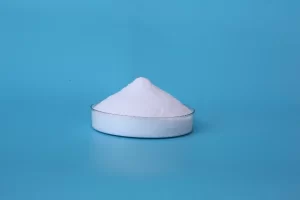
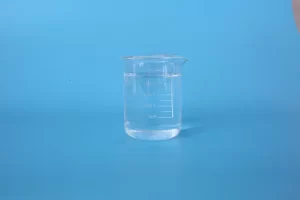
Acrylamide crystal dissolves in water, acetone, and ethanol, but dissolution speed in a production vessel depends on particle surface area, agitation, and temperature. In batch work, the crystal form is usually preferred when the goal is precise dry-weight formulation and a stable monomer inventory. An aqueous solution can reduce handling time, but it also brings a water payload and may have a narrower storage envelope. The decision is not about quality alone; it is about which form creates fewer deviations in the target reaction mass.
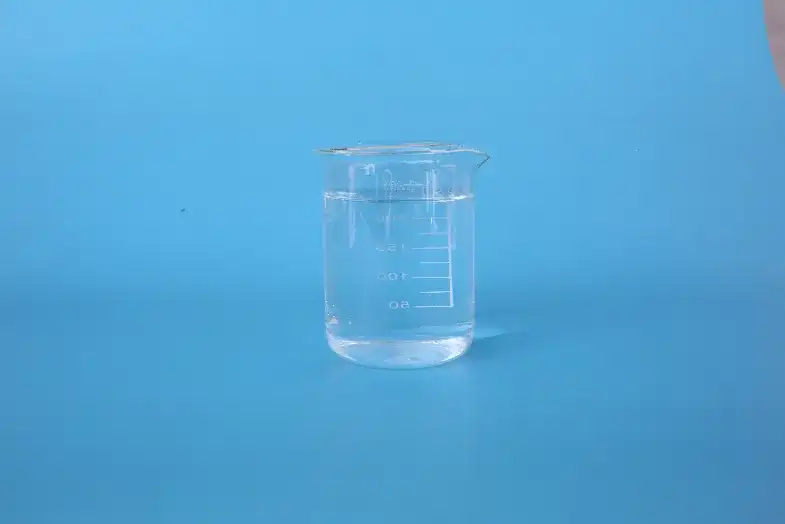
In process design for specialty polyacrylamide, we have seen dissolution time become a hidden bottleneck when operators used the same agitation setting for a new crystal lot with different flake thickness. The monomer did not fully clear at the expected time, the initiator was added on schedule anyway, and the first viscosity reading came in outside control limits. The fix was to standardize dissolution end point verification before initiator addition. That operating rule matters as much as the product specification.
Crystal or aqueous solution: which fits small batch specialty production?
Crystal form usually fits small batch production when the buyer wants maximum formulation control and inventory stability. Aqueous solution fits continuous or frequent turnaround lines where the plant can accept the water fraction and has cold dark storage. If a specialty polymer needs very low residual electrolyte, checking the solution conductivity specification before choosing the liquid form is the more important step than comparing price.
Storage and Handling That Protect Specialty Monomer Stability
Acrylamide crystal is stable when stored cool, dark, and dry, with a typical shelf life of one to two years under proper conditions. Heat and ultraviolet light accelerate decomposition and can change inhibitor behavior. Moisture pickup changes the weighed monomer content from lot to lot and can create a systematic recipe error that is difficult to detect after the fact. Our production teams treat the warehouse as part of the specification, not as a separate logistics topic. When a specialty synthesis campaign moves from pilot to full scale, we confirm storage conditions before finalizing the monomer grade.
If your plant operates in a region with seasonal temperature swings or high humidity, it is worth confirming the inhibitor range and moisture limit before you fix the monomer specification. Send your operating conditions to en*****@***er.com, and our technical team will check which grade fits the storage profile.
Sourcing Acrylamide Crystal Without Batch to Batch Drift
Batch to batch drift often starts outside the polymer plant. It begins with the supplier’s raw material control, purification consistency, and handling before shipment. A producer running a large acrylamide platform with a microbial process can hold a more consistent impurity profile than a route that relies on variable raw material quality. Shandong Nuoer Biological Technology produces acrylamide at an annual capacity of 300,000 tons and supplies more than 60 countries, but volume alone is not a qualification. The qualification is whether every shipment carries the same supporting data.
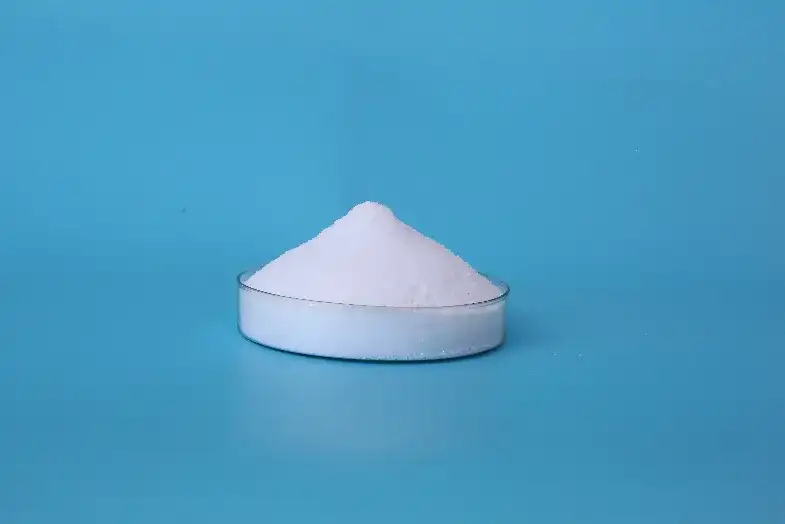
The fastest way to avoid batch to batch drift is to define the full specification before the first trial order. Send your target purity, iron and conductivity limits, monthly volume, and destination port to en*****@***er.com or call +86-532-66712876. Our technical team will return a specification sheet and a handling recommendation for your process. This is a more direct route than comparing certificates of analysis without knowing which parameter caused the last production deviation.
Common Questions About Acrylamide Crystal for Specialty Synthesis
What purity level is enough for specialty acrylamide synthesis?
For most specialty polymer grades, a minimum purity of 98.0 percent is a reasonable starting point, but it is not a complete specification. The reason is that purity does not identify the remaining fraction. A lot with iron near the upper end can still pass the assay while changing radical formation and final molecular weight. A better approach is to set purity, conductivity, moisture, iron, pH, and inhibitor range together before ordering. That set of values predicts process behavior better than a single assay number ever can.
Does acrylamide crystal handle differently from aqueous solution in small batch work?
A common assumption is that crystal and aqueous solution become identical once the monomer dissolves. They do not. Crystal form gives the operator full control over dry weight and avoids the water fraction, which matters when a formulation is sensitive to total water. The aqueous solution can reduce preparation time but adds a stored water payload and may require tighter temperature control. Small batch work with frequent formula changes usually favors crystal form because each weighment can be verified back to dry monomer content.
How long can we store acrylamide crystal before a batch must be retested?
It depends on whether the storage stays cool, dark, and dry. Under those conditions, a high purity acrylamide crystal can remain usable for one to two years, but the practical rule is to retest moisture and inhibitor levels if the package has been opened or if temperature or humidity control has been interrupted. Moisture pickup changes the real monomer content in a formula. The safest position is to treat every long-stored or partially used container as a new lot and confirm the key values before it enters the reactor.
What supplier details matter beyond the certificate of analysis?
In sourcing reviews I have learned to look at three things behind the certificate. First, the purification route, because microbial production tends to keep iron and conductivity low. Second, the consistency of supporting data, because a single clean certificate does not predict the next shipment. Third, the supplier’s production scale and ability to hold the same grade for a long campaign. If a plant depends on a specialty monomer for repeatable molecular weight, those three factors often explain more variation than the COA headline. Send your purity and storage conditions and we will confirm which grade and inhibitor range fit your process.
If you’re interested, check out these related articles:
SAP Factory for Baby Diaper Production: Strategic Implementation Guide
Super Absorbent Polymer Innovations for Ultra-Thin Diapers
The “Nuoer Biology Scholarship” Donation Ceremony at China University of Petroleum was held in Qingdao.
Anionic Polyacrylamide: Advancing Enhanced Oil Recovery Strategies
Leading Acrylamide Aqueous Solution Manufacturers: Global Supply & Quality


 English
 Russian
 Arabic
 Spanish