
Non-ionic PAM for paper mills often gets treated as a commodity, and that is where retention programs go wrong. Paper machines vary too much in filler loading, white water conductivity, pH, and drainage limits for a single grade to work everywhere. I have seen mills raise dosage repeatedly on a mismatched non-ionic polyacrylamide and still lose fines to the saveall while drainage slows. The sections below work through grade selection first, then dosage, so the polymer matches the furnish before a mill spends money chasing retention targets.
How Does Non-Ionic PAM Hold Retention Without Charge Interference?
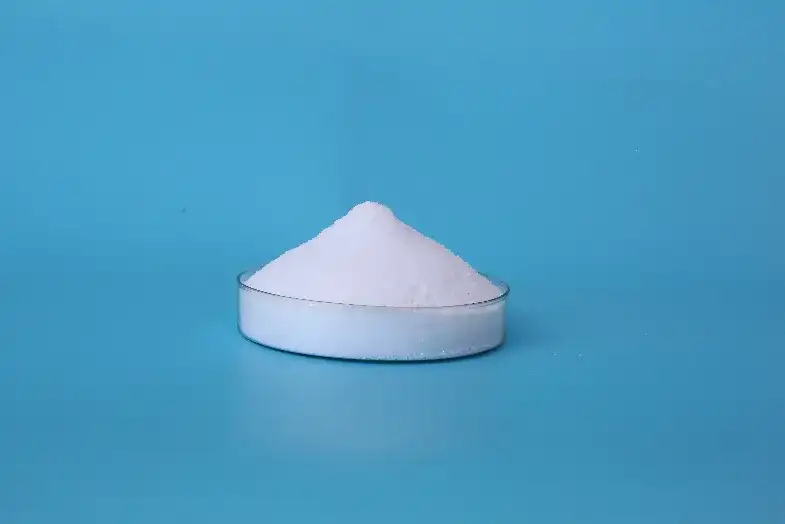
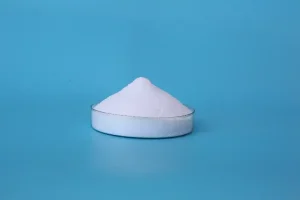
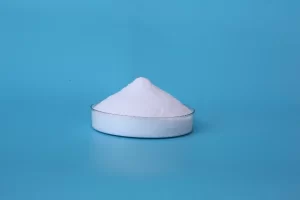
Non-ionic polyacrylamide is a high molecular weight homopolymer of acrylamide. Its chain carries very few ionic groups, so it does not depend on charge neutralization the way cationic or anionic grades do. In a paper machine wet end, retention depends on bridging: long polymer chains attach to fines, fibers, and filler particles at multiple points and hold them in the forming sheet. Because the mechanism is mostly physical rather than electrostatic, non-ionic PAM keeps working when white water conductivity is high or when pH shifts.
That property matters in closed water loops. We have seen systems where a charged retention aid loses response as conductivity climbs, and the mill compensates by adding more polymer. Non-ionic PAM, when matched to the furnish, avoids that cycle because its flocculation response is less affected by pH and dissolved salts. It also performs well under acidic conditions compared with hydrolyzed polyacrylamide, which matters on machines still running alum rosin sizing.
Which Non-Ionic PAM Grade Fits Different Paper Furnishes?
The choice starts with the furnish, not with the product name. Fine paper, packaging grades, recycled board, and tissue all place different demands on retention and drainage. A high filler loading fine paper grade needs a polymer that holds calcium carbonate and clay without slowing drainage excessively. A recycled linerboard furnish with high ash and conductivity needs a grade that resists salt effects and performs consistently as the stock composition shifts.
| Furnish condition | Common failure pattern | What to confirm before ordering |
|---|---|---|
| High filler loading | Retention aid collects fines poorly; white water solids rise | Confirm molecular weight range and dissolution rate with the actual filler type |
| Recycled furnish with high conductivity | Charge-driven flocculants lose response; retention varies shift to shift | Ask for pH and salt tolerance data, not one standard curve |
| Acidic papermaking with alum rosin sizing | Charge effects reduce bridging; drainage drops | Confirm non-ionic PAM performance at the mill’s actual pH |
| Tight white water closure | Dissolved salts and fines accumulate; polymer demand drifts | Confirm aging stability and feed consistency across shifts |
A mill should ask the supplier to show how molecular weight range and dissolution time line up with the actual furnish, not with a generic paper grade description. The same non-ionic PAM family can cover several paper grades, but the specific grade must be matched to the machine.
Why Should Dosage Follow Grade Selection Instead of Leading It?
This is the point I make most often in paper mill work. I have seen dosage climb repeatedly because retention gains were weak. If the grade does not bridge effectively in that furnish, more polymer raises cost and white water solids without moving retention much. The first corrective step is to verify the molecular weight, dissolution quality, and charge behavior match the stock.
When the grade matches, the effective dosage is usually lower. Non-ionic PAM is a high molecular weight flocculant; if dissolution is complete and feed is stable, strong flocculation at low addition rates is possible. The better sequence is to lock the grade through a jar test on actual thin stock, then find the minimum dosage that holds retention and drainage targets. If dosage has to climb well beyond the supplier’s expected range, the grade is the suspect before the feed system.
If your mill runs a closed white water loop with high conductivity, it is worth confirming molecular weight and dissolution response before locking the BOM. Send the furnish profile and current retention data to en*****@***er.com and we will check the specification against those conditions.
What Changes When You Move Between Acidic and Neutral Papermaking?
When a paper machine transitions from acid sizing to neutral or alkaline sizing, the wet end chemistry changes quickly. pH moves up, dissolved calcium carbonate becomes more common, and conductivity often rises. A polymer selected for the old acid furnish may not be right for the new conditions even when the paper grade appears similar.
Non-ionic PAM is useful in this comparison because its flocculation response changes little across a wide pH range. In acidic papermaking, compared with hydrolyzed polyacrylamide, it usually shows better flocculation. In neutral and alkaline furnishes, it can still bridge fines and filler, but the furnish charge demand changes. That means the grade may need adjustment even when the polymer chemistry remains non-ionic.
I have observed conversions where the mill changed only pH and kept the same retention aid, then saw drainage fall. The issue was not the polymer chemistry alone; it was the mismatch between the old grade and the new salt and solids balance. Before a grade is finalized, run the jar test in the current white water, not in tap water. That single change catches most shifting-furnish failures.
What Should Buyers Confirm Before Ordering Non-Ionic PAM for Paper Mills?
Before a purchase order, procurement and wet end teams should confirm five things: molecular weight range, residual acrylamide content, dissolution time in mill water, dry solids or active content, and consistency across the supplier’s production batches. A product data sheet is not enough. Insist on the specification tied to the actual furnish and machine pH.
Source discipline matters here. Non-ionic PAM is synthesized from acrylamide monomer, so a supplier with in-house acrylamide production can control monomer quality and trace residual content more directly. Shandong Nuoer Biological Technology Co., Ltd. runs integrated acrylamide and polyacrylamide capacity, which shortens the traceability chain when a paper mill asks quality questions.
Selecting a grade before committing to dosage removes most of the failure we see. When a mill arrives with retention targets slipping and dosage already near the top of the supplier curve, the grade is usually the problem, not the volume. Share four data points with us: furnish composition, filler loading, white water pH and conductivity, and current retention or drainage numbers. Send those to en*****@***er.com or call +86-532-66712876, and we will confirm the non-ionic PAM specification for your machine before you issue a purchase order.
What Else Should Paper Mills Ask About Non-Ionic PAM?
Does Higher Molecular Weight Always Improve Retention?
No. Higher molecular weight increases bridging length, but only up to the point where dissolution and shear degradation become limiting. Very high molecular weight polymers make larger flocs, yet they can also produce a sticky sheet and uneven formation when dosage rises. The useful question is whether the molecular weight range matches the fines and filler system in the mill. We usually ask for thin stock consistency and filler type before pushing a higher molecular weight grade.
How Should Non-Ionic PAM Be Prepared to Avoid Fisheyes?
It depends on the makeup system. In cold water or a short mixing loop, dry non-ionic PAM can form partially wetted agglomerates that never fully dissolve. The better approach is low concentration preparation in clean water with controlled agitation, then aging for the supplier’s recommended time before injection. Mills with automated makedown should verify the maturing tank level, not just the mixer speed. We have seen fisheye carryover disappear after correcting the aging step without any polymer change.
Can Non-Ionic PAM Replace Cationic PAM in a Neutral Paper Mill?
A common assumption is that the two are interchangeable. They are not. Cationic PAM works mainly through charge neutralization plus bridging, while non-ionic PAM depends on bridging. In a neutral furnish, cationic PAM may still be the right tool when the stock carries anionic trash or when retention requires charge control. Non-ionic PAM is usually considered when conductivity, pH swings, or acidic conditions make charge-driven retention unstable. The choice should come from wet end measurements, not from a preference for one chemistry.
What Should a First Sample Request Include?
In the sample requests we process, the most useful packages come with machine data rather than a product code. The best set includes furnish composition, filler loading, white water pH and conductivity, thin stock temperature, and current retention or drainage values. Without those, any sample recommendation is a guess. With them, a supplier can pre-screen grades before the trial and shorten the number of machine runs. Share those details at en*****@***er.com and we will confirm the grade against the furnish before shipment.
If you’re interested, check out these related articles:
Non-Ionic Versus Cationic Polyacrylamide for Paper Manufacturing
Nuoer Group donates sanitary pads to Rongzhuang Village.
High Purity Acrylamide Monomer vs Technical Grade Distinction
Non-Ionic PAM Dosage in Paper Manufacturing: Mastering Retention
Amphoteric Polyacrylamide for Refineries: Advanced Treatment Solutions


 English
 Russian
 Arabic
 Spanish