
Getting non-ionic polyacrylamide dosage right in papermaking feels less like following a formula and more like tuning an instrument. The polymer does its job quietly—bridging fibers, pulling fines into flocs, speeding up drainage—but only when the dosage matches what the system actually needs at that moment. Too much creates problems. Too little wastes opportunity. The mills that run smoothly tend to be the ones where operators treat PAM addition as a dynamic variable rather than a fixed setting, adjusting for furnish changes, white water conditions, and machine speed shifts throughout the day.
How Non-Ionic Polyacrylamide Actually Works in the Wet End
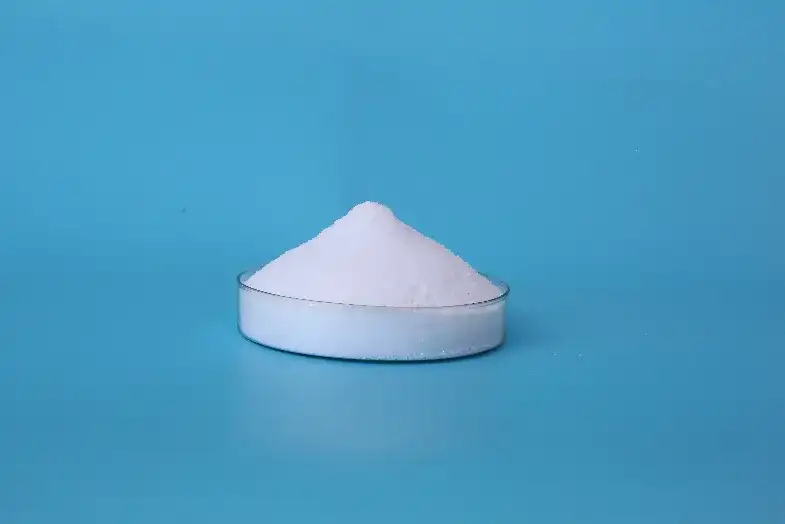
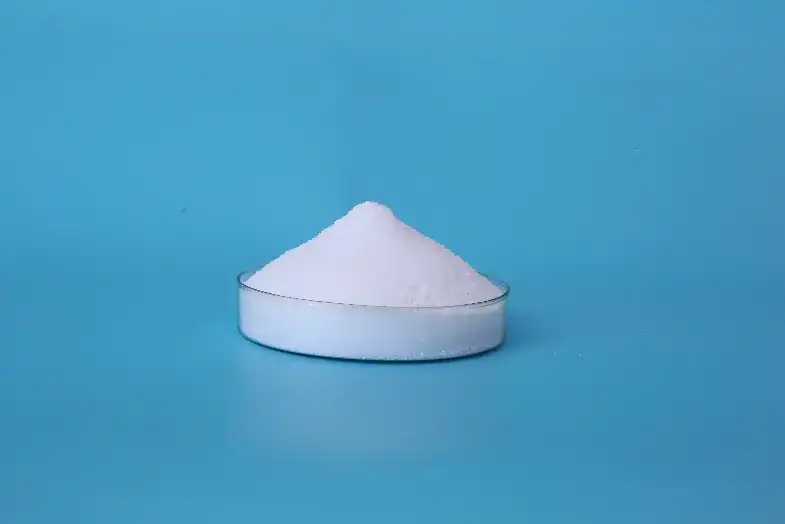
Non-ionic polyacrylamide functions as a flocculant in papermaking, but its behavior differs meaningfully from charged alternatives. This homopolymer of acrylamide carries a linear molecular structure with minimal ionization and high molecular weight. Those characteristics let it physically bridge between fibers and fines, creating larger aggregates without disrupting the charge balance that other wet-end chemicals depend on.
The practical advantage shows up in difficult furnish situations. Systems running high anionic trash or dealing with variable ionic strength tend to respond better to non-ionic PAM than to cationic or anionic versions. The polymer tolerates a wider pH range and remains effective when dissolved solids fluctuate. Nuoer PAM formulations leverage these properties specifically for fiber fines retention applications where charge sensitivity would otherwise limit performance.
What Actually Drives Non-Ionic PAM Dosage Requirements
Optimal non-ionic PAM dosage depends on process variables that shift throughout production. Operators who monitor these parameters consistently tend to minimize waste while maintaining retention and drainage improvement targets. The interaction between these factors determines whether the polymer performs as intended.
| Factor | Impact on PAM Dosage |
|---|---|
| Stock Consistency | Higher consistency often requires increased PAM dosage due to more surface area. |
| Pulp Type | Different fiber types (virgin, recycled) have varying surface charges and needs. |
| pH Control | Non-ionic PAM is less pH-sensitive but extremes can affect polymer conformation. |
| Temperature | Elevated temperatures can reduce polymer viscosity and efficacy. |
| Shear Forces | High shear can break flocs, necessitating higher dosage or different application. |
| Mixing Conditions | Proper mixing ensures uniform distribution and effective flocculation. |
Pulp Furnish and Water Chemistry Effects on Dosage
Pulp furnish composition shapes non-ionic PAM dosage requirements more than many operators initially expect. Virgin pulp with cleaner fibers typically needs less polymer than recycled fiber, which carries higher contaminant loads and anionic trash. White water quality parameters—dissolved solids impact, conductivity measurement—directly influence how the polymer performs once added.
High concentrations of dissolved organic and inorganic substances can consume polymer molecules or interfere with the bridging mechanism before flocs form properly. This forces dosage adjustments upward to maintain effective retention and drainage. Understanding the cationic demand of the system provides a baseline for predicting how much non-ionic PAM the process will actually need.
Common Dosing Challenges in Paper Mill Operations
Paper mills encounter predictable difficulties when working with non-ionic PAM dosing. Overdosing issues create excessive flocculation that damages sheet formation and reduces paper quality—the flocs become too large and distribute unevenly across the forming fabric. Underdosing problems compromise fiber retention and drainage, increasing raw material losses while raising energy consumption in downstream sections.
Polymer degradation presents another challenge. Shear forces, elevated temperatures, and microbial activity can all break down the polymer before it accomplishes its purpose. Process variability troubleshooting becomes necessary when furnish composition, pH levels, or machine speed fluctuate beyond normal ranges. Shandong Nuoer provides technical support specifically for these operational situations.
Retention and Drainage Gains from Proper Non-Ionic PAM Application
Precise non-ionic PAM application produces measurable improvements in fiber retention and fines retention optimization. Better retention means fewer valuable raw materials end up in the white water system, which translates directly into cost savings. The improved flocculation simultaneously promotes higher drainage rate enhancement on the forming section.
Faster dewatering reduces the energy required for water removal efficiency in press and dryer sections. A sheet that enters the press section with lower moisture content needs less steam and less pressing force to reach target dryness. The cumulative effect on sheet formation quality influences the final product’s strength and uniformity in ways that show up in testing.
Achieving Both Retention and Drainage Improvements Simultaneously
Non-ionic PAM can improve both retention and drainage at the same time when application conditions are right. The mechanism involves forming larger, stronger flocs that trap fibers and fines efficiently, increasing fiber retention improvement. These same flocs create a more porous web structure that releases water faster, enhancing the drainage rate.
This synergistic effect depends on optimized dosage and strategic application points within the wet end. Some mills achieve better results using dual retention systems or microparticle programs that combine non-ionic PAM with other papermaking additives. The specific approach varies with furnish type and machine configuration.
Precision Dosing Systems and Real-Time Monitoring
Implementing precision dosing strategies maximizes what non-ionic PAM can deliver. Automated dosing systems provide consistent polymer delivery that eliminates manual variation and maintains stable performance across shifts. Online monitoring papermaking parameters—charge analysis wet end, zeta potential measurement, consistency meters—generates real-time data on process conditions as they change.
Flow meters chemical dosing systems allow precise control over addition rates. Integrating these tools into advanced process control systems enables dynamic adjustments to PAM dosage that respond to furnish changes or machine speed variations within minutes rather than hours. This proactive approach drives cost optimization paper production, energy savings paper mill operations, and improved machine runnability.
Environmental Benefits of Optimized Non-Ionic PAM Usage
Optimized non-ionic PAM usage contributes to sustainable paper production in several measurable ways. Improved fiber and fines retention reduces solids discharged into effluent, lowering the treatment burden on effluent treatment paper mills. Better retention also makes white water recycling more practical, supporting water conservation papermaking goals.
Reduced fresh water intake and wastewater generation align with circular economy principles that many mills now pursue. Efficient retention minimizes chemical consumption reduction by ensuring that added polymers actually accomplish their purpose rather than passing through the system unused. These benefits support compliance with environmental regulations pulp and paper while improving operational economics.
Partner with Nuoer for Advanced Papermaking Solutions
At Shandong Nuoer Biological Technology Co., Ltd., we focus on advancing paper manufacturing efficiency and sustainability through high-performance polyacrylamide solutions. With over a decade of R&D and global service, our team provides tailored non-ionic PAM products and technical support for specific mill operations. Contact us to discuss how our solutions can enhance your paper quality, reduce costs, and achieve your production goals.
Email: en*****@***er.com
Phone: +86-532-66712876
Frequently Asked Questions About Non-Ionic PAM in Papermaking
What is the primary advantage of using non-ionic PAM over other flocculants?
Non-ionic PAM performs well in conditions where charge neutrality matters or where high anionic trash would interfere with charged polymers. It provides fiber and fines retention without significantly shifting zeta potential, which minimizes interference with other wet-end additives. This makes it a practical choice for various paper grades and furnish compositions where process chemistry stability is a priority.
How can I determine the optimal non-ionic PAM dosage for my paper machine?
Start with laboratory testing—jar tests and dynamic drainage analysis—to screen products and establish baseline dosage ranges. Pilot trials that simulate actual machine conditions narrow the range further. Final optimization requires continuous online monitoring of retention, drainage rate, and sheet formation on the production machine itself. Shandong Nuoer offers technical consultation and on-site support for this optimization process.
Does non-ionic PAM affect the final paper product’s strength or printability?
Correct dosing improves retention and drainage, which indirectly enhances sheet formation and uniformity. Better formation typically leads to improved inherent paper strength and a smoother surface that prints well. Overdosing can create the opposite effect—excessive flocculation damages sheet formation and may reduce strength or other physical properties. Precise control matters more than the polymer itself.
If you’re interested, check out these related articles:
Nuoer Biology Builds New Plastic Playground in Xianhe Town
Nuoer Wins Two Provincial Honors
Nuoer Showcased at 26th China IE Expo
Nuoer at 32nd China International Paper Technology Exhibition 2025
Nuoer Group Donates 300000 RMB to Rongzhuang Village


 English
 Russian
 Arabic
 Spanish