
The shift toward ultra-thin baby diapers has pushed material science into territory that would have seemed unrealistic a decade ago. Getting a diaper thin enough to feel almost invisible while still handling the unpredictable fluid loads of infant care requires superabsorbent polymers that perform at a level early formulations simply couldn’t match. Choosing the right SAP grade isn’t a minor procurement decision—it shapes everything from how the product feels against skin to whether it holds up through a full night. The technical trade-offs involved are real, and getting them wrong shows up fast in consumer complaints and return rates.
How Superabsorbent Polymers Actually Work in Diaper Cores
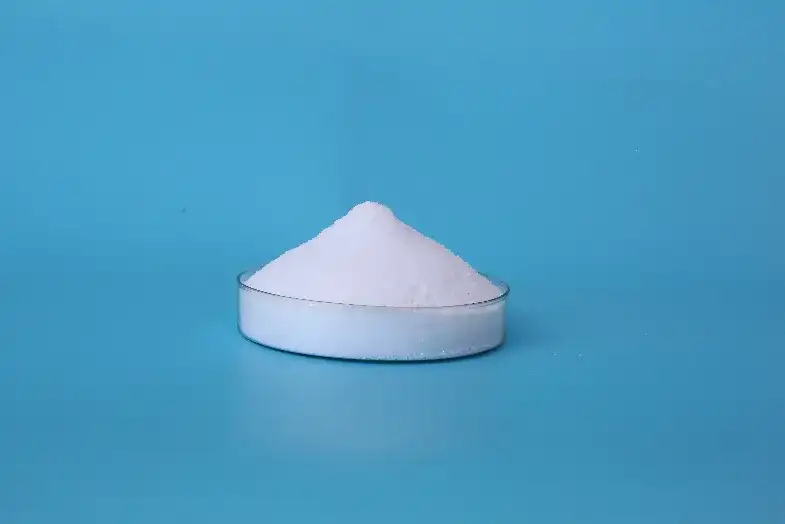
Superabsorbent polymers are cross-linked acrylic acid-based materials that can absorb hundreds of times their weight in aqueous solutions. The mechanism comes down to polymer chemistry—specifically, carboxylate groups along the polymer chains that have a strong affinity for water molecules. When urine contacts SAP particles, these groups pull liquid in rapidly, causing the particles to swell into a stable hydrogel. That gel strength matters enormously. If the structure is too weak, absorbed liquid squeezes back out under pressure—the rewet problem that ruins both diapers and sleep.
Before SAP became standard, diaper cores relied heavily on cellulose pulp, which meant bulk. A lot of bulk. The introduction of superabsorbent polymers changed the math entirely, allowing manufacturers to cut material volume while actually improving absorbency. That’s what made ultra-thin designs possible in the first place. Modern diaper cores use SAP to pull urine in quickly, lock it away, and distribute it across the absorbent layer so no single zone gets overwhelmed. The anti-leakage performance depends on this fluid management system working as designed.
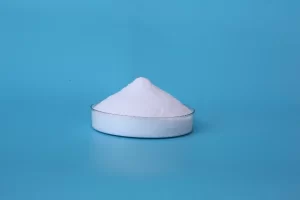
Super Absorbent Polymer (MODEL: SAP NR860) delivers the core properties this application demands—fast water absorption, high pure water absorption capacity, and reliable water retention. For formulations that need specific performance profiles, specialized grades like High Permeability Super Absorbent Polymer (MODEL: SAP NR-760K) and Balanced Performance Super Absorbent Polymer (MODEL: SAP NR-760H) address different optimization priorities. The polymer technology keeps advancing because the market keeps demanding thinner products that perform better.
| SAP Property | Diaper Performance Benefit |
|---|---|
| High Swelling Capacity | Maximum Absorbency |
| Excellent Gel Strength | Anti-Leakage, Rewet Prevention |
| Rapid Absorption Rate | Quick Fluid Acquisition, Skin Dryness |
| Low Residual Monomer | Enhanced Safety, Reduced Skin Irritation |
| Fine Particle Size | Ultra-Thin Design, Uniform Fluid Distribution |
Performance Metrics That Define Ultra-Thin Diaper SAP Grades
Getting ultra-thin diapers to perform well requires understanding which SAP parameters actually drive results. These metrics connect directly to how the diaper handles fluid in real conditions, not just laboratory benchmarks.
Acquisition speed measures how fast SAP pulls in liquid. This matters most during sudden fluid surges—a slow-absorbing polymer means liquid pooling on the surface before it can be captured, which leads to leakage and wet skin. Absorbency under pressure (AUP) quantifies how much liquid the SAP holds when weight compresses it, like when a baby sits or lies on a wet diaper. High AUP prevents gel blocking, where swollen particles form a barrier that stops additional fluid from penetrating deeper into the core. When gel blocking occurs, the diaper’s total capacity drops and rewet increases.
Permeability describes how easily fluid moves through swollen SAP layers. Good permeability means better fluid distribution across the entire core, so the diaper uses its full absorbent capacity rather than saturating in one spot. Particle size distribution affects both manufacturing and performance. Finer particles absorb faster because of their greater surface area, but they generate more dust during production—a real concern for plant operations and worker exposure. Coarser particles absorb more slowly but typically offer better permeability and cleaner handling.
Some advanced SAP grades include odor control properties that neutralize smells. But the fundamental goal remains consistent: superior rewet prevention and skin dryness. These factors determine infant comfort and whether parents trust the product enough to buy it again.
Finding the Right Balance Between Absorbency and Gel Strength
Ultra-thin designs force a trade-off between absorbency and gel strength that requires careful optimization. High concentration SAP enables reduced material usage while maintaining performance, but the cross-linking density within the polymer structure determines where that balance lands. Higher cross-linking density produces stronger gel integrity—the structure resists deformation under pressure and minimizes gel blocking. The trade-off is that increased cross-linking can reduce overall swelling capacity.
Manufacturers need SAP grades that maximize liquid retention without sacrificing structural integrity. The absorbed fluid has to stay locked away to maintain a discreet fit and prevent rewet. Ultra High Absorbency SAP (MODEL: SAP NR-611) addresses this requirement with high centrifugal water retention capacity, supporting the reduced bulk that ultra-thin formulations demand.
How Particle Size Shapes Diaper Thinness and Fluid Movement
Particle size influences both the physical profile of the diaper and how fluid moves through it. Fine particles, with their larger cumulative surface area, enable faster absorption rates and more uniform fluid distribution within the diaper layering. This contributes to a thinner, more flexible core. But pushing particle size too fine creates dust generation problems during manufacturing that affect production environments and potentially worker safety.
Coarser particles improve permeability, allowing fluid to spread more easily throughout the absorbent core. The trade-off is slower initial acquisition. Optimal particle size distribution represents a compromise—balancing rapid absorption, efficient fluid distribution, and practical manufacturing considerations. The right selection ensures SAP integrates cleanly into the diaper structure while maximizing efficiency and minimizing production headaches.
Choosing SAP Grades for Ultra-Thin Diaper Formulations
Selecting the right SAP grade involves balancing technical performance against commercial realities. Product development challenges typically center on achieving maximum absorbency within a minimal footprint, which demands SAP grades with exceptional liquid retention and gel strength.
The evaluation process should address several factors:
- Product Specifications: Define target absorbency, rewet, and thinness levels based on competitive positioning.
- Manufacturing Process: Assess compatibility with existing equipment and production speeds.
- Cost-Effectiveness: Analyze the relationship between SAP cost and overall product value.
- Market Demands: Understand what consumers actually prioritize—breathability, skin health benefits, discreet fit.
- Sustainability Considerations: Evaluate options for reduced environmental impact or improved biodegradability.
Material science innovation drives the development of custom SAP solutions that address these specific needs. High Permeability Super Absorbent Polymer (MODEL: SAP NR-760K) was designed specifically for disposable hygiene products, offering low long-term reverse osmosis that matters for baby diaper applications. Working closely with partners to identify the ideal SAP grade ensures both superior performance and manufacturing efficiency align with unique product development goals.
Safety and Compliance Requirements for Baby Diaper SAP
Materials used in baby diapers face stringent safety requirements, and superabsorbent polymers are no exception. While SAP is highly effective, it must meet rigorous criteria to confirm it’s non-toxic and won’t cause skin irritation. Quality control protocols need to cover the entire manufacturing process, from raw material sourcing through final product testing.
Testing for heavy metals and ensuring low residual monomer content are baseline requirements. Extensive skin irritation testing confirms hypoallergenic properties, providing assurance to both manufacturers and consumers. Responsible sourcing practices reinforce safety and environmental commitments, including ongoing biodegradability research for future product generations.
Meeting Global Safety Standards for Diaper Materials
Compliance with global safety standards for diaper materials isn’t optional—it’s a market access requirement. Manufacturers need SAP suppliers who provide comprehensive material safety data sheets (MSDS) and demonstrate compliance with international certifications for hygiene products. Toxicology assessment must confirm the absence of harmful substances.
Dermatological testing verifies that SAP materials are gentle on sensitive baby skin, minimizing irritation or allergic reaction risks. Shandong Nuoer Biological Technology Co., Ltd. maintains strict quality assurance protocols, ensuring superabsorbent resin products meet and exceed these critical benchmarks. This commitment supports consumer safety and facilitates market access across diverse regulatory environments.
Working with Experienced SAP Suppliers for Hygiene Products
Developing advanced hygiene products requires more than quality raw materials—it requires partnership with suppliers who understand the application. Shandong Nuoer Biological Technology Co., Ltd. brings extensive experience in superabsorbent resin manufacturing and a commitment to polymer innovation.
Comprehensive R&D collaboration allows development of custom SAP solutions tailored to specific product requirements. A robust global supply chain ensures consistent supply and reliable delivery, supporting uninterrupted production. With annual production capacity of 560,000 tons of superabsorbent resin, the scale and manufacturing excellence exist to meet demands from the largest global hygiene brands. Dedicated technical support ensures optimal integration and performance of SAP grades, establishing the foundation for long-term partnership.
Frequently Asked Questions
What makes a particular SAP grade ideal for ultra-thin baby diapers?
The combination of high liquid retention capacity, excellent gel strength, and rapid acquisition speed defines an ideal SAP grade for ultra-thin applications. These properties prevent gel blocking, ensure even fluid distribution, and maintain a compact core without compromising absorbency or causing rewet. Infant comfort and skin health depend on this performance profile. Fast Absorption Super Absorbent Polymer grades are engineered specifically for these demanding requirements.
How does Nuoer ensure the quality and consistency of its superabsorbent polymers for hygiene applications?
Stringent quality control protocols apply throughout R&D and production processes. From raw material sourcing to final product testing, adherence to international safety and performance standards ensures consistent particle size distribution, absorption under pressure, and overall reliability for critical applications like baby diapers. Manufacturing excellence underpins every product.
Can SAP grades contribute to the sustainability goals of baby diaper manufacturers?
SAP technology is advancing toward more sustainable options, including grades with improved biodegradability or reduced environmental impact during manufacturing. Partnering with R&D-focused suppliers helps manufacturers integrate eco-conscious superabsorbent resin solutions into their product development strategies. Ongoing investment in research supports greener polymer solutions.
If you’re interested, check out these related articles:
Nuoer Biology Builds New Plastic Playground in Xianhe Town
Nuoer Honored as Outstanding Tax Contributor in Dongying City 2024
Strengthen Your Hygiene Product Line with Advanced SAP
Shandong Nuoer Biological Technology Co., Ltd. develops superior superabsorbent resin solutions for the global hygiene market. The industrial strength and technical expertise exist to support ambitious product development goals. Partner with our team to optimize your ultra-thin baby diaper formulations, ensuring performance, safety, and cost-efficiency meet your targets. Contact us to discuss your specific technical requirements and explore how advanced SAP grades can strengthen your product line. Reach us at en*****@***er.com or call +86-532-66712876.


 English
 Russian
 Arabic
 Spanish