
Acrylamide monomer concentration is not a single number a plant can copy from a general datasheet. It has to be matched to the polymerization method, the reactor’s heat removal capacity, and the final polyacrylamide grade. In our production planning we treat concentration as a process variable that changes molecular weight control, residual monomer risk, and storage cost at the same time. The most common aqueous solutions ship at 28 to 30 percent, 38 to 42 percent, or 48 to 52 percent acrylamide content, while crystal material offers a high purity solid route for plants that want to control makeup in house. Getting this right before ordering prevents rework and keeps polymerization within specification.
Acrylamide Monomer Concentration Starts With Three Standard Grades
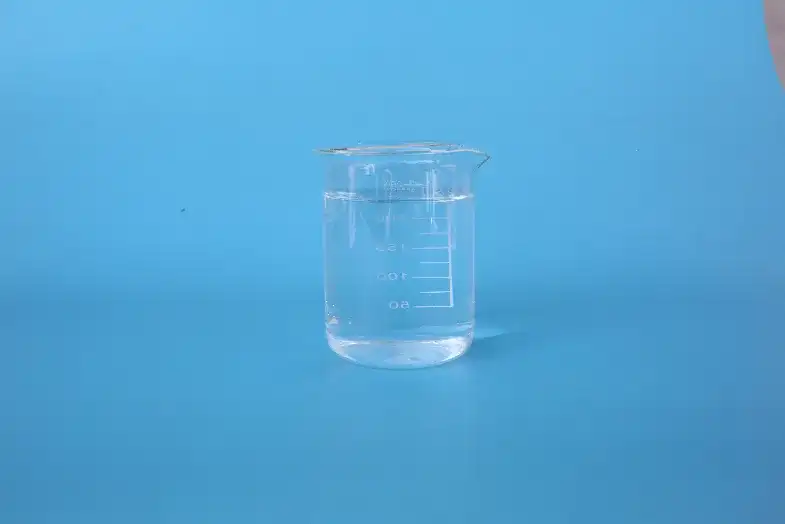
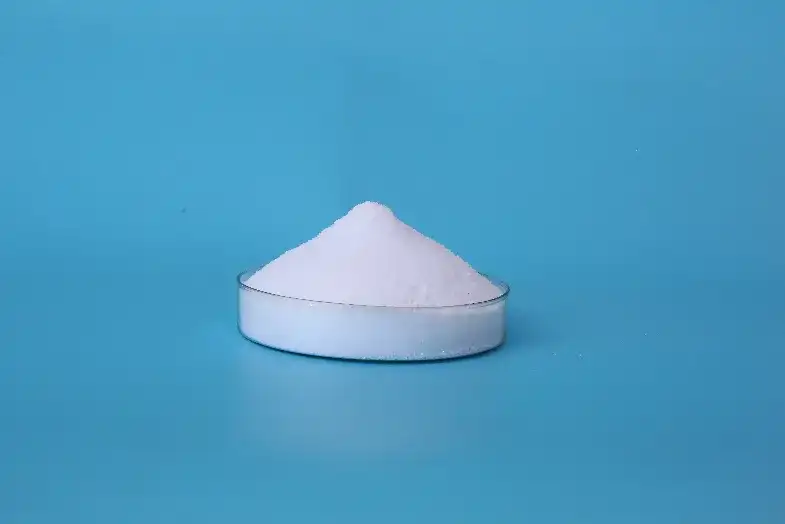
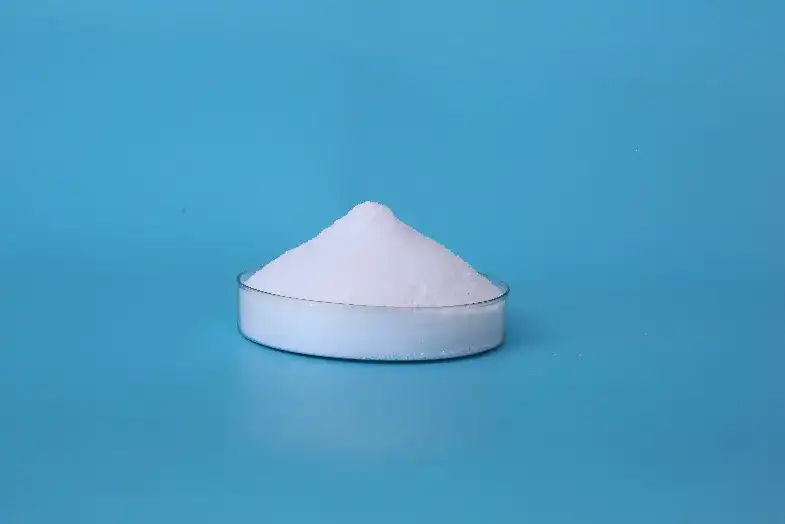
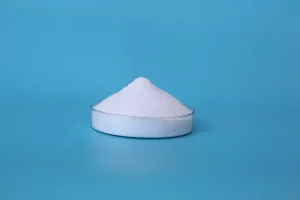
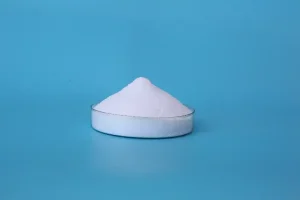
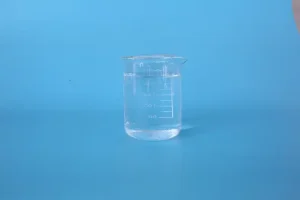
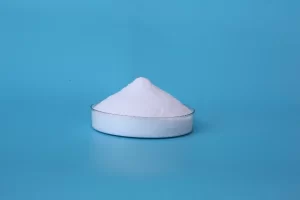
Acrylamide monomer is available in two practical forms. AM Crystal is a white crystalline solid with purity of at least 98.0 percent, moisture no more than 0.8 percent, and a pH of 6.5 to 7.5 in a 10 g/L solution. It carries a low inhibitor level of 3 to 10 ppm and conductivity of 20 microsiemens per centimeter or less, which suits plants that dissolve monomer in house. The aqueous solution is supplied in three standard concentration bands: 28 to 30 percent, 38 to 42 percent, and 48 to 52 percent acrylamide content. Each band changes freight weight, feed viscosity, and the amount of water a reactor must remove. A plant making standard polyacrylamide generally finds the middle band easiest to handle, but that decision depends on the polymerization step, not on the monomer price alone.
Monomer Concentration Controls Polymerization Rate and Molecular Weight
Higher acrylamide monomer concentration increases the polymerization rate for a fixed initiator feed. That sounds efficient, but the heat released also rises. A reactor with limited cooling can overshoot, and the resulting gel may carry high residual monomer or an uncontrolled molecular weight distribution. Lower concentration slows the reaction and spreads the heat load, which is why plants with simple jacketed reactors often choose the 28 to 30 percent grade. We have worked with lines where the real constraint was not the monomer assay but the ability to pull heat out fast enough at the target production rate. In those cases adjusting the concentration downward, rather than cutting initiator, produced a more stable batch.
Why Heat Removal Sets the Upper Concentration Limit
Temperature control is the practical ceiling for concentration. As more monomer reacts per unit time, the polymerization exotherm climbs, and the reactor must remove that energy before localized gel formation begins. Once gel particles form, molecular weight control suffers and downstream dissolution becomes less predictable. The upper concentration that works is therefore a heat transfer decision as much as a chemistry decision. It has to be calculated from reactor volume, jacket surface area, coolant temperature, and target cycle time.
How Concentration Affects Residual Monomer in the Final Polymer
Residual monomer in finished polyacrylamide is influenced by conversion at the end of polymerization. A very high starting concentration can leave more unconverted monomer if the reaction is stopped early or if temperature control fails. This is one reason low residual monomer claims on a PAM datasheet cannot be separated from the monomer grade and the reactor conditions used. Buyers should ask how the final polymer is processed and what residual monomer limit applies to the application, especially for water treatment or hygiene-related end uses.
Crystal and Aqueous Solution Form Each Suit Different Concentration Ranges
Solution and crystal forms solve different handling problems. Solution removes the dissolution step at the plant and is easier to feed into a continuous reactor. Crystal gives the buyer control over makeup concentration and avoids shipping water over long distances. The table below compares the main choices.
| Form | Typical specification | Primary fit |
|---|---|---|
| AM Crystal | Purity at least 98.0 percent | In-house makeup, long storage, solid handling |
| AM Aqueous Solution | 28 to 30 percent acrylamide | Simple cooling, lower viscosity feed |
| AM Aqueous Solution | 38 to 42 percent acrylamide | Balanced freight and reactor feed rate |
| AM Aqueous Solution | 48 to 52 percent acrylamide | High-throughput continuous polymerization |
When an Aqueous Solution Fits a Continuous Reactor
Continuous polymerization benefits from a steady feed and no batch-to-batch dissolution variation. An aqueous solution at 38 to 42 percent or 48 to 52 percent can be metered directly, cutting operator handling and dust exposure. The trade is that the plant must store and protect the liquid from heat and UV, and cold ambient conditions may raise viscosity enough to affect pump performance.
When Crystal Form Makes In-House Makeup Easier
Crystal monomer is preferred when the plant wants to make its own concentration, adjust more than one recipe, or hold inventory longer. AM Crystal has a typical shelf life of one to two years when stored cool and dark. The main requirement is a clean dissolution system with temperature control because dissolving solid acrylamide generates heat and must not create hot spots.
If your program involves continuous polymerization or a custom acrylamide concentration, it is worth confirming the exact monomer grade against your initiator feed and reactor cooling before finalizing the bill of materials. Send your target concentration and production rate to en*****@***er.com and we will confirm which form fits.
Batch Acceptance Requires Verifying Concentration Against Specification
A certificate of analysis is useful only when it is checked against the ordered grade. For AM Crystal we verify purity, moisture, pH, conductivity, inhibitor content, and color before release. For the aqueous solution we compare the acrylamide concentration band, acrylonitrile content, acrylic acid content, pH, conductivity, and inhibitor range to the purchase specification. Concentration matters because a solution labeled 40 percent can vary within its band, and that variation shifts initiator demand and heat balance. We treat the following as minimum release points: crystal purity at least 98.0 percent, moisture not above 0.8 percent, pH 6.5 to 7.5, conductivity not above 20 microsiemens per centimeter, and inhibitor from 3 to 10 ppm. Aqueous solution conductivity varies by grade, and the inhibitor range is wider, so the grade has to be fixed before QC limits are set.
Storage and Handling Limits Depend on Acrylamide Monomer Concentration
Acrylamide monomer must be stored away from heat and UV light. Crystal material prefers cool, dark, dry storage and delivers a shelf life of one to two years under proper conditions. Aqueous solutions carry an inhibitor to prevent premature polymerization, but inhibitor only works within the expected temperature window. High concentration solutions need particular attention because any unplanned temperature rise can accelerate polymerization before the material reaches the reactor. We see more handling errors from temperature exposure than from chemistry. In planning at Shandong Nuoer, we set the storage temperature and inhibitor level first, then set the concentration target for the process.
Buyers usually discover after ordering that the real issue is not the monomer price but the match between concentration, feed system, and heat removal. That mismatch is easier to correct before the material ships. If you are specifying acrylamide monomer for a new polyacrylamide line or changing your polymerization method, send your target concentration, reactor cooling capacity, and final polymer grade to en*****@***er.com or call +86-532-66712876. We will confirm the monomer form and concentration band that fit your line.
Buyers Ask Specific Questions About Acrylamide Monomer Concentration
What acrylamide monomer concentration should I order for standard polyacrylamide production?
Most standard polyacrylamide lines start with a 38 to 42 percent aqueous solution because it balances water removal and feed viscosity. A plant with strong cooling and continuous operation may move to 48 to 52 percent, while a small or simple batch unit often runs 28 to 30 percent. The choice depends on the reactor cooling surface and the target molecular weight, not on the monomer price alone. We recommend fixing the reactor heat balance before selecting the concentration band because that single calculation avoids most downstream gel and residual monomer problems.
Is the 48 to 52 percent acrylamide solution always more cost effective?
A common assumption is that the highest concentration always lowers landed cost because less water is shipped. That is not always true. The concentrated solution may require heated storage, a more precise feed pump, and closer inhibitor control in hot climates. The freight saving can disappear if handling losses or temperature excursions occur. In many batch plants the middle concentration is the true low cost option once those operating costs are included. We compare the full route cost before recommending a concentration.
Does crystal monomer require a different concentration control process than solution?
It depends on whether the plant already has a dissolution and temperature controlled makeup system. Crystal monomer gives the most flexibility because the buyer sets the final concentration, but it requires a clean dissolution step with no hot spots. Solution removes that step and the associated operator exposure, yet the plant must handle the concentration as supplied. If your facility already dissolves powders safely, crystal may fit. If you want a direct feed into a continuous reactor, a solution is usually simpler.
How do we verify the concentration of acrylamide monomer once it arrives?
In our inbound quality work we compare the certificate of analysis against the ordered concentration and then confirm conductivity, pH, and inhibitor content before release. If the assay or conductivity falls outside the agreed band, the batch is not used for sensitive polymerization without further testing. For crystal material we also check moisture and purity. This is not about rejecting shipments; it is about keeping the polymerization heat balance consistent. If you are setting up a new PAM line, send your intended recipe and feed system details to en*****@***er.com and we will confirm which concentration range and inhibitor level fit.
If you’re interested, check out these related articles:
Nuoer Biotech Helps Ensure the Successful Convening of the 2025 Annual Meeting of the National Functional Polymer Industry Committee and the Industry Development High-Level Technology Forum
Non-Ionic Polyacrylamide: Stable Flocculation Across Wide pH Ranges
SAP Particle Size: A Guide to Optimal Selection for Performance
Acrylamide Monomer Cost vs Purity: Strategic Trade-offs


 English
 Russian
 Arabic
 Spanish