
Selecting anionic polyacrylamide for EOR is not mainly a chemistry decision. It is a logistics, mixing, and injection reliability decision. I have managed polyacrylamide production and supply for more than fifteen years, and the powder versus emulsion question almost always turns on how a field team operates, not only on polymer performance. Powder suits steady, long-duration polymer flooding. Emulsion suits fast deployment, limited water supply, and compact surface equipment. Both can work, but the supplier’s control over hydrolysis degree, molecular weight, and batch consistency matters more than the physical form. This article separates the two forms by field behavior, true operating cost, and procurement risk.
How Does Anionic Polyacrylamide Improve Oil Recovery in EOR?
Anionic polyacrylamide improves oil recovery by adding viscosity to the injection water. In a conventional waterflood, water moves through the highest-permeability channels and leaves a large share of the remaining oil untouched. Polymer flooding changes the mobility ratio between injected water and oil. When the water phase carries high molecular weight anionic polymer, its viscosity rises, the flood front advances more evenly, and more oil is contacted.
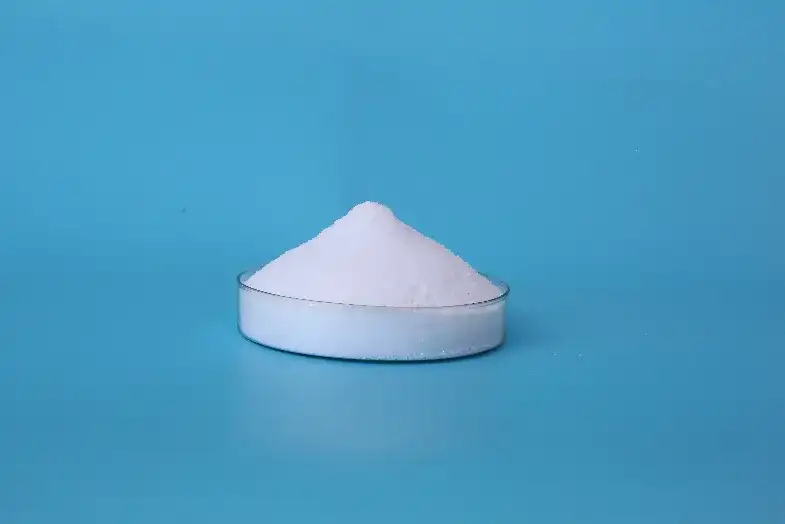
Our anionic polyacrylamide is an ultra-high molecular weight polymer produced by copolymerizing acrylamide and acrylate salts. The catalog grade exceeds 30 million in molecular weight and dissolves quickly enough for continuous injection. Those two properties work together. Molecular weight drives viscosity and adsorption bridging, while the anionic charge from the acrylate group keeps the chain extended in low to moderate salinity water.
What Does Viscosity Do Inside the Reservoir?
Viscosity is the main knob for sweep efficiency. If the polymer solution is too thin, water fingering continues and the operator pays for chemical without getting much incremental oil. If it is too viscous, injection pressure rises and near-wellbore shear can break the polymer chain. The target is not maximum viscosity. The target is enough water-phase resistance to push into lower-permeability zones without exceeding the fracture pressure or the injection pump limit.
In field conversations, I ask whether the injection pressure stays within the safe operating band while the produced water cut responds. A gradual pressure increase after polymer injection begins usually means the flood front is building resistance in the right places. A sharp pressure spike often means the solution is too viscous, the wellbore is damaged, or the polymer is not moving through the perforations cleanly.
Why Does Hydrolysis Degree Matter More Than Most Buyers Expect?
Hydrolysis degree controls the anionic charge density along the polymer chain. That charge determines how extended the chain is in brine, how much viscosity develops at a given dosage, and how sensitive the polymer is to calcium and magnesium. A powder and an emulsion can carry the same label and still perform differently if their hydrolysis degrees sit at different ends of the specification.
For high-salinity produced water, a moderately hydrolyzed grade often keeps viscosity better than a highly hydrolyzed grade because excessive charge collapses in the presence of divalent cations. For freshwater polymer flooding, a higher hydrolysis degree can produce more viscosity per kilogram. This is why a water analysis belongs in every EOR polymer specification, before the powder or emulsion decision is made.
Which Form Dissolves and Injects More Reliably in the Field?
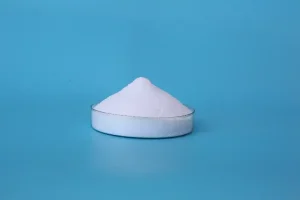
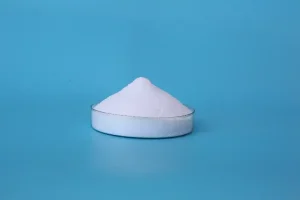
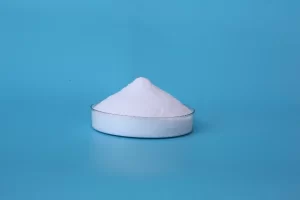
Reliability in the field is determined by how the polymer goes from the shipping container to the injection water. Dry powder anionic PAM must be wetted, dispersed, and matured through a makedown unit. Maturation can take 40 to 60 minutes or longer in cold water. If the mixing energy is too low, the powder forms fish eyes, which pass into the injection line and reduce effective concentration.
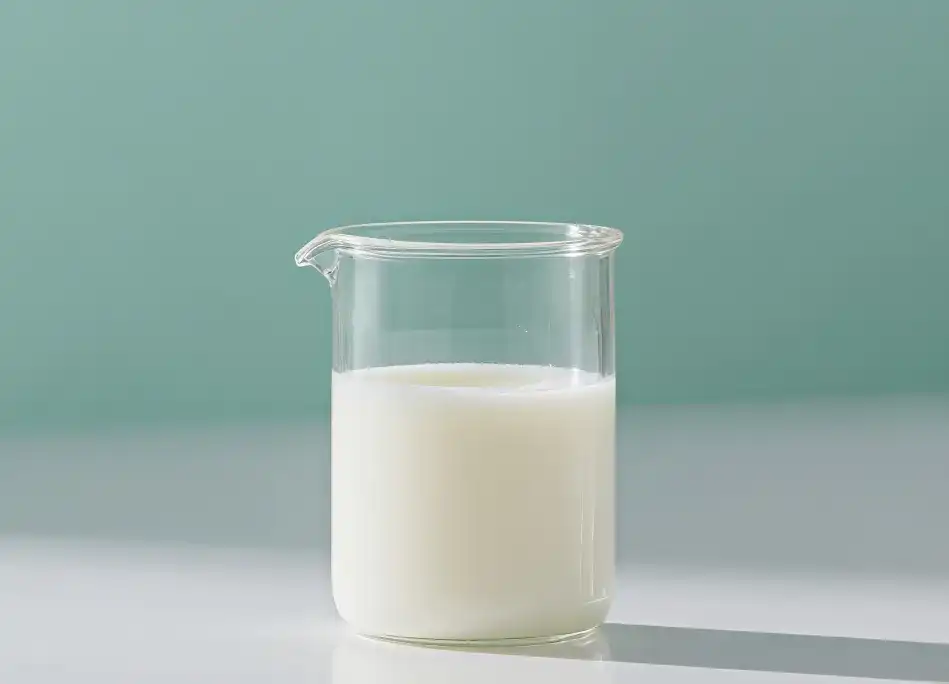
Emulsion anionic PAM enters the process differently. It is a water-in-oil emulsion. The product data lists dissolution within 5 to 15 minutes, with high molecular weight and uniform distribution. On a small footprint, that speed removes a major source of field error. The operator does not wait on aging tanks, and the injection pump receives a fully mixed solution faster. For a temporary or mobile injection skid, that advantage is difficult to replace with powder.
| Factor | Powder Anionic PAM | Emulsion Anionic PAM |
| Dissolution time | 40 to 60 minutes typical with proper aging | 5 to 15 minutes per product data |
| Active content | High dry solids by weight | Lower active polymer because oil and water remain in the product |
| Storage and transport | Dry bags or bulk bags, lower freight per active kilogram | Liquid or tote, higher freight due to the continuous oil and water phase |
| Cold weather operability | Requires warm water or longer maturation | Inverts quickly with less temperature dependence |
| Surface footprint | Makedown skid, aging tank, dust handling | Compact metering pump and static mixer |
| Field error risk | Fish eyes from poor wetting | Inversion quality depends on shear and water quality |
Neither form is universally more reliable. Powder is a mature, forgiving logistics choice when the site has steady power, trained operators, and enough water. Emulsion reduces operator dependency and speeds startup, but it needs a clean inversion water supply and a stable storage environment. The deciding question is not which form dissolves, but which form fits the site without asking the field crew to change its operating discipline.
What Does Each Form Cost Across a Full EOR Campaign?
A procurement comparison based only on price per ton misses most of the true cost. Powder anionic polyacrylamide has a lower freight cost per active kilogram because the product is nearly all dry polymer. Emulsion carries the polymer inside an oil and water continuous phase, so the same amount of active material weighs more and costs more to move. Over a multi-year campaign with multiple injection wells, that freight difference compounds.
At the same time, powder carries a different cost at the surface. A reliable makedown system, dust control, aging tanks, and a trained operator shift cost to the front of the project. Emulsion can remove or shrink several of those items. For a short pilot, the equipment savings often outweigh the higher chemical freight. For a full field development, long-term polymer consumption and the lower freight of powder usually become more important.
When I evaluate these two costs for an EOR tender, I separate the first ninety days from the following five years. The pilot period favors emulsion if the site is remote or the water supply is constrained. The development period favors powder if logistics are stable and the reservoir responds well enough to justify continued injection.
If your EOR program involves high salinity produced water, a compact injection skid, or a short pilot that may scale into a full field, it is worth confirming hydrolysis degree and active polymer content before finalizing your bill of materials. Send your water analysis and injection rate to en*****@***er.com.
When Does Emulsion Anionic Polyacrylamide Justify Its Higher Price?
Emulsion earns its price when the field constraints outweigh the freight economics. Remote oilfields, mobile water treatment units, cold climates, and emergency or pilot deployments all fit that pattern. A compact skid can be operating within a few hours of arrival because the inversion process is fast and does not use a large aging tank. That speed reduces startup labor, temporary equipment rental, and the number of people required on site.
Emulsion also handles cold weather better in practice. Powder wetting and maturation slow down when the makeup water is near freezing, and a site may need a water heater or a heated storage building. Emulsion still requires freeze protection, but its rapid inversion gives the operator more flexibility in a small insulated enclosure.
Shandong Nuoer runs both powder and emulsion production lines at scale. That matters for an operator that wants to begin with emulsion for a pilot and later convert the same reservoir to powder for full field economics. The same supplier can keep the hydrolysis degree and molecular weight consistent across the form change, so the injection target does not shift with the packaging.
What Should EOR Teams Verify Before Choosing a Form and Supplier?
EOR performance is a slow feedback loop. Injection pressure, water cut, and incremental oil response take weeks to reveal whether the polymer is doing its job. By the time the field team sees a result, a large volume of polymer may already be in the ground. Batch consistency therefore matters more than the powder or emulsion decision itself.
An anionic polyacrylamide product can pass a one-time sample and still drift across a campaign. Hydrolysis degree, molecular weight distribution, residual monomer, and dissolution rate can shift if raw monomer quality, reactor conditions, drying temperature, or grinding profile change. A lower hydrolysis degree at the same dosage produces less viscosity, and the operator responds by raising the dose. Campaign cost increases without any improvement in reservoir mechanism. We control much of that risk upstream because Shandong Nuoer has integrated acrylamide and acrylic acid capacity alongside large-scale polyacrylamide polymerization. That chain makes batch traceability practical from monomer to finished polymer.
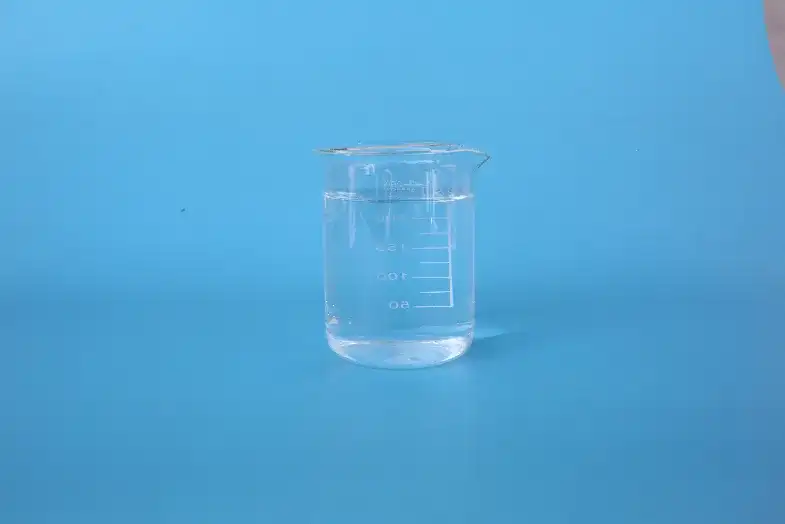
When I review EOR polymer specifications, I ask for the production batch record, not only the certificate of analysis. The certificate shows one sample. The batch record shows whether that sample represents the campaign average. I place this above the form choice because the physical form changes handling, while the production system determines whether the product behaves the same way every week.
At minimum, lock five items with the supplier: produced water salinity and hardness, target viscosity at reservoir temperature, injection rate and maximum allowable surface pressure, available mixing water temperature, and whether the project is a pilot or a full field development. Powder and emulsion are not interchangeable at this stage. Powder can be specified by molecular weight, hydrolysis degree, dissolution time, and residual monomer. Emulsion adds active content, inversion time, storage stability, and the oil phase itself.
My recommendation follows the operating envelope. For a steady, long-duration EOR program with stable logistics, powder anionic polyacrylamide for EOR gives the strongest long-term economics. For a remote pilot, compact skid, or cold-weather deployment, emulsion is the right first move, especially when the supplier can later convert the program to powder without changing polymer chemistry. Before finalizing your order, send your water analysis, injection rate, and project timeline to en*****@***er.com or call +86-532-66712876. We confirm whether powder, emulsion, or a staged combination fits your field rather than starting from a product we want to sell.
What Do EOR Buyers Ask About Anionic Polyacrylamide?
What is the difference between powder and emulsion anionic polyacrylamide?
The difference is mainly the physical form and how the polymer enters solution. Powder is dry solid polymer that must be wetted, dispersed, and matured in a makedown unit. Emulsion is a water-in-oil liquid that inverts rapidly in water. Both can be based on the same anionic polymer chemistry, so the reservoir mechanism is similar. The real choice is a surface decision: powder fits sites with space and stable utilities, while emulsion fits compact skids, fast startups, and cold or remote locations.
Does emulsion anionic polyacrylamide work in high-salinity reservoirs?
Many buyers assume that emulsion chemistry is automatically more tolerant of brine, but the charge and hydrolysis degree of the polymer matter more than the physical form. A properly specified anionic polyacrylamide in emulsion form may perform acceptably in moderate-salinity produced water, while a poorly chosen powder grade may not. In high-calcium or high-magnesium brine, either form may lose viscosity unless the hydrolysis degree and molecular weight are matched to the water analysis. This is a chemistry and specification question, not a form question.
Is emulsion always faster to deploy than powder?
It depends on the water temperature and the existing surface equipment. In cold makeup water, powder maturation slows down and may require heated water or longer aging, while emulsion can invert within minutes. If the site already has a well designed powder makedown system with warm water and experienced operators, the deployment time difference shrinks. Emulsion is faster when the site lacks mixing infrastructure. Powder can be equally practical where that infrastructure is already built and operating.
Can an EOR project start with emulsion and switch to powder later?
In projects I have worked on, this staged approach is common. The pilot begins with emulsion because it starts quickly on a small footprint and gives the operator early viscosity data. Once the reservoir response is confirmed and the full field logistics are known, the program can shift to powder for lower freight cost per active kilogram. The deciding condition is supplier continuity: the hydrolysis degree and molecular weight should remain consistent through the form change. If you are planning a pilot with a possible full field expansion, confirm with the supplier that both forms come from the same production base. Send your reservoir salinity, injection rate, and site water temperature to en*****@***er.com so the recommendation matches your operating envelope.
If you’re interested, check out these related articles:
Acrylamide Aqueous Solution: Mastering Gel Production
Amphoteric PAM: Cost-Performance Balance for Industrial Flocculation
Non-Ionic Polyacrylamide for Acid Mine Drainage Treatment


 English
 Russian
 Arabic
 Spanish