
Acrylamide monomer factory direct purchasing removes a distribution margin, but it also removes a quality buffer. The buyer becomes the final checkpoint for purity, inhibitor level, moisture, and lot consistency before material enters a polymerization reactor. In my years managing polymer and acrylic chemical production, I have seen batch failures trace back not to reactor conditions but to weak incoming monomer verification. What matters at this stage is not only the certificate of analysis. Buyers need to check the limits behind it, the form that fits their process, and the supplier signals that are harder to fake.
Specifications That Define Reliable Acrylamide Monomer
Reliable acrylamide monomer is defined by measurable limits, not by a supplier’s summary statement. The crystal specification I work from includes purity of at least 98.0 percent, moisture no more than 0.8 percent, pH between 6.5 and 7.5 at 10 g/L, color no greater than 10, conductivity no more than 20 μS/cm, and iron no more than 1 × 10⁻⁶. Each of these limits has a direct consequence in polymerization.
Iron is one of the first values I check because residual iron can interfere with redox initiation systems and destabilize high molecular weight polyacrylamide. Moisture matters for the same reason that feed accuracy matters: a crystal lot with high surface water will shift the mass charged into the reactor, even when the operator follows the same batch sheet. Conductivity is an indirect measure of ionic contamination that can change the polymerization rate. These are not laboratory formalities. They are the difference between a stable viscosity curve and a batch that must be reworked or scrapped.
Factory Direct Supply and What Changes for the Buyer
The factory direct model changes who carries the final assurance. A distributor may consolidate material from several producers, but an integrated acrylamide manufacturer carries one process consistency from raw material through finished monomer. When you buy direct, the supplier should be able to release data against the same specification for every lot, not only the first trial order. I look for two things in this relationship. The first is whether the producer has enough scale to keep material flowing through a production campaign. The second is whether the producer can explain what happens upstream, because monomer quality begins before the crystallizer.
Scale is not a marketing claim. It affects whether a supplier can accept a large monthly order without changing product consistency. Nuoer operates 300,000 tons of annual acrylamide capacity and also produces acrylic acid and polyacrylamide on the same site. That level of integration gives us direct visibility from monomer synthesis to polymer performance, and it makes specification drift easier to trace. For a buyer, this matters more than a lower unit price. A qualified direct source should be able to tell you which upstream parameter controls the inhibitor level in your accepted lot and how that parameter is held within range.
Crystal Versus Aqueous Solution in Polymerization
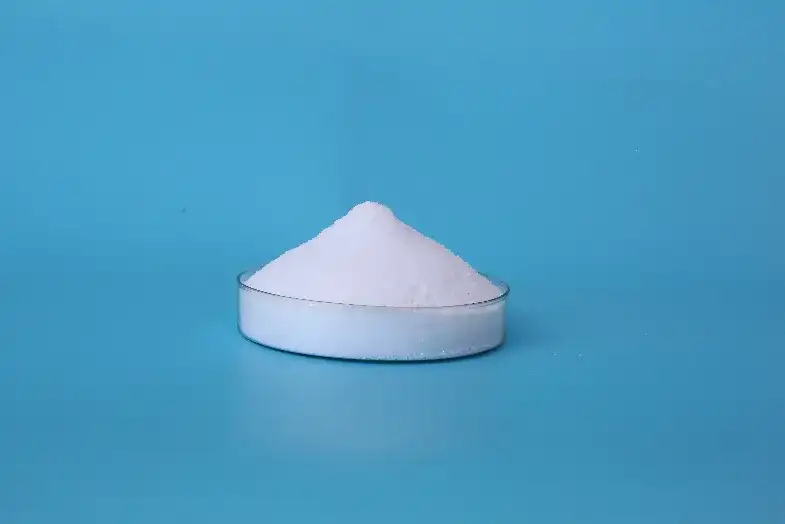
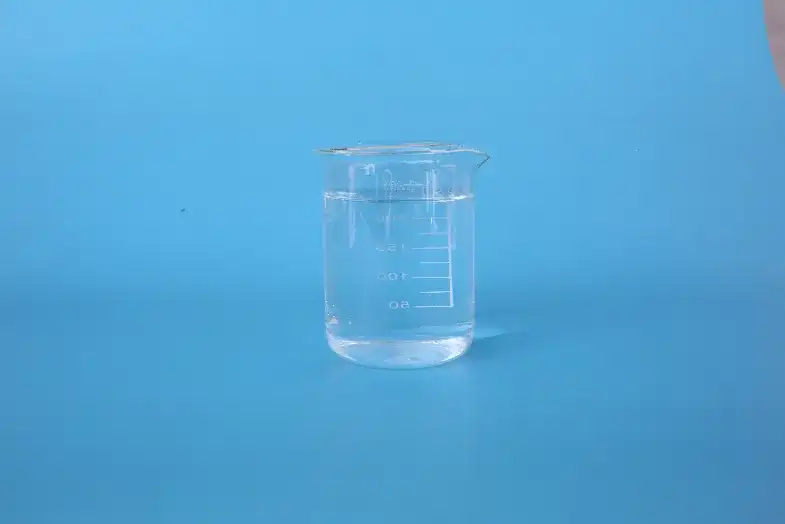
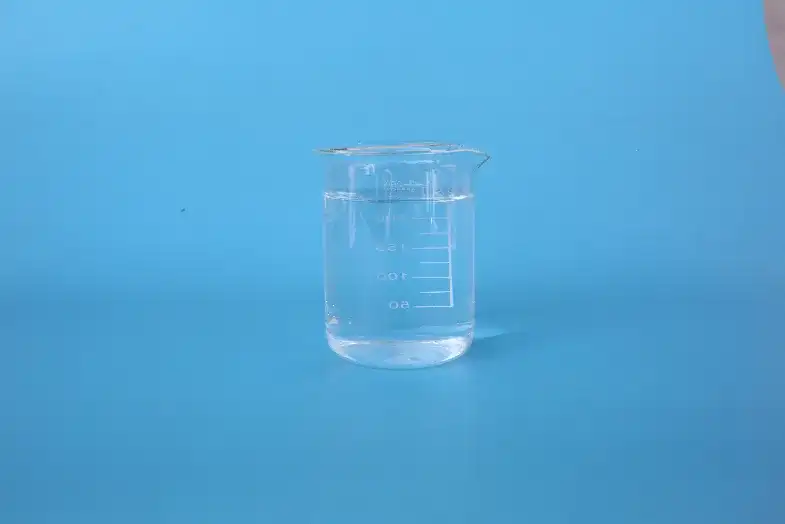
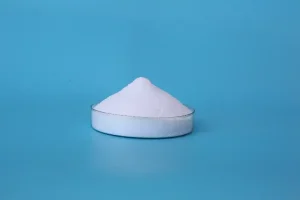
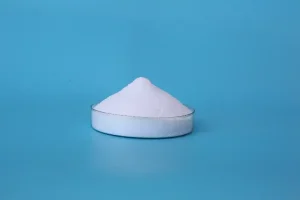
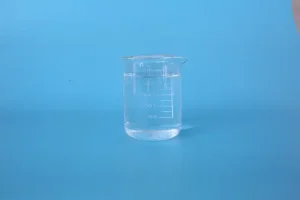
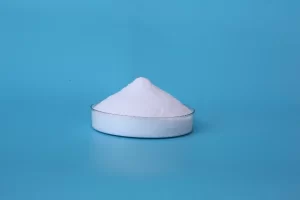
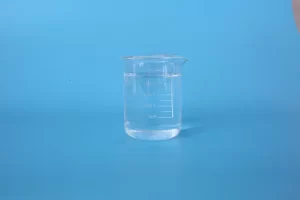
Choosing between crystal and aqueous solution is a process decision before it is a cost decision. Crystal acrylamide monomer stores well in cool dark conditions and gives the plant flexibility to dissolve only what a campaign needs. Aqueous solution skips the dissolving step and reduces operator exposure to dry material, but it requires stable temperature control and protection from heat and UV light. The table below compares the two forms on the parameters that affect day to day use.
| Parameter | AM Crystal | AM Aqueous Solution |
|---|---|---|
| Form | White crystalline solid or flake | Liquid at 25% to 50% concentration |
| Active content | 98.0% minimum | 28% to 30%, 38% to 42%, 48% to 52% |
| pH | 6.5 to 7.5 at 10 g/L | 7.0 to 9.0 |
| Conductivity | 20 μS/cm maximum | 5 to 30 μS/cm, grade dependent |
| Inhibitor and impurities | 3 to 10 × 10⁻⁶ inhibitor; moisture 0.8% maximum | 0 to 100 ppm inhibitor; acrylonitrile 0.1% maximum; acrylic acid 0.3% maximum |
Concentration choice for solution is often tied to what the polymerization line can handle. A 48 to 52 percent solution carries more active monomer per transport unit, but it demands tighter temperature management. A 28 to 30 percent solution is easier to feed and mix for smaller reactors. We ask customers to confirm the feed pump and dissolution line before switching forms, because small differences in conductivity become more visible at high monomer concentrations. Crystal gives more inventory flexibility; solution gives more speed when the process can accept it.
If your plant is weighing crystal against solution across multiple product grades, it is worth confirming feed line compatibility and the inhibitor range your initiator system tolerates before finalizing the specification. Send your target concentration and monthly volume to en*****@***er.com and we will check which form fits your setup.
Verification Steps Most Buyers Overlook
Most buyers focus on the certificate of analysis within the first thirty seconds and miss the conditions that create it. One common mistake is sampling only one drum or isotainer from a large shipment. This tells you nothing about the variance across the lot. A more useful check is to pull samples from the beginning, middle, and end of the unloading sequence and compare inhibitor level, pH, and conductivity. If the spread is narrow, the production campaign was probably uniform. If the spread is wide, the material may have been blended from multiple batches or handled inconsistently.
Another overlooked step is temperature simulation. Monomer that passes incoming inspection at ambient temperature may still fail after several days in a hot warehouse or on a long sea route. We require samples to be held at a defined elevated temperature before release testing for applications that will travel more than thirty days. This is not standard in every supplier relationship, but it is exactly the kind of check that separates a direct source with real ownership from a seller that only passes certificates along.
The inhibitor level is the third point buyers miss. A low inhibitor is not automatically better. The correct range depends on how fast the material will be consumed and how much thermal history it will see. If the inhibitor is too low for a long voyage, the monomer can begin polymerization prematurely. If it is too high, the same inhibitor can interfere with the initiation system in the reactor. This is why we ask buyers to share their target logistics route and reactor initiator chemistry before confirming a monomer specification.
Qualifying a Long Term Monomer Source
Long term supplier qualification should look for traceable integration, not only a clean first audit. Most monomer failures in real production appear as a slow drift across lots, a temporary shortage that forces the buyer to accept a substitute grade, or an upstream raw material change that no one disclosed. The lowest risk source is usually a manufacturer who starts with acrylic acid or acrylonitrile and carries the product through polymerization, because one control system covers the control points. That continuity is worth more than a one time price concession.
When we qualify a customer as a long term partner, we look at more than the order volume. We map their required purity, inhibitor tolerance, form, monthly schedule, and destination storage conditions. That profile becomes the basis for the specification we release against each lot. At Shandong Nuoer Biological Technology Co., Ltd., our acrylamide and polyacrylamide lines share the same quality system, so a monomer issue is visible before it reaches a customer’s reactor. This is not a passive assurance. It is an operational link between our process and yours.
For buyers who are currently comparing direct sources, the practical next step is to send a short set of data: target purity, form, monthly volume, and shipping route. We will confirm which AM Crystal or AM Aqueous Solution specification matches your process and will set the lot release protocol before the first order. Email en*****@***er.com or call +86-532-66712876 with those details and we will respond with a specific recommendation, not a catalogue.
Common Questions About Acrylamide Monomer Procurement
Does factory direct supply always cost less than buying through a distributor?
Not always. Factory direct removes the distributor margin, but it can raise incoming inspection, logistics, and working capital costs for the buyer. A distributor may offer smaller lot sizes, local warehousing, and shorter lead times that are useful when demand is irregular. For consistent monthly volume, direct supply usually wins on total cost because the specification is stable and the buyer can order against a known production campaign. Buyers should compare the delivered cost of a qualified lot, not the invoice price alone.
Is crystal acrylamide monomer safer to store than aqueous solution?
Many buyers assume crystal monomer is always safer because it contains less water, but the real difference is how the two forms fail. Crystal can cake or take up moisture if storage conditions change, which shifts feed weight. Aqueous solution can polymerize prematurely if it is exposed to heat or ultraviolet light, and it is more sensitive to freezing at high concentration. Both forms store well when the environment is controlled. The right question is not which form is safer in general; it is which form your warehouse and reactor system can keep within its required range.
Can one acrylamide monomer grade work for all polyacrylamide products?
It depends on the polymer grade you are producing. A low conductivity crystal with tight iron limits may be necessary for ultra high molecular weight flocculants, while a standard solution spec may be acceptable for less sensitive applications. The monomer must match the initiation chemistry, target molecular weight, and residual monomer limits of the polymer specification. A plant that makes multiple polyacrylamide grades often runs two or more monomer specifications rather than forcing one material into every product. That approach protects final quality without making inventory unmanageable.
What should I ask for before accepting a first shipment?
In the direct supply evaluations I have managed, the most useful pre shipment requests are a batch level certificate of analysis with the actual measured values, a statement of the test method used for conductivity and inhibitor, and a retention sample plan for the shipped lot. These three items tell you whether the supplier is willing to stand behind the data after the container leaves the factory. Share your target purity, inhibitor tolerance, and monthly volume at en*****@***er.com and we will confirm which specification fits your polymerization process.
If you’re interested, check out these related articles:
Emulsion Polyacrylamide Concentration Selection Guide
Nuoer Awarded the Honor of “2024 Dongying City Enterprise with Outstanding Tax Contribution”
Best Amphoteric PAM for Oil Refinery Wastewater Treatment
Non-Ionic PAM Dosage in Paper Manufacturing: Mastering Retention
Choosing Acrylamide Crystals: Research Purity vs. Industrial Scale


 English
 Russian
 Arabic
 Spanish