
Choosing the right acrylamide crystals comes down to understanding what your process actually needs. I’ve seen projects stall because someone ordered research-grade material for a 50-ton production run, and I’ve watched lab results fall apart when industrial-grade monomer introduced unexpected variables. The gap between these two grades isn’t just about price—it’s about matching material specifications to real-world demands. Whether you’re running gel electrophoresis or scaling up polyacrylamide production, the purity profile you select will shape everything from reaction kinetics to final product consistency.
What Acrylamide Actually Does in Polymer Chemistry
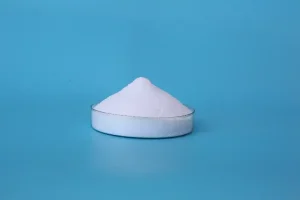
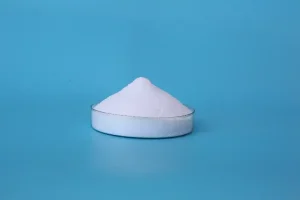
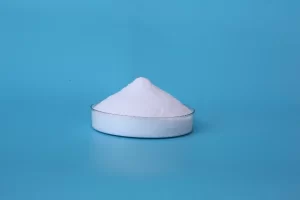
Acrylamide (AM) carries the chemical formula CH₂=CHCONH₂ and presents as a white crystalline solid at room temperature. The molecule contains both a vinyl group and an amide group, which together make it remarkably reactive in polymerization reactions. This dual functionality allows acrylamide to serve as the foundational monomer for polyacrylamide, superabsorbent resin, and acrylic acid derivatives.
These polymers show up across a surprisingly broad range of industries. Water treatment plants rely on polyacrylamide flocculants to clarify municipal supplies. Oil fields inject polymer solutions to push more crude out of aging reservoirs. Paper mills use them to improve sheet formation and retention. Mining operations depend on them for tailings management.
Shandong Nuoer Biological Technology Co., Ltd. manufactures the full spectrum of these materials. Our product range includes Polyacrylamide Supplier OEM formulations—Cationic Polyacrylamide Flocculant, Emulsion-Type Polyacrylamide, Amphoteric Polyacrylamide Flocculant, Nonionic Polyacrylamide Powder, and Anionic Polyacrylamide. We also produce Acrylamide Monomer Crystal and serve as a Super Absorbent Polymer Supplier Wholesale. Our microbial production technology keeps impurity levels exceptionally low while maintaining strong polymerization performance.
Why Research Applications Demand Ultra-High Purity
Laboratory work operates under different rules than factory floors. When you’re trying to understand reaction mechanisms or develop new polymer architectures, every variable matters. Trace impurities that would be invisible in industrial production can completely derail a research project.
Consider what happens during controlled polymerization. Even parts-per-million levels of inhibitors can shift initiation timing, alter chain growth rates, or terminate reactions prematurely. The molecular weight distribution you measure might reflect contaminant interference rather than true polymer behavior. Researchers spend months troubleshooting results that trace back to monomer quality issues.
This explains why research-grade acrylamide typically exceeds 99.9% purity. Analytical verification through High-Performance Liquid Chromatography (HPLC) and Gas Chromatography-Mass Spectrometry (GC-MS) confirms the absence of problematic side products. Inhibitor content stays below 1 ppm to prevent interference with sensitive reaction protocols.
Shandong Nuoer provides acrylamide solutions that meet these exacting standards. Our materials support applications where monomer purity directly determines whether experiments succeed or fail. We also offer custom synthesis options when standard specifications don’t quite fit specialized research needs.
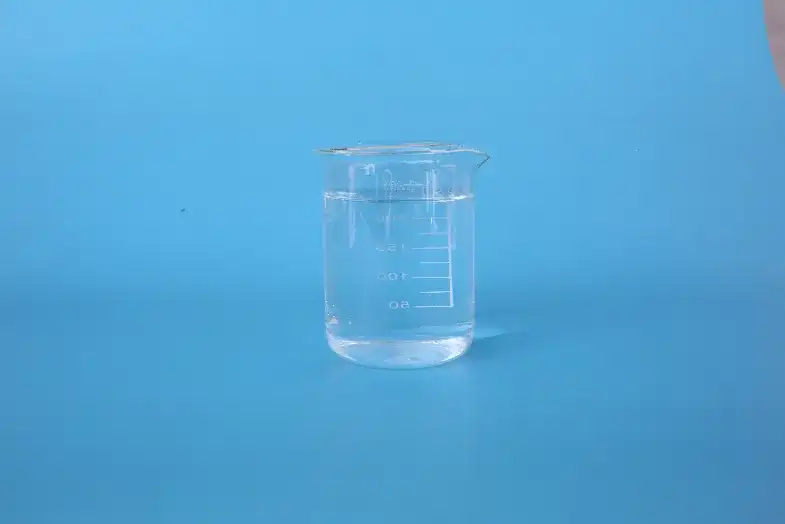
Typical Purity Standards for Research-Grade Acrylamide
Research-grade acrylamide holds to strict specifications because reproducibility depends on it. The table below outlines what laboratories should expect:
| Specification | Research-Grade Acrylamide |
|---|---|
| Purity | ≥ 99.9% |
| Inhibitor | < 1 ppm |
| Moisture | < 0.1% |
| Trace Metals | < 0.001% |
| Analytical | HPLC, GC-MS certified |
These numbers represent more than marketing claims. Each parameter connects to real experimental outcomes. Low moisture prevents hydrolysis during storage. Minimal trace metals avoid catalytic side reactions. Certified analytical documentation gives researchers confidence that their results reflect actual chemistry rather than material artifacts.
Scaling Up Means Different Priorities
Industrial polyacrylamide production operates at scales that dwarf laboratory synthesis. A single production run might consume more acrylamide than a research facility uses in a decade. At these volumes, the economics shift dramatically.
Production-grade acrylamide crystals still require consistent quality—nobody wants batch-to-batch variation disrupting continuous manufacturing. But the acceptable impurity profile broadens compared to research applications. A contaminant that would invalidate a kinetics study might have no measurable impact on a water treatment polymer’s flocculation performance.
Shandong Nuoer maintains an annual production capacity of 300,000 tons of Acrylamide Supplier OEM. This scale allows us to meet global industrial demand while keeping costs competitive. Our quality control systems ensure each batch performs consistently in large-scale polymerization, supporting acrylic acid manufacturing and polyacrylamide production operations worldwide.
The supply chain reliability matters as much as the material itself. Industrial customers need predictable delivery schedules to keep production lines running. A missed shipment can cascade into costly downtime and missed customer commitments.
Cost Differences Between Grades
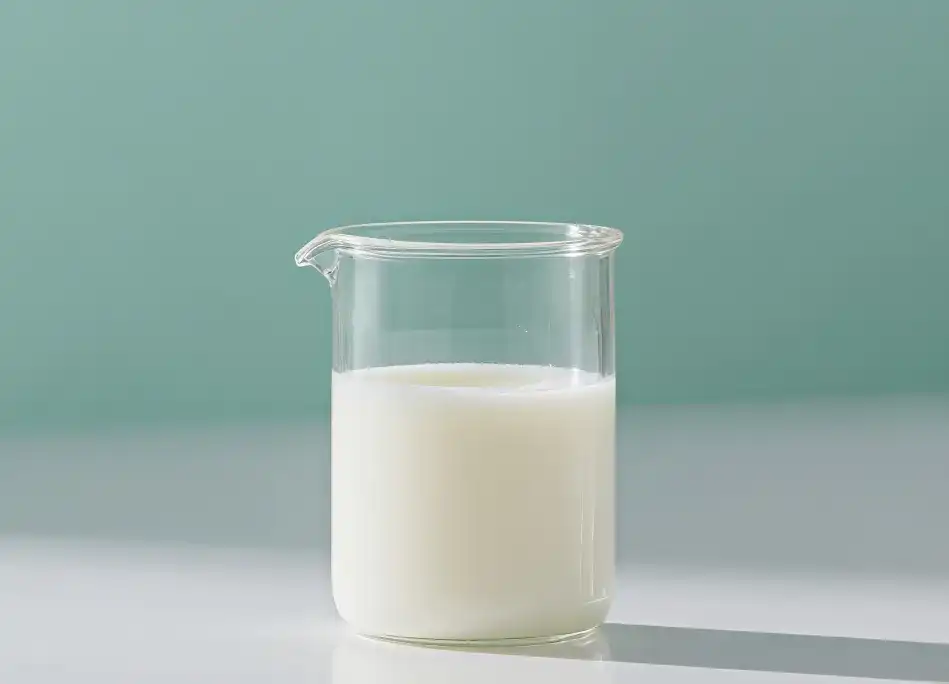
Production-grade acrylamide costs significantly less per kilogram than research-grade material. Several factors drive this gap:
Manufacturing scale creates obvious economies. Producing thousands of tons allows fixed costs to spread across enormous volumes. Bulk packaging—supersacks and drums rather than small bottles—reduces handling and material costs.
Purification intensity differs substantially. Research-grade acrylamide undergoes additional refinement steps and extensive analytical verification. Each purification stage adds cost. Each certificate of analysis requires instrument time and skilled technicians.
Industrial processes tolerate wider specification windows. This flexibility allows manufacturers to optimize for throughput rather than chasing the last fraction of a percent in purity. The resulting cost savings pass through to customers who don’t need ultra-high purity for their applications.
Comparing the Two Grades Side by Side
The practical differences between research-grade and production-grade acrylamide extend beyond purity numbers. Understanding these distinctions helps match materials to applications.
| Feature | Research-Grade Acrylamide | Production-Grade Acrylamide |
|---|---|---|
| Purity Level | Ultra-high (>99.9%) | High, consistent (>98.0%) |
| Impurity Profile | Minimal trace impurities | Controlled, acceptable |
| Application Focus | R&D, analytical, medical | Industrial manufacturing |
| Cost | Higher per unit | Lower per unit (bulk) |
| Packaging | Small, specialized | Bulk (bags, drums) |
| Shelf Life | Shorter, sensitive | Longer, stable |
These differences ripple through to polymer properties. High-purity acrylamide produces more predictable molecular weight distributions. Reaction kinetics follow theoretical models more closely. Researchers can isolate variables and draw meaningful conclusions.
Industrial applications need different things. Robust performance across large batches matters more than theoretical precision. Consistent viscosity development, reliable flocculation behavior, and stable product quality batch after batch—these outcomes drive material selection for production environments.
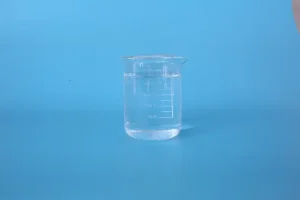
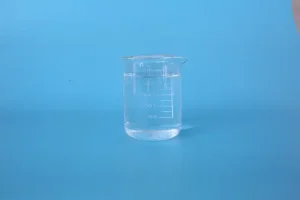
Shandong Nuoer’s Acrylamide Monomer Crystal leverages advanced microbial technology to achieve ultra-low impurities with strong polymerization performance. Our Acrylamide Aqueous Solution delivers similar advantages for liquid-phase applications, maintaining strict quality standards throughout.
Breaking Down the Key Differences
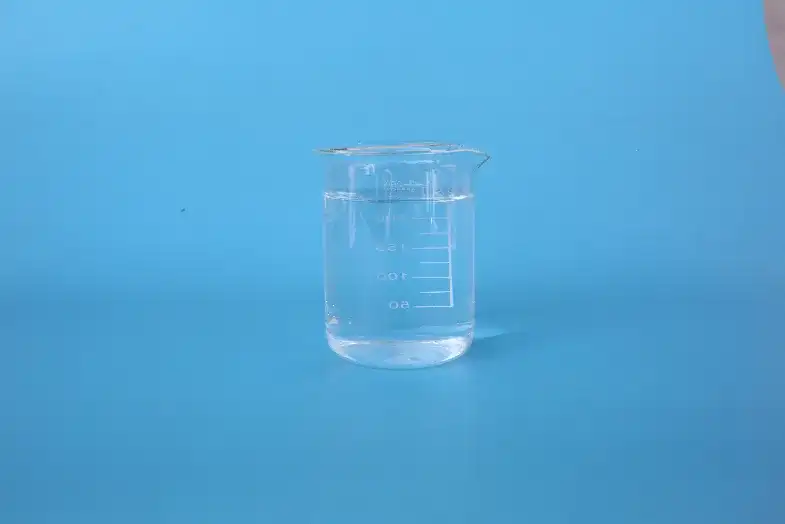
The core distinctions come down to three factors: purity requirements, intended use, and economic considerations.
Research applications cannot compromise on purity. A kinetics study needs to know that observed behavior reflects actual chemistry, not contaminant effects. Medical diagnostics demand materials that won’t introduce artifacts into sensitive assays. Advanced polymer synthesis requires precise control over molecular architecture.
Industrial applications prioritize consistency and throughput. A water treatment plant processes millions of gallons daily. The polyacrylamide flocculant needs to perform reliably, but slight variations in monomer purity won’t affect treatment outcomes. The economics favor materials optimized for large-scale production.
Handling requirements also differ. Research-grade materials often need controlled storage conditions and careful handling to maintain purity. Production-grade acrylamide tolerates more robust handling appropriate to industrial environments.
Finding a Supplier You Can Count On
Material quality means nothing if you can’t get it when you need it. Supplier reliability encompasses product consistency, delivery performance, technical capabilities, and regulatory compliance.
A dependable acrylamide supplier maintains robust quality control across every batch. They provide complete documentation—Safety Data Sheets, Certificates of Analysis, regulatory certifications—without chasing. They answer technical questions with real expertise rather than marketing scripts.
Shandong Nuoer Biological Technology Co., Ltd. brings substantial capabilities to these requirements. Our production capacity of 300,000 tons annually supports customers ranging from university research labs to multinational chemical companies. Our R&D team develops solutions for emerging applications. Our global distribution network ensures reliable delivery to customers worldwide.
Technical support extends beyond product delivery. We help customers optimize their processes, troubleshoot unexpected results, and adapt formulations to specific requirements. This partnership approach builds relationships that last beyond individual transactions.
Matching Materials to Your Actual Needs
Selecting the right acrylamide grade requires honest assessment of several factors. Budget constraints matter, but so do technical requirements. Scale of operations influences both cost and logistics. Regulatory requirements may dictate specific purity levels or documentation.
Start with the end application. Medical diagnostics, electrophoresis, and advanced polymer research demand ultra-high purity. The cost premium for research-grade material represents insurance against wasted experiments and unreliable results.
Large-scale water treatment, enhanced oil recovery, and general industrial polymerization favor production-grade acrylamide. Consistent quality at competitive cost drives operational efficiency. The slight purity difference has no meaningful impact on final product performance.
Consider your process sensitivity. Some industrial applications approach research-grade requirements. Specialty polymers for demanding applications may justify higher purity even at production scale. The decision isn’t always binary.
Shandong Nuoer offers tailored solutions across this spectrum. Our mission centers on achieving customer success and creating value. We provide consultation to help navigate these choices, ensuring optimal acrylamide selection for each project’s specific requirements.
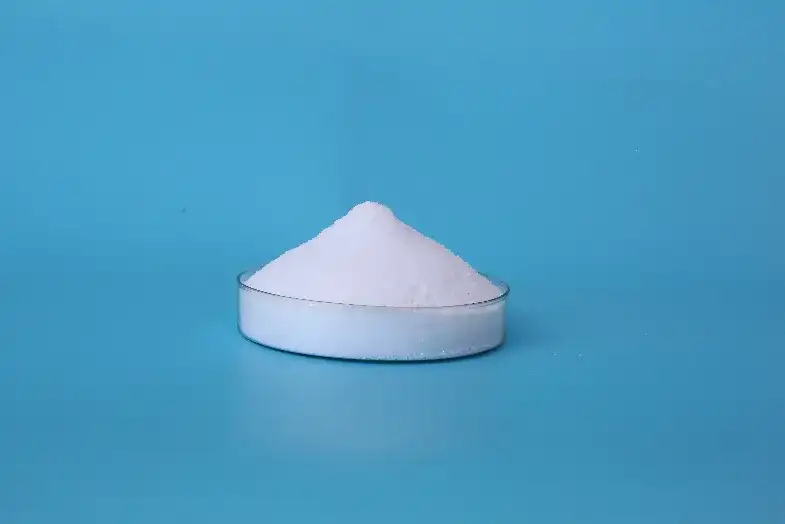
Where High-Purity Acrylamide Crystals Make the Difference
Certain applications simply cannot tolerate impurity-related variability. Electrophoresis separates proteins and nucleic acids based on molecular properties—contaminants can distort migration patterns and invalidate results. Advanced polymer synthesis for specialty materials requires precise control over molecular architecture. Medical diagnostics depend on reproducible assay performance.
High-performance coatings represent another demanding application. Film properties depend on polymer characteristics that trace back to monomer quality. Surface smoothness, adhesion, and durability all connect to the molecular structure built during polymerization.
In these fields, the cost difference between grades becomes trivial compared to the consequences of compromised results. A failed clinical assay or rejected coating batch costs far more than the premium for research-grade acrylamide.
Common Questions About Acrylamide Selection
What is the primary difference in purity requirements for research vs. industrial acrylamide?
Research-grade acrylamide typically exceeds 99.9% purity with trace impurities held to parts-per-million levels. This stringency ensures that experimental observations reflect actual chemistry rather than contaminant effects. Industrial-grade acrylamide maintains consistent quality above 98.0% purity, with a controlled impurity profile that doesn’t disrupt large-scale polymerization. The tighter research specifications support precise experimental control, while industrial specifications optimize for manufacturing efficiency and cost-effectiveness.
How do purity and specifications impact acrylamide applications?
Higher purity delivers predictable reaction kinetics and consistent polymer properties. Researchers can trust their molecular weight distributions and charge density measurements. Industrial users get reliable batch-to-batch performance in their production processes. Mismatched specifications create problems in both contexts—research results become unreproducible, and production batches may fail quality checks or underperform in application. The cost of using inappropriate materials typically exceeds the savings from choosing a cheaper grade.
Why is supplier reliability crucial when sourcing acrylamide crystals?
Consistent product quality prevents process upsets and quality failures. Timely delivery keeps production schedules on track and research projects moving forward. Proper documentation—Safety Data Sheets, Certificates of Analysis, regulatory certifications—supports compliance requirements and provides traceability. Technical support helps resolve unexpected issues and optimize processes. A reliable supplier becomes a partner in operational success rather than just a vendor filling orders.
Work With Shandong Nuoer on Your Next Project
Whether your work involves cutting-edge research or large-scale industrial production, Shandong Nuoer Biological Technology Co., Ltd. brings the expertise and capacity to support your acrylamide requirements. Our R&D capabilities, extensive production infrastructure, and global distribution network position us to deliver consistent quality wherever you operate.
Reach out to discuss your specific needs. We’ll help identify the right grade and specifications for your application, ensuring your projects succeed from material selection through final product.
Email: en*****@***er.com
Phone: +86-532-66712876
If you’re interested, check out these related articles:
Nuoer at 32nd China International Paper Technology Exhibition 2025
Nuoer Showcased at 26th China IE Expo


 English
 Russian
 Arabic
 Spanish