
Petrochemical facilities deal with some of the most unpredictable wastewater streams in heavy industry. pH swings, emulsified oils, suspended solids that resist settling—these aren’t edge cases, they’re daily realities. Amphoteric polyacrylamide has become a go-to solution precisely because it handles this variability without requiring constant chemical adjustments. After working with this polymer across different treatment scenarios, the pattern is clear: it performs where single-charge flocculants struggle, and that consistency translates directly into operational stability.
The Chemistry Behind Amphoteric Polyacrylamide Performance
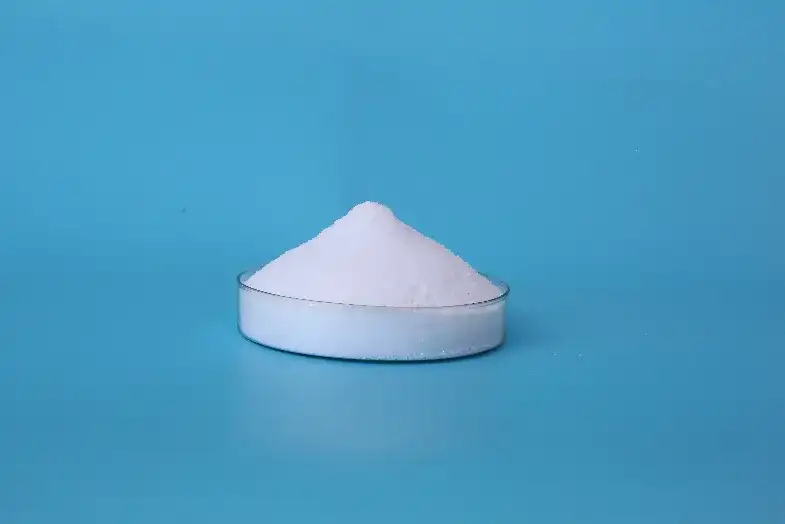
Amphoteric polyacrylamide is a ternary copolymer synthesized from cationic monomers, acrylamide, and a hydrolyzing agent. The resulting polymer chain carries both positive and negative charges distributed irregularly along its length. This dual-charge structure is what gives the polymer its defining characteristic: pH stability across a broad operating range.
During manufacturing, charge density and molecular weight are precisely controlled to match specific industrial requirements. The polymer also exhibits inherent temperature resistance and chemical resistance, which matters in petrochemical environments where process streams routinely exceed conditions that would degrade conventional treatment chemicals.
Why Amphoteric Polyacrylamide Works Across Variable pH Conditions
Petrochemical wastewater rarely holds a stable pH. Acidic streams from certain process units mix with alkaline effluent from others, creating treatment challenges that single-charge polymers cannot address consistently.
Amphoteric polyacrylamide sidesteps this problem through its dual-charge nature. In acidic wastewater, the cationic sites dominate particle interaction. In alkaline wastewater, the anionic sites take over. The result is effective charge neutralization of suspended particles and colloids regardless of pH conditions. This triggers a bridging effect that promotes rapid flocculation and sedimentation—the same mechanism, just activated through different charge pathways depending on the water chemistry.
Water Treatment Applications in Petrochemical Operations
Effective water treatment determines whether a petrochemical plant meets discharge limits and maintains process water quality. Amphoteric polyacrylamide addresses multiple treatment objectives within the same facility.
The polymer excels in produced water treatment, where complex mixtures of hydrocarbons, dissolved solids, and fine particulates require aggressive separation. It improves oil-water separation efficiency in primary treatment stages and enhances sludge dewatering in downstream processing. Heavy metal removal and suspended solids reduction both benefit from the polymer’s flocculation characteristics, helping facilities achieve environmental discharge regulations and compliance standards.
Refinery Water Treatment Performance
Refineries generate wastewater streams with high organic loads and emulsified hydrocarbons. Amphoteric polyacrylamide improves the efficiency of dissolved air flotation (DAF), sedimentation, and filtration systems by promoting rapid floc formation and settling.
The practical outcomes are measurable: reductions in chemical oxygen demand (COD) and biochemical oxygen demand (BOD), high total suspended solids (TSS) removal, and increased oil removal efficiency. These improvements mean cleaner effluent leaving the facility and lower costs for downstream treatment or disposal.

Oil Recovery and Process Efficiency Gains
Amphoteric polymers contribute beyond wastewater treatment. In enhanced oil recovery (EOR) applications, polymer flooding uses these materials to increase the viscosity of injected water. Higher viscosity improves sweep efficiency—the injected fluid displaces oil more uniformly rather than channeling through high-permeability zones.
The polymer also reduces friction in drilling fluids, which lowers energy consumption and equipment wear. Emulsion breaking and demulsification benefit from the amphoteric charge structure, separating oil from water more effectively than single-charge alternatives. These capabilities support flow assurance, operational efficiency, and production optimization across upstream operations.
Comparing Amphoteric Polyacrylamide to Other Flocculant Options
Oilfield applications present conditions that expose the limitations of conventional flocculants. The comparison below illustrates where amphoteric polyacrylamide outperforms anionic polyacrylamide, cationic polyacrylamide, and nonionic polyacrylamide.
| Flocculant Type | pH Adaptability | Salinity Tolerance | Oil-Water Separation | Sludge Dewatering | EOR Performance |
|---|---|---|---|---|---|
| Amphoteric Polyacrylamide | Broad | High | Excellent | Excellent | High |
| Anionic Polyacrylamide | Alkaline | Moderate | Good | Good | Moderate |
| Cationic Polyacrylamide | Acidic | Moderate | Good | Good | Moderate |
| Nonionic Polyacrylamide | Broad | Low | Fair | Fair | Low |
Anionic polymers perform well in alkaline conditions but lose effectiveness when pH drops. Cationic polymers show the opposite pattern. Nonionic polyacrylamide tolerates pH variation but struggles with high-salinity environments common in oilfield operations. Amphoteric polyacrylamide maintains performance across both variables, which explains its growing adoption in application specific scenarios where conditions fluctuate.
Operational and Environmental Advantages
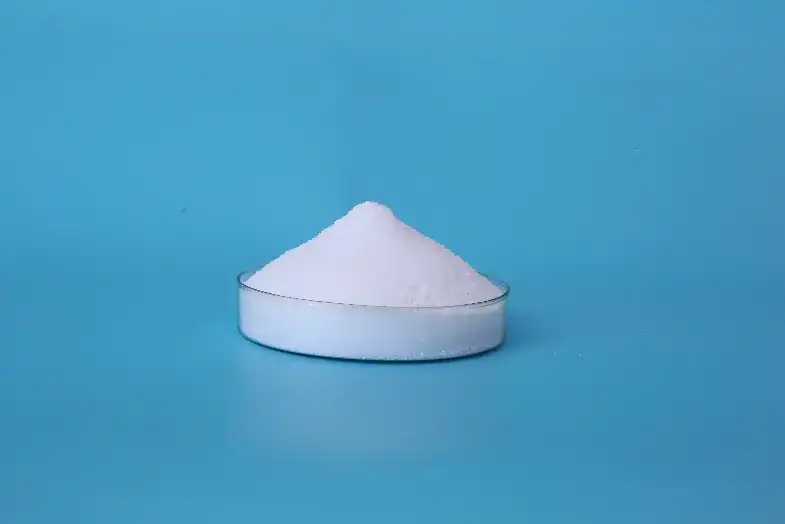
Shandong Nuoer Biological Technology Co., Ltd. manufactures amphoteric polyacrylamide with an annual production capacity of 500,000 tons. This scale ensures supply chain reliability for petrochemical operators who cannot afford treatment chemical shortages.
The environmental case for amphoteric polyacrylamide rests on process optimization. Better flocculation means lower chemical consumption overall. More effective sludge dewatering reduces waste volumes. Improved treatment efficiency helps facilities meet regulatory compliance requirements without over-engineering their systems. Continuous R&D innovation at Nuoer drives product improvements that compound these benefits over time.
Environmental and Safety Considerations
Amphoteric polyacrylamide is not biodegradable in the conventional sense, but its application reduces the discharge of harmful pollutants—a net positive for environmental impact. The polymer itself presents manageable handling requirements when proper protocols are followed.
Nuoer provides comprehensive safety data sheets (SDS) covering handling procedures and storage guidelines. The focus is on responsible chemical use that minimizes toxicity concerns while delivering treatment performance. Proper dosing prevents both under-treatment and unnecessary chemical release.
Implementation and Optimization Guidance
Getting the most from amphoteric polyacrylamide requires attention to product selection, dosage optimization, and ongoing performance monitoring. The polymer’s versatility means multiple formulations exist for different process conditions.
Nuoer’s technical team supports implementation through field trials that identify the optimal product and dosing rate for specific wastewater characteristics. Application guidelines address process integration, and expert consultation helps operators troubleshoot issues as they arise. This collaborative approach ensures the polymer delivers its full potential rather than underperforming due to suboptimal implementation.
Frequently Asked Questions About Amphoteric Polyacrylamide
What treatment functions does amphoteric polyacrylamide serve in petrochemical facilities?
Amphoteric polyacrylamide functions as both a flocculant and coagulant for oil-water separation, sludge dewatering, and clarification of produced and process water. The dual-charge structure allows it to perform across varying pH and salinity conditions without requiring chemical adjustments, which simplifies operations and reduces treatment variability.
How does amphoteric polyacrylamide improve oil recovery rates?
In polymer flooding operations, amphoteric polyacrylamide increases the viscosity of injected water, improving sweep efficiency and displacing more oil from reservoir rock. The polymer also aids emulsion breaking and reduces friction in drilling fluids, contributing to higher overall recovery rates from reservoirs that would otherwise leave significant oil behind.
What factors should guide supplier selection for amphoteric polyacrylamide?
Supplier selection should prioritize manufacturing capacity, product consistency, and technical support capabilities. Shandong Nuoer Biological Technology Co. offers 500,000 tons annual production capacity, a global sales and after-sales service system, and R&D resources that ensure product quality and application expertise for critical petrochemical operations.
Partner with Nuoer for Petrochemical Excellence
Shandong Nuoer Biological Technology Co., Ltd. provides amphoteric polyacrylamide solutions backed by 500,000 tons annual production capacity and a global service network. Our technical team works directly with petrochemical operators to optimize water treatment, enhance oil recovery, and achieve sustainable operational performance. Contact our experts for a tailored consultation.
Email: en*****@***er.com | Phone: +86-532-66712876
If you’re interested, check out these related articles:
Nuoer Group Donates Sanitary Pads to Rongzhuang Village
Nuoer Group Donates 300000 RMB to Rongzhuang Village
Nuoer Biology Scholarship Donation Ceremony at China University of Petroleum
Nuoer Honored as Outstanding Tax Contributor in Dongying City 2024





 English
 Russian
 Arabic
 Spanish