
Achieving Consistent Flocculation When Process Conditions Won’t Stay Still
Anyone who has spent time managing industrial wastewater knows the frustration. You dial in your treatment chemistry, everything runs smoothly for a shift or two, and then the pH swings, the temperature climbs, or a new batch of raw material changes the ionic profile entirely. Suddenly your flocculant stops working the way it should. Sludge settles poorly, effluent clarity drops, and you’re scrambling to adjust dosages while production keeps moving. Fluctuating process conditions create real headaches for treatment operators, and traditional flocculants often can’t keep pace with the variability. Amphoteric polyacrylamide offers a different approach—a polymer chemistry designed to maintain performance even when the surrounding environment refuses to cooperate.
Why Industrial Wastewater Rarely Behaves Predictably
Modern manufacturing generates wastewater that changes character constantly. Raw material quality varies between suppliers. Production rates shift with demand. Different product lines create different waste streams, sometimes within the same day. These realities translate into wastewater with pH values that swing from acidic to alkaline, temperatures that rise and fall with process cycles, and ionic compositions that shift depending on what’s being produced.
Traditional chemical treatments struggle under these conditions. A cationic flocculant optimized for slightly acidic water loses effectiveness when pH climbs. An anionic polymer tuned for alkaline conditions fails when the system turns acidic. The result is inconsistent performance—sometimes excellent separation, sometimes poor. Operators compensate by overdosing chemicals, which drives up costs and generates more sludge. Or they accept subpar effluent quality and hope regulators don’t notice.
Process stability in industrial wastewater treatment isn’t a luxury. It’s fundamental to controlling costs, meeting discharge limits, and keeping operations running without constant intervention. The challenge is finding chemistry that adapts rather than chemistry that demands stable conditions it will never receive.
The Chemistry Behind Amphoteric PAM’s Adaptability
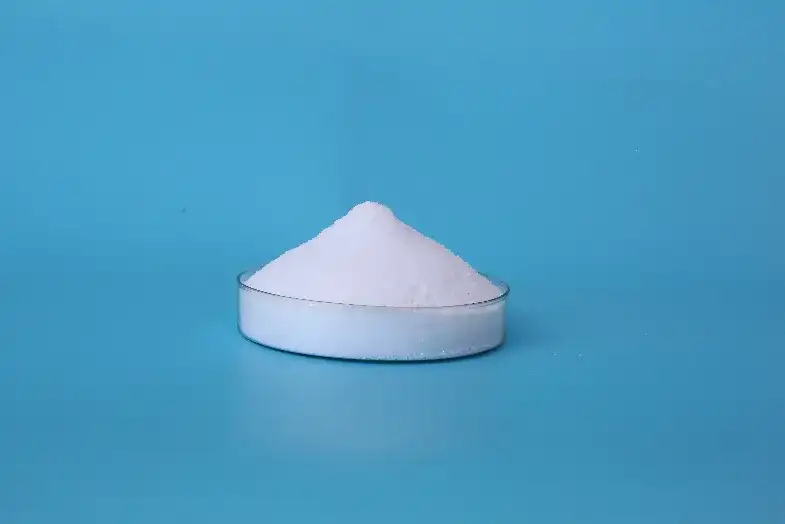
Amphoteric polyacrylamide differs fundamentally from conventional flocculants in its molecular architecture. This Polyacrylamide Supplier OEM product is a ternary copolymer built from cationic monomers, Acrylamide Aqueous Solution, and a hydrolyzing agent. The synthesis creates an irregular polymer chain carrying both positive and negative charges along its length—a zwitterionic structure that gives amphoteric flocculants unusual flexibility.
Standard cationic or anionic polymers carry a single charge type. They work well when conditions match their design parameters but become unreliable when those conditions shift. Amphoteric PAM sidesteps this limitation through its dual-charge polymer structure. The functional groups include both positively charged amine-based sites and negatively charged carboxylate-based sites. This enables two simultaneous flocculation mechanisms: charge neutralization and bridging.
When ionic composition changes, the polymer can present whichever charge type the suspended particles need for effective interaction. This inherent chemical versatility explains why amphoteric PAM maintains consistent performance in environments where other polymers fail.
Responding to Extreme pH Shifts
The pH stability of amphoteric PAM comes from having both acidic and basic functional groups built into the same polymer chain. In acidic conditions, the basic groups pick up protons and become positively charged. In alkaline conditions, the acidic groups release protons and develop negative charges. This protonation and deprotonation happens automatically as the surrounding acid-base conditions change.
The practical effect is charge reversal capability. The polymer adjusts its net charge to match what the system needs at any given moment. Suspended particles still encounter effective charge neutralization and bridging regardless of whether the pH sits at 4 or 10. This dynamic response is what maintains polymer performance across the full pH range that industrial operations encounter.
What Sets Amphoteric PAM Apart from Conventional Options
Cationic flocculants work best with negatively charged particles in acidic to neutral conditions. Anionic flocculants prefer positively charged particles in neutral to alkaline environments. Non-ionic polymers tolerate pH variation better but lack strong charge-based flocculation mechanisms, which limits their effectiveness.
When process conditions fluctuate, these traditional polymers lose performance stability. Treatment efficacy drops, chemical consumption rises, and operators spend time adjusting dosages instead of managing other priorities. Amphoteric PAM eliminates much of this variability by dynamically adjusting its charge profile. This simplifies polymer selection and improves overall process reliability.
Performance Comparison Across Flocculant Types
| Feature | Amphoteric PAM | Cationic PAM | Anionic PAM | Non-ionic PAM |
|---|---|---|---|---|
| Charge Type | Both positive and negative (zwitterionic) | Positive | Negative | Neutral |
| pH Range Tolerance | Very broad (acidic to alkaline) | Narrow (typically acidic to neutral) | Narrow (typically neutral to alkaline) | Broad (less sensitive to pH) |
| Ionic Strength Tolerance | High | Moderate | Moderate | High |
| Performance Consistency | High, even with fluctuations | Variable, sensitive to pH/ionic strength | Variable, sensitive to pH/ionic strength | Moderate, weaker charge-based flocculation |
| Application Complexity | Ideal for complex, variable effluents | Best for negatively charged particles | Best for positively charged particles | Best for mechanical dewatering |

Solving Real Problems Across Industrial Applications
The practical value of amphoteric PAM shows up in process efficiency and environmental compliance across multiple industries. In industrial wastewater treatment, where effluent characteristics shift throughout the day, amphoteric PAM maintains effective solid-liquid separation. Suspended solids come down consistently, and water clarity improves even when influent quality varies.
Oilfield chemicals applications present particularly demanding conditions. Produced water treatment and drilling muds involve high salinity and pH levels that change with formation characteristics. Amphoteric PAM’s resilience under these conditions leads to cleaner water discharge and better oil recovery rates.
Mining applications benefit from superior tailings dewatering and mineral processing performance. The polymer handles the complex industrial effluents typical of mining operations while minimizing environmental footprint and maximizing resource recovery.
Sludge dewatering sees perhaps the most dramatic improvements. Amphoteric PAM forms strong, dense flocs that resist mechanical breakdown. Even with complex or oily sludges, the result is significantly reduced sludge volume and improved filterability. These operational challenges become manageable rather than constant sources of frustration.
Improving Dewatering Results When Sludge Characteristics Vary
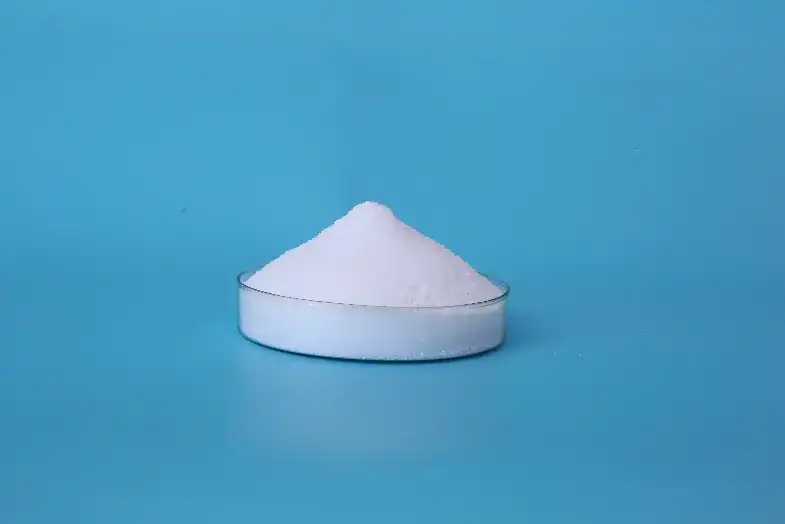
Amphoteric PAM enhances sludge dewatering by creating flocs that hold together under mechanical stress. The polymer maintains optimal charge neutralization and bridging even when pH and ionic strength fluctuate, which means floc formation stays consistent regardless of what the incoming sludge looks like.
The measurable outcomes include lower sludge volume index, better filter press performance or centrifuge efficiency, and higher solids content in the dewatered cake. These improvements translate directly into reduced dewatering costs and lower disposal expenses. The benefits persist even when sludge characteristics change unpredictably—exactly the conditions that cause problems with conventional flocculants.
Getting the Most from Amphoteric PAM
Achieving optimal performance requires attention to application details. Proper polymer preparation matters—complete dissolution and appropriate concentration are essential for efficacy. Mixing conditions during polymer addition need to provide uniform distribution and adequate contact time with the wastewater.
Process control systems should incorporate real-time monitoring of pH, turbidity, and flow rates. This allows dynamic adjustments when conditions shift. Jar testing remains valuable for establishing baseline dosage ranges for specific effluents, though amphoteric PAM’s inherent system robustness reduces the need for frequent, dramatic dosage changes.
Continuous feed systems with proportional control based on flow or solids loading enhance stability further. Regular calibration of dosing pumps and consistent quality checks of the polymer solution maintain reliable performance. These application guidelines ensure the polymer delivers its intended flocculation benefits consistently, maximizing efficiency even as influent conditions vary.
The Economic and Environmental Case for Amphoteric PAM
The financial benefits of amphoteric PAM stem from its consistent performance under variable conditions. Optimized chemical dosage combined with reduced sludge volumes minimizes overall chemical consumption and lowers disposal costs. These operational costs savings accumulate over time into substantial figures.
Environmental benefits parallel the economic ones. Better effluent quality ensures compliance with increasingly stringent regulatory standards. Reduced sludge generation lessens the environmental impact of waste disposal. Enhanced solid-liquid separation improves resource efficiency by facilitating water reuse and recovery of valuable materials.
The combination offers compelling return on investment for industries seeking to improve both financial performance and environmental stewardship. Sustainable solutions that also reduce costs represent the ideal outcome for any treatment operation.
Reducing Chemical Consumption in Clarification Applications
Amphoteric PAM typically allows for chemical optimization in water clarification. Its high efficiency and broad adaptability enable optimized dosages, often lower than what conventional flocculants require. The polymer’s ability to maintain performance across varying pH and ionic strength conditions eliminates the need for additional pH adjustment chemicals or higher dosages to compensate for process fluctuations.
The practical result is substantial treatment costs savings, improved clarification efficiency, and overall dosage reduction in chemical spend. Operations become more economical and more sustainable simultaneously.
The Real Cost of Unstable Treatment Processes
Process stability matters in industrial wastewater treatment because instability cascades into problems throughout the operation. Fluctuating influent characteristics cause frequent process upsets and system failures. Poor effluent quality follows, increasing the risk of compliance failures and regulatory penalties.
Unstable processes demand more chemical consumption, higher energy usage, and elevated maintenance costs from equipment strain. Product quality suffers in processes that rely on treated water. Operational continuity becomes uncertain rather than reliable.
Effective risk management in wastewater treatment prioritizes solutions that absorb variations and maintain consistent performance. Ignoring stability needs leads to compounding negative effects that undermine both environmental responsibility and financial viability. Amphoteric PAM represents a strategic investment in long-term operational resilience and adherence to wastewater regulations.
Shandong Nuoer’s Approach to Advanced Polymer Solutions
Shandong Nuoer Biological Technology Co., Ltd. operates as a modern high-tech enterprise integrating research, development, production, marketing, and service of advanced polymer products. As a leading polyacrylamide supplier with annual production capacity of 500,000 tons, the company serves global markets through operations spanning over 60 countries.
The product range extends to Super Absorbent Polymer Supplier Wholesale and Acrylamide Supplier OEM products, supported by extensive R&D capabilities. This global sales network ensures advanced polymer technology reaches industries worldwide. Quality assurance and customer success drive the development of tailored solutions for complex industrial challenges, including amphoteric PAM formulations designed for specific application requirements.
Working with Shandong Nuoer
Shandong Nuoer Biological Technology Co., Ltd. focuses on achieving customer success through manufacturing quality products and building global market presence. With annual production capacity of 500,000 tons of polyacrylamide and operations across more than 60 countries, the company provides tailored amphoteric PAM solutions for challenging fluctuating process conditions.
Contact the technical team at en*****@***er.com or +86-532-66712876 to discuss specific application needs and explore how advanced polymer technology can address your treatment challenges.
Frequently Asked Questions About Amphoteric PAM
What makes amphoteric PAM effective for variable industrial effluents?
Amphoteric PAM carries both positive and negative charges along its polymer chain, allowing it to adapt dynamically to significant shifts in pH and ionic strength. This dual-charge structure ensures consistent flocculation and solid-liquid separation regardless of how influent characteristics change. Conventional polymers with single charge types lose effectiveness when conditions move outside their optimal range, while amphoteric PAM continues performing across the full spectrum of conditions industrial operations encounter.
Which industries see the greatest benefit from amphoteric PAM?
Industries dealing with diverse and fluctuating wastewater compositions gain the most from amphoteric PAM. Municipal and industrial wastewater treatment facilities, oil and gas operations handling drilling muds and produced water, mining operations processing tailings and minerals, pulp and paper mills, and chemical manufacturing plants all face conditions where amphoteric PAM’s adaptability provides measurable advantages over conventional flocculants.
How does amphoteric PAM dosage compare to conventional flocculants?
Amphoteric PAM’s high efficiency and broad adaptability often allow for optimized dosages that match or fall below what conventional flocculants require for equivalent results. The polymer’s consistent performance across varying conditions eliminates the need for frequent dosage adjustments that drive up chemical consumption with traditional products. This translates into chemical savings and reduced operational costs over time.
What long-term advantages does amphoteric PAM provide?
Sustained benefits include enhanced process stability, significant reductions in sludge volume, improved effluent quality meeting stringent environmental regulations, lower chemical consumption, and extended equipment lifespan from reduced process upsets. These factors combine to deliver substantial operational cost savings while supporting a more sustainable environmental footprint.
Where can operations source high-quality Amphoteric Polyacrylamide Flocculant?
Shandong Nuoer Biological Technology Co., Ltd. produces advanced polyacrylamide products including high-performance amphoteric formulations. With annual production capacity of 500,000 tons and a global sales and service network, the company provides customized solutions and technical support to ensure optimal performance for specific industrial applications.
If you’re interested, check out these related articles:
Nuoer Wins Two Provincial Honors
Nuoer Biology Builds New Plastic Playground in Xianhe Town
Nuoer Showcased at 26th China IE Expo
Nuoer Biology Scholarship Donation Ceremony at China University of Petroleum





 English
 Russian
 Arabic
 Spanish