
Industrial wastewater rarely holds still. One batch runs acidic, the next swings alkaline, and somewhere in between, your flocculant either keeps working or it doesn’t. Non-ionic polyacrylamide sits in that narrow category of chemicals that genuinely perform across the full pH spectrum—not because marketing says so, but because the chemistry doesn’t depend on charge. When the bridging mechanism drives flocculation instead of electrostatic attraction, pH becomes less of a variable and more of a footnote. That reliability matters most in water treatment, mineral processing, and anywhere else the feed stream refuses to stay predictable.
How Non-Ionic Polyacrylamide Differs at the Molecular Level
Non-ionic polyacrylamide is a homopolymer built from repeating acrylamide monomers. The chains are linear, the molecular weight runs high, and the ionization stays low. What sets it apart from cationic or anionic variants is the absence of significant charged functional groups along the backbone. No sulfonate groups pulling negative. No quaternary amines pushing positive. Just amide linkages holding the structure together.
This neutral character gives the polymer strong hydrolysis resistance. In harsh pH environments, ionic polyacrylamides can lose charge density or degrade outright. Non-ionic polyacrylamide doesn’t face that problem because there’s no charge to lose. The molecular weight and physical properties govern behavior instead. That structural simplicity translates into functional versatility—the same polymer can work as a flocculant, thickener, binder, or film-former depending on how it’s applied.
The Bridging Effect Behind Non-Ionic Polyacrylamide Flocculation
The flocculation mechanism of non-ionic polyacrylamide centers on physical bridging rather than charge neutralization. Long polymer chains adsorb onto suspended particles at multiple points simultaneously. As those chains extend through the solution, they create a network that pulls smaller particles together into larger aggregates.
Hydrogen bonding and physical adsorption do the heavy lifting here. The amide groups along the polymer backbone form hydrogen bonds with particle surfaces and surrounding water molecules. This creates attachment points that hold the bridge together. Because the mechanism doesn’t rely on neutralizing surface charges, it works regardless of whether those particles carry positive, negative, or minimal charge. The result is faster sedimentation, clearer supernatant, and reduced sludge volume. Flocs form through physical entanglement, not electrical attraction.
Why pH Swings Don’t Derail Non-Ionic Polyacrylamide Performance
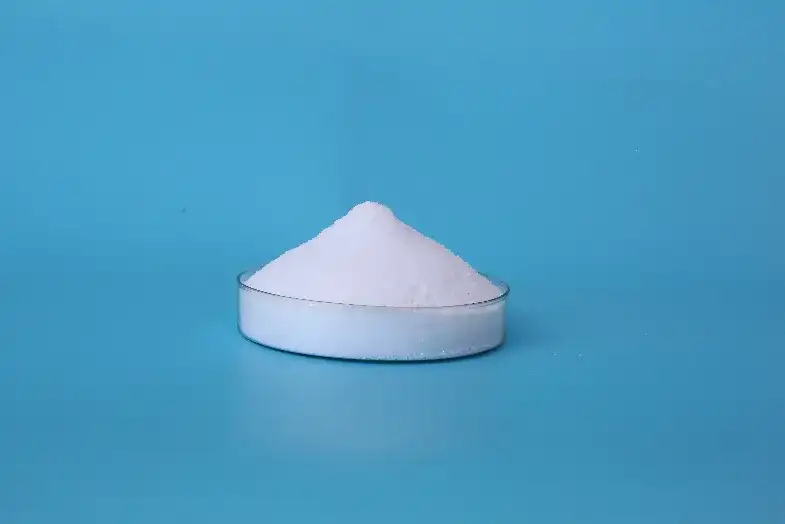
Non-ionic polyacrylamide maintains consistent performance in both acidic and alkaline conditions because its molecular structure contains no ionizable groups. There’s nothing to protonate in low pH. Nothing to deprotonate in high pH. The polymer stays neutral regardless of what the surrounding solution does.
Ionic flocculants don’t share this advantage. Cationic polyacrylamide flocculant loses effectiveness when pH rises and the positive charges become less pronounced. Anionic polyacrylamide faces similar issues in acidic environments where protonation reduces charge density. Non-ionic polyacrylamide sidesteps these problems entirely. The bridging mechanism operates independently of electrolyte concentration and ionic strength. This independence eliminates the narrow optimal pH window that constrains ionic alternatives, giving operators flexibility when feed conditions vary.
Does Non-Ionic Polyacrylamide Work in Acidic Environments?
Non-ionic polyacrylamide performs reliably in acidic conditions. The excess protons present at low pH don’t interfere with polymer stability or bridging capacity because there are no charged groups to neutralize or alter. This makes non-ionic polyacrylamide particularly valuable for industrial wastewater treatment processes handling acidic effluents—situations where ionic polymers often underperform or require pH adjustment upstream.
What Role Does Hydrogen Bonding Play in Non-Ionic Polyacrylamide Flocculation?
Hydrogen bonding provides the primary adhesion mechanism in non-ionic polyacrylamide flocculation. The amide groups distributed along the polymer chain form hydrogen bonds with both water molecules and particle surfaces. These non-covalent interactions anchor the polymer to multiple particles, strengthening the bridging effect and enabling efficient aggregation. This mechanism explains why non-ionic polyacrylamide maintains effectiveness across pH ranges that would compromise charge-dependent flocculants.
Industrial Applications Where Non-Ionic Polyacrylamide Delivers Results
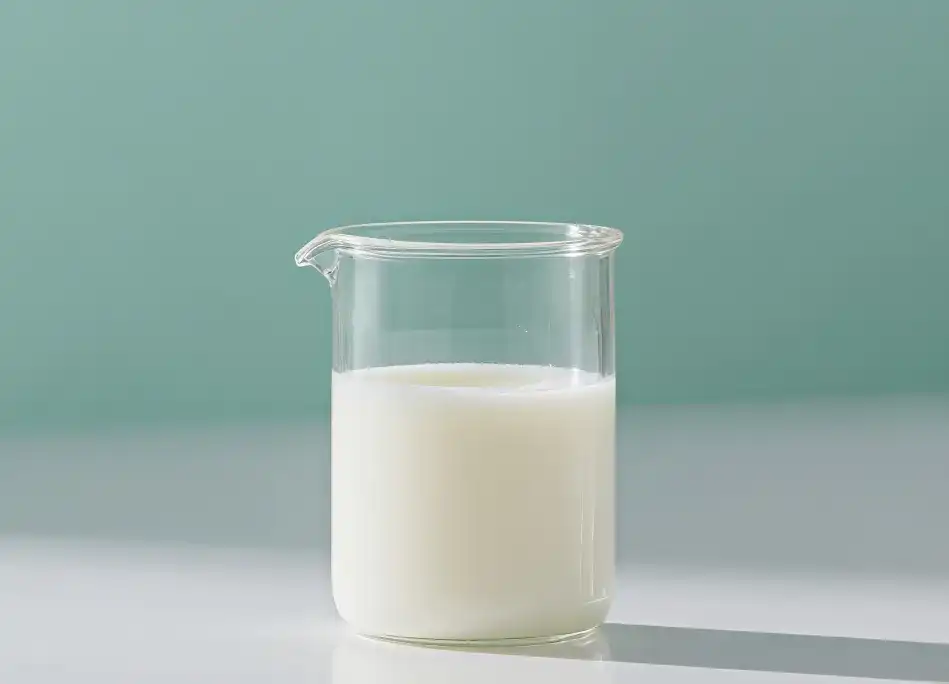
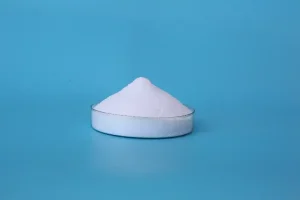
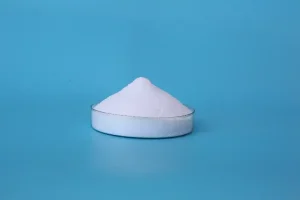
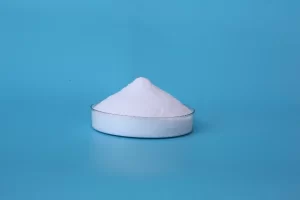
Nonionic Polyacrylamide Powder finds application wherever solid-liquid separation needs to work reliably across variable conditions. Wastewater treatment facilities use it to clarify effluents and reduce sludge volumes before disposal. In sludge dewatering, the polymer conditions material ahead of mechanical presses and centrifuges, producing drier cakes that cost less to haul away.
Mineral processing operations rely on non-ionic polyacrylamide to separate fine particles from ore slurries, improving metal recovery while enabling water recycling. Paper mills use it as a retention aid to keep fibers in the sheet and clarify white water for reuse. The oil and gas industry applies it in drilling fluids and produced water treatment. Dosage optimization matters in every case—too little leaves solids suspended, too much wastes chemical and can actually impair separation. Proper application delivers cost reduction alongside environmental compliance.
| Application Sector | Primary Function | Key Benefit |
|---|---|---|
| Wastewater Treatment | Flocculation, Sedimentation | Improved effluent clarity, Sludge reduction |
| Sludge Dewatering | Conditioning, Volume Reduction | Drier sludge cake, Lower disposal costs |
| Mineral Processing | Solid-Liquid Separation, Tailings Treatment | Enhanced recovery, Water recycling |
| Paper Making | Retention Aid, Water Clarification | Increased fiber retention, Reduced water usage |
| Oil & Gas Industry | Drilling fluid additive, Produced water treatment | Enhanced fluid properties, Water purification |
Matching Non-Ionic Polyacrylamide Grade to Application Requirements
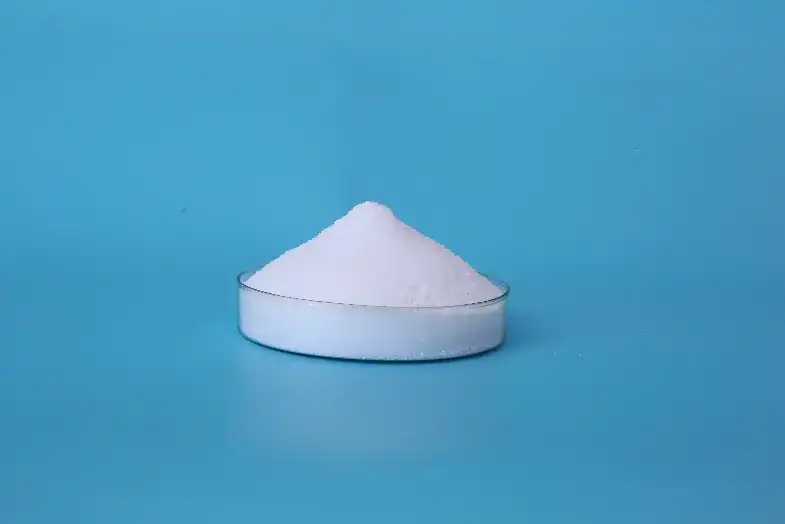
NPAM selection starts with understanding what the application actually demands. Molecular weight drives bridging capacity—higher molecular weight means longer chains that can span greater distances between particles, forming larger flocs that settle faster. But higher isn’t always better. Some applications need smaller flocs or different rheological behavior, which calls for lower molecular weight grades.
The degree of hydrolysis matters too, though non-ionic grades keep this minimal by definition. What varies more meaningfully is the balance between floc size, sedimentation rate, and the characteristics of the suspended solids being treated. Dense mineral particles behave differently than organic sludge. Cold water slows dissolution and mixing. These factors all influence which grade performs best. Technical consultation helps match product specifications to process conditions, avoiding the trial-and-error approach that wastes time and chemical.
How Does Molecular Weight Affect Non-Ionic Polyacrylamide Performance?
Molecular weight determines how far the polymer chains can reach and how many particles they can bridge simultaneously. Higher molecular weight grades produce longer chains that create larger, denser flocs. These settle faster and leave clearer supernatant behind. Lower molecular weight grades form smaller flocs and may suit applications where different rheological properties matter more than maximum settling speed. The optimal choice depends on the specific solids being treated and the separation equipment in use.
Working with Shandong Nuoer on Non-Ionic Polyacrylamide Solutions
Shandong Nuoer Biological Technology Co. operates as a polyacrylamide supplier OEM with annual production capacity reaching 500,000 tons. That scale supports consistent supply alongside the flexibility to customize grades for specific industrial requirements. Technical support helps match product selection to application conditions, whether the challenge involves acidic mine drainage, alkaline process water, or anything in between.
Email: en*****@***er.com
Phone: +86-532-66712876
Frequently Asked Questions About Non-Ionic Polyacrylamide
What makes non-ionic polyacrylamide effective across varying pH levels?
Non-ionic polyacrylamide maintains flocculation efficiency across diverse pH conditions because its mechanism depends on hydrogen bonding and physical bridging rather than electrostatic interactions. The polymer carries no significant charge that pH changes could alter, so it performs consistently whether the environment runs acidic or alkaline.
Can non-ionic polyacrylamide be used for drinking water treatment?
Non-ionic polyacrylamide works effectively for industrial wastewater treatment and sludge dewatering, but drinking water applications require specific regulatory approvals and ultra-high purity grades. Certain formulations may meet potable water standards, though local regulations and product certifications must be verified before any drinking water application.
How do I determine the optimal dosage of non-ionic polyacrylamide for my application?
Optimal dosage determination typically begins with laboratory jar tests that evaluate different concentrations against your specific suspended solids. Pilot-scale trials follow to confirm results under actual operating conditions. Variables including solids type, concentration, water temperature, and mixing intensity all influence the ideal dose. Starting with manufacturer recommendations and adjusting based on test results produces better outcomes than guessing.
If you’re interested, check out these related articles:
Nuoer Biology Scholarship Donation Ceremony at China University of Petroleum
Nuoer Showcased at 26th China IE Expo
Nuoer Group Donates 300000 RMB to Rongzhuang Village


 English
 Russian
 Arabic
 Spanish