
Choosing between emulsion and powder polyacrylamide for mining isn’t just a procurement decision—it shapes how your entire solid-liquid separation process runs day to day. I’ve seen operations struggle with the wrong form, watching dissolution times stretch out or handling headaches multiply, when a different choice would have solved the problem from the start. The two forms behave differently in preparation, dosing, and performance, and those differences ripple through everything from labor costs to environmental compliance. This breakdown covers what actually matters when making that call for mineral processing applications.
How Emulsion and Powder Polyacrylamide Differ at a Fundamental Level
Polyacrylamide comes in two primary forms, and the chemistry behind each one determines how it performs in real mining conditions. Shandong Nuoer Biological Technology Co., Ltd. manufactures both, using distinct processes that yield products with different handling characteristics and application profiles. Getting the fundamentals right prevents mismatches between product and process.
What Makes Emulsion Polyacrylamide Work
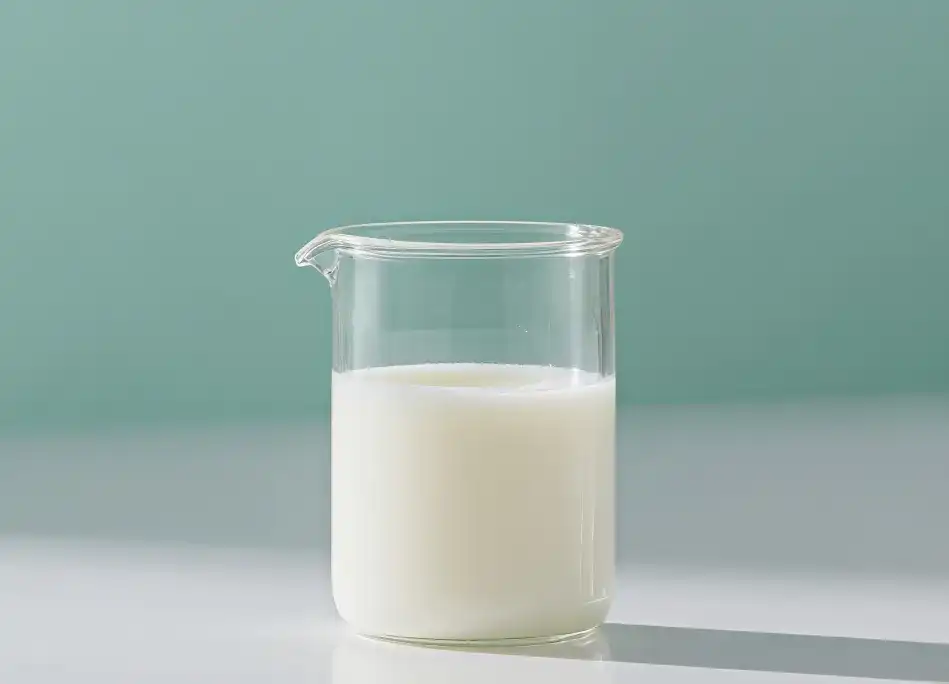
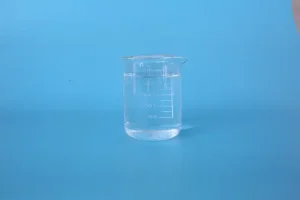
Emulsion-Type Polyacrylamide uses water-in-oil emulsion technology to deliver a high-concentration liquid flocculant. The manufacturing process achieves strong conversion rates and keeps the product stable during storage and transport. Dissolution happens fast—typically 5 to 15 minutes—which means less waiting and faster response when process conditions shift. The liquid form fits naturally into automated dosing systems, cuts down on dust exposure for workers, and simplifies the handling chain. Molecular weight stays consistent across batches, which helps maintain predictable flocculation behavior.
Where Powder Polyacrylamide Holds Advantages
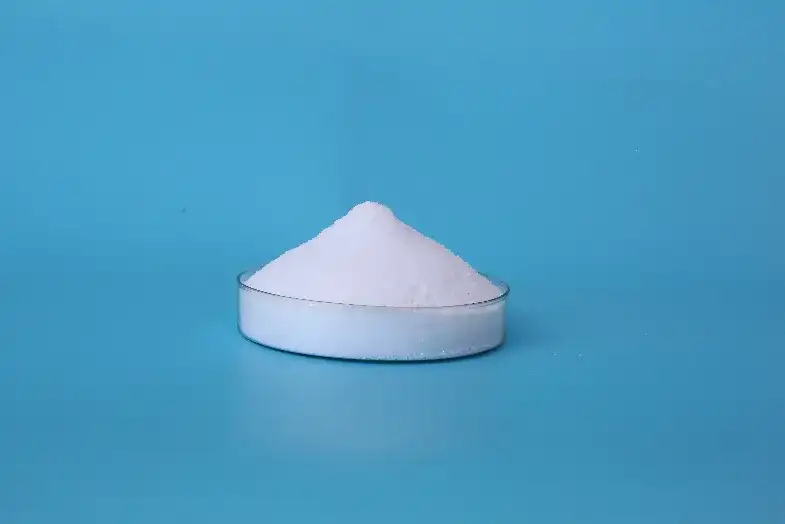
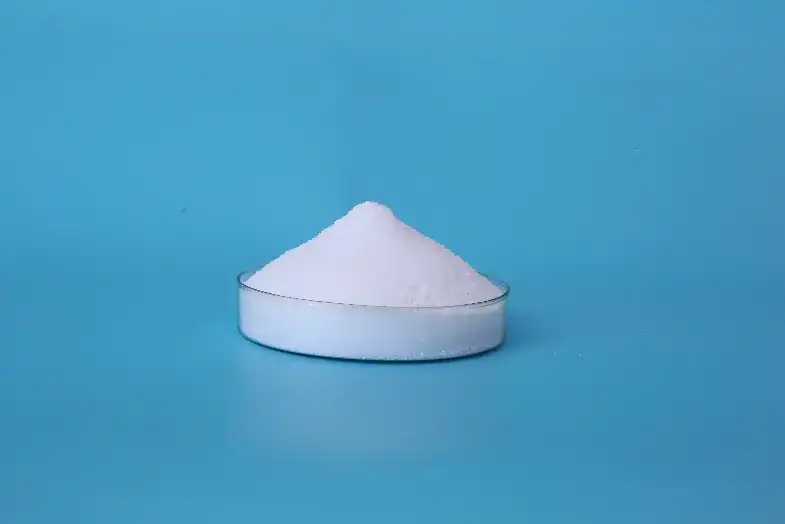
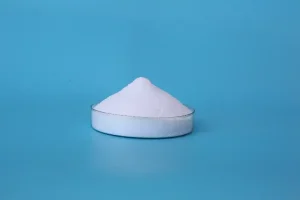
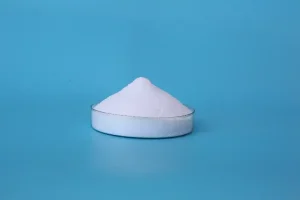
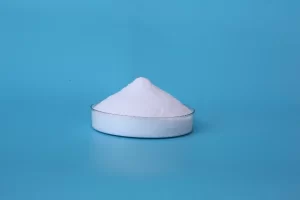
Powder polyacrylamide, whether Anionic Polyacrylamide or Cationic Polyacrylamide Flocculant, arrives as solid granules with higher active content by weight than emulsions typically offer. That concentration advantage translates directly into lower shipping costs per unit of working polymer. Shelf life runs longer, and the format tolerates a wider range of storage conditions. Powder formulations also span a broader spectrum of molecular weights and ionic charges, giving process engineers more flexibility when matching flocculant properties to specific ore characteristics. The tradeoff is dissolution time—powder needs more preparation effort and the right equipment to hydrate properly.
| Feature | Emulsion Polyacrylamide | Powder Polyacrylamide |
|---|---|---|
| Physical State | Liquid (inverse emulsion) | Solid (granules/powder) |
| Active Content | Typically 30-60% | Typically 85-95% |
| Dissolution Rate | Fast (5-15 minutes) | Slower (30-60 minutes, requires agitation) |
| Handling | Easy, low dust, suitable for automation | Requires careful handling, potential for dust |
| Storage | Limited shelf life (6-12 months), temperature sensitive | Longer shelf life (24 months+), less temperature sensitive |
| Transportation Cost | Higher per active unit | Lower per active unit |
Real-World Handling Differences That Affect Mining Operations
The gap between emulsion and powder polyacrylamide shows up most clearly in daily operations—how you prepare solutions, what equipment you need, and how your team interacts with the material. These practical factors often matter more than theoretical performance specs.
Preparation Time and True Cost Differences
Getting powder PAM into solution demands specialized dissolution equipment with controlled agitation. Rush the process or skip proper mixing, and you end up with undissolved lumps—”fish eyes”—that waste product and reduce flocculation effectiveness. The preparation sequence consumes energy, water, and labor hours. Emulsion PAM, functioning as a Polyacrylamide Emulsion, disperses quickly without elaborate equipment, which cuts capital costs and simplifies training requirements. But the per-kilogram price of active polymer in emulsion form runs higher than powder. Any honest comparison has to account for the full picture: transport expenses, storage infrastructure, energy consumption, water usage, and the labor hours your team spends on preparation.
Safety and Environmental Factors in Mining Contexts
Powder polyacrylamide generates dust during transfer and handling. That dust creates air quality concerns and inhalation risks that require ventilation systems and personal protective equipment. Emulsion PAM eliminates the dust problem entirely but introduces liquid spill risks that need containment protocols and cleanup procedures. Modern emulsion formulations have reduced their environmental footprint by minimizing oil and surfactant content. Both forms, when applied correctly, support water recycling goals and help reduce the volume of tailings that need long-term management.
For additional context on industry developments, see 《Nuoer Showcased at 26th China IE Expo》.
Flocculation Performance Across Different Mineral Processing Scenarios
What ultimately matters is how well the polyacrylamide performs its job—aggregating fine particles into settleable flocs, improving water recovery, and reducing waste volumes. Both forms work effectively as flocculants, but each has conditions where it performs best.
Tailings dewatering, thickening, and clarification all depend on polyacrylamide driving particle aggregation. Emulsion PAM often performs well in situations requiring rapid flocculation, particularly in high-shear environments where quick dispersion and activation matter. The consistent behavior makes it reliable for continuous automated systems where dosing precision directly affects outcomes.
Powder PAM, once properly dissolved, can reach very high molecular weights and charge densities. These properties enable strong adsorption and bridging effects that handle complex mineral slurries effectively, including those with variable pH or unusual chemical compositions. For instance, Anionic Polyacrylamide with ultra-high molecular weight excels in applications demanding aggressive floc formation and fast settling. The decision between forms depends on ore type, solids concentration, target settling velocity, and what dewatering equipment sits downstream. Pilot testing under actual site conditions remains the most reliable way to predict which form will deliver better results for a specific operation.
Matching Polyacrylamide Selection to Your Specific Mining Conditions
No single polyacrylamide form works best for every situation. The right choice depends on what you’re processing, how your facility operates, and what outcomes you’re optimizing for. Ore mineralogy, particle size distribution, slurry pH, temperature, and salinity all influence which form performs better. Fine particle separation applications might benefit from emulsion PAM’s rapid dispersion, while operations needing robust flocculation across variable conditions might favor powder PAM’s molecular weight range.
Existing infrastructure matters too. Sites with sophisticated automated dosing systems often find emulsion PAM integrates more smoothly. Operations prioritizing transportation cost savings and extended storage capability might lean toward powder PAM. Shandong Nuoer provides technical support and customized solutions across the full polyacrylamide range, including Cationic Polyacrylamide and Non-ionic polyacrylamide. We recommend pilot testing at the actual site to verify performance under real operating conditions before committing to a supply strategy.
For background on our organizational approach, see 《Nuoer Honored as Outstanding Tax Contributor in Dongying City 2024》.
Shandong Nuoer’s Manufacturing Capabilities and Global Reach
Shandong Nuoer Biological Technology Co., Ltd. operates as a high-tech enterprise focused on polyacrylamide research, production, and application support. Since 2011, we’ve built production capacity reaching 500,000 tons of polyacrylamide annually, with 200,000 tons dedicated to polyacrylamide emulsion. Our R&D team continuously develops formulations that address evolving mining industry requirements.
Our sales network reaches over 60 countries and regions, backed by after-sales service systems that support customers through implementation and optimization. The product portfolio includes anionic, cationic, non-ionic, and amphoteric ionic types in both emulsion and powder forms. This range allows us to match specific mining challenges with appropriate solutions rather than forcing operations to adapt to limited product options.
Making the Right Polyacrylamide Decision for Your Operation
Choosing between emulsion and powder polyacrylamide requires weighing multiple factors against your specific operational context. Emulsion PAM brings handling convenience, fast dissolution, and automation compatibility. Powder PAM offers higher active content, lower transport costs, and broader formulation flexibility. Neither form is universally superior—the right answer depends on ore characteristics, process requirements, existing equipment, and environmental priorities. A complete evaluation covering technical performance, total operational costs, and environmental impact leads to better decisions than focusing on any single factor. Expert consultation and site-specific testing help ensure the selected polyacrylamide form actually delivers the solid-liquid separation performance your operation needs.
What drives the total cost difference between emulsion and powder polyacrylamide at scale?
Powder polyacrylamide typically costs less per unit of active polymer, but that advantage can shrink or disappear once you factor in dissolution equipment, energy for mixing, labor time, and water consumption. Emulsion PAM requires less capital investment in preparation systems and reduces labor hours, which can offset its higher per-kilogram price. The most accurate comparison requires calculating total cost of ownership across your specific supply chain, storage situation, and operational workflow. Shandong Nuoer works with clients to build these comprehensive cost models.
How do the environmental profiles of emulsion and powder polyacrylamide compare in mining use?
Emulsion polyacrylamide contains oil and surfactants that require proper management to avoid environmental issues, though current formulations have reduced these components significantly. Powder PAM avoids oil-based ingredients but creates dust during handling that affects air quality and worker safety. Both forms contribute positively to mining sustainability when applied correctly—they improve water recycling rates and reduce the volume of tailings requiring disposal. The environmental choice depends partly on which risks your site is better equipped to manage.
When does emulsion polyacrylamide outperform powder for fine particle separation?
Emulsion polyacrylamide disperses rapidly and activates quickly, which can provide advantages in high-shear environments where fast flocculation matters. Some fine particle separation applications benefit from this responsiveness. Powder PAM, when dissolved properly, achieves very high molecular weights that create strong bridging effects across diverse slurry conditions. The performance difference depends heavily on specific ore characteristics, slurry chemistry, and process parameters. Pilot testing under actual site conditions provides the most reliable guidance for choosing between forms.
Partner with Shandong Nuoer for Optimized Mining Solutions
Navigating the complexities of polyacrylamide selection for mining demands precise expertise. At Shandong Nuoer Biological Technology Co., Ltd., we combine over a decade of high-tech R&D with an annual production capacity of 500,000 tons of polyacrylamide, including 200,000 tons of emulsion. Our global network serves over 60 countries, ensuring you receive not just a product, but a tailored solution. Partner with us to optimize your mineral processing, enhance efficiency, and achieve sustainable operational excellence. Contact our experts today for a personalized consultation and discover how our ‘perfect products’ can drive your success.
Email: en*****@***er.com
Phone: +86-532-66712876


 English
 Russian
 Arabic
 Spanish