
Anionic Polyacrylamide sits at the heart of modern water flooding operations, and after years of watching polymer performance in the field, the gap between adequate and exceptional product quality becomes impossible to ignore. When reservoir conditions push back—high salinity, temperature swings, permeability variations—the polymer either holds its ground or falls apart. Sourcing directly from a manufacturer changes the equation entirely. You get consistency, you get technical backup when things go sideways, and you avoid the markup chain that inflates costs without adding value.
How Anionic PAM Actually Works in Water Flooding
Anionic Polyacrylamide is an ultra-high molecular weight polymer, synthesized through the copolymerization of acrylamide and acrylate salts. With molecular weights often exceeding 30 million, this polymer exhibits exceptionally strong adsorption and bridging effects. In water flooding, a primary EOR method, anionic PAM is injected into the reservoir to alter the mobility ratio between the injected water and the crude oil.
This process, known as polymer flooding, enhances sweep efficiency by increasing the viscosity of the injected water. A higher water viscosity reduces its tendency to finger through the oil, pushing more oil towards production wells. The mechanism effectively mobilizes residual oil saturation that traditional water flooding leaves behind.
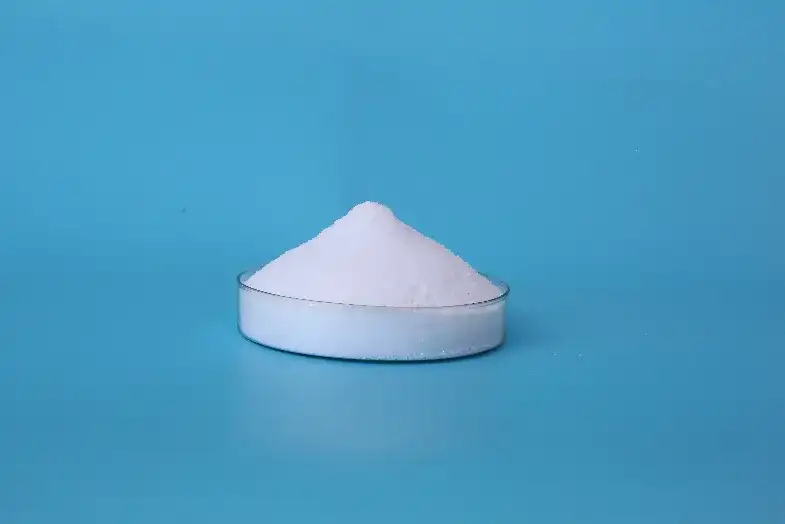
Different reservoir characteristics demand different polymer grades. We produce various grades of Anionic Polyacrylamide designed to meet diverse operational conditions. Our products ensure high flocculation efficiency and robust performance, both critical for successful chemical enhanced oil recovery.
Why Factory Direct Sourcing Makes Commercial Sense
Procuring Anionic PAM directly from a manufacturer like Shandong Nuoer Biological Technology Co., Ltd. provides significant commercial and operational benefits. Eliminating intermediaries translates into substantial cost savings, as overheads and distributor markups are removed.
This direct relationship also ensures enhanced quality assurance. Clients receive products manufactured under stringent quality control protocols, with full traceability from production to delivery. We maintain an annual production capacity of 500,000 tons of polyacrylamide, ensuring a stable and abundant supply for large-scale operations.
Direct engagement facilitates custom formulations and immediate technical support, allowing for precise product tailoring to specific reservoir conditions. This approach fosters long-term partnerships and optimizes the entire supply chain, leading to greater procurement efficiency and reliability.
| Feature | Factory Direct Sourcing | Distributor Sourcing |
|---|---|---|
| Cost | Lower due to direct pricing, economies of scale | Higher due to intermediary markups |
| Quality Control | Direct oversight, full traceability, consistent batch | Varies by distributor, less direct control |
| Technical Support | Direct access to manufacturer’s R&D and experts | Indirect, often limited to distributor’s knowledge |
| Customization | Possible for specific requirements | Limited or unavailable |
| Supply Reliability | High, direct communication with production schedule | Dependent on distributor’s inventory and logistics |
| Relationship | Long-term partnership, strategic collaboration | Transactional, less strategic |
Matching Polymer Grade to Reservoir Conditions
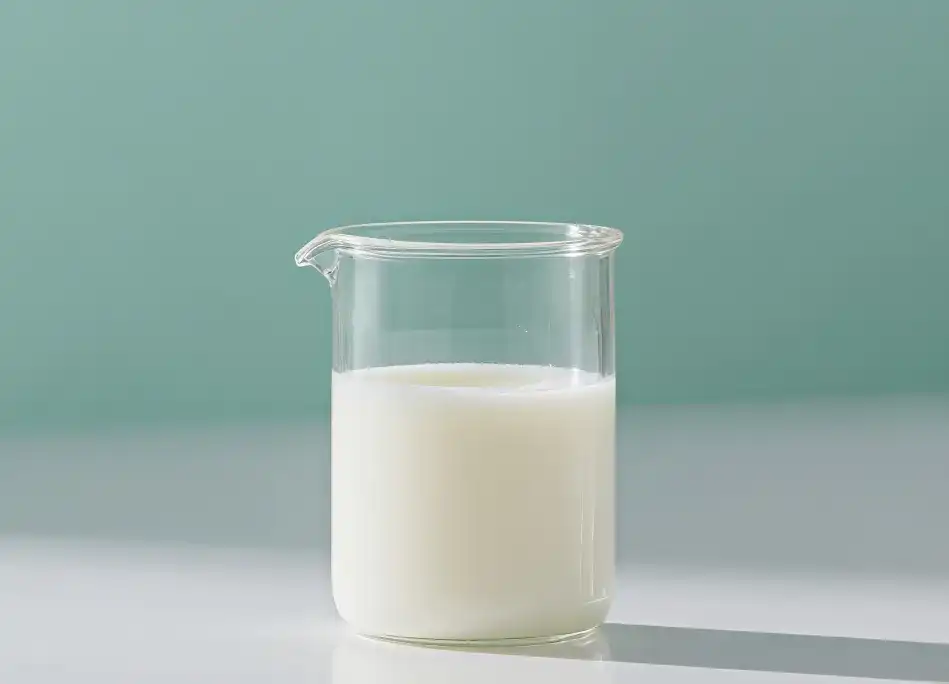
Maximizing oil recovery in water flooding operations critically depends on the quality and appropriate selection of Anionic PAM. The polymer’s effectiveness is primarily governed by its molecular weight and hydrolysis degree, which influence its solution rheology and interaction with reservoir fluids and rock formations.
High molecular weight PAM increases water viscosity more effectively, improving sweep efficiency in high-permeability reservoirs. Excessively high molecular weight can lead to injectivity issues and mechanical degradation, though. Lower molecular weight polymers may be necessary for tighter formations to ensure proper injectivity.
The hydrolysis degree affects the polymer’s charge density and its resistance to salinity and hardness in formation water. Optimal selection requires a thorough understanding of reservoir conditions, including temperature, salinity, and permeability. We offer a complete range of ionic types for adaptability to different processes and water qualities, ensuring performance optimization.
Our technical teams assist clients in selecting the ideal polymer grade for their specific EOR project success, mitigating field application challenges and polymer degradation.
Production Scale and Global Support Infrastructure
Partnering with a reputable PAM supplier is fundamental for the consistent success of EOR projects. Shandong Nuoer Biological Technology Co., Ltd. stands as a modern high-tech enterprise, integrating research and development, production, marketing, and service.
Our robust production capacity, including an annual output of 500,000 tons of polyacrylamide, ensures reliable supply for global demand. We are committed to continuous R&D, developing advanced polyacrylamide products that meet evolving industry needs.
Our global sales network and after-sales service system support clients in over 60 countries and regions. This extensive reach, combined with comprehensive technical support, ensures that our partners receive not only high-quality products but also expert guidance throughout their operations. We prioritize sustainable manufacturing practices and adhere to stringent quality certifications, building trust and delivering consistent performance.
Where Polymer Development Is Heading
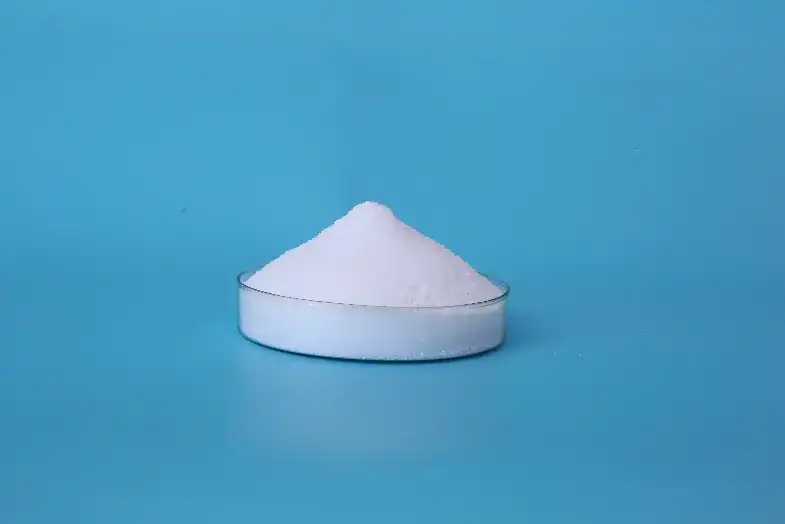
The future of Anionic PAM in water flooding is focused on enhancing sustainability and efficiency through continuous innovation. Research and development efforts are concentrated on creating more environmentally friendly polymers with reduced chemical footprints, aligning with global green chemistry initiatives.
Advances in polymer design include the development of advanced polyacrylamide variants, such as smart polymers that respond to specific reservoir conditions, and improved formulations for challenging environments. The integration of digital oilfield technologies will further optimize polymer injection strategies and monitoring, ensuring precise application and maximizing recovery while minimizing environmental impact.
Our commitment to R&D innovation drives us to explore these sustainable EOR solutions, contributing to a more responsible and efficient energy future.
Connect with Our Experts for Optimized EOR Solutions
To explore how our factory-direct Anionic PAM solutions can maximize your oil recovery and enhance operational efficiency, connect with our dedicated team. We provide tailored product recommendations and comprehensive technical support to meet your specific project requirements.
Email: en*****@***er.com
Phone: +86-532-66712876
Frequently Asked Questions
What molecular weight range works best for different reservoir types?
The optimal molecular weight for Anionic PAM in water flooding depends heavily on reservoir characteristics. For high-permeability reservoirs, a high molecular weight PAM is generally preferred to significantly increase water viscosity and enhance sweep efficiency. In lower permeability formations, a low molecular weight PAM might be more suitable to ensure adequate injectivity and prevent formation damage. The balance between viscosity enhancement and injectivity is where most field engineers spend their time, since getting it wrong means either polymer degradation or poor oil displacement.
How does buying directly from a manufacturer actually lower project costs?
Factory direct purchasing of Anionic PAM significantly reduces costs for EOR operations by eliminating multiple layers of intermediaries. This direct procurement model cuts out distributor margins and associated logistical overheads, leading to more competitive pricing. Direct relationships often facilitate economies of scale for bulk purchases and transparent pricing structures. The savings show up not just in unit cost but in reduced procurement complexity and faster resolution when supply issues arise.
What certifications indicate a reliable anionic PAM supplier?
When selecting an Anionic PAM supplier, look for ISO 9001 for quality management systems and ISO 14001 for environmental management. Compliance with REACH regulations matters particularly for European markets. These certifications assure consistent product specifications, batch consistency, and adherence to international quality assurance standards. They reflect a supplier’s commitment to reliability and responsible manufacturing practices, which translates directly into fewer surprises during field operations.
If you’re interested, check out these related articles:
Nuoer Group Donates Sanitary Pads to Rongzhuang Village
Nuoer Showcased at 26th China IE Expo
Nuoer Biology Scholarship Donation Ceremony at China University of Petroleum





 English
 Russian
 Arabic
 Spanish