
Acrylamide solution vs dry monomer handling is not a chemistry question first; it is a plant logistics question. Monomer quality can be comparable at the reactor inlet, but the form changes how a site receives, stores, transfers, and meters material. From our experience in large scale acrylamide and polyacrylamide production, high volume continuous polymerization lines usually favor aqueous solution because labor and exposure fall, while batch operation and remote locations can justify dry crystal for storage and scheduling flexibility. The correct choice turns on monomer concentration, storage temperature, and total material movement, not purchase price alone.
Why Does Acrylamide Form Selection Follow the Polymerization Line First?
The polymerization line sets the real feed requirement before any commercial comparison. A continuous polyacrylamide reactor that charges 28 to 42% acrylamide solution can receive the liquid directly into closed dosing lines, while a dry crystal charge requires make-down, heated dissolution water, and bag or supersack handling. The difference shows up in shift labor rather than in the monomer itself. We have seen buyers compare the raw material price per dry tonne of acrylamide and stop there, only to find the plant adds hours per shift in batching and cleaning when it switches forms. Quality is rarely the deciding factor if both materials meet the same specification window.
For batch specialty copolymer work, dry crystal often fits better because it can be stored as one inventory item and weighed per recipe. The same reason makes dry monomer less attractive in a continuous line where every manual transfer becomes a repetitive bottleneck. Form selection should therefore follow feed method first, then volume, then storage.
What Changes in Handling When You Move From Dry Monomer to Solution?
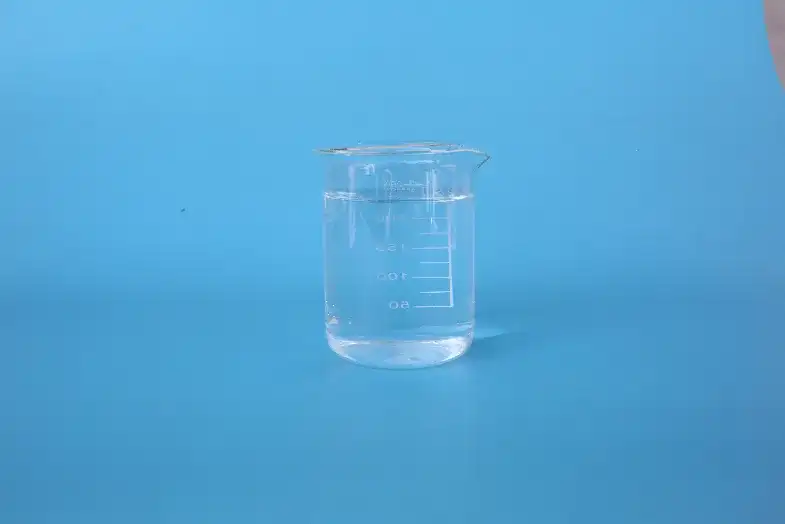
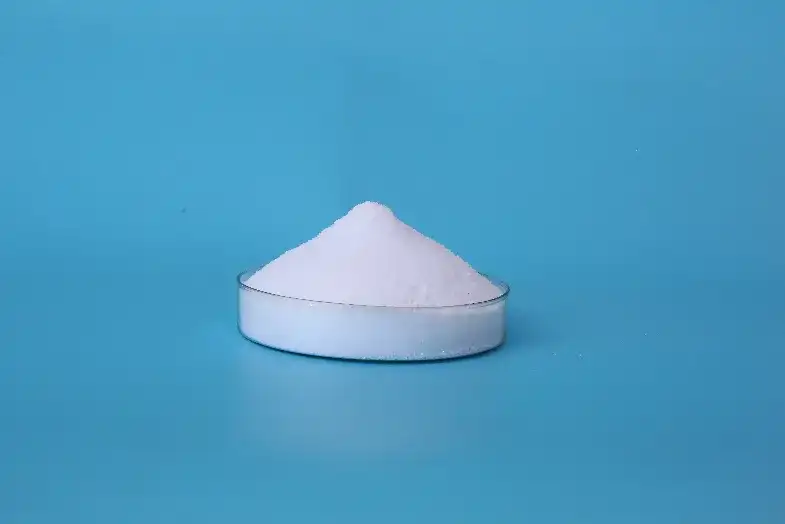
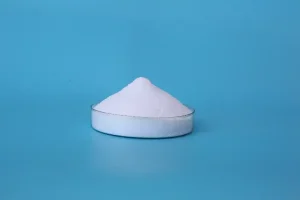
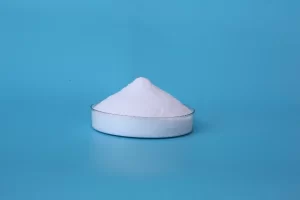
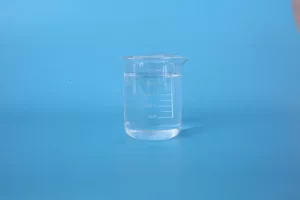
Dry acrylamide crystal arrives as a white flake solid with a purity of at least 98.0%, moisture at or below 0.8%, and inhibitor in the 3 to 10 ppm range. Handling centers on dust control, moisture protection, and controlled dissolution. Aqueous acrylamide solution, by contrast, arrives at 25 to 50% concentration and turns receiving into a pump and tank operation. The work shifts from solids handling to liquid logistics: unloading connections, tank level control, and line flushing.
| Parameter | AM Crystal | AM Aqueous Solution |
|---|---|---|
| Form received | White crystalline flake solid | 25 to 50% acrylamide solution |
| Key assay | Purity at least 98.0% | Acrylamide content 28 to 52% by grade |
| Inhibitor | 3 to 10 ppm | 0 to 100 ppm, grade dependent |
| pH | 6.5 to 7.5 at 10 g/L | 7.0 to 9.0 |
| Conductivity | At most 20 μS/cm | 5 to 30 μS/cm by grade |
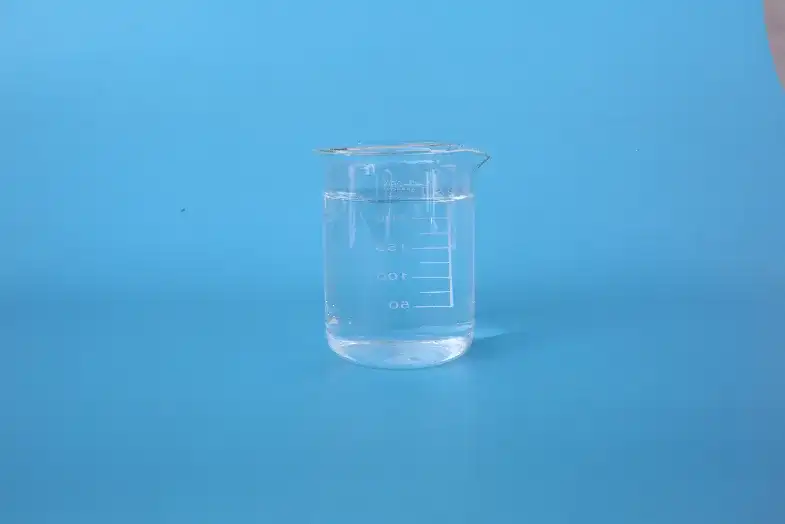
The parameter table matters because the two forms do not fail in the same way. Dry crystal fails through moisture pickup and caking if bags are opened in humid air. Solution fails through heat or UV exposure, and through water weight that raises freight. A plant that already operates a clean solids handling room may accept the dry form easily. A plant without that room will see the hygiene and exposure burden immediately.
Where Does Acrylamide Solution vs Dry Monomer Handling Create Cost Differences?
The largest cost difference is usually inbound freight plus onsite make-down labor, not monomer unit price. Dry crystal concentrates acrylamide, so the buyer does not pay to ship water. That advantage returns as dissolution energy, dust control, and operator time at the receiving plant. Aqueous solution removes most make-down work but puts water weight on the truck and adds temperature controlled storage and tank inspection tasks. For a continuous operation, the solution route often reduces direct handling labor enough to carry the extra freight.
Procurement teams should rank the cost items in this order: freight weight, receiving labor, dissolution energy, storage, and inventory risk. Price per dry tonne of monomer tells less than the sum of these five items. Where electricity is inexpensive and operators are available, dry crystal penalties shrink. Where labor is limited or production is continuous, the balance shifts toward solution.
If the receiving site is in a cold region or the monomer must be held beyond six months, the storage profile deserves confirmation before the bill of materials is fixed. Send your site temperature range and monthly consumption to en*****@***er.com for a form-specific comparison.
How Do Storage Life, Inhibitor, and Temperature Set Each Form’s Limit?
AM Crystal is stable when stored cool and dark, with a shelf life that can reach one to two years under proper conditions. Its inhibitor range of 3 to 10 ppm is set to control unintended polymerization while preserving reactivity. Aqueous solution carries a different stability profile because water and residual heat matter. Solution grades should be kept away from heat and UV light, and the supplier’s pH, inhibitor, and conductivity band becomes the practical storage envelope.
Temperature is the variable that most often catches a buyer late. Dry crystal tolerates normal warehouse humidity if bags stay sealed, but freeze protection rarely matters. Solution transport and storage need a defined temperature window because viscosity rises and crystallization can begin in cold weather, depending on concentration. A 50% grade and a 30% grade are not the same logistics problem. A higher concentration can reduce freight volume, but it also narrows the safe handling window at low temperatures.
Which Form Fits Your Polymerization Line and How Should You Specify It?
Continuous polyacrylamide and copolymer plants with steady feed rates usually run well on aqueous solution at 38 to 50% concentration. The material moves through closed piping and metering equipment without bag opening. Batch lines that make small, changing recipe volumes can work better with dry crystal because inventory stays flexible and formulation weights are measured per order. Remote sites with weak receiving infrastructure may prefer dry crystal when water freight and tank heating are hard to manage.
Specification is where the savings either lock in or leak away. For AM Crystal, I would require purity of at least 98.0%, moisture no more than 0.8%, pH in the 6.5 to 7.5 range, conductivity at or below 20 μS/cm, and iron at or below 1 ppm. For AM Aqueous Solution, I would fix the acrylamide content band to the ordered grade, hold acrylonitrile at or below 0.1% and acrylic acid at or below 0.3%, and confirm the color and conductivity grade before shipping. Those are the acceptance numbers that protect reactor performance.
If the current pain is make-down labor, dust exposure, or cold weather receiving, the form decision is worth revisiting before the next tender. Share your monthly acrylamide consumption, target concentration, and receiving temperature window with our technical team. We can compare freight, storage, and specification trade-offs for your line and recommend the lower total handling cost form. Contact Shandong Nuoer at en*****@***er.com or +86-532-66712876 with your process parameters, and the comparison can be closed without guesswork.
What Do Buyers Ask Before Choosing an Acrylamide Form?
Is a 50% acrylamide solution always the best value?
No, a 50% solution is not automatically the best value. The higher concentration cuts water freight per tonne of acrylamide, which favors continuous users. It also increases cold weather storage complexity because the solution must stay within a tighter temperature window. A plant that can receive heated storage may do well with 50%. A plant without that infrastructure may find 30% or lower concentration easier to handle. Value depends on storage capacity and ambient temperature more than concentration alone.
Does dry crystal always cost less to ship?
Many buyers assume dry crystal is always cheaper to freight because it contains no water weight. That is true at the truck scale, but not at the plant gate. Dry crystal shifts cost into bag handling, dissolution make-down, and dust control, which can exceed the freight saving in a labor constrained facility. The better comparison is landed cost plus receiving labor. On that basis, dry crystal usually wins for long distance, low labor cost, or irregular batch use, while solution wins for continuous, labor sensitive operations.
How long can each form be held before use?
It depends on the storage environment. AM Crystal kept cool, dark, and sealed can remain stable for one to two years. Acrylamide solution needs protection from heat and UV light, and the workable storage period is shorter because the product is already diluted in water. Before ordering, confirm the supplier’s inhibitor level and temperature band against your actual holding time. For long term inventory or uncertain demand, dry crystal is generally safer. For continuous consumption within a planning cycle, solution avoids extra make-down labor.
What do experienced buyers check before switching forms?
In plants we have worked with, the deciding checks are monomer concentration, receiving temperature, and labor availability, not the headline monomer price. We look at whether the reactor can accept a pumped liquid feed, where the storage tank will sit, and how long the material must remain onsite. Buyers who skip these points often choose the cheapest freight form and create a handling bottleneck later. The practical sequence is feed method first, storage condition second, and cost comparison third.
Which form is safer for a smaller manufacturing site?
Narrow the question to exposure and infrastructure. Safety risk depends on how much open powder handling the site can control. Dry crystal demands stronger dust management and personal protective equipment. Solution keeps the monomer enclosed in piping and tanks but adds liquid spill and unloading risks. A small site without a solids make-down room often finds solution operationally safer once closed transfer is set up. Share your site layout and monthly volume, and we will confirm which form fits your handling constraints.
If you’re interested, check out these related articles:
Non-Ionic Polyacrylamide Factory: Textile Industry Solutions
Optimal SAP Grades for Ultra-Thin Baby Diapers: Performance Deep Dive
Choosing Cationic Polyacrylamide for Optimal Paper Mill Performance
Nuoer Biology donates and constructs a new plastic playground at the Happiness Community III in Xianhe Town.
Acrylamide Monomer Cost vs Purity: Strategic Trade-offs


 English
 Russian
 Arabic
 Spanish