
Acrylic acid for super absorbent polymer production is not a single interchangeable commodity. The purity grade, inhibitor package, and dimer content of the monomer directly shape how uniformly a super absorbent polymer (SAP) line reaches its targeted centrifuge retention and absorption under pressure. In our production planning at Shandong Nuoer Biological Technology, we treat the glacial acrylic acid specification as the first quality gate, not a price point. A buyer who fixes the monomer spec before comparing suppliers avoids most downstream variation. Fixing that spec early narrows supplier qualification to comparable data.
What Acrylic Acid Purity Does SAP Production Need?
Acrylic acid is not interchangeable across super absorbent polymer lines. SAP polymerization is sensitive to chain transfer, crosslinking interference, and water balance, so the monomer must be glacial grade with tight dimer and moisture control. For our SAP production planning, we specify glacial acrylic acid at 99.5 percent minimum purity. Technical grade may run lower and carries higher dimer content, so it belongs in intermediate chemistry or smaller trial work rather than high retention hygiene polymer.
The reason goes beyond monomer conversion. Dimer shifts the molecular weight distribution and changes how the gel network forms. Water alters neutralization stoichiometry when sodium hydroxide is added, which shifts final absorption and gel strength. Color and aldehyde content are practical indicators as well because darkening often tracks storage stress or an unstable inhibitor package.
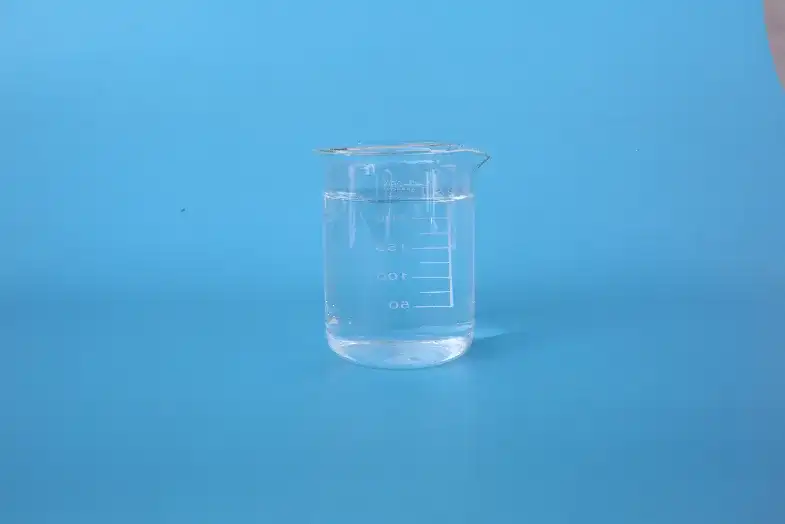
For the glacial acrylic acid grade we specify for SAP, the control points below are the first items on a certificate of analysis.
| Parameter | Glacial acrylic acid target | Why it matters for SAP |
|---|---|---|
| Purity | 99.5% minimum | Keeps monomer charge predictable through neutralization |
| Dimer content | Low, set by grade | Limits low-molecular-weight fraction and network defects |
| Water content | Low, set by grade | Preserves neutralization stoichiometry |
| Color and aldehydes | Low | Flags oxidation and storage stress before polymerization |
Glacial vs Technical Grade: Where the Line Sits
Glacial acrylic acid is the safer line for production SAP because the higher purity reduces the number of variables a formulator has to correct later. Technical grade can appear cheaper per ton, but the hidden correction is usually a process adjustment on the reactor floor. For a full scale SAP line, a few tenths of a percent in dimer or water can move retention and absorption under pressure enough to fail a hygiene product specification.
Does Polymerization Route Change the Requirement?
Partially. Continuous SAP production reacts faster to small monomer shifts because there is less blending flexibility than a batch line. Continuous processes reward a narrow incoming acrylic acid specification. Batch lines can tolerate slightly wider variation if the operator adjusts neutralization per lot, but that adds manual decision points and makes long term consistency harder to hold.
Why Do Inhibitor Type and Dimer Content Matter?
Most buyers focus on purity and stop there. That misses the two variables that cause steady, hard to diagnose SAP quality loss: inhibitor type and dimer content. The inhibitor package matters because it sets the activation energy the polymerization system must overcome. MEHQ is common, but the exact level must match the expected storage time and reactor initiation method. Too much inhibitor suppresses initiation and leaves residual monomer; too little lets premature polymerization begin during shipping or warm storage.
Dimer content is a slower acting problem. Acrylic acid dimer forms over time, especially when temperature control is weak. In SAP synthesis, dimer acts as a chain transfer or crosslinking irregularity that can widen the gel distribution. We have seen cases where two lots met the same headline purity but differed in dimer behavior, and the higher dimer lot produced softer, less consistent gel after neutralization. That is why we treat dimer as a specification item rather than a passing observation.
How Should Buyers Test Acrylic Acid Before Bulk Orders?
Buying on a certificate of analysis alone is the most expensive shortcut in SAP sourcing. A COA tells you what the supplier measured at a point in time, not what arrived after storage and transport. Buyers should request a retained pre-shipment sample, run a small polymerization trial, and compare the incoming lot against an approved reference sample before committing volume.
What a Pre-Shipment Sample Should Reveal
The sample should show more than purity. It should give dimer, water, color, aldehyde, and inhibitor levels as measured by the same method the plant will use at receipt. If two suppliers use different test methods, the numbers will not compare cleanly. Ask for the test method next to each result. That usually exposes why one 99.5 percent lot behaves differently from another.
Which Incoming Checks Catch Storage Damage?
At the warehouse, check color, clarity, and signs of stratification or particulate. Warm storage can raise dimer and reduce effective inhibitor before the reactor sees the material. A quick inhibitor check against the COA catches drift. We also retain a small reference quantity from each accepted lot, which lets us resolve later batch questions without guessing which raw material changed.
If your SAP program runs continuous polymerization with tight targets for absorption under pressure, confirm the dimer and inhibitor limits against your reactor profile before finalizing the bill of materials. Send your current monomer specification, target retention data, and monthly volume to en*****@***er.com, and we will check the grade compatibility.
What Handling and Storage Conditions Protect SAP Outcomes?
Acrylic acid quality does not end at the supplier gate. The monomer can change during storage through temperature, oxygen, and light exposure. Keep bulk storage below the temperature limit specified for the inhibitor package, and avoid long residence times in warm zones. Nitrogen blanketing is common in larger tanks because it limits oxygen driven dimer and color formation. For drums and smaller containers, rotate inventory and keep product away from direct sunlight.
Tank material also matters. Acrylic acid is corrosive and reactive, so stainless steel or specified lined storage is typical. Any rust, contamination, or water ingress will show up later as color or as a shift in neutralization behavior. We record storage temperature and receipt date per lot, then sample again before use when a lot has been held beyond the approved window. That step has prevented more production issues than any downstream correction.
Where Does Acrylic Acid Sourcing Meet SAP Quality?
Sourcing acrylic acid for SAP becomes difficult when monomer quality changes between shipments and the production line has no room to absorb that variation. The buyer ends up chasing reactor adjustments, retention drift, or hygiene product complaints after the fact. That is the wrong point to solve a raw material problem.
The better path is to lock the monomer specification before supplier comparison and to work with a source that controls acrylic acid capacity, storage, and grade consistency under one system. Shandong Nuoer Biological Technology operates integrated acrylic acid and SAP capacity, which lets us align monomer quality with the same standards our own polymer production uses. Send your required purity grade, monthly volume, and target retention data to en*****@***er.com or call +86-532-66712876, and we will confirm the matching glacial acrylic acid specification before you finalize a supplier.
What Should Buyers Ask Before Ordering Acrylic Acid for SAP?
Is glacial acrylic acid always required for super absorbent polymer?
For production grade SAP with consistent retention and absorption under pressure, glacial acrylic acid is the safer specification. Technical grade can serve pilot work or low demand trials, but it carries more dimer, water, and oxidation products that show up as gel defects or retention drift at scale. The decision should be tied to the final hygiene product specification, not to the purchase price alone. If the line cannot tolerate batch to batch monomer variation, the higher purity route costs less over a year.
Does a higher inhibitor level protect acrylic acid during long storage?
A higher inhibitor level is often assumed to mean safer storage, but the effect is only protective up to the point where the polymerization system can still initiate cleanly. Excess inhibitor suppresses initiation and can leave residual monomer or slow conversion. The better approach is to match inhibitor type and concentration to the expected storage time, storage temperature, and reactor conditions. A supplier that simply raises inhibitor without confirming the downstream reactor response creates a new problem, not a safer monomer.
What causes SAP batch consistency to drift over time?
It depends on whether the monomer supply, the neutralization step, or the polymerization conditions changed first. In many production programs we have reviewed, the root cause traces to incoming acrylic acid dimer or water content that shifted outside the agreed window, not to the SAP formula. Compare a retained monomer sample against the new lot before adjusting the reactor. If the monomer matches, then look at sodium hydroxide quality, temperature control, and crosslinker dosing in that order.
How do we qualify a new acrylic acid supplier without disrupting production?
In production programs we have supplied, qualification starts with a retained pre-shipment sample and a small reactor trial against the current approved lot. Never switch directly to bulk on a certificate of analysis alone. Run the trial, compare gel strength and retention under pressure, then phase in the new supplier across a defined volume while holding reference samples from every incoming lot. This keeps plant risk low and gives a clear comparison if batch results move. Share your current acrylic acid specification and monthly requirement with en*****@***er.com, and we will confirm whether our glacial grade fits your line.
If you’re interested, check out these related articles:
Cationic Polyacrylamide Suppliers for Optimal Wastewater Solutions
Acrylamide Solution: Essential Storage & Handling Protocols
Cationic Polyacrylamide Performance Testing: A Technical Guide
Odor Control Super Absorbent Polymer Versus Standard SAP Performance
Acrylamide Crystal Cost Efficiency Unlocking Value


 English
 Russian
 Arabic
 Spanish