
Working with acrylamide solutions over the years has taught me that the difference between a smooth production run and a costly batch failure often comes down to how well you manage storage and handling. These aren’t glamorous topics, but they’re the foundation everything else rests on. Get them wrong, and you’ll see it in your polymerization results, your safety records, and your bottom line. This piece covers what actually matters when you’re dealing with acrylamide solutions at industrial scale—the temperature windows, the container choices, the compliance requirements, and the emergency protocols that keep operations running safely.
Why Acrylamide Solution Properties Dictate Your Storage Approach
You can’t store acrylamide solutions effectively without understanding what makes them tick chemically. Acrylamide monomer is reactive by nature. It wants to polymerize, and it will do so faster when temperatures climb, UV light hits it, or contaminants find their way in. The concentration and purity of your solution play directly into how stable it remains over time. Higher concentrations tend to push the polymerization risk upward, while lower purity levels introduce variables that can accelerate degradation in unpredictable ways.
Manufacturers add polymerization inhibitors to slow down spontaneous reactions, but these inhibitors don’t last forever. Their effectiveness fades under adverse conditions or simply with the passage of time. Container selection matters too—the wrong material can leach compounds into your solution or react with it directly, compromising quality before you even open the drum.
| Property | Typical Range/Description | Stability Impact |
|---|---|---|
| Acrylamide Content | 25-50% (customizable) | Higher concentrations may increase polymerization risk |
| Acrylonitrile | $\le$ 0.1% | Impurity; can affect polymerization |
| Acrylic Acid | $\le$ 0.3% | Impurity; can affect polymerization |
| pH | 7.0-9.0 | Deviations can accelerate degradation |
| Inhibitor Content | 0-100 ppm | Essential for preventing premature polymerization |
| Color | $\le$ 20 | Indicator of purity and stability |
| Material Compatibility | Stainless steel, glass, specific plastics | Prevents contamination and degradation |
Storage Conditions That Actually Preserve Acrylamide Quality
Temperature control sits at the top of the priority list. Heat accelerates polymerization—it’s that simple. Every degree above optimal range shortens your shelf life and increases the odds of premature reaction. Light exposure, particularly UV wavelengths, can initiate degradation pathways that inhibitors weren’t designed to block. For bulk storage, oxygen becomes another concern. A nitrogen blanketing system keeps air out and prevents oxidation reactions that would otherwise compromise your solution over time.
Container choice deserves careful attention. Stainless steel and glass offer the chemical resistance needed for long-term storage without introducing contamination risks. Ventilation and humidity control in your storage area round out the environmental factors that determine whether your acrylamide solution stays stable or starts drifting toward off-spec territory.
What Temperature Range Keeps Acrylamide Solutions Stable
The sweet spot for acrylamide solution storage falls between 2-8°C. Refrigerated conditions slow the kinetic rate of both degradation and polymerization, buying you significantly more shelf life. Push outside this range—especially toward warmer temperatures—and you’re accelerating chemical reactions that will eventually show up as quality problems in your downstream processes.
Handling Procedures That Protect Your Team
Safe handling of acrylamide solutions starts with training and ends with having the right equipment in place when something goes wrong. Personnel need to understand the hazards they’re working with, not just follow procedures by rote. Chemical-resistant gloves, safety goggles, and respiratory protection aren’t optional—they’re the baseline for anyone handling these materials.
Spill response procedures need to be clear and practiced. Emergency showers and eye wash stations should be accessible within seconds, not minutes. Ventilation in handling areas reduces inhalation exposure, and safety data sheets need to be available where people can actually find them when they need them.
If you’re interested, check 《Nuoer Biology Scholarship Donation Ceremony at China University of Petroleum》.
Meeting Regulatory Requirements Without the Headaches
OSHA and REACH set the framework for how acrylamide solutions must be classified, labeled, and transported. These aren’t suggestions—they’re requirements that carry real consequences when ignored. Regular audits help catch compliance gaps before regulators do, and they often reveal process improvements you wouldn’t have spotted otherwise.
Waste disposal requires particular attention. Expired or contaminated acrylamide solutions qualify as hazardous waste under most jurisdictions, which means specific handling and documentation requirements apply from the moment you decide to dispose of them.
Disposing of Expired or Contaminated Acrylamide Solutions Safely
Proper disposal starts with containment. Collect solutions in clearly labeled, sealed containers and route them through licensed waste management facilities. These facilities have the treatment capabilities and regulatory permits to handle acrylamide waste in ways that meet environmental standards. Trying to handle disposal in-house typically creates more compliance risk than it saves in cost.
Quality Control Practices That Prevent Costly Surprises
Regular analytical testing catches problems before they reach your production line. Checking acrylamide content, purity levels, and inhibitor concentrations tells you whether your solution still meets spec or has drifted into territory that will cause problems downstream. Contingency planning—knowing who to call and what to do when something unexpected happens—keeps small incidents from becoming major disruptions.
Supplier vetting deserves more attention than it often receives. Inconsistent raw material quality creates variability in your processes that’s difficult to troubleshoot and expensive to manage. Building relationships with suppliers who maintain rigorous quality standards reduces this risk significantly.
Making Storage and Handling Work for Advanced Applications
The care you put into acrylamide solution management shows up directly in your end products. In polyacrylamide production, consistent monomer quality translates to predictable polymerization behavior and the polymer characteristics your customers expect. Superabsorbent resin manufacturing depends on stable acrylamide solutions to achieve the absorbency and water retention properties that define product performance.
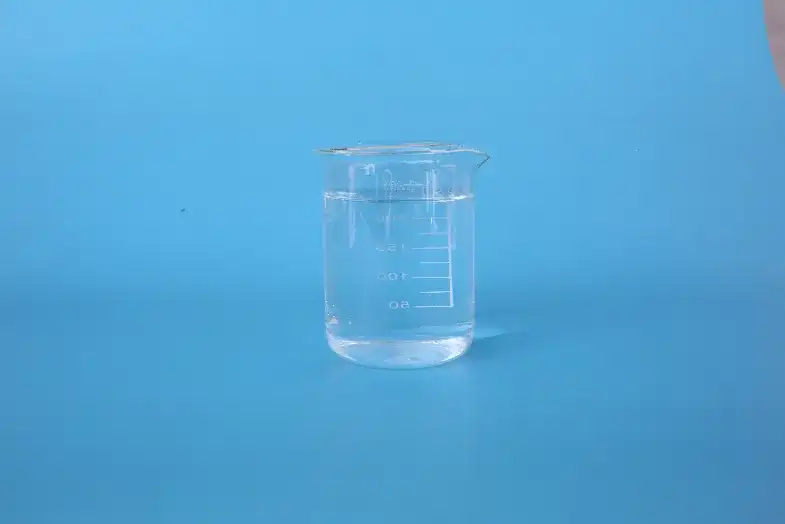
Proper management of Acrylamide Aqueous Solution supports applications ranging from flocculants in water treatment to drilling fluids in oil and gas operations to specialty chemicals in papermaking. Enhanced oil recovery and other demanding industrial processes depend on product stability—and that stability traces back to how well the acrylamide solution was stored and handled before it ever reached the reactor.
If you’re interested, check 《Nuoer at 25th China International Petroleum & Petrochemical Technology Exhibition》.
Responding to an Acrylamide Spill Effectively
Spill response follows a predictable sequence when done correctly. First, evacuate the immediate area and ensure responding personnel have appropriate PPE before approaching. Containment comes next—absorbent materials prevent spread while you assess the situation. Depending on the spill characteristics, neutralization may be appropriate before collection. All contaminated materials require proper disposal through hazardous waste channels. Finally, document the incident and report to relevant authorities and internal safety teams. Skipping any of these steps creates liability and safety gaps.
Partner with Shandong Nuoer for Superior Acrylamide Solutions
Shandong Nuoer Biological Technology Co. is a global leader in polyacrylamide, acrylamide, and acrylic acid products, committed to delivering unparalleled quality and service. Our dedication to R&D and stringent manufacturing processes ensures that our products meet the highest standards for stability and performance, simplifying your storage and handling challenges. Partner with us for reliable, high-purity chemical solutions that drive your success. Contact our experts today to discuss your specific requirements and explore how our innovative products can optimize your operations. Visit www.nuoer.com or call +86-532-66712876.
FAQ
What are the common signs of acrylamide solution degradation during storage?
Discoloration—typically yellowing—is often the first visible indicator. Increased viscosity and the formation of insoluble particles also signal that polymerization or oxidation has occurred. These changes affect both product performance and safety. Regular quality checks catch degradation early, before compromised Acrylamide Aqueous Solution reaches your production processes.
How often should safety data sheets for acrylamide be reviewed and updated?
Annual review is the standard practice, with additional updates triggered by regulatory changes, product composition modifications, or newly identified hazard information. Keeping SDS documentation current isn’t just a compliance requirement—it ensures personnel have accurate information when they need it most.
Can acrylamide solutions be stored in plastic containers, or are specific materials required?
Some plastics work for short-term storage, but stainless steel or glass containers remain the preferred choice for long-term applications. These materials offer superior chemical resistance and eliminate concerns about leaching or container degradation. Always verify material compatibility before committing to a container type—the stability of your Acrylamide Aqueous Solution depends on getting this decision right.




 English
 Russian
 Arabic
 Spanish