
Picking between Anionic Polyacrylamide and Hydrolyzed Polyacrylamide comes down to understanding what each polymer does well and where it falls short. I’ve seen operations waste significant resources using the wrong formulation for their conditions. The chemistry matters, but so does matching that chemistry to your actual process environment. This comparison breaks down the real differences between APAM and HPAM across their molecular behavior, performance characteristics, and practical applications in water treatment, enhanced oil recovery, and other industrial settings.
The Chemistry Behind APAM and HPAM
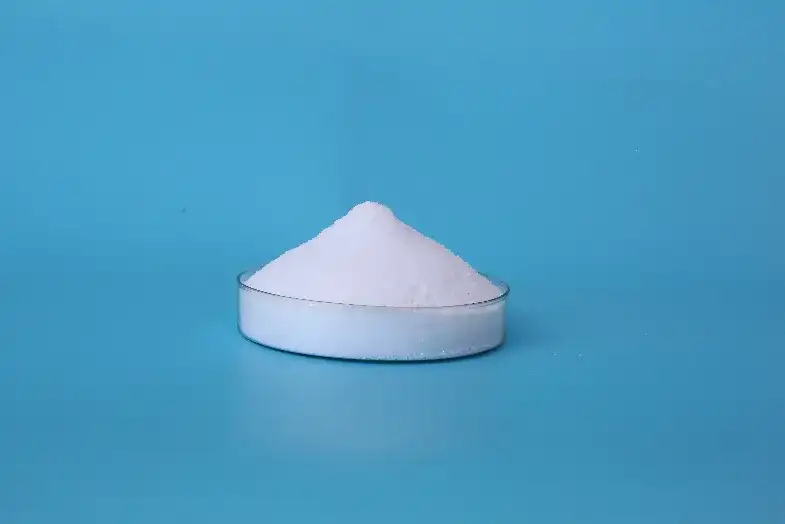
Polyacrylamide starts as a water-soluble polymer built from acrylamide monomers. The split between Anionic Polyacrylamide and Hydrolyzed Polyacrylamide comes from how manufacturers introduce anionic charges into the polymer chain.
APAM forms through copolymerization of acrylamide with acrylate salts. This process builds negative charges directly into the polymer backbone during synthesis. Those negative charges do the heavy lifting in flocculation. They neutralize positively charged particles suspended in water and pull them together into larger aggregates that settle faster. We produce Acrylamide Monomer Crystal using advanced microbial technology, ensuring ultra-low impurities for superior polymer synthesis.
HPAM takes a different route. It starts as polyacrylamide and then undergoes controlled hydrolysis. This chemical process converts some of the amide groups into carboxylate groups, which increases the overall negative charge density along the polymer chain. The degree of hydrolysis becomes a tunable parameter that directly affects solubility, charge distribution, and how the polymer behaves under stress.
Both types reach ultra-high molecular weights, often exceeding 30 million. That molecular size gives them the reach to bridge between particles and create the floc structures that make separation possible. The synthesis requires precise control over polymerization conditions and subsequent modification steps. Shandong Nuoer Biological Technology Co., Ltd. produces a complete range of ionic types to match different process requirements and water qualities, with fast dissolution rates and low residual monomer content for environmental safety.
| Property | Anionic Polyacrylamide (APAM) | Hydrolyzed Polyacrylamide (HPAM) |
|---|---|---|
| Chemical Structure | Copolymer of acrylamide and acrylate salts | Hydrolyzed form of polyacrylamide, increased carboxylate groups |
| Charge Type | Anionic | Anionic (higher charge density due to hydrolysis) |
| Primary Function | Flocculant, coagulant aid | Viscosity modifier, fluid loss control, flocculant |
| Molecular Weight | Ultra-high (e.g., >30 million) | Ultra-high (e.g., >30 million) |
| Key Advantage | High flocculation efficiency in low-to-moderate salinity water | Enhanced viscosity, better salt resistance |
Where Performance Diverges
The performance gap between Anionic Polyacrylamide and HPAM shows up most clearly when you look at specific industrial demands.
APAM shines in flocculation. Its anionic charges destabilize suspended solids and pull them into aggregates that drop out of suspension quickly. The high molecular weight accelerates settling and improves water clarity. Municipal wastewater plants and industrial treatment facilities rely on this behavior for sludge dewatering and solid-liquid separation.
HPAM brings something different to the table. The higher degree of hydrolysis gives it superior viscosity-building properties. When you need to modify fluid rheology, HPAM delivers. This characteristic makes it essential for oil displacement in enhanced oil recovery operations, where controlling fluid mobility determines how much oil you actually recover.
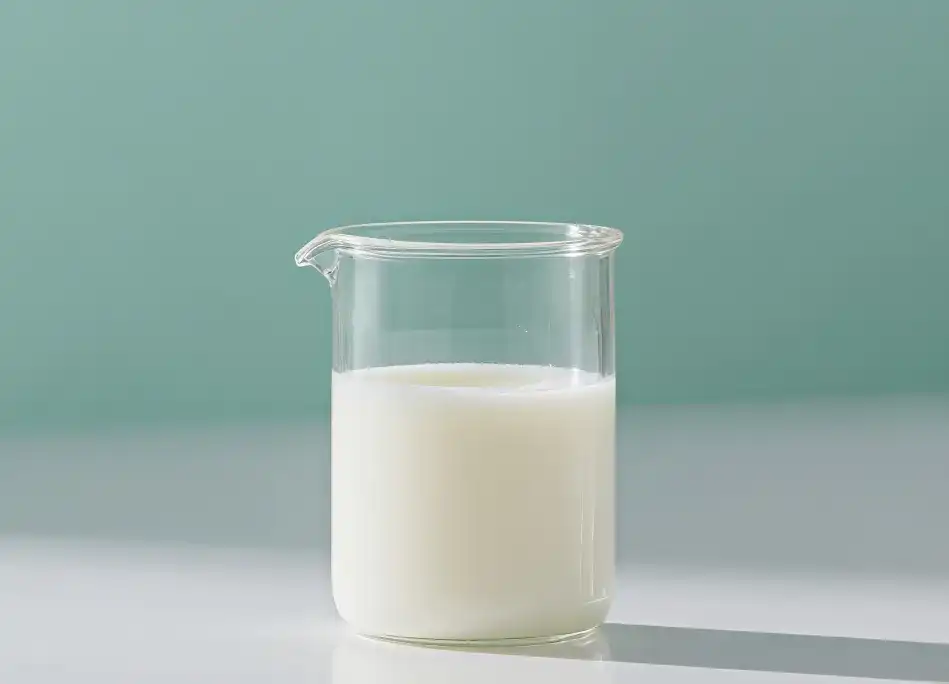
HPAM also handles salt better. It maintains performance in brine conditions and at elevated temperatures where standard APAM would struggle. The polymer chain stays extended in saline solutions, preserving its functional properties. Both polymers work as flocculants, but HPAM’s stability in challenging environments often makes it the better choice when conditions demand it. APAM can also serve as a Polyacrylamide Emulsion for certain applications.
How Molecular Structure Affects Salt Tolerance
The molecular structure of APAM and HPAM creates measurably different responses to high-salinity environments. APAM carries a lower charge density, which makes it vulnerable to chain collapse when salt concentrations rise. Divalent ions shield the anionic charges and prevent the polymer from extending fully. That collapse reduces its ability to interact with particles and build viscosity.
HPAM resists this effect because hydrolysis adds more carboxylate groups along the chain. The higher charge density keeps the polymer extended even when surrounded by dissolved salts. This structural advantage translates directly into better HPAM brine performance for applications like enhanced oil recovery where formation water contains significant mineral content.
Matching Polymers to Process Requirements
Selecting between Anionic Polyacrylamide and Hydrolyzed Polyacrylamide requires honest assessment of your process conditions and performance goals.
APAM dominates in water treatment flocculant applications. It handles solid-liquid separation efficiently and accelerates sludge dewatering. Mining operations use it for tailings treatment. Paper mills rely on it as a retention aid. The polymer aggregates suspended particles rapidly, making it ideal for process water clarification and sugar refining. It also functions well as a Cationic Polyacrylamide Flocculant in municipal and industrial settings.
HPAM earns its place in enhanced oil recovery polymer applications. The viscosity modification it provides improves sweep efficiency through oil reservoirs. Its brine tolerance and shear stability make it suitable for drilling fluid additives in oil and gas operations. While APAM handles general flocculation effectively, HPAM becomes necessary when high salinity or elevated temperatures would compromise standard formulations. Shandong Nuoer Biological Technology Co., Ltd. offers a comprehensive range of polyacrylamide products to address these diverse industrial requirements.
| Application Area | Anionic Polyacrylamide (APAM) | Hydrolyzed Polyacrylamide (HPAM) |
|---|---|---|
| Water Treatment | Primary flocculant for municipal and industrial wastewater | Secondary flocculant for specific challenging waters |
| Enhanced Oil Recovery | Limited use, mainly for specific fluid loss control | Primary polymer for mobility control and oil displacement |
| Mining | Tailings dewatering, mineral processing | Tailings treatment in high-salinity brines |
| Paper Making | Retention and drainage aid | Limited use |
| Drilling Fluids | Fluid loss control, shale inhibition (less common than HPAM) | Viscosity modification, fluid loss control, shale inhibition |
Practical Application Differences
The application differences between Anionic Polyacrylamide and HPAM trace back to their chemical properties. APAM excels at particle aggregation. It belongs in processes where solid-liquid separation, sludge dewatering, and clarification drive the operation. HPAM optimizes for viscosity and stability. It belongs in HPAM EOR applications where oil displacement efficiency depends on controlling fluid behavior in complex geological formations. Both serve as Polyacrylamide Supplier OEM products, but the selection depends on whether your primary goal is particle aggregation or viscosity modification under harsh conditions.
Balancing Cost and Environmental Impact
The economics of choosing between Anionic Polyacrylamide and HPAM extend beyond purchase price. Dosage requirements, efficiency under your specific conditions, and long-term operational costs all factor into the real cost picture.
APAM typically costs less per unit than HPAM. That price advantage holds for straightforward applications where standard conditions prevail. HPAM costs more to produce, but its performance in challenging environments can reduce dosage requirements and improve overall process efficiency. The higher unit cost may translate to better value when conditions demand its specialized properties.
Environmental considerations shape polymer selection increasingly. Regulatory compliance drives demand for sustainable chemical solutions. Both APAM and HPAM meet safety requirements for their intended industrial uses when handled properly. Modern formulations emphasize biodegradability and minimal environmental impact. Shandong Nuoer Biological Technology Co., Ltd. maintains strict environmental and safety standards, keeping residual monomer content low across all products. Optimizing dosage reduces chemical usage, cuts waste, and improves the overall lifecycle assessment. Smart selection balances immediate costs against long-term performance, environmental responsibility, and regulatory requirements.
Cost Efficiency in Large-Scale Wastewater Treatment
For large-scale industrial wastewater treatment, Anionic Polyacrylamide typically delivers better cost efficiency. Its flocculation power at moderate dosages makes it economical for solid-liquid separation and sludge dewatering. HPAM can function as a flocculant, but its higher production cost and specialized properties often exceed what standard wastewater applications require. APAM cost effectiveness comes from its direct action as a flocculant, removing suspended solids efficiently and keeping operational costs manageable at scale.
Tailoring Formulations for Specific Challenges
Standard formulations don’t solve every problem. Optimizing industrial processes sometimes requires polyacrylamide products engineered for specific, demanding conditions. Shandong Nuoer Biological Technology Co., Ltd. provides custom polyacrylamide solutions by adjusting key polymer characteristics to match application requirements.
Through polymer design optimization, we manipulate molecular weight, charge density, and degree of hydrolysis to create specialized APAM and HPAM products. Increasing molecular weight enhances flocculation efficiency. Adjusting charge density improves performance across varying pH levels or ionic strength conditions.
Our R&D polyacrylamide capabilities support development of tailored flocculants and high performance polymers for unique applications. This includes APAM variants designed for specific wastewater compositions and HPAM formulations with enhanced shear stability for demanding EOR environments. This customization ensures clients receive specialty chemicals manufacturing solutions that maximize efficiency, reduce operational costs, and deliver superior results. Our commitment to innovation allows us to address complex industrial challenges with precision-engineered polymer solutions.
Working With an Experienced Polymer Partner
Shandong Nuoer Biological Technology Co., Ltd. brings global scale and technical depth to polyacrylamide production. With annual production capacity of 500,000 tons and a sales network spanning over 60 countries, we have the expertise to address complex industrial challenges. Contact our technical team to discuss how customized APAM and HPAM formulations can optimize your water treatment, EOR, or other industrial processes. Reach us at Phone:+86-532-66712876 or Email:en*****@***er.com.
Frequently Asked Questions
What factors should I consider when choosing between Anionic Polyacrylamide and HPAM for my specific industrial process?
Start with your application type. Water treatment typically favors APAM for its flocculation strength. Enhanced oil recovery usually requires HPAM for its viscosity and salt tolerance. Then examine your process conditions: salinity, pH, temperature, and the characteristics of what you’re treating. Finally, weigh the economics. APAM costs less per unit, but HPAM may deliver better value when conditions demand its specialized properties.
Are there any environmental or safety concerns associated with using Anionic Polyacrylamide or HPAM in large-scale operations?
Both polymers meet safety requirements for industrial use when handled according to guidelines. Environmental concerns center on aquatic toxicity if discharged at high concentrations, though modern formulations prioritize biodegradability and minimal impact. Shandong Nuoer maintains strict environmental and safety standards. Our polyacrylamide products meet global regulatory requirements and support responsible chemical management practices.
How does Shandong Nuoer Biological Technology Co. ensure the quality and consistency of its Anionic Polyacrylamide and HPAM products?
Quality control runs through every production stage, from raw material sourcing through final delivery. Our manufacturing facilities and R&D capabilities ensure consistent molecular weight, charge density, and purity across all Anionic Polyacrylamide and HPAM products. We leverage extensive experience and our global sales network to provide reliable, high-performance solutions tailored to client specifications, backed by comprehensive after-sales support.


 English
 Russian
 Arabic
 Spanish