
Emulsion polyacrylamide formulations offer a distinct advantage for industrial operations that demand fast polymer dissolution without the dust and mixing constraints of dry powder products. In water treatment, mining, and oil field applications, the difference between a smooth commissioning and ongoing operational frustration often comes down to selecting the right emulsion PAM charge type and molecular weight to match the specific solids and water chemistry on site. With production capacity exceeding 200,000 tons of emulsion polyacrylamide annually and a global distribution network in over 60 countries, our team at Shandong Nuoer has supported countless projects where the wrong formulation assumption led to rework. This article outlines the key formulation differences that directly impact field performance, grounded in our manufacturing and application experience.
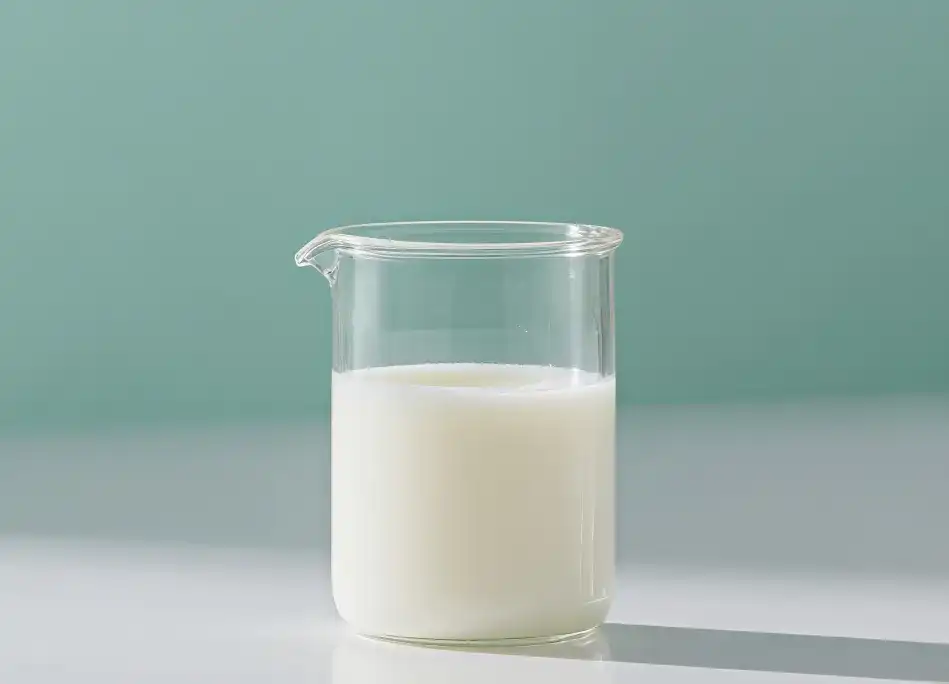
Why Emulsion Polyacrylamide Outperforms Dry Polymers on Challenging Sites
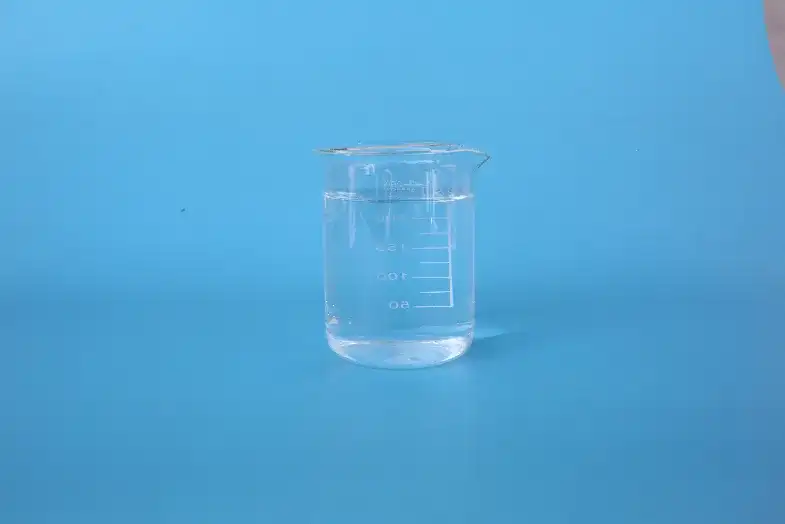
Conventional dry polyacrylamide powders require careful wetting, aging time that can stretch past 60 minutes, and clean water that is not always available at remote mining camps or temporary treatment units. Emulsion PAM, produced through advanced water-in-oil polymerization technology, dissolves within 5 to 15 minutes and reaches full viscosity much faster. The polymer chains are already in a semi-swelled state within the micelles, so activation requires minimal shear energy—an advantage that becomes critical when the site makeup system is a simple eductor or batch tank rather than a multi-stage continuous plant. In our production and field support work, we have seen operations reduce flocculant activation time from over an hour to under 15 minutes simply by switching from powder to a properly formulated emulsion, without any capital investment in additional equipment.
Beyond dissolution speed, emulsion products eliminate polymer dust, which reduces respiratory hazards and housekeeping costs. The liquid form also simplifies automated dosing and allows precise concentration control. Combined with high molecular weight and long-term storage stability when kept within the recommended temperature range, emulsion PAM becomes the preferred format for any operation where reliability and minimal operator intervention are priorities.
The Performance Differences Between Emulsion PAM Charge Types
All four main charge types—anionic, cationic, non-ionic, and amphoteric—are available in emulsion form, but their practical behavior differs significantly. The following table outlines the core distinctions:
| Charge Type | Typical pH Range | Mechanism | Primary Applications |
|---|---|---|---|
| Anionic | Neutral to alkaline (pH 6-12) | Bridging and charge neutralization of positively charged particles | Mining tailings, oil drilling, EOR, coal washing |
| Cationic | Acidic to neutral (pH 4-8) | Neutralizes negatively charged colloids, strong floc formation | Sludge dewatering, paper retention, textile wastewater |
| Non-ionic | Wide (pH 2-11) | Physical bridging, less affected by salinity and pH | Construction materials, acidic mine drainage, textiles |
| Amphoteric | Fluctuating (pH 3-10) | Dual charge adapts to variable water chemistry | Complex industrial effluent, variable pH streams, oil refinery wastewater |
The above classification is a starting point. Real wastewater often contains multiple contaminant types, so jar testing with representative samples remains essential before finalizing a formulation.
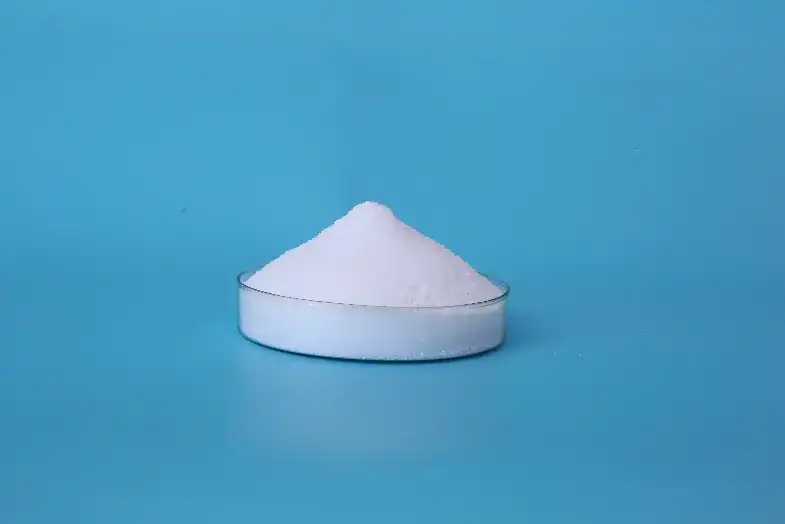
How to Match Emulsion PAM Formulation to Water Chemistry
Matching the polymer charge to the predominant particle surface charge is the foundation of cost-effective flocculation. In mineral processing where tailings carry a net negative charge, anionic PAM is typically the first choice because its negatively charged groups repel the mineral surfaces, allowing the long polymer chains to bridge between particles without being consumed by surface adsorption. Conversely, in municipal sludge dewatering, where organic colloids are largely anionic, a high-charge-density cationic emulsion PAM delivers faster floc growth and clearer centrate.
Where the match is less obvious—for instance, in food processing wastewater with emulsified oils or in petrochemical effluent with mixed organic and inorganic loads—our team has found that amphoteric formulations often outperform single-charge types. The copolymer contains both anionic carboxylate groups and cationic quaternary ammonium groups, so it can adapt to pH swings and capture both negatively and positively charged contaminants without requiring dual-polymer addition points. We have supplied emulsion PAM for such variable streams and consistently advised operators to first characterize the zeta potential curve across the expected pH range, then test both a matched single-charge product and an amphoteric alternative.
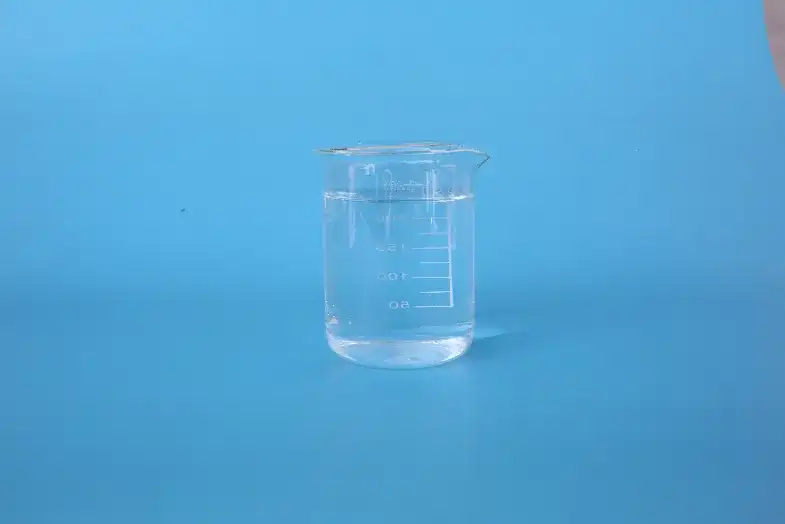
If your process stream includes variable pH or oil and grease, the theoretical charge matchup may not predict actual floc formation. We routinely provide bench-scale testing support to confirm formulation selection. Reach out at en*****@***er.com to discuss your specific water analysis.
How Molecular Weight and Active Concentration Shape Field Results
Molecular weight determines the length of the polymer chain and, consequently, the bridging distance between particles. Emulsion PAM products are available across a wide molecular weight range, from under 10 million to over 30 million Daltons. Higher molecular weight generally improves floc size and settling rate, but it also raises solution viscosity and increases the risk of shear degradation when the flocculant passes through high-energy pumps or in-line mixers. For gravity thickeners and clarifiers with gentle mechanical agitation, ultra-high molecular weight formulas perform well. For belt filter presses or centrifuges, where high shear is inevitable, a medium molecular weight and higher charge density often deliver better cake release and lower polymer consumption.
Active polymer concentration in the emulsion—typically between 25% and 50%—directly affects dose rate and transportation economics. A 50% active product has roughly twice the treating power per ton of shipped material compared to a 25% product, which matters significantly for remote sites with high freight costs. However, higher active concentrations require careful inversion and makeup to avoid localized over-concentration events that can leave unactivated polymer in the system. We encourage customers to factor total landing cost, including freight and on-site labor for handling, when comparing formulations rather than focusing solely on unit price per liter.
Activating Emulsion PAM Effectively on Site
Emulsion PAM is not ready to use straight from the drum; it must be inverted—the oil phase disrupted so the polymer micelles release into water. The correct activation method depends on the site’s available shear, water quality, and desired aging time. In our experience, the two most common mistakes are applying too little shear, which produces a stringy solution with poor activity, and leaving the diluted solution stagnant for too long, which allows polymer chains to entangle and settle.
A continuous make-down unit with an initial high-shear wetting stage followed by low-speed mixing for 10 to 20 minutes yields the most consistent flocculant solution. If only static mixers or eductors are available, the emulsion should be dosed into a turbulent water stream at a concentration of 0.5% to 1% and then given at least 15 minutes of gentle agitation. Avoid using centrifugal pumps to transfer the activated polymer, as they can mechanically shear the long-chain molecules. Diaphragm or progressive cavity pumps are far gentler.
Temperature also matters. Emulsion PAM stored below 0°C may separate; the product should be thawed slowly and remixed before use. In winter operations, we recommend insulated storage or heated containers to keep the emulsion above 5°C, which preserves the micelle structure and ensures full activation when the system starts.
Choosing the Right Formulation for Consistent Results
Selecting the correct emulsion polyacrylamide formulation is not merely a product catalog exercise; it is a decision that must account for water chemistry variability, equipment capabilities, and logistics. A mismatch that passes a jar test but fails under dynamic field conditions leads to increased dose rates, higher polymer costs, and effluent non-compliance. Our team at Shandong Nuoer brings both the manufacturing flexibility to tailor molecular weight, charge density, and active concentration to your needs, and the application experience to recommend the formulation most likely to perform from day one. Send your water analysis, process flow diagram, and target specifications to en*****@***er.com or call +86-532-66712876, and we will propose a specific emulsion PAM formulation along with benchmark test results.
What Procurement and Plant Teams Ask About Emulsion PAM
What is the typical shelf life of emulsion polyacrylamide?
Most emulsion PAM products have a shelf life of 6 to 12 months when stored unopened in the original containers and kept between 5°C and 35°C. Separation or viscosity increase over time can indicate storage issues. We label each batch with a production date and recommend using the product within the specified period, though periodically remixing the container can extend useful life if the emulsion remains homogeneous.
How do I determine the right dosage without over-treating?
Start with standard jar tests using progressively lower doses until you find the minimum dose that achieves the required clarity or settling rate. In continuous operations, we advise monitoring supernatant turbidity and sludge density online and using a proportional dosing control tied to the inlet flow signal. Over-treatment not only wastes chemical but can also charge-reverse particles and destabilize the floc, making separation worse. Our applications team can assist with dose-response curves for your specific matrix.
Can emulsion PAM be used in cold climates?
Yes, provided the storage and handling precautions are followed. We have supplied emulsion PAM to mining sites in northern Canada and Russia where winter temperatures drop well below freezing. The emulsion must be stored in a heated room above 5°C, and the dilution water should be at least 10°C to ensure rapid inversion. Cold product that has not separated can still be used after gentle warming and mixing. If your site lacks heated storage, we can work with your logistics team to arrange temperature-controlled delivery and staging.
What causes stringy, partially activated polymer solution?
Insufficient initial shear during the inversion step is the most common cause. The micelles do not break open completely, so the polymer chains stay partially coiled and fail to extend. The result is a viscous, rope-like solution that does not distribute evenly. Increasing the makeup water turbulence or using a high-shear mixer at the injection point usually resolves the problem. We have seen this issue frequently when operators bypass the manufacturer’s recommended activation sequence trying to save time.
Is amphoteric PAM worth the higher cost compared to single-charge types?
In streams with stable and predictable chemistry, a well-selected single-charge emulsion PAM is usually sufficient and more cost effective. However, in facilities where influent composition changes frequently—such as centralized waste treatment plants receiving multiple industrial discharges or refineries with batch operations—amphoteric formulations prevent the need for constant product switching and reduce the risk of floc collapse during pH swings. The higher product cost must be weighed against reduced labor, fewer dosing adjustments, and consistent effluent quality. Our technical team can help evaluate whether your variability justifies an amphoteric step. Share your recent water analysis data and operating logs, and we will confirm whether a single-charge or amphoteric formulation makes more sense for your process. Email your requirements to en*****@***er.com or call +86-532-66712876.
If you’re interested, check out these related articles:
Choosing Acrylamide Crystals: Research Purity vs. Industrial Scale
Selecting Super Absorbent Polymer for Optimal Sanitary Napkin Performance
Acrylic Acid Storage Stability: Enhancing Industrial Shelf Life
Cationic Polyacrylamide Factory Direct Supply: Unrivaled Performance


 English
 Russian
 Arabic
 Spanish