
Textile mills generate highly variable wastewater containing reactive and disperse dyes, sizing agents, and finishing additives. Fluctuating pH—often spanning from strongly acidic to alkaline within the same production day—combined with high salt concentrations, makes flocculant selection a persistent operational challenge. Non-ionic polyacrylamide (PAM) addresses this by delivering consistent flocculation efficiency across a wide pH spectrum, removing the need for precise pH adjustment before dosing. In our experience supplying polymer flocculants to mills processing cotton, polyester, and blended fabrics across over 60 countries, switching to a non-ionic grade frequently reduces both chemical dosage and operator intervention. The reason is fundamentally structural: the uncharged polymer chains avoid electrostatic repulsion with the dissolved organics that destabilises charged flocculants in variable effluent conditions.
pH Variability in Dyeing Wastewater Limits Conventional Polymers
A textile finishing line can discharge baths with pH ranging from 4 to 11 within a single shift. Reactive dyeing runs at alkaline pH, acid dyeing drops the discharge below 6, and continuous bleaching may spike alkalinity above 10. Most widely used anionic polyacrylamides depend on charge neutralisation for effective bridging; their carboxylate groups ionise fully only above pH 7, and flocculation performance degrades sharply in acidic streams. Operators compensate by adding acid or alkali upfront, which raises chemical consumption and increases sludge volume. Cationic polyacrylamides perform better in acidic conditions but lose charge density as pH rises, requiring grade changes for different production lines. A single mill often ends up stocking two or three polymer types, each requiring separate dosing equipment and calibration.
This variability is not a hypothetical edge case. In dyeing operations we have supported, the influent equalisation tank regularly shows pH swings of 3–4 units between morning and evening batches. Using an ionic polymer in that environment forces either continuous pH trimming or acceptance of under-dosing cycles that leave visible colour carryover in the treated water. The operational overhead is not trivial: additional chemical storage, mixing labour, and more frequent jar testing to verify dose rates across shifting conditions.
How Non-Ionic PAM Delivers Consistent Flocculation Across Wide pH Ranges
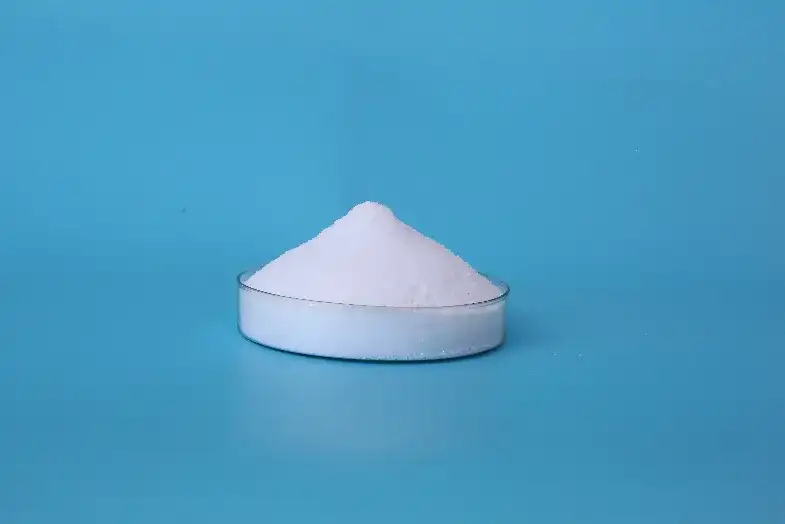
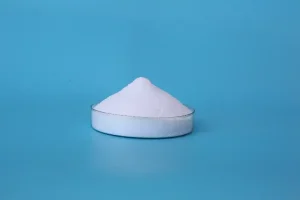
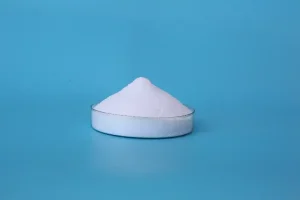
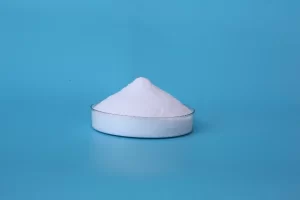
Non-ionic polyacrylamide is a high molecular weight homopolymer of acrylamide with very low ionisation. Its flocculation mechanism relies primarily on physical bridging adsorption rather than charge neutralisation. The polymer chain extends in solution and attaches to suspended particles via hydrogen bonding and van der Waals forces. Because there is no ionic group to protonate or deprotonate, the chain conformation remains stable from pH 3 to 12, which includes the full range encountered in textile effluent.
In practical terms, the same non-ionic PAM grade and dosage rate continue to form strong flocs whether the incoming waste is acidic from wool dyeing or alkaline from mercerisation rinse water. Jar test data from a cotton knitwear finishing plant that shifted from an anionic grade to a non-ionic non-ionic polyacrylamide showed consistent clear supernatant (turbidity below 10 NTU) across four pH points (5.0, 7.0, 9.0, 11.0) while the anionic product dropped to below 50% removal at pH 5.0. The mill eliminated a caustic dosing stage, reducing both chemical cost and the volume of hydroxide sludge requiring dewatering.
Temperature also plays a role. Certain continuous dyeing ranges discharge wastewater at 40–50 °C. Non-ionic PAM maintains its extended chain conformation at elevated temperature better than some ionic counterparts that suffer accelerated hydrolysis. Our production records show that molecular weight retention after 24-hour storage at 45 °C in textile wastewater exceeds 95% for the non-ionic grade, which matters when the treatment plant holds the equalised effluent for several hours before flocculation.
Comparing Non-Ionic, Anionic, and Cationic PAM for Textile Applications
A direct comparison helps mill engineers match the polymer type to the dominant effluent character.
| Polymer Type | Optimal pH Range | Flocculation Mechanism | Typical Textile Fit |
|---|---|---|---|
| Non-Ionic PAM | 3–12 | Adsorption/bridging | Mixed streams with wide pH swings; reactive & disperse dye effluent |
| Anionic PAM | 7–14 | Charge neutralisation & bridging | Heavily alkaline mercerisation waste; cotton kiering liquor |
| Cationic PAM | 4–8 | Patch flocculation & bridging | Acid dye baths; wool scouring; colour removal from dark shades |
Non-ionic PAM is not always the highest flocculation rate option in a single pH condition—a well-matched anionic grade can deliver slightly faster settling at pH 10—but the advantage collapses when pH changes. For mills running multiple fabric types on one treatment line, the non-ionic product provides operational simplicity and reliable compliance. The table also explains why larger textile finishing parks that aggregate effluent from dyeing, printing, and washing units increasingly standardise on non-ionic chemistries: the blended stream is almost always pH-variable, and the non-ionic polymer removes the guesswork from shift-to-shift dosage adjustments.
This is where a supplier’s technical support becomes essential. If your effluent profile includes extended runs at a consistent pH, a specialty ionic grade may reduce polymer consumption further—and that decision benefits from a joint jar testing programme using actual plant wastewater. But for the majority of textile operations we work with, non-ionic PAM delivers the best balance of performance consistency and handling simplicity.
Critical Performance Parameters for Non-Ionic PAM Selection
Not all non-ionic polyacrylamide products behave identically, and three parameters determine suitability for textile work.
Molecular weight directly controls floc size and settling speed. Higher molecular weight chains (over 12 million) form larger, faster-settling flocs, but excessive molecular weight can produce overly large flocs that trap water and increase sludge volume. For dyehouse effluent where the solid fraction is predominantly fine colloidal colour, a medium-high molecular weight (8–12 million) yields compact flocs with good dewaterability. Lower molecular weight grades may fail to build sufficient bridging density, resulting in incomplete colour removal.
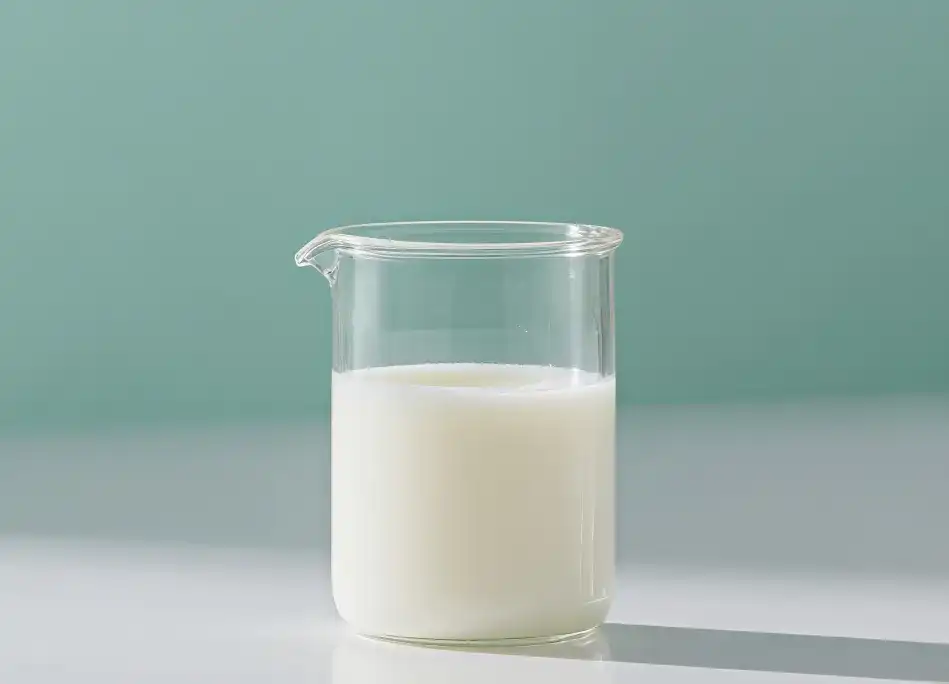
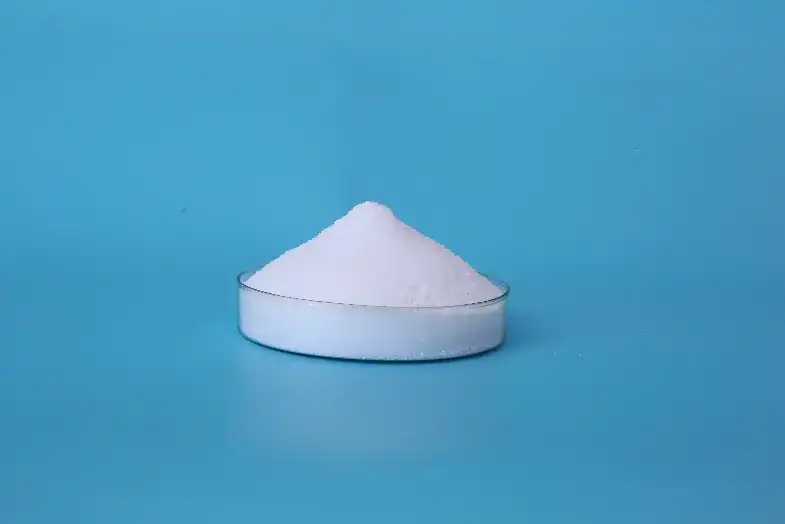
The degree of hydrolysis—often below 5% for non-ionic grades—affects solubility and the tendency to form viscous “fish eyes” if added too quickly. Well-manufactured non-ionic PAM dissolves rapidly to a clear, viscous solution without residual gel particles. Our own product specification targets solubility of ≥95% in water at 25 °C within 60 minutes, confirmed batch by batch with a 200-mesh sieve retention test.
Residual acrylamide monomer content is both a safety and an environmental parameter. Textile mills discharging into municipal sewers face increasingly strict limits on trace organics. The non-ionic polyacrylamide we ship globally maintains residual monomer below 0.05%, well under the 0.1% threshold applied in many jurisdictions for polymer-grade flocculants. This low residual is achieved through controlled polymerisation and post-reaction deactivation steps in production, not through post-hoc washing, which would lower molecular weight.
If you are evaluating samples, ask the supplier for a certificate of analysis (COA) showing molecular weight by viscometry (not just a nominal range), actual residual monomer content by HPLC, and dissolution time at the expected use concentration. Generic statements about “high molecular weight” without a measurement method are not sufficient for process qualification.
Ensuring Supply Reliability and Technical Consistency
Procurement managers in the textile sector know that polymer shortage or quality shift can halt a treatment plant within hours. An effluent discharge that does not meet consent limits can force a production stoppage, turning a flocculant supply gap into a fabric delivery delay. Scale and quality infrastructure therefore become selection factors, not just unit price.
Nuoer’s annual polyacrylamide capacity of 500,000 tons, supported by captive acrylamide and acrylic acid production, ensures that a textile customer ordering a container of non-ionic PAM today receives product from the same reactor line, with the same molecular weight distribution, as the cargo shipped six months ago. Lot-to-lot consistency is verified by 14-point internal release testing before dispatch, covering everything from particle size distribution to dissolution time in a standard textile water matrix. Our supply network across more than 60 countries also means that technical support for jar testing and dosage optimisation is available in the local language and time zone, which matters when a process upset occurs outside regular business hours.
The most common avoidable cost we see in textile operations is not polymer overdosing but under-specification—buying a low-cost flocculant that requires twice the dosage and triples the sludge cake volume, only to create a hidden disposal cost that appears months later. We recommend requesting a 20-day performance trial using real plant wastewater, not synthetic water, and measuring not just supernatant clarity but also full-cycle costs including sludge haulage and any pre-neutralisation chemicals obviated by the switch to a pH-tolerant non-ionic grade.
Common Questions About Non-Ionic PAM for Textile Effluent
Does non-ionic PAM work with all classes of textile dyes?
Direct contact with suspended dye particles is the key. Non-ionic PAM effectively flocculates disperse dyes, reactive dyes, and pigment prints because these exist as colloidal solids after process dilution. Water-soluble acid dyes and some direct dyes that remain truly dissolved cannot be removed by any bridging flocculant alone; they require a coagulant first—typically a low dose of polyaluminium chloride or ferric salt—to precipitate the dye as a solid before the polyacrylamide can bridge the particles. In blended wastewater where these dyes mix, the non-ionic PAM still handles the solid fraction and the coagulant step becomes a small pre-dose rather than the main chemical demand, so overall treatment cost is lower than using a single charged polymer approach.
What concentration and mixing setup gives the best results?
A 0.1–0.2% working solution prepared in a dedicated polymer makeup unit produces the most reproducible performance. Cold water below 15 °C slows dissolution; we run make-up tanks at ambient temperature above 20 °C where possible. The dissolved solution should be aged for 15–30 minutes before metering into the flocculation tank. Adding the dry powder too fast or mixing at high shear can break the polymer chains, reducing bridging efficiency. If your mill uses manual addition, educate operators to sprinkle the powder slowly across the vortex of a stirred tank rather than dumping the full charge at once. In a recent textile park installation we supported, switching from manual dumping to an automated eductor-based wetting system cut polymer consumption by 12% while maintaining identical treated water quality.
Can one non-ionic PAM grade handle cotton and polyester wastewater simultaneously?
Yes, and that is the primary operational advantage. A single non-ionic product bridges both cellulosic fibres from cotton processing and synthetic fibres from polyester finishing, because the flocculation is driven by physical adsorption to the solid surface. The only adjustment we sometimes recommend is a slightly higher dosage rate when the polyester fraction exceeds 70%, since the total suspended solids load may be lower but the remaining solids are finer and require more polymer chain to form settleable flocs. Testing in your own effluent is the only way to confirm the dosage curve, but the grade itself does not need to change.
How does sludge behaviour differ compared to ionic polymers?
Non-ionic flocs tend to be slightly looser than those formed by a high-charge cationic polymer at its optimum pH, which means belt press or centrifuge dewatering may require a small dose of cationic polyacrylamide as a sludge conditioning step if your mill sends sludge to mechanical dewatering. In lagoon or settling pond operations, the flocs compact well under gravity and the sludge volume is comparable to that from an anionic process when both are well-managed. If you are currently using a cationic flocculant and getting very dry cake at a specific pH, be aware that switching to non-ionic may shift the dewatering aid requirement slightly—we commonly see 10–15% more cationic conditioner needed at the press for non-ionic floated sludge compared with a low-pH cationic-only system, but this cost is typically offset by eliminated neutralisation and higher reliability across shifts.
How do we arrange a trial and confirm performance before ordering a container?
We supply a pre-shipment sample drawn from the specific production lot that would ship to you. Send us 10 litres of your equalisation tank effluent in a sealed container, noting representative temperature and pH, and we run a full jar test series in our application lab with the exact grade proposed. Simultaneously, we ship a 5 kg field sample for your own on-site jar testing using freshly collected wastewater. Results from both are cross-checked to confirm the dosage-response curve under real conditions. If your plant treats over 500 m³ per day, we recommend a paid pilot installation using one intermediate bulk container of product for a two- to three-week run so your operations team can track sludge volume, chemical consumption, and treated water turbidity against your existing polymer. Send your process data and daily discharge volumes to en*****@***er.com and we will propose a trial protocol and costing within two working days.
If you’re interested, check out these related articles:
Acrylamide Crystal: Optimizing Polymerization for Industrial Success
Amphoteric Polyacrylamide: Optimal Solution for Mixed Effluent Treatment
Amphoteric Polyacrylamide: Optimizing Petrochemical Processes


 English
 Russian
 Arabic
 Spanish