
Anionic polyacrylamide acts as a high-performance flocculant in iron ore processing, accelerating thickener settling and improving tailings dewatering. But the gap between a polymer that works and one that costs you downtime often comes down to grade selection and supplier reliability. In over fifteen years managing polyacrylamide production and global supply, I’ve seen that mining operations achieve genuine process stability when they align molecular weight and hydrolysis degree with their ore body, and partner with a manufacturer that can deliver consistent quality across massive monthly requirements. This guide covers the critical selection parameters and supplier evaluation factors that matter.
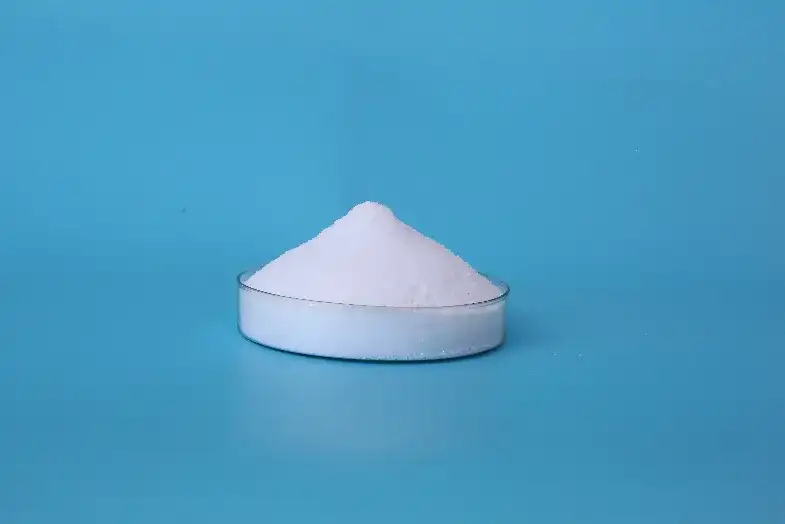
The Role of Anionic PAM in Iron Ore Processing
In a typical iron ore beneficiation plant, the ground ore is slurried and sent to a thickener for solid-liquid separation. Anionic polyacrylamide provides bridging flocculation, where long polymer chains adsorb onto suspended particle surfaces, binding them into larger flocs that settle rapidly. This process increases thickener throughput, produces a clear overflow for water recycling, and delivers dense underflow to the filtration stage. Without effective flocculation, fine iron ore particles remain suspended, leading to high turbidity in recycled water and reduced filtration efficiency. The selection of molecular weight and charge density directly influences floc size, settling velocity, and final cake moisture.
Matching Polymer Grade to Ore Characteristics
Not all iron ores respond the same way. Magnetite, with its higher specific gravity, typically settles faster and may require ultra-high molecular weight polymers to achieve dense flocs. Hematite ores often contain finer particles; a medium-to-high molecular weight PAM with a higher degree of hydrolysis can provide better charge neutralization and capture fines more effectively. The mineralogy, particle size distribution, and pH of the slurry all shift the flocculation demand. A mismatch can mean under-settling, excessive polymer consumption, or poor water clarity.
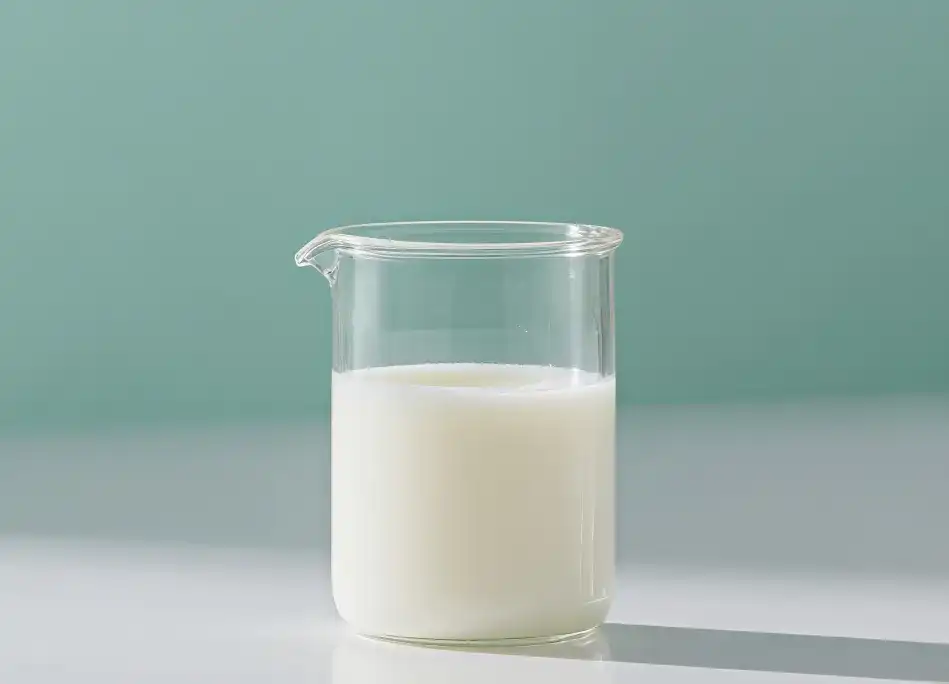
Hematite vs Magnetite: Why Ore Type Matters
Magnetite concentrates tend to have a coarser particle size and higher density. In these circuits, an anionic PAM with a molecular weight above 30 million and a low-to-medium degree of hydrolysis usually yields optimal settling. For hematite beneficiation, where slimes and ultra-fines are common, a slightly higher hydrolysis degree (25–35%) often improves fines capture. Jar testing with representative slurry samples is the only way to confirm the best grade; general rules point in the right direction, but ore bodies vary.
| Ore Type | Recommended Molecular Weight | Hydrolysis Degree | Typical Dosage (g/t dry solids) |
|---|---|---|---|
| Magnetite (coarse) | 28–35 million | Low (10–20%) | 10–30 |
| Magnetite (fines) | 30–38 million | Medium (20–30%) | 15–40 |
| Hematite (coarse) | 25–32 million | Low-Medium (15–25%) | 10–30 |
| Hematite (high slimes) | 30–38 million | Medium-High (25–35%) | 20–50 |
Key Selection Parameters for Anionic Polyacrylamide
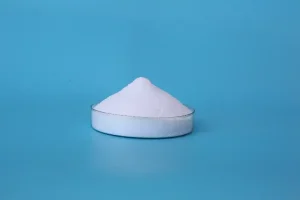
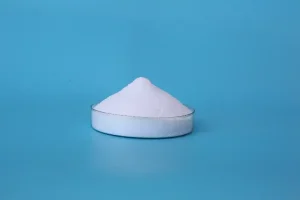
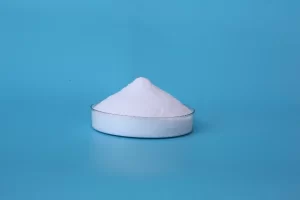
Beyond ore type, three primary polymer characteristics determine field performance. Molecular weight controls the bridging distance between particles: higher molecular weight generates larger, denser flocs but dissolves more slowly and is sensitive to shear. Hydrolysis degree determines the charge density along the chain, influencing how the polymer interacts with metal-bearing surfaces. For iron oxides, a moderate anionicity usually provides the right balance between adsorption and extended conformation. Additionally, the polymer’s physical form—dry powder or water-in-oil emulsion—affects handling and dissolution speed. Emulsion PAM can dissolve in 5–15 minutes, making it suitable for operations with limited makeup tank capacity or cold climates.
If your ore blend includes variable mineralogy, the grade that works this month may underperform next month when the pit changes. That is why maintaining a direct line to your polymer supplier’s technical team, and having the flexibility to adjust ionic type or molecular weight, prevents unplanned downtime.
Evaluating Anionic PAM Suppliers for Continuous Mining Operations
A thickener stoppage because flocculant didn’t arrive or a new batch behaves differently is an expensive problem. Mining operations buying anionic PAM should evaluate suppliers on production scale, quality consistency, and after-sales support, not only on price per ton. A manufacturer with backward integration into acrylic acid and acrylamide monomer—two key raw materials—can control quality from the molecule upward, reducing batch-to-batch variability. Equally important is supply capacity: a plant consuming 200 tons per month needs a supplier producing hundreds of thousands of tons annually to guarantee security of supply. In our experience, the combination of captive monomer production, large-scale polymer synthesis, and a global distribution network eliminates many of the reliability risks faced by isolated buying.
Send your current flocculant specifications and monthly consumption to en*****@***er.com; we can map an equivalent or better grade from our anionic PAM product line and outline a supply schedule that matches your consumption profile.
Optimizing Dosage for Maximum Water Recovery
Over-dosing anionic PAM is not only costly, it can blind filters, create floating flocs, and reduce water clarity. Under-dosing leads to slow settling and high underflow moisture. The optimal dosage is a narrow window determined through systematic jar testing. A standard protocol uses 0.1% polymer solution added to a 500 mL graduated cylinder of slurry, measuring settling rate and supernatant turbidity at multiple dose levels. Once the demand curve is established, injection should be into the thickener feed well at a point of high mixing energy, then followed by a gentle flocculation zone to allow floc growth without shear damage.
| Processing Stage | Typical Dosage (g/t dry solids) | Target Settling Rate (m/h) |
|---|---|---|
| Primary thickener (tailings) | 10–30 | 3–5 |
| Primary thickener (concentrate) | 15–40 | 5–8 |
| Tailings dewatering (deep cone) | 20–50 | 2–4 |
| Filtration aid | 50–100 | N/A |
Common Questions About Anionic PAM in Iron Ore Processing
Will anionic PAM dissolve fast enough in my cold makeup water?
Yes, but dissolution time stretches in cold conditions. In water below 10°C, dry powder may require 60–90 minutes to fully hydrate, compared to 30–45 minutes at 20°C. Emulsion-grade PAM dissolves in 5–15 minutes regardless of water temperature, making it the preferred form for mining sites in cold climates or those with limited heated water.
Does anionic PAM residue in the iron concentrate hurt pellet quality?
It’s a reasonable concern, but at standard flocculant doses the residual polymer left on filter cake is negligible and does not interfere with pelletizing. Over-dosing pushes flocculant into the concentrate, so precise dose control is what prevents issues. If pellet quality is a known sensitivity, selecting a higher molecular weight grade can achieve equal settling at a lower dose, reducing any residual risk.
How long can I store dry anionic PAM before it degrades?
Stored in its original sealed packaging, away from moisture and direct sunlight, the shelf life is at least two years with minimal performance drift. The main enemy is humidity: even partial moisture ingress causes caking and incomplete dissolution. We recommend first-in, first-out inventory rotation and avoiding floor storage where condensation can reach the bags.
Can I use anionic PAM when my thickener feed pH drops below 4?
Anionic PAM relies on ionized carboxylate groups for flocculation, and below pH 4 these groups protonate, reducing charge density and bridging effectiveness. In most iron ore circuits, pH stays above 6. If acidic conditions are unavoidable, a non-ionic PAM or a pH adjustment step ahead of the thickener often works better. Send your slurry pH trend and current flocculant performance data to en*****@***er.com; we can recommend a more stable polymer for low-pH operation and help you evaluate the cost of pH correction versus switching grade.
For any thickener where water recovery or throughput is a bottleneck, the right flocculant grade and reliable supply chain are what translate polymer chemistry into measured plant performance. Call us at +86-532-66712876 or email en*****@***er.com to discuss your specific feed characteristics, receive a sample, and build a supply plan that matches your production schedule.
If you’re interested, check out these related articles:
Acrylic Acid Suppliers: Quality Testing & Procurement Strategies
Leading Acrylamide Crystal Supplier for Polyacrylamide Manufacturing
Acrylamide Aqueous Solution Transport: Global Safety Comparison


 English
 Russian
 Arabic
 Spanish