
When an oil field operation specifies anionic polyacrylamide for polymer flooding or enhanced oil recovery, the supplier’s production backbone matters as much as the product’s molecular weight. My experience managing polyacrylamide manufacturing and global distribution has shown that procurement decisions based on spec sheets alone often fail under field conditions. A reliable anionic polyacrylamide supplier for oil fields must combine repeatable quality, sufficient capacity, and a logistics system that reaches active basins without interruption. This article examines the technical, production, and supply chain factors that separate a competent supplier from one that only meets a written specification.
The Role of Anionic Polyacrylamide in Oil Field Operations
In mature oil fields, water flooding alone leaves significant oil behind. Anionic polyacrylamide acts as a mobility control agent, increasing the viscosity of injected water to improve sweep efficiency and reduce water channeling. The polymer’s long molecular chains bridge between formation particles and residual oil droplets, pulling more crude toward production wells. For this application, selection of the correct anionic PAM directly impacts oil recovery rates and the economic viability of the project. A supplier that understands the interplay between molecular weight, hydrolysis degree, and reservoir conditions can help operators avoid suboptimal chemical selections.
Specifying Anionic Polyacrylamide for Oil Field Performance
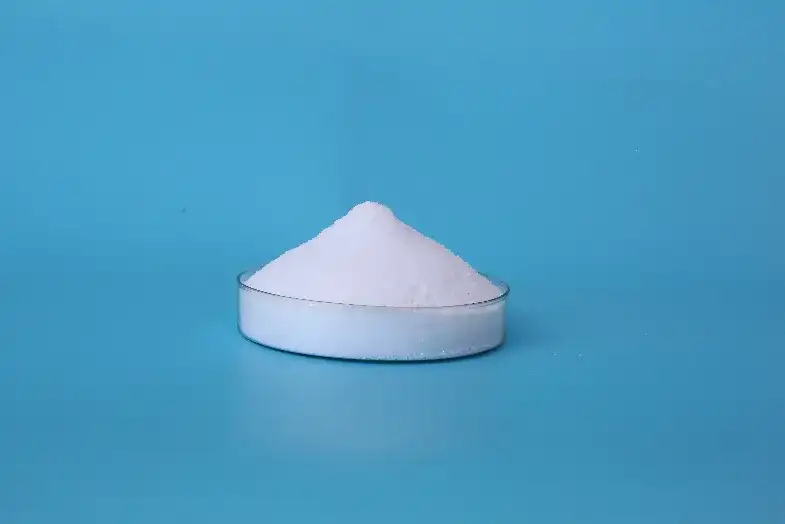
The performance of anionic polyacrylamide in a reservoir depends on several measurable parameters. Molecular weight exceeding 30 million daltons delivers sufficient viscosity build and bridging effect; lower molecular weight polymers degrade faster under shear and produce less sweep. The degree of hydrolysis, typically between 25% and 35%, controls the polymer’s charge density and its interaction with formation brines and clays. Dissolution rate matters because incomplete hydration leaves unactivated polymer and wastes chemical. Residual monomer content must remain low to comply with environmental regulations in sensitive basins. A supplier should deliver batch-level certifications for these specifications, not only a generic product data sheet.
| Specification | Why It Matters for Oil Fields |
|---|---|
| Molecular weight (above 30 million Da) | Higher viscosity and sweep efficiency |
| Hydrolysis degree (25–35%) | Optimal charge for brine tolerance and adsorption |
| Dissolution rate (minutes) | On-site preparation efficiency |
| Residual monomer (below 0.1%) | Environmental and safety compliance |
| Gel content | Indicates homogeneity and solution filterability |
Evaluating Manufacturer Production Strength and Quality Control
Anionic polyacrylamide for oil fields is consumed in large volumes over extended injection programs. A supplier operating a single production line with limited capacity poses a supply risk that can delay or halt operations. In our manufacturing planning, production is distributed across multiple lines with a combined annual polyacrylamide capacity of 500,000 tons and 200,000 tons of emulsion. This scale permits consistent delivery even when demand spikes. Beyond capacity, quality control measures differentiate a supplier: in-process viscosity testing, gel content analysis, and residual monomer monitoring on each batch prevent off-spec product from reaching the customer. Certified quality assurance programs and internationally recognized product certifications are not optional for field-critical chemicals. Procurement initiatives have failed because the supplier could not maintain uniformity across consecutive shipments, causing fluctuating injection performance and costly on-site adjustments. The purity of acrylamide monomer feedstock directly influences the uniformity of the final polymer.
If your reservoir has high salinity or elevated temperatures, confirming the supplier’s brine tolerance and thermal stability testing data before finalizing your chemical program can prevent underperformance. Reach out at en*****@***er.com for a technical discussion.
Choosing Between Powder and Emulsion Forms for Field Logistics
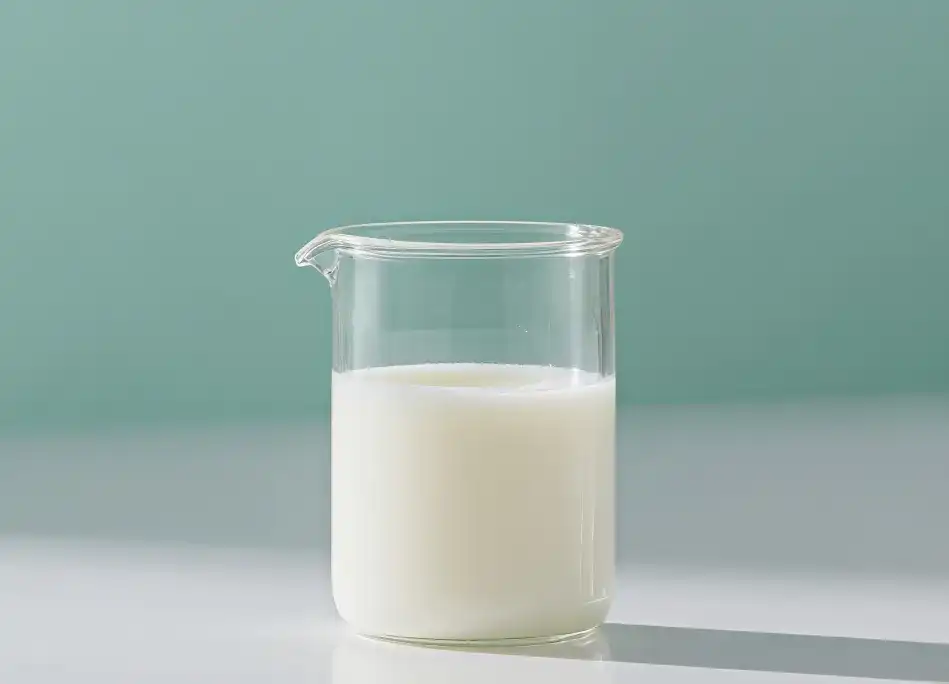
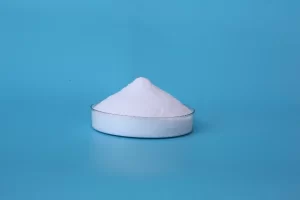
Anionic polyacrylamide is supplied as dry powder or water-in-oil emulsion. Powder PAM offers high active content and easier long-distance transport, but it demands proper dissolution equipment and operator training. In remote fields where fresh water and skilled labor are limited, emulsion polyacrylamide dissolves within 5 to 15 minutes with minimal mixing, reducing field footprint and preparation time. The trade-off is weight: emulsion contains approximately 30% to 40% polymer solids, so transportation costs per unit of active polymer are higher. For offshore platforms or desert fields where every square meter counts, emulsion’s fast activation and simple handling often justify the logistics premium. When specifying the form, consider available water quality, mixing infrastructure, and storage conditions. Before finalizing an order, confirm that the emulsion formulation matches your field water chemistry.
Reliable supply of anionic polyacrylamide for oil fields is not a price-per-ton decision; it is a supply chain partnership that affects production uptime and ultimate recovery. When evaluating suppliers, look beyond the specification sheet and ask about batch consistency, global logistics infrastructure, and technical application support. Share your field requirements, volume timeline, and water chemistry data with us at en*****@***er.com or call +86-532-66712876 to begin a technical evaluation and sample program.
Common Questions About Procuring Anionic Polyacrylamide
What molecular weight range works best for polymer flooding?
Typically, ultra-high molecular weight anionic PAM above 30 million Daltons delivers the necessary viscosity and sweep efficiency. The optimal molecular weight also depends on reservoir permeability, injection pressure limits, and shear degradation. For low-permeability formations, a slightly lower molecular weight may avoid plugging, while high-permeability sands benefit from the highest molecular weight available. A supplier should furnish viscosity curves under your target brine composition and reservoir temperature.
How can I verify the quality of different anionic PAM suppliers?
Request batch-specific certificates of analysis that cover molecular weight, hydrolysis degree, dissolution rate, gel content, and residual monomer. Compare these against the supplier’s claimed specifications and verify consistency across multiple production lots. Visiting the manufacturer’s facility or auditing their quality control laboratory supplies confidence. In our experience, suppliers who openly share in-process quality data are more likely to deliver consistent field performance than those who only present a final product certificate.
Powder or emulsion anionic polyacrylamide: which should I choose?
It depends on your field logistics, water availability, and mixing equipment. Powder PAM gives more active polymer per kilogram and costs less to transport over long distances, but it requires high-shear mixing and longer dissolution times. Emulsion PAM dissolves quickly with simple mixing and is easier to handle in remote or offshore locations, though it costs more per active kilogram due to its solvent and water content. If your operation is in a remote desert or arctic field, emulsion’s simplicity often justifies the premium.
How do I secure consistent product quality over multi-year injection programs?
Contractually require each shipment to carry a certificate of analysis, and set acceptable tolerance ranges for key parameters. Establish a quality monitoring protocol that includes periodic third-party testing of retained samples. In our supply agreements, retained samples from each production lot are maintained for up to two years to resolve any performance discrepancies. A supplier with multiple production lines and a large annual capacity is better positioned to absorb demand fluctuations without compromising quality.
What technical support should a capable anionic PAM supplier offer?
A capable supplier should deliver pre-qualification lab testing with your field brine, assistance in polymer selection based on reservoir conditions, on-site or remote guidance for dissolution and injection system setup, and ongoing performance monitoring advice. The supplier should also help interpret viscosity and residual polymer data to optimize dosage. If a supplier only provides a product and a price, they are not a partner. Share your field’s specific conditions and volume forecast at en*****@***er.com to discuss how our technical team can deliver application guidance from pilot to full-field deployment.
If you’re interested, check out these related articles:
Emulsion PAM for Mobile Water Treatment Units: A Strategic Guide
Nuoer Biotech Helps Ensure the Successful Convening of the 2025 Annual Meeting of the National Functional Polymer Industry Committee and the Industry Development High-Level Technology Forum
Cationic Polyacrylamide: A Comprehensive Price Comparison Guide
Acrylamide Solution: Essential Storage & Handling Protocols
Amphoteric Polyacrylamide Manufacturers Testing: Quality & Performance




 English
 Russian
 Arabic
 Spanish