
When a superabsorbent polymer batch gels prematurely or a polyacrylamide flocculant underperforms in a client’s wastewater treatment, the investigation usually traces back not to the polymerization reactor but to the acrylic acid feedstock. Selecting the right acrylic acid grade for a given polymer manufacturing process is a decision that shapes product consistency, process yield, and long-term supplier reliability. Most producers evaluate only purity percentage and inhibitor content, yet practical factors like dimer levels, batch-to-batch uniformity, and logistical stability often matter more in continuous industrial production. Having managed acrylic acid procurement and polymer manufacturing across global operations, I have seen how a disciplined grade selection strategy reduces production interruptions and ensures that downstream customers receive the performance they depend on.
Acrylic Acid Purity Grades and Their Impact on Polymerization
Industrial acrylic acid is supplied primarily in three grades: glacial, technical, and ester-grade. Glacial acrylic acid with a purity of 99.5% minimum is the standard for applications demanding tight control over side reactions, while technical grade at 99.0% purity serves many polyacrylamide and general flocculant operations. Ester-grade acrylic acid is formulated specifically for downstream esterification processes, with inhibitor levels calibrated to protect the esterification catalyst. The differences may appear small on paper but become significant at scale.
A shift of 0.1% in dimer content can alter the crosslinking density in a superabsorbent polymer, changing absorption capacity and gel elasticity in ways that downstream customers will notice. Water content, often overlooked, influences the neutralization step in SAP production and can disrupt the stoichiometry of an entire batch. The following table summarises the typical specifications we encounter in global supply chains.
| Grade | Purity (min) | Dimer (max) | Water (max) | Inhibitor (MEHQ) | Typical Polymer Application |
|---|---|---|---|---|---|
| Glacial Acrylic Acid | 99.5% | 0.1% | 0.1% | 180–220 ppm | Superabsorbent polymers, high‑performance polyacrylates |
| Technical Grade | 99.0% | 0.2% | 0.2% | 180–220 ppm | Polyacrylamide flocculants, emulsions |
| Ester‑Grade | 99.0% | 0.3% | 0.2% | 200–250 ppm | Acrylic esters for coatings and adhesives |
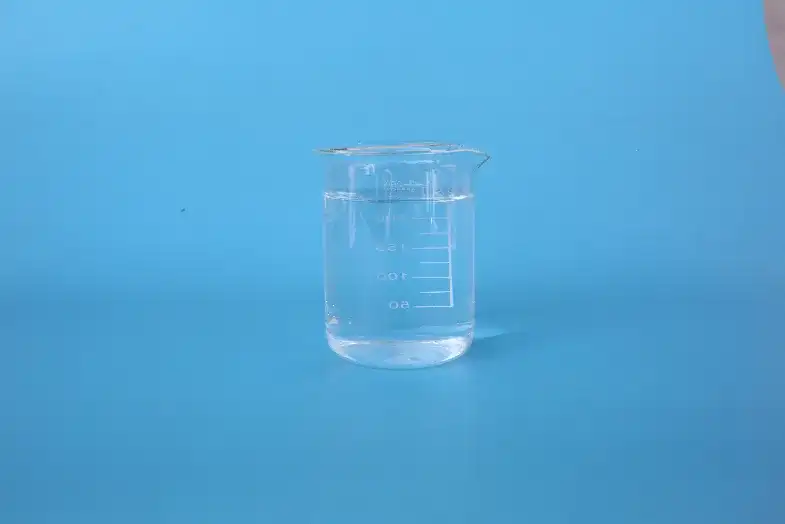
In our production planning for polymer lines that run 24 hours a day, we treat the specification window not as a range to hover within but as a control target. When dimer consistently arrives at 0.08% instead of fluctuating between 0.05% and 0.18%, the polymerization recipe remains stable and the finished polymer meets its performance design month after month.
Matching Acrylic Acid Grade to Your Polymer Application
Superabsorbent polymer manufacturing demands glacial acrylic acid. The low dimer content holds crosslinking to the level programmed by the formulation, while the narrow inhibitor band prevents the free-radical initiation step from stalling or accelerating unpredictably. Even a tiny dimer excess causes premature gelation during neutralization, creating hard particles that reduce absorption speed and final diaper core integrity. Our annual SAP capacity of 560,000 tons relies on this precise match.
Polyacrylamide production, whether anionic, cationic, or non‑ionic, can often tolerate technical grade acrylic acid. The polymerization is more forgiving of dimer, and the main risk is inhibitor carryover that could extend induction time or widen the molecular weight distribution. For high‑molecular‑weight anionic PAM used in enhanced oil recovery, we still recommend glacial grade because the ultralong chains amplify any structural irregularity. In our 500,000‑ton polyacrylamide operation, switching a single line from glacial to technical grade reduced monomer conversion by 2–3 percentage points until the initiator charge was adjusted.
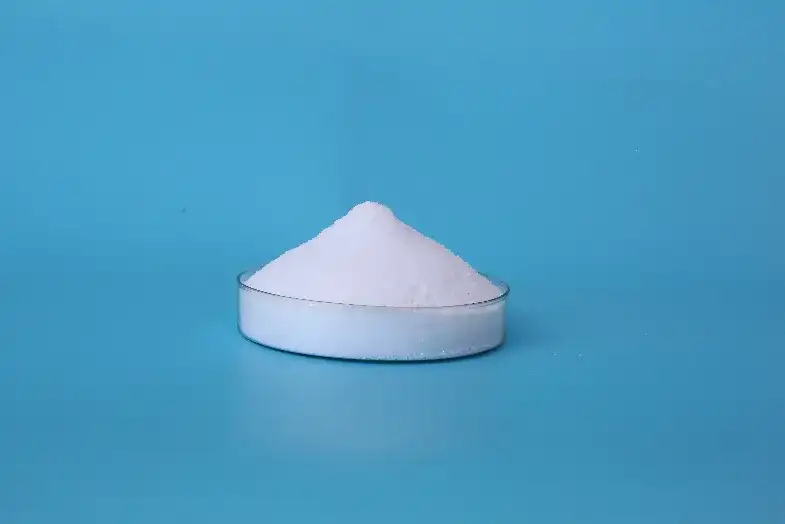
Acrylic esters for coatings and adhesives are served well by ester‑grade acrylic acid. The inhibitor level is matched to protect the esterification catalyst, and the slightly higher dimer tolerance does not harm final polymer clarity because the ester chain itself is more flexible.
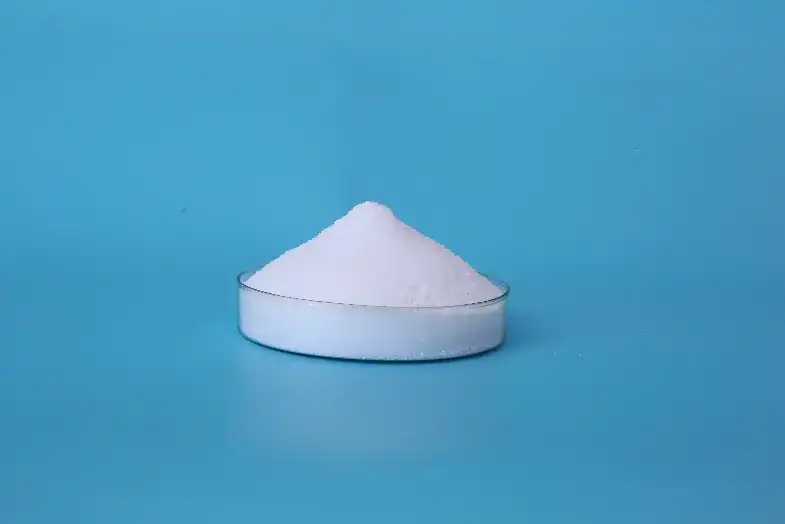
For manufacturers producing a portfolio of polymers, we have found that standardizing on one grade across lines — even if it means paying a premium on some products — can simplify logistics and reduce the risk of the wrong grade entering the wrong reactor.
If your polymerization process demands a dimer tolerance that commercial standard grades cannot reliably meet, discussing your technical envelope with a supplier who controls the acrylic acid synthesis is the most direct path to stable production. Reach our engineering team at en*****@***er.com or call +86‑532‑66712876 to review your specification.
Inhibitors, Dimer Content, and Their Effects on Polymer Chain Growth
MEHQ (monomethyl ether hydroquinone) is the dominant inhibitor in acrylic acid logistics. It prevents runaway polymerization during storage and transport by scavenging early radicals, but that same scavenging activity carries into the reactor and consumes initiator until all inhibitor has been quenched. A supplier who ships with 210 ppm MEHQ one month and 180 ppm the next forces the operator to adjust the initiator charge with every drum change. In our polymer plants, we have measured initiator demand shifts of up to 8% just from inhibitor variation.
Dimer content is even more insidious because it does not merely delay polymerization; it changes the polymer architecture. Dimeric acrylic acid introduces branching points into what should be a linear backbone. In SAP, branching increases gel modulus but reduces free swell capacity — a tradeoff that moves the product off its design specification. In polyacrylamide, branched structures reduce the extended chain length needed for effective flocculation bridging, so a 5% dimer product can behave like a lower‑molecular‑weight grade in the field. We monitor dimer as a critical incoming quality parameter because downstream complaints — haze in ester products, low viscosity in PAM solutions, absorption variability in diapers — can often be traced back to a supplier’s dimer management before the material even reached our gate.
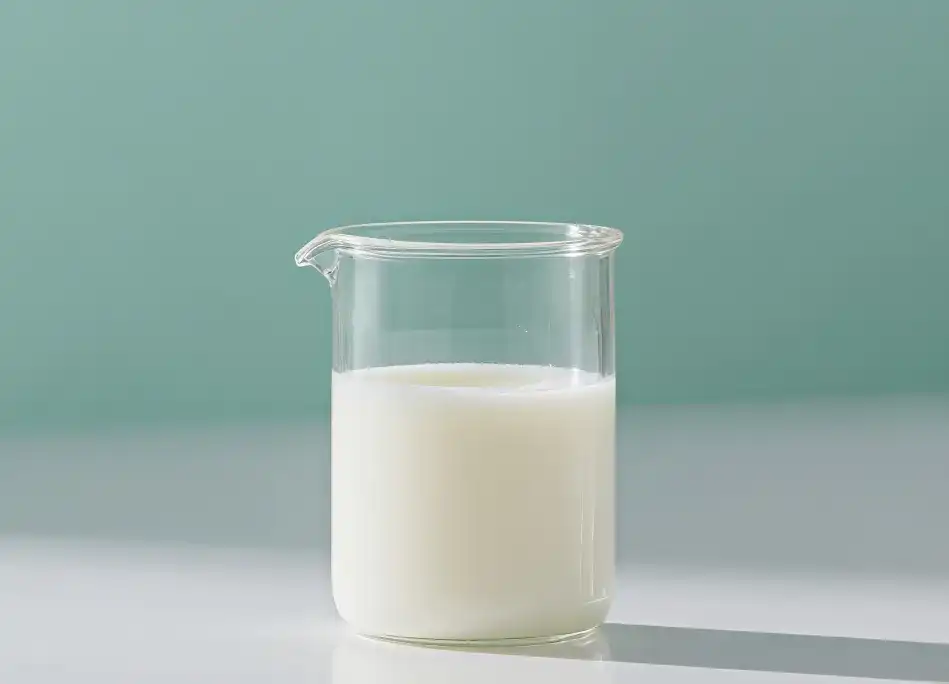
Supplier Quality Verification for Consistent Acrylic Acid Sourcing
Choosing an acrylic acid supplier goes far beyond comparing certificate‑of‑analysis figures. A supplier’s ability to deliver the same dimer and inhibitor profile lot after lot, supported by historical trend data and on‑site process control, is what keeps a polymer line running without unplanned formulation changes. We evaluate acrylic acid sources against three criteria: the width of the supplier’s own acrylic acid production capacity, the transparency of their monomer quality tracking, and the robustness of their cold‑chain logistics.
As a producer with 100,000 tons of annual acrylic acid capacity feeding directly into our own acrylamide, polyacrylamide, and superabsorbent polymer operations, we can draw on real‑time process data that tells us exactly how a slight purity migration affects downstream polymerization. This integrated model has taught us that the most valuable quality metric is not the certificate number itself but the standard deviation of that number across fifty consecutive deliveries. A tight standard deviation — below 0.03% on dimer — signals that the supplier controls their oxidation reactor and distillation train with the discipline required for continuous industrial consumption.
For polymer manufacturers sourcing acrylic acid externally, we recommend requesting not just the batch COA but the last twelve months of histogram data for dimer, water, and inhibitor. If the supplier hesitates to provide that data, the risk of process disruption is higher than a single certificate can reveal.
Handling, Storage, and Cost Factors in Acrylic Acid Procurement
Acrylic acid freezes at 13–14°C, which makes temperature management a significant logistics concern for plants in cold regions. Storage below 15°C allows dimer to crystallize preferentially, creating a solid phase that is essentially pure dimer; when the tank is warmed, the melted dimer concentrates at the bottom and can be drawn into the feed line undetected. We maintain acrylic acid storage at 18–22°C with gentle circulation to prevent thermal stratification. For facilities without climate‑controlled tank farms, procuring acrylic acid with a slightly elevated inhibitor level can provide extra protection, provided the polymer recipe can absorb the additional initiator demand.
Inhibitor depletion over time is another practical limit. MEHQ is consumed by dissolved oxygen; a drum stored for six months with intermittent headspace exposure can lose inhibitor activity and begin spontaneous dimerization. We control this by specifying an inhibitor level at the upper end of the accepted range for shipments with a known long transit, and by consuming material within three months of receipt.
Cost comparisons between glacial and technical grade acrylic acid must account for the downstream savings from fewer off‑spec batches, reduced initiator adjustments, and consistent polymer performance. In our experience across global markets, the purchase price difference of 3–5% for glacial grade is routinely recovered through higher first‑pass yield in SAP and high‑molecular‑weight PAM production. The true cost of acrylic acid is measured not at the invoice but at the polymer packaging line.
Securing a Consistent Acrylic Acid Source for Your Polymer Operations
Production interruptions caused by acrylic acid quality excursions cost far more than the purchase price difference between grades. A polymer line that stops for half a day to troubleshoot an off‑spec gelation loses output that no supplier rebate can replace. Building a partnership with a producer that controls the full acrylic acid supply chain — from propylene oxidation through to monomer purification — shifts the risk from your reactor to a controlled manufacturing process.
At Shandong Nuoer Biological Technology, our integrated production covers acrylic acid, acrylamide, polyacrylamide, and superabsorbent polymers, giving us direct visibility into how acrylic acid quality translates into finished polymer performance. We document batch consistency with statistical process control data and support customers in selecting the acrylic acid grade that matches their specific polymerization chemistry. To discuss your acrylic acid requirements and receive grade‑specific process data, contact our team at en*****@***er.com or call +86‑532‑66712876.
Common Questions About Acrylic Acid Selection
What is the difference between glacial and technical grade acrylic acid?
Glacial acrylic acid has a minimum purity of 99.5% with dimer content not exceeding 0.1%, making it the preferred choice for superabsorbent polymers and high‑performance polyacrylates. Technical grade acrylic acid meets a 99.0% purity floor and allows up to 0.2% dimer, which is acceptable for many polyacrylamide, flocculant, and general polymer applications. The practical difference shows up most clearly in processes where stray crosslinking cannot be tolerated, such as diaper‑core SAP manufacturing.
How does the MEHQ inhibitor affect my polymerization recipe?
MEHQ scavenges free radicals until it is consumed, so the time required to initiate polymerization — the induction period — lengthens with higher inhibitor levels. If you receive acrylic acid at 200 ppm MEHQ and your recipe is calibrated for 180 ppm, you will need roughly 10% more initiator to achieve the same kick‑off time. Consistent inhibitor content allows you to lock the initiator charge and run the reactor on a fixed recipe without adjustment after every delivery.
Can I use technical grade acrylic acid for superabsorbent polymers?
It is possible but risky. Technical grade acrylic acid may carry dimer levels high enough to introduce unintended crosslinking during the neutralization step, producing a gel with higher modulus but lower absorption capacity. Many SAP producers have tried switching to technical grade to reduce raw material cost, only to find that the yield loss and customer complaints erased any savings. Glacial acrylic acid with verified dimer ≤0.1% remains the reliable choice for SAP.
What should I look for in an acrylic acid supplier beyond the certificate of analysis?
Demand historical trend data for dimer, water, and inhibitor across at least twelve months of deliveries. A supplier with a narrow distribution on these parameters proves they control their process, not just document it. Also examine their logistics capability: acrylic acid that freezes and re‑melts during transport can stratify dimer, so a supplier with temperature‑controlled logistics adds real value.
How long can I store acrylic acid before it degrades?
Under proper conditions — 18–22°C, inhibited, with minimal headspace exchange — acrylic acid remains stable for three to six months. Beyond that, inhibitor depletion accelerates and the risk of dimer formation rises. If your production schedule involves longer storage intervals or your storage tanks are not temperature‑controlled, talking to your supplier about customized inhibitor levels can extend the usable window. Share your production timeline and we can confirm the right specification for your process.
If you’re interested, check out these related articles:
Non-Ionic PAM Performance: pH Effects on Flocculation Efficiency
Acrylic Acid Storage Stability: Enhancing Industrial Shelf Life


 English
 Russian
 Arabic
 Spanish