
Anionic polyacrylamide sits at the center of most drilling and recovery decisions I encounter in oilfield work. The polymer behaves differently depending on whether you’re running a horizontal lateral through shale or drilling a conventional vertical well into a sandstone reservoir. Getting the chemistry right for each geometry isn’t optional—it directly affects how much oil you recover and how much trouble you avoid along the way.
How Anionic PAM Actually Works in Oilfield Chemistry
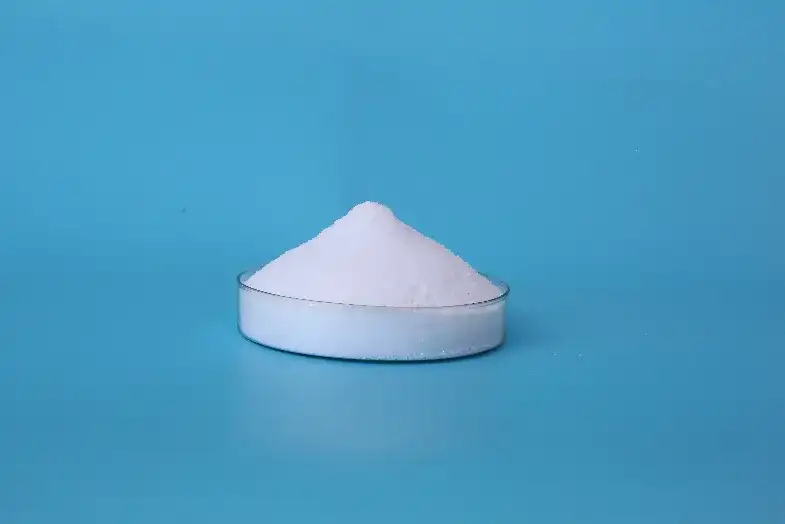
Anionic polyacrylamide is an ultra-high molecular weight polymer, typically exceeding 30 million, produced through copolymerization of acrylamide and acrylate salts. The resulting chemical structure carries anionic charges distributed along the polymer chain. These charges create strong electrostatic interactions with positively charged surfaces and multivalent cations—a property that explains most of what the polymer does in the field.
Three characteristics determine how a specific anionic PAM will perform. Molecular weight controls viscosity enhancement and drag reduction. Higher molecular weights produce greater viscosity and more effective friction reduction, though there’s always a tradeoff with pumpability. The hydrolysis degree—the percentage of amide groups converted to carboxylate groups—determines how many anionic charges the polymer carries. More charges mean better flocculation and adsorption, but also greater sensitivity to salinity. Charge density, closely related to hydrolysis degree, governs how the polymer interacts with rock surfaces and clay particles.
The polymer works through several mechanisms simultaneously. It increases fluid viscosity, which improves the carrying capacity for cuttings during drilling and proppants during fracturing. It reduces friction by allowing polymer chains to align in flow, cutting turbulent drag significantly. Anionic PAM also controls fluid loss by forming a low-permeability filter cake on the wellbore wall, preventing drilling fluid from invading the formation. Clay stabilization happens through charge interactions that prevent swelling and dispersion. Selecting the right molecular weight and ionic characteristics for specific water qualities and operational conditions makes the difference between a polymer that performs and one that creates problems.
| Property | Description | Impact on Performance |
|---|---|---|
| Molecular Weight | Polymer chain length (typically > 30 million) | Viscosity, friction reduction, proppant suspension |
| Hydrolysis Degree | Percentage of anionic groups (carboxylate) | Charge density, salt tolerance, flocculation efficiency |
| Charge Density | Concentration of anionic charges along the polymer chain | Interaction with rock surfaces, clay stabilization |
| Solubility | Ability to dissolve in water | Ease of preparation, field application |
| Thermal Stability | Resistance to degradation at high temperatures | Performance in deep, hot wells |
How Anionic PAM Functions Step by Step
- Polymer Introduction: Anionic PAM dissolves into drilling or fracturing fluids.
- Charge Interaction: Anionic charges on PAM interact with formation surfaces and suspended particles.
- Viscosity Enhancement: Long polymer chains entangle, increasing fluid viscosity.
- Friction Reduction: Polymer chains align in flow, reducing turbulent drag.
- Fluid Loss Control: PAM adsorbs onto pore throats, creating a filter cake.
- Clay Stabilization: PAM inhibits clay swelling and dispersion through charge interaction.
- Enhanced Performance: Drilling efficiency, wellbore stability, and oil recovery improve as a result.
Why Horizontal Wells Demand Different Anionic PAM Specifications
Horizontal drilling creates challenges that vertical wells simply don’t face. Extended reach, complex wellbore geometries, and the prevalence of shale formations all push drilling fluid additives harder. The polymer has to perform under conditions that would cause many formulations to fail.
Friction reduction becomes the dominant concern in horizontal wells. High molecular weight anionic PAM minimizes frictional pressure losses over long lateral sections—sometimes exceeding 10,000 feet—allowing greater drilling distances without overwhelming the pumping system. The polymer’s pseudoplastic rheological properties ensure cuttings don’t settle in the horizontal section, where gravity works against you. During fracturing operations, anionic PAM keeps proppants suspended and transports them deep into fracture networks. Without effective proppant transport, stimulated reservoir volume drops and production suffers.
Shear stability matters more in horizontal applications than most operators initially expect. Fluids undergo significant shear stress during high-rate pumping through narrow annuli and perforations. A polymer that loses viscosity under shear won’t maintain proppant suspension when it counts.
What Molecular Weight Works Best for Horizontal Drilling?
Higher molecular weight anionic PAM generally performs better in horizontal drilling, particularly in long laterals. The physics are straightforward: high molecular weight polymers reduce friction more effectively, which matters when you’re pumping fluid over extended distances. They also provide superior proppant suspension, ensuring that proppants reach deep into fracture networks during hydraulic fracturing.
The tradeoff involves pumpability. Excessively high molecular weights increase fluid viscosity to the point where pumping efficiency suffers. Finding the right balance requires matching the polymer to the specific well geometry and operational parameters. Shandong Nuoer Biological Technology Co., Ltd. offers a range of Polyacrylamide Supplier OEM with molecular weights optimized for these requirements.
Vertical Well Applications Where Anionic PAM Makes the Difference
Vertical wells present a different set of priorities. The geometry is simpler, but the polymer still has to perform specific functions that affect well economics over the long term. Fluid loss control, clay inhibition, and reservoir protection often take precedence over friction reduction.
During vertical drilling, anionic PAM maintains wellbore stability and prevents fluid invasion into permeable formations. The fluid loss control capabilities minimize filtrate invasion, which protects sensitive reservoir zones from damage that can permanently reduce productivity. In cementing operations, specific anionic PAM formulations improve slurry rheology and reduce fluid loss, producing a more effective cement bond between casing and formation.
Enhanced oil recovery represents one of the most significant applications for anionic PAM in vertical wells. Polymer flooding increases water viscosity, improving sweep efficiency and displacing residual oil more effectively than water alone. This application requires polymers with specific hydrolysis degrees and salt tolerance matched to reservoir conditions. The wrong polymer specification in an EOR application can mean the difference between economic success and a failed project.
How Salinity Affects Anionic PAM in Vertical Well Applications
Salinity creates real problems for anionic PAM performance. Increasing salt concentration causes polymer chains to coil more tightly due to charge screening effects. This reduces their hydrodynamic volume and diminishes their ability to enhance viscosity. The practical result: fluid loss control weakens and EOR effectiveness drops.
Brine-compatible or salt-tolerant PAM formulations address this issue. These polymers incorporate specific co-monomers or have optimized hydrolysis degrees that maintain coil conformation and viscosity-enhancing properties even in high-salinity environments. Matching the polymer to the expected salinity range prevents performance surprises after the job is already underway.
Comparing Anionic PAM Performance Between Well Types
The operational differences between horizontal and vertical wells require different approaches to polymer selection. Getting this wrong creates problems that show up in drilling efficiency, formation damage, and ultimately in production numbers.
| Feature / Parameter | Horizontal Wells | Vertical Wells |
|---|---|---|
| Primary PAM Function | Friction reduction, proppant transport, wellbore integrity | Fluid loss control, clay inhibition, EOR sweep efficiency |
| Optimal Molecular Weight | High to ultra-high (for friction reduction and proppant suspension) | Medium to high (for fluid loss control, viscosity, and EOR) |
| Hydrolysis Degree | Variable, often higher for improved salt tolerance in unconventional plays | Variable, tailored to formation and brine salinity |
| Shear Stability | Critical (high shear rates in long laterals and fracturing) | Important (less extreme than horizontal, but relevant for pumping) |
| Fluid Loss Control | Important for maintaining pressure and preventing formation damage during drilling | Crucial for protecting permeable zones and optimizing cementing/EOR |
| Formation Damage Risk | High (shale formations, long exposure times) | Moderate (invasion of drilling fluids, clay swelling) |
Horizontal wells emphasize minimizing drag and ensuring efficient proppant placement during fracturing. This requires high molecular weight, shear-stable anionic PAM formulations. Vertical wells often prioritize fluid loss control during drilling and sustained viscosity for enhanced oil recovery. The rheological targets differ accordingly. Horizontal wells need lower effective viscosity at high shear rates for friction reduction. Vertical EOR applications require sustained viscosity at low shear rates for effective sweep.
Shandong Nuoer Biological Technology Co., Ltd. provides customized Polyacrylamide Emulsion solutions that address these diverse needs, ensuring optimal wellbore stability and reduced formation damage across both well types.
Where Anionic PAM Technology Is Heading
The industry continues pushing polymer technology toward better performance under extreme conditions and reduced environmental impact. Deep wells with high temperatures and high salinities demand polymers that maintain their properties where earlier formulations would degrade. Research into sustainable oilfield chemicals has produced polymers with improved biodegradability and lower toxicity profiles.
Digital oilfield technologies are changing how operators select and apply polymers. Data-driven models now predict polymer performance under specific reservoir conditions, allowing more precise application and reducing waste. This predictive capability helps operators avoid the trial-and-error approach that characterized earlier polymer selection.
Polymer selection directly influences long-term well productivity. The right polymer protects reservoir integrity, maintains drilling efficiency, and maximizes recovery over the life of the well. Partnering with experienced manufacturers like Shandong Nuoer Biological Technology Co., Ltd. provides access to advanced polymer solutions backed by ongoing R&D investment.
Partner with Nuoer for Advanced Anionic PAM Solutions
Shandong Nuoer Biological Technology Co., Ltd. is a global leader in polyacrylamide innovation, offering a comprehensive range of high-performance anionic PAM solutions engineered for the specific demands of both horizontal and vertical well applications. With an annual production capacity of 500,000 tons and a commitment to R&D, we provide customized, reliable, and sustainable polymer technologies that optimize drilling efficiency, enhance oil recovery, and ensure wellbore integrity. Partner with Nuoer to achieve superior operational performance and unlock the full potential of your reservoirs. Contact us today for expert consultation and tailored product recommendations. Email: en*****@***er.com Phone: +86-532-66712876
Frequently Asked Questions About Anionic PAM in Well Operations
Can anionic PAM reduce formation damage in both horizontal and vertical wells?
Anionic PAM reduces formation damage in both well types through two primary mechanisms. Its fluid loss control properties minimize invasion of drilling fluids into the reservoir. Its clay stabilization capabilities prevent swelling and dispersion of sensitive formations. The specific PAM type—molecular weight and hydrolysis degree—must match the reservoir characteristics and well geometry. A polymer that works well in one formation may underperform in another with different clay content or brine chemistry.
What are the environmental considerations for using anionic PAM in drilling fluids?
Environmental considerations include biodegradability, toxicity to aquatic life, and potential for residual polymer in produced water. Regulatory requirements vary by jurisdiction, and some formations require more stringent environmental controls than others. Shandong Nuoer Biological Technology Co., Ltd. develops eco-friendly anionic PAM formulations that meet stringent environmental regulations while maintaining the performance characteristics that operations require.
How does temperature and pressure affect anionic PAM performance in deep wells?
High temperature and pressure in deep wells can degrade anionic PAM, causing viscosity loss and reduced performance. The polymer’s molecular weight, hydrolysis degree, and the presence of stabilizers all affect thermal stability. Deep wells often exceed 300°F, which accelerates degradation of polymers not designed for these conditions. Nuoer’s advanced anionic PAM products are engineered for thermal and shear stability in high-temperature, high-pressure environments, maintaining consistent performance in challenging deep-well applications.


 English
 Russian
 Arabic
 Spanish