
Acrylamide monomer purity is not a single buying decision; it is a process matching decision. The headline percentage on a certificate of analysis matters less than the impurity profile behind it, because inhibitor level, conductivity, and trace iron govern how predictably the monomer polymerizes. From polymer synthesis campaigns I have managed, starting with the right purity grade reduces molecular weight drift, charge stability problems, and batch rework more than any downstream adjustment. The correct grade depends on your polymerization route, final polymer specification, and whether you feed crystal or aqueous solution. The comparison below matches grade choices to production patterns.
Acrylamide Monomer Purity Levels That Shape Polymerization Results
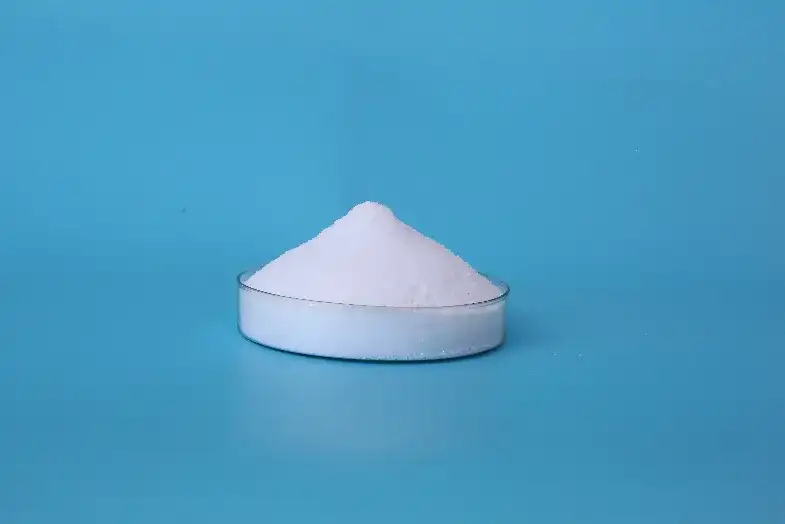
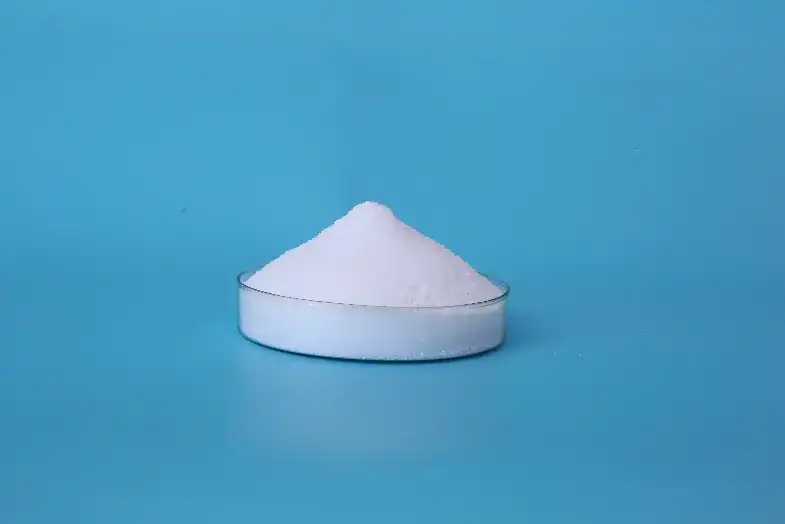
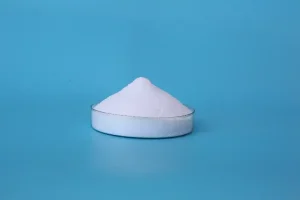
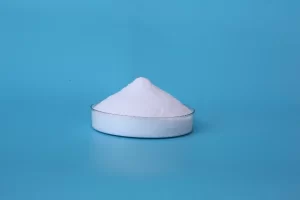
Purity is usually expressed as acrylamide content, but a buyer should read the full specification. High purity AM Crystal at 98.0 percent or above still has measurable moisture, inhibitor, conductivity, and iron. Those minor components influence initiation rate and polymer chain length. A crystal grade with conductivity at or below 20 µS/cm and iron at or below 1 ppm gives a cleaner polymerization start than a technical product with looser limits.
I have seen iron contamination near the upper release limit create initiation inconsistencies in high molecular weight anionic polyacrylamide. The result is not always a failed batch. It shows up as broader molecular weight distribution or lower viscosity per unit of monomer. Those defects are expensive to correct later, because you cannot separate out a broad chain length distribution once the polymer forms.
The same issue applies to inhibitor level. Some inhibitor is necessary to prevent premature polymerization during storage and transport. Too much inhibitor, or a level outside the range your initiator system expects, changes the reaction induction period. That is why a specification of 3 to 10 ppm inhibitor must be read together with your initiator charge, not as an isolated value.
High Purity and Technical Grade Positions
High purity is not the only defensible buying position. Technical grade material often has a lower unit cost and works when the polymerization route tolerates more impurities. The higher cost of high purity crystal pays off in applications where molecular weight, charge stability, or low residual monomer content is the point of the product.
The table below compares the main specification differences that matter in practice.
| Specification | High Purity AM Crystal | AM Aqueous Solution |
|---|---|---|
| Acrylamide content | 98.0 percent or above | 28 to 30, 38 to 42, or 48 to 52 percent |
| Conductivity | 20 µS/cm or below | 5 to 30 µS/cm by grade |
| Iron | 1 ppm or below | Not specified in the same way |
| Inhibitor | 3 to 10 ppm | 0 to 100 ppm by grade |
| Best fit | Dry polymer synthesis needing controlled initiation | Continuous liquid feed and faster processing |
The decision is not higher purity equals better product. It is higher purity equals cleaner start and tighter control. A continuous polyacrylamide line that runs an aqueous monomer with consistent inhibitor and water content can produce stable polymer at lower purification cost than a batch line dissolving crystal. The process determines whether the crystal premium is worth paying.
Acrylamide Monomer Purity Selection by Process Type
The monomer form and the reactor type decide the practical purity requirement. Batch polymerization of dry PAM usually favors crystal because the operator controls water addition and dissolving conditions. Continuous polymerization more often favors aqueous solution because it removes a material handling step and shortens the path from monomer feed to reaction.
What Purity Does Anionic Polyacrylamide Production Require?
Anionic PAM produced at very high molecular weight benefits from a cleaner monomer. Impurities that affect initiation or chain transfer have a larger effect when the target molecular weight exceeds 30 million. Low iron and a controlled inhibitor range maintain the chain length distribution and the final viscosity profile. If the product will be used in oil recovery or mining, those rheological properties are the reason the customer buys it.
When Does Acrylamide Aqueous Solution Work Better?
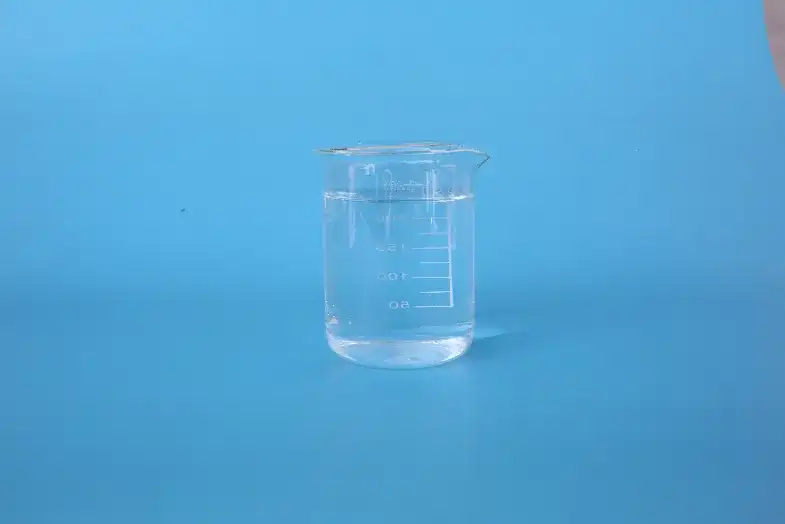
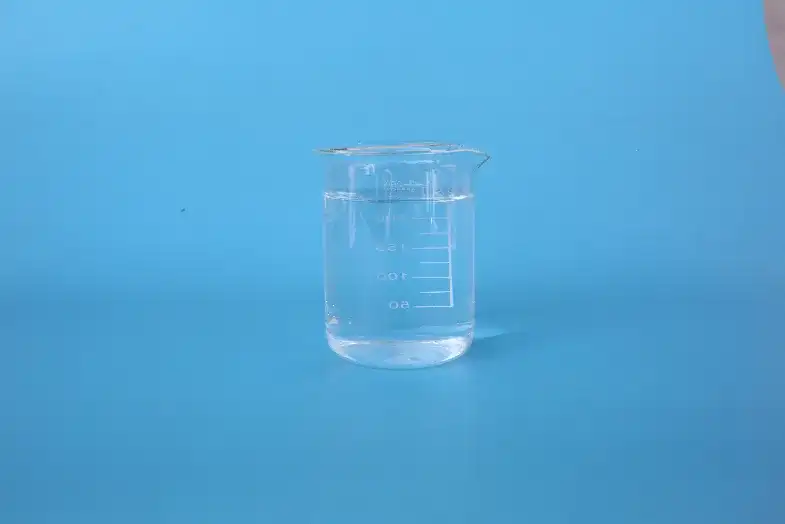
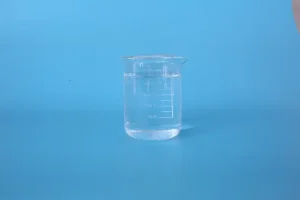
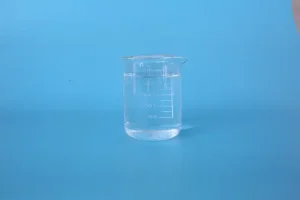
AM Aqueous Solution at 38 to 42 percent or 48 to 52 percent acrylamide content fits continuous polymerization lines because it removes crystal dissolving time and solid handling exposure. The tradeoff is water load and inhibitor control. If the recipe can tolerate the added water and the feed system controls inhibitor, solution monomer shortens batch changeover and reduces exposure to acrylamide dust.
If your process operates near a purity boundary, for example with a low inhibitor window or a strict conductivity limit, confirm the full impurity profile before you lock the bill of materials. Send your initiation recipe, monomer form, and monthly volume to en*****@***er.com or call +86-532-66712876.
Specification Checks for Acrylamide Monomer Purity
Before accepting a shipment, check four parameters beyond the percentage: inhibitor range, conductivity, iron, and pH. A certificate of analysis can show purity above 98 percent while the pH or conductivity falls outside the window your initiation system expects. In batch polymerization, a pH outside the expected range can shift the reaction rate at the start. Low conductivity matters in polymer products where residual salts affect final application properties.
For crystal, a stable release band is pH 6.5 to 7.5, conductivity at or below 20 µS/cm, and iron at or below 1 ppm. For aqueous solution, the range is wider: pH 7.0 to 9.0, conductivity from 5 to 30 µS/cm by grade, and inhibitor from 0 to 100 ppm. Acrylonitrile content at or below 0.1 percent and acrylic acid content at or below 0.3 percent are the impurity checks that separate a stable feed from one that causes variation in copolymer composition. Color at or below 20 is another early signal of storage or production upset. These limits reflect the monomer’s thermal history and purification quality.
When we qualify monomer for our own polymerization lines, we do not stop at the supplier’s printed purity. We compare the full release data against the specific initiator system and final PAM specification. That is how we decide whether crystal or solution is acceptable under today’s production plan.
Acrylamide Monomer Purity Decisions Before You Order
At Shandong Nuoer, choosing the wrong purity grade often appears later as inconsistent conversion, broader molecular weight distribution, or extra purification work. That cost arrives after the monomer price has already been paid. Working from your final polymer specification, target molecular weight, and initiator system usually avoids that failure. Send your target purity, conductivity limit, inhibitor window, and monthly volume to en*****@***er.com or call +86-532-66712876, and we will confirm whether the AM Crystal or a specific AM Aqueous Solution grade matches your line before you commit.
Common Buyer Questions on Acrylamide Monomer Purity
Is the Highest Purity Acrylamide Always Worth the Higher Price?
Not always. The value depends on the final polymer. For specialty high molecular weight PAM, the higher purity is usually justified because impurity variation shows up in molecular weight and viscosity. For less sensitive copolymer routes, a technical grade may pass. The deciding factors are inhibitor tolerance, conductivity, and whether trace iron disrupts your initiation. Test a small batch against conversion and molecular weight targets before paying for a higher grade on a full order.
Does a 98 Percent Crystal Purity Guarantee Stable Polymerization?
Not on its own. A 98.0 percent reading still leaves room for real differences in trace components. A 98.0 percent crystal with conductivity below 20 µS/cm and iron below 1 ppm behaves differently from one with looser trace limits. Polymerization stability comes from the full impurity profile, not the headline assay. Request the certificate of analysis and compare inhibitor and metal content before qualifying a supplier. That check is more useful than the single purity figure.
Which Specification Matters More, Conductivity or Iron?
It depends on the reaction system and the end use. With a redox initiation system, iron matters more because trace metal can alter free radical generation. If the finished polymer will be used where residual salts cause performance problems, conductivity matters more. When both are uncontrolled, the result is inconsistent molecular weight and conversion. Set limits for both based on your tolerance, not on the supplier’s generic release range.
How Should a Continuous Plant Choose Between Crystal and Aqueous Solution?
In continuous plants we have worked with, aqueous solution often wins on handling and cycle time. The monomer enters the feed system directly, so startup is faster and solid dissolving disappears. The tradeoff is that water content and inhibitor level must fit the mass balance and heat removal. If the reactor can accept the extra water and the initiator system matches the inhibitor range, solution is practical. If not, high purity crystal gives more formulation control. If you are deciding between crystal and solution for a continuous line, share your target solids and inhibitor window with us at en*****@***er.com and we will confirm which monomer grade fits.
If you’re interested, check out these related articles:
Emulsion PAM for Mobile Water Treatment Units: A Strategic Guide
Choosing Cationic Polyacrylamide for Optimal Paper Mill Performance


 English
 Russian
 Arabic
 Spanish