
Industrial wastewater rarely behaves the way textbooks suggest. The suspended solids shift with production cycles, pH swings between batches, and what worked last month suddenly underperforms. After years of watching treatment systems struggle with these variables, one chemical consistently delivers predictable results: cationic polyacrylamide. The cost savings are real, but the operational stability it brings might matter even more for plants running tight margins and tighter discharge limits.
What Makes Cationic PAM Work in Industrial Solid-Liquid Separation
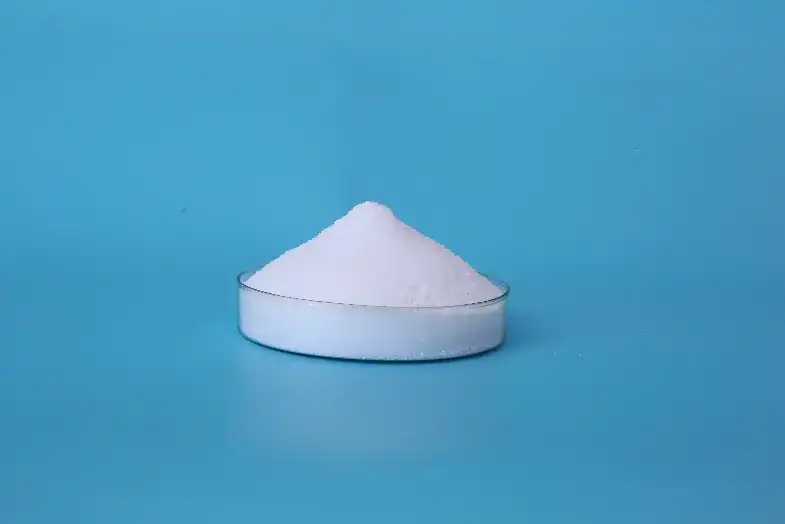
Cationic polyacrylamide is a water-soluble linear organic polymer created by copolymerizing cationic monomers with acrylamide. It functions as a flocculant in industrial solid-liquid separation processes, including sedimentation, clarification, thickening, and sludge dewatering. The mechanism is straightforward: the positively charged polymer neutralizes negatively charged particles suspended in wastewater, causing them to aggregate into larger flocs that settle or filter out more easily.
Two properties determine how well a Cationic Polyacrylamide Flocculant performs in any given application. Charge density controls how effectively the polymer neutralizes highly anionic suspended solids. Molecular weight governs bridging behavior between particles, forming larger and more robust flocs that resist shearing during pumping or centrifugation. Shandong Nuoer Biological Technology Co. offers customizable production to match specific customer requirements, which matters because industrial effluents vary dramatically in composition. A food processing plant and a textile mill face completely different wastewater profiles, and the same PAM formulation rarely optimizes both. This adaptability makes cationic PAM a practical solution for wastewater clarification across diverse industrial applications.
Where the Money Actually Goes in Wastewater Treatment
Implementing cationic PAM in industrial wastewater treatment cuts operational expenditures in ways that compound over time. Optimized PAM usage reduces sludge volume by 20-40% on average. That percentage translates directly into lower disposal and transportation costs, which often represent the largest single line item in treatment budgets. Enhanced dewatering efficiency also pulls more water out of the sludge, reducing weight and volume before any downstream handling. Plants that dry their sludge see meaningful energy savings because there is simply less moisture to evaporate.
How does cationic PAM reduce operational costs?
Several mechanisms drive the cost reductions. Improved dewatering efficiency lowers sludge volume, which decreases transportation and disposal expenses. These costs hit industrial plants hard because hauling wet sludge is expensive per ton-mile. Better flocculation also allows reduced dosing of other treatment chemicals, optimizing overall consumption. Faster solid-liquid separation means pumps and centrifuges run shorter cycles at lower energy draw. The cumulative effect across these factors produces substantial operational savings.
| Cost Factor | Before PAM Optimization | After PAM Optimization (Estimated) | Savings (%) |
|---|---|---|---|
| Sludge Disposal (per ton) | $100 | $60 | 40% |
| Chemical Consumption (per month) | $5,000 | $4,250 | 15% |
| Energy for Dewatering (per month) | $3,000 | $2,400 | 20% |
These numbers reflect typical industrial scenarios. Actual results depend on baseline conditions, but the pattern holds across most applications: optimizing cationic PAM usage yields measurable cost reductions in multiple operational areas simultaneously.
Meeting Discharge Limits Without Constant Firefighting
Optimized cationic PAM usage correlates directly with improved effluent quality. Plants that dial in their flocculation chemistry meet stringent environmental discharge limits more consistently, avoiding the regulatory penalties that can dwarf chemical costs. Superior flocculation and sedimentation produce cleaner treated water, and that water often qualifies for recycling back into process use. Reducing fresh water intake saves money and demonstrates sustainable water management to regulators and stakeholders.
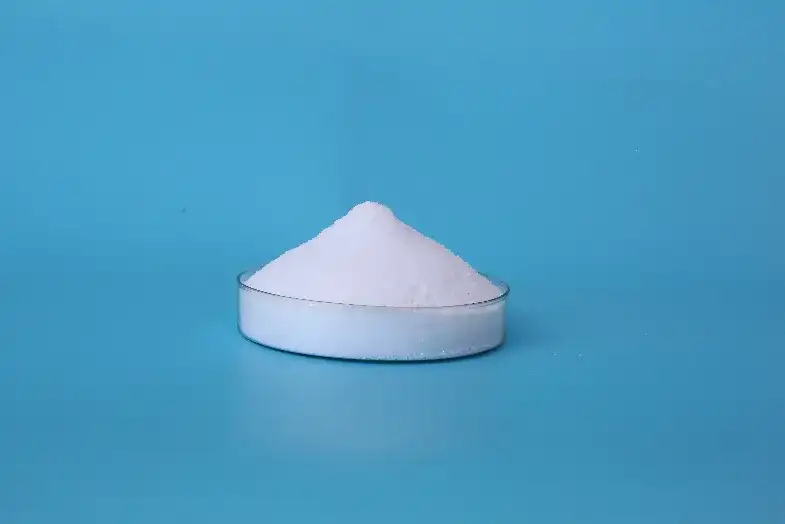
Sludge volume reduction also shrinks the environmental footprint by decreasing waste requiring disposal. High-performance Polyacrylamide Supplier OEM solutions from Shandong Nuoer Biological Technology Co. support these outcomes through consistent product quality. The company’s commitment to manufacturing precision ensures that flocculants enhance operational efficiency while supporting environmental responsibility. As discharge regulations tighten globally, this proactive approach helps industries maintain their operating permits while minimizing ecological impact.
Matching the Right PAM to Your Wastewater
Strategic selection of cationic PAM determines whether you achieve maximum performance or leave money on the table. The right polymer depends on specific wastewater characteristics: pH, suspended solids concentration, organic load, and temperature all influence which formulation works best. Shandong Nuoer Biological Technology Co. offers a diverse range of Cationic Polyacrylamide Flocculant products designed for this variability, allowing customized solutions that match unique plant requirements rather than forcing compromise.
Flocculant dosage optimization matters just as much as product selection. Overtreatment wastes chemical budget and can actually degrade floc quality. Undertreatment compromises effluent quality and risks permit violations. Finding the optimal dose requires jar testing and ongoing monitoring, but the payoff in both cost savings and treatment reliability justifies the effort.
What is the typical ROI for implementing cationic PAM in industrial wastewater treatment?
Return on Investment for cationic PAM implementation typically ranges from 6 to 18 months. This rapid payback comes from combined savings in sludge disposal, reduced chemical consumption, and lower energy costs. Case studies across various industrial applications confirm these timelines. The initial investment in high-quality cationic PAM and optimized dosing systems recoups quickly through improved operational efficiency and reduced waste management expenses. For plants evaluating capital allocation, this payback period makes cationic PAM a strategically sound investment for long-term cost reduction.
How does the molecular weight and charge density of cationic PAM affect its performance and cost-effectiveness?
Molecular weight and charge density work together to determine treatment effectiveness. Higher molecular weight polymers enhance bridging flocculation, forming larger and denser flocs that settle faster and dewater more completely. Charge density primarily governs neutralization of negatively charged particles in the wastewater stream. Selecting the optimal combination for your specific effluent ensures efficient particle aggregation with minimal dosage. This precision reduces chemical costs while improving treatment efficacy, directly impacting the overall cost-effectiveness of the treatment process.
Where Polymer Flocculation Technology Is Heading
Polymer flocculation technology continues evolving toward sustainable water treatment solutions and greater operational efficiency. Bio-based polymers are emerging as eco-friendly alternatives with reduced environmental impact during production and disposal. Smart dosing systems that integrate real-time monitoring with automated adjustment are gaining adoption in larger facilities. These systems optimize flocculant dosage optimization continuously, minimizing chemical waste while maximizing treatment effectiveness even as influent quality fluctuates.
These innovations support circular economy principles in wastewater management by promoting resource recovery and water reuse. Shandong Nuoer Biological Technology Co. remains committed to advancing these practices, contributing to industrial operations that meet both economic and environmental objectives.
Common Questions About Cationic PAM Performance
What are the environmental and regulatory advantages of using high-performance cationic PAM in plant operations?
High-performance Cationic Polyacrylamide Flocculant improves effluent quality to levels that meet stringent environmental discharge regulations. This keeps plants in compliance and avoids penalties that can exceed annual chemical budgets. Reduced sludge volume also lowers the carbon footprint from transportation and disposal. These benefits support sustainable operations and strengthen corporate environmental credentials with regulators and customers.
Can cationic PAM be tailored for specific industrial wastewater compositions?
Cationic PAM is highly customizable. Performance optimization requires selecting the appropriate molecular weight and charge density based on wastewater characteristics including pH, suspended solids concentration, and organic load. Shandong Nuoer Biological Technology Co. offers a diverse product range specifically to match unique plant requirements rather than forcing generic solutions onto complex treatment challenges.
How does Shandong Nuoer Biological Technology ensure the quality and consistency of its cationic PAM products?
Shandong Nuoer Biological Technology Co. maintains rigorous quality control standards throughout R&D and production. With annual production capacity of 500,000 tons of Polyacrylamide Supplier OEM products and a global sales network, the company ensures consistent product quality, reliability, and performance. This consistency matters because treatment systems depend on predictable chemical behavior to maintain stable operations.
Partner with Shandong Nuoer Biological Technology Co.
Unlock superior wastewater treatment efficiency and significant cost savings for your industrial plant. Shandong Nuoer Biological Technology Co., Ltd. offers a comprehensive range of high-performance Polyacrylamide Supplier OEM solutions. These are backed by global expertise and a commitment to ‘manufacturing perfect products.’ Partner with us to achieve your operational goals and environmental compliance. Contact our experts today for a tailored consultation and discover how our advanced flocculants can create lasting value for your business. Email: en*****@***er.com | Phone: +86-532-66712876





 English
 Russian
 Arabic
 Spanish