
Non-ionic PAM for extreme pH conditions works through adsorption and bridging more than charge neutralization, so it keeps flocculating where anionic grades lose their effective charge. That does not mean it behaves identically at pH 2 and pH 12. Buyers need to check molecular weight, dissolution rate, and residual monomer for each pH band instead of accepting a generic wide pH tolerance claim. Most supplier documents stop at “pH tolerant.” The specification data behind that phrase is what determines whether a batch will settle solids or create a dosing problem.
How Non-Ionic PAM Maintains Flocculation Across a Wide pH Range
Non-ionic polyacrylamide is a high molecular weight linear homopolymer with low ionization degree. Unlike anionic or cationic grades, it carries no deliberate charge along the chain. Flocculation depends mostly on adsorption and bridging between polymer chains and suspended solids, with hydrogen bonding from amide groups. Because the mechanism does not require electrostatic attraction between the polymer and the particle surface, the product remains effective across a broader pH band than charge-dependent grades.
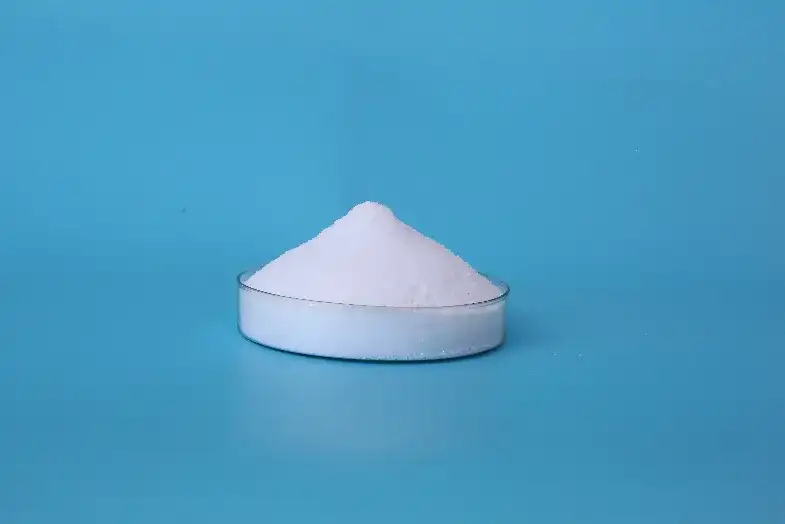
In our production and application work, we treat pH tolerance as a curve rather than a fixed range. At neutral pH, non-ionic PAM dissolves readily and produces the high viscosity expected from its molecular weight. At acidic pH, the amide groups stay largely unchanged in normal contact times, and bridging continues. Under alkaline pH, hydrolysis becomes the main variable. Amide groups can convert to carboxylate groups, gradually giving the polymer an anionic character. The shift can be useful in some streams or it can alter the dosage and settling behavior. Buyers should therefore ask for the hydrolysis degree of the grade they plan to use, not only the product category name.
Why Acidic Conditions Favor Non-Ionic PAM Over Anionic Grades
Anionic polyacrylamide, including partially hydrolyzed polyacrylamide, depends on carboxylate groups that carry a negative charge in neutral and alkaline water. As pH falls, those groups protonate. The negative charge collapses, repulsion between chain segments decreases, and the extended chain can coil. The result is a weaker bridging effect at the exact time the process needs stronger solids capture. Acid mine drainage, metal pickling rinse water, and some textile streams often sit between pH 2 and pH 5, where this loss is most visible.
Non-ionic PAM does not rely on that charge. Our product data rates non-ionic polyacrylamide as less affected by pH and salts and notes superior flocculation under acidic conditions compared with partially hydrolyzed polyacrylamide. In acid applications, we have seen clarification hold steady when an anionic grade at the same dosage produced only slow, loose flocs. That difference is not marginal. It changes clarifier operation and the final suspended solids number.
| Condition | Non-ionic PAM behavior | Anionic PAM behavior |
|---|---|---|
| Neutral to alkaline | Stable bridging with low charge sensitivity | Strong anionic charge for negatively charged solids |
| Acidic pH 2 to 5 | Charge largely unchanged, flocculation continues | Carboxylate groups protonate, chain can coil, bridging weakens |
| Strongly alkaline with long contact | Amide hydrolysis increases anionic character | Already anionic, charge response remains more stable |
| High salt | Flocculation less affected by pH and salts | Dose may rise as charge screening reduces chain extension |
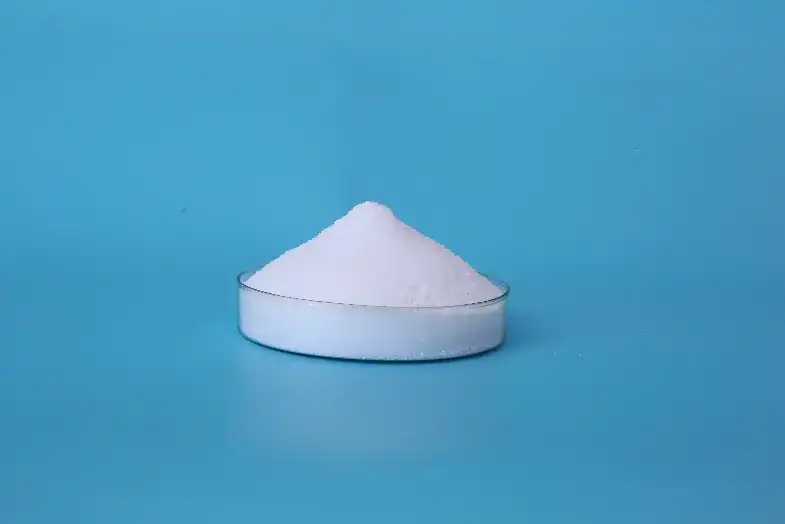
If your program involves an acidic stream below pH 5, it is worth confirming the non-ionic grade’s molecular weight and dissolution behavior in your actual process water before finalizing the BOM. You can send your pH, conductivity, and solids target to en*****@***er.com.
What Limits Non-Ionic PAM Performance at Extreme pH
Extreme pH is not a single operating condition. A stream at pH 1.5 with high chloride behaves differently from a stream at pH 12.5 with sodium hydroxide or lime. For non-ionic PAM, the limiting mechanism changes across the scale.
At the acidic end, polymer degradation is generally slow under ambient temperatures, but the dissolved pulp or slurry can still affect dissolution. In our technical review, we require a jar test at the actual pH and temperature because solubility and floc formation do not always track the product data sheet. At the alkaline end, hydrolysis accelerates. Extended contact with strongly alkaline water converts amide groups to carboxylate groups, so the polymer shifts toward partially hydrolyzed behavior. Flocs may become denser in one system and lighter in another, depending on the particle charge and dissolved ions.
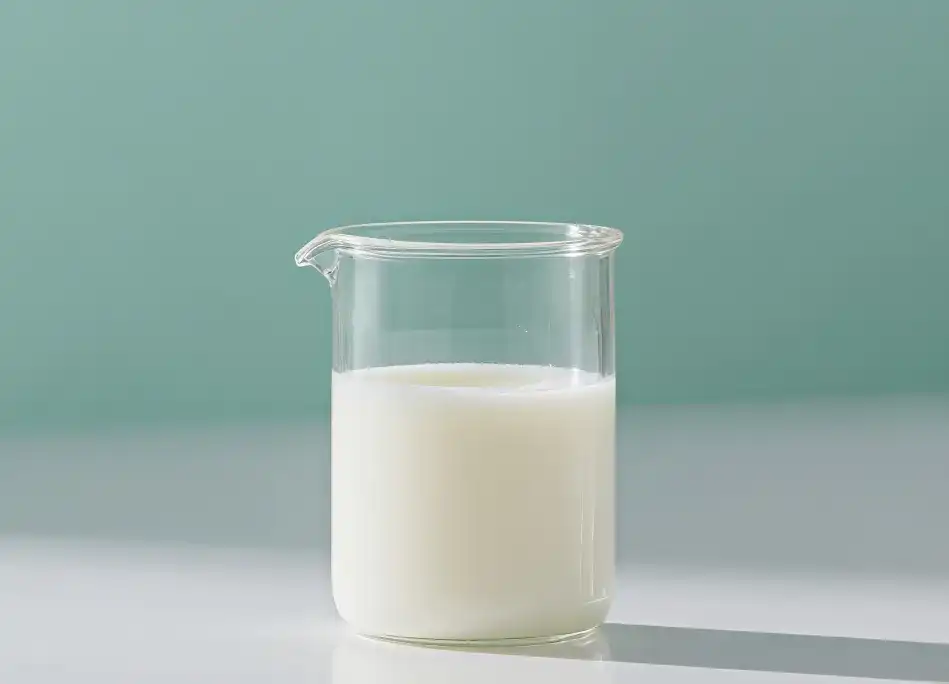
This is why “works at any pH” is not a specification. It is a simplification. A responsible qualification looks at three points: the expected pH range, the contact time before solids are removed, and the electrolyte background. Where those three change, dosage changes, and the best grade may also change.
Confirming Non-Ionic PAM Specifications for Extreme pH Duty
Buyers evaluating non-ionic PAM for extreme pH should move from general data sheets to three verifications. First, confirm the molecular weight range and the corresponding viscosity method. Second, request the residual acrylamide monomer value, because low residual monomer matters for wastewater discharge and safe handling. Third, ask for a bench test in your process water at both the operating pH and the worst-case upset pH.
Shandong Nuoer Biological Technology Co., Ltd. can confirm these values for your application and arrange a sample test against your actual water sample. Send the part number you are replacing, your pH range, suspended solids, and daily flow to en*****@***er.com or call +86-532-66712876. The goal is not a broader pH claim. It is a batch that settles your solids at the dose you planned.
Common Questions About Non-Ionic PAM in Extreme pH Systems
Does non-ionic PAM work at every pH level?
No. Non-ionic PAM tolerates a wider pH range than charge-based grades, but at strongly alkaline pH the amide groups hydrolyze over time and the polymer takes on anionic character. At strongly acidic pH the effect is less immediate, but floc formation still needs confirmation with the actual process water. The practical answer is that the product is more pH tolerant, not pH proof. Always test at the plant’s highest and lowest expected values before committing to a single grade.
Is non-ionic PAM always better than anionic PAM in acid water?
Not always. For many acidic streams, especially those with negatively charged colloidal solids, non-ionic PAM maintains bridging while anionic PAM loses charge and can underperform. However, if the solids are positively charged or if the process benefits from charge neutralization, a cationic or alternative treatment may perform better. The way to resolve this is a side-by-side jar test at the same dose and mixing speed, not a vendor’s pH range table.
What specification matters most for acid mine drainage?
It depends on the water chemistry. Molecular weight and dissolution rate usually matter more than a printed pH limit. Acid mine drainage often carries dissolved metals and sulfate, so the polymer must hydrate quickly in low-pH water and still form strong flocs under high conductivity. We ask for the viscosity method, residual monomer, and dissolution time before we compare samples. If the grade dissolves too slowly in cold acidic water, performance drops before the pH issue even appears.
Can one non-ionic PAM grade handle both acidic and alkaline wastewater?
In programs we have supported, a single grade can manage both ends of the pH spectrum when the solids load and flow are steady and the contact time is short. For a plant that swings between pH 2 and pH 12 over a shift, the alkaline side will gradually hydrolyze the polymer, so the dosage and settling profile may differ from the acid side. We recommend bench tests at both limits, then decide whether one grade or two is more cost-effective. Share your pH range and solids data with en*****@***er.com, and we will confirm the suitable non-ionic PAM grade and sample arrangement.
If you’re interested, check out these related articles:
Acrylic Acid for Coatings and Adhesives: Performance Solutions
Acrylic Acid Polymerization Process: An Advanced Industrial Guide
Optimal SAP Grades for Ultra-Thin Baby Diapers: Performance Deep Dive
FDA Approved Super Absorbent Polymer Manufacturers: A Global Guide
Nuoer Biology donates and constructs a new plastic playground at the Happiness Community III in Xianhe Town.


 English
 Russian
 Arabic
 Spanish