
Finding a super absorbent polymer supplier with legitimate FDA approval takes more digging than most procurement teams expect. The certification itself is straightforward enough to understand, but the real challenge lies in separating manufacturers who genuinely maintain compliant production systems from those who treat regulatory documentation as a marketing checkbox. After years of sourcing these materials for hygiene and medical applications, the patterns become clear: the best suppliers build compliance into their manufacturing DNA rather than bolting it on afterward.
Why FDA Compliance Shapes the Global SAP Market
The global SAP market operates under tight regulatory scrutiny, particularly for polymers destined for skin contact or medical use. FDA regulations for polymers establish baseline safety requirements that affect everything from baby diapers to advanced wound dressings. These standards exist because super absorbent polymers in sensitive applications must demonstrate both safety and consistent performance under real-world conditions.
Manufacturers pursuing regulatory compliance for SAPs face genuine operational challenges. Quality control systems need constant attention. Production processes require documentation at every stage. Testing protocols must catch problems before products ship. The market rewards this rigor with access to premium applications, but the barrier to entry keeps many producers focused on less demanding industrial segments instead.
Understanding these requirements matters for anyone entering the global SAP market or evaluating new suppliers. The technical specifications alone do not tell the full story. A supplier’s approach to compliance often reveals more about their long-term reliability than their published absorption rates.
Evaluating Super Absorbent Polymer Suppliers Beyond Basic Certification
Selecting an FDA-approved super absorbent polymer supplier demands evaluation criteria that go deeper than checking a certificate. Procurement managers and R&D leads need to assess several factors that directly affect product safety, performance consistency, and supply chain stability.
Quality control in SAP production separates adequate suppliers from excellent ones. The difference shows up in batch-to-batch consistency, residual monomer levels, and how quickly a manufacturer identifies and corrects deviations. Suppliers with strong quality systems catch problems during production rather than during customer complaints.
A supplier’s investment in polymer research and development indicates their capacity to address evolving market needs and custom SAP formulations. This matters particularly when applications require specific absorption profiles or particle size distributions that standard products cannot deliver.
SAP certification standards and continuous improvement programs provide additional confidence. Third-party audits, ISO certifications, and documented corrective action processes all contribute to a more complete picture of supplier capability.
| Criteria | What to Look For |
|---|---|
| Quality Control Systems | Documented testing at each production stage, statistical process control, batch traceability |
| R&D Capability | Technical staff credentials, patent portfolio, ability to develop custom formulations |
| Certification Documentation | FDA registration numbers, Certificates of Analysis, third-party audit reports |
| Supply Chain Reliability | Production capacity, inventory management, logistics network coverage |
| Regulatory Track Record | History of compliance, response to regulatory changes, customer audit results |
Specific FDA Requirements for Medical and Food Contact Applications
Super absorbent polymers used in medical or food contact applications must meet requirements outlined in 21 CFR parts covering indirect food additives and medical devices. Manufacturers need to demonstrate biocompatibility through standardized testing protocols. Extractables and leachables analysis confirms that the polymer remains inert when contacting the human body or food products.
The documentation burden is substantial. Testing data must support safety claims. Manufacturing records need to demonstrate consistent process control. These requirements exist because the consequences of non-compliance in medical applications extend beyond regulatory penalties to patient safety concerns.
Manufacturing Processes That Produce FDA-Approved SAPs
Achieving FDA approval for super absorbent polymers requires manufacturing excellence at every production stage. Advanced polymer synthesis techniques form the foundation, but execution determines outcomes.
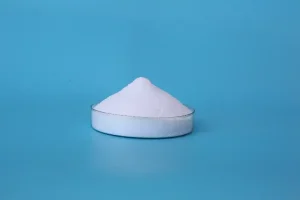
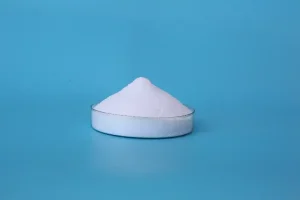
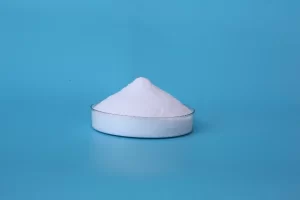
The production of super absorbent polymer (MODEL: SAP NR860) involves polymerization and neutralization of acrylic acid, sodium hydroxide, and cross-linking agents. This chemistry enables rapid absorption and high absorbency, but the process demands precise control. Temperature profiles, reaction timing, and reagent ratios all affect final product characteristics.
Raw material sourcing receives careful attention because impurities in starting materials propagate through the entire production chain. Final product packaging protects against moisture contamination that would degrade polymer performance before use.
Low residual monomer content and excellent hydrolysis resistance result from optimized reaction conditions rather than post-production remediation. Quality assurance protocols include comprehensive SAP absorbency testing and rigorous impurity analysis at multiple production stages.
Sustainable polymer manufacturing practices increasingly influence both product performance and environmental responsibility. Process improvements that reduce waste often improve consistency simultaneously.
The Ultra High Absorbency SAP (SAP NR-611) demonstrates how specialized formulations address specific market segments. This product targets disposable hygiene products with superior centrifugal water retention capacity and minimal long-term reverse osmosis. Such performance characteristics require precise manufacturing control that only FDA-compliant facilities typically maintain.
Global Supply Chain Infrastructure for FDA-Compliant SAPs
Reliable delivery of FDA-compliant super absorbent polymers depends on supply chain infrastructure that spans continents. Efficient logistics for chemical raw materials and timely product distribution require coordination across multiple transportation modes and regulatory jurisdictions.
A global sales network supported by dedicated after-sales service ensures customer satisfaction and operational continuity. This infrastructure enables management of complex international polymer suppliers and procurement requirements that would overwhelm smaller operations.
Production capacity matters for supply security. An annual capacity of 560,000 tons of superabsorbent resin provides the scale necessary to meet global demand reliably while maintaining inventory buffers against supply disruptions. Smaller manufacturers may offer competitive pricing but struggle to guarantee consistent availability during demand spikes.
Distribution to over 60 countries and regions requires understanding of local import requirements, documentation standards, and logistics constraints. Suppliers with established networks in target markets reduce the administrative burden on customers while improving delivery predictability.
Emerging Developments in Super Absorbent Polymer Technology
Innovation drives advancement in super absorbent polymer technology, with several trends shaping product development priorities.
Investment in polymer research and development increasingly focuses on eco-friendly SAP solutions. Sustainable polymer manufacturing processes aim to reduce environmental impact while maintaining or improving product performance. Biodegradability research addresses end-of-life concerns for single-use hygiene products.
Specialized formulations for diverse superabsorbent polymer applications continue expanding. Agricultural applications require different performance profiles than medical devices or hygiene products. Each segment presents unique challenges that drive targeted development efforts.
Improvements in absorption rates, durability, and environmental compatibility represent ongoing research priorities. The key benefits of FDA-approved super absorbent polymers include enhanced safety, consistent performance, and broad applicability in sensitive sectors. These advantages create market incentives for continued innovation.
Working with Shandong Nuoer for FDA-Compliant SAP Solutions
Shandong Nuoer Biological Technology Co., Ltd. delivers FDA-compliant super absorbent polymers meeting the highest global standards. Extensive R&D capabilities, state-of-the-art production facilities, and a robust global network support customers requiring high-quality, reliable SAP solutions.
Contact us to discuss specific requirements and explore how our expertise can support your applications.
Email: en*****@***er.com
Phone: +86-532-66712876
Frequently Asked Questions About FDA-Approved Super Absorbent Polymers
How can I verify a manufacturer’s FDA compliance and quality certifications?
Request official documentation including FDA registration numbers, Certificates of Analysis, and third-party audit reports. Reputable manufacturers provide these readily. Cross-reference registration numbers against FDA databases when possible. Ask about recent audit findings and corrective actions, which reveal more about actual compliance culture than certificates alone.
What lead times and minimum order quantities should I expect?
Lead times and MOQs for FDA-approved super absorbent polymers depend on manufacturer capacity, product customization requirements, and logistics complexity. Suppliers with significant production capacity offer more competitive lead times and flexible MOQs. Shandong Nuoer’s annual capacity of 560,000 tons of superabsorbent resin enables responsiveness that smaller manufacturers cannot match. Direct consultation with sales teams provides precise details for specific projects.
Do different grades of FDA-approved super absorbent polymers exist?
FDA-approved super absorbent polymers come in multiple grades tailored for specific applications. Hygiene products, medical devices, and agricultural uses each require different performance characteristics. Grades vary in absorbency, particle size distribution, and purity levels. These differences directly affect suitability and performance in target applications. Specialized superabsorbent resin formulations address specific industry demands that standard products cannot meet.


 English
 Russian
 Arabic
 Spanish