
Working with acrylamide solutions long enough teaches you that the choice between concentrated and ready-to-use forms is rarely straightforward. Each format carries trade-offs that ripple through your entire operation—from the moment product arrives at your facility to the final polymer properties you achieve. The decision touches everything: how much floor space you need, what equipment your team operates, how your safety protocols are structured, and ultimately what you pay per kilogram of active ingredient. Getting this choice right can mean the difference between a streamlined process and one that fights you at every turn.
How Ready-to-Use and Concentrated Acrylamide Solutions Differ in Practice
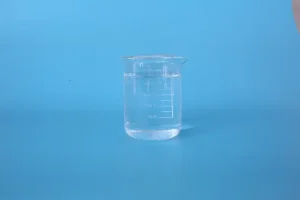
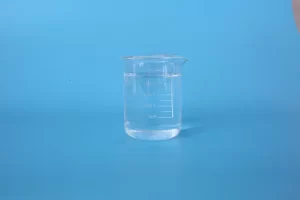
Acrylamide solutions serve as fundamental monomers in polyacrylamide production, and the two primary forms available—ready-to-use and concentrated—behave quite differently in real-world settings. Ready-to-use acrylamide aqueous solution typically arrives at concentrations between 25% and 50%, pre-mixed and stable. You can move directly from receiving to application without intermediate steps. When stored properly away from heat and UV light, these solutions maintain their stability and controlled polymerization behavior reliably.
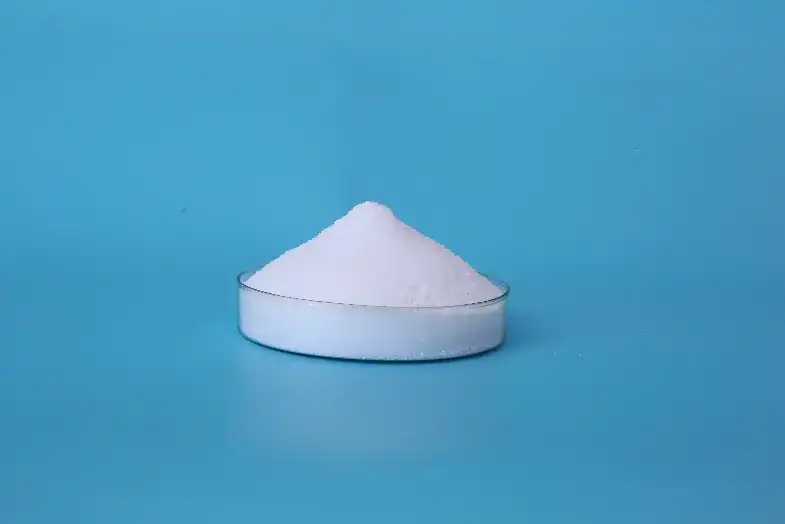
Concentrated acrylamide, including Acrylamide Monomer Crystal (AM Crystal), takes a different approach. These crystalline flakes achieve purity levels of ≥ 98.0% and require dissolution and dilution before use. This extra step creates flexibility—you control the final concentration precisely rather than accepting what arrives. The key parameters matter here: moisture content stays at ≤ 0.8% and inhibitor levels remain controlled at 3–10 ×10⁻⁶, which ensures stable storage and predictable polymerization performance. Both forms benefit from advanced microbial technology during production, minimizing impurities and enhancing how the final polymer performs. The choice between them depends on weighing operational requirements against logistical realities and economic factors.
| Property | Ready-to-Use Acrylamide Solution | Concentrated Acrylamide (AM Crystal) |
|---|---|---|
| Initial State | Liquid (Aqueous Solution) | Solid (Crystalline Flake) |
| Concentration | Typically 25–52% (customizable) | ≥ 98.0% purity (requires dilution) |
| Purity | High purity, ultra-low impurities (e.g., acrylonitrile ≤ 0.1%) | Ultra-high purity (≥ 98.0%), ultra-low impurities |
| Initial Handling | Direct application | Dissolution and dilution required |
| Storage | Stable away from heat/UV light | Stable when cool and dark, shelf life 1–2 years |
Matching Acrylamide Format to Your Operational Reality
The format you choose shapes daily operations more than most purchasing decisions. Ready-to-use acrylamide solutions eliminate on-site dilution entirely, cutting preparation time and the labor hours that go with it. When you need rapid deployment or lack specialized dilution equipment, this convenience becomes genuinely valuable. Water treatment applications and smaller laboratory settings often benefit from pre-mixed solutions because they accelerate workflows without requiring additional infrastructure investment.
Concentrated forms like Acrylamide Monomer Crystal offer something different: control. Industries manufacturing Polyacrylamide Supplier OEM products for oil recovery, papermaking, or metallurgy frequently prefer starting with concentrated material. This approach lets them dial in molecular weight and ionic characteristics to match specific process demands rather than working backward from a fixed concentration. The dissolution and dilution steps require time and equipment, but this investment often pays off through optimized performance in large-scale operations. The decision typically balances immediate operational simplicity against the long-term benefits of customization and economic efficiency.
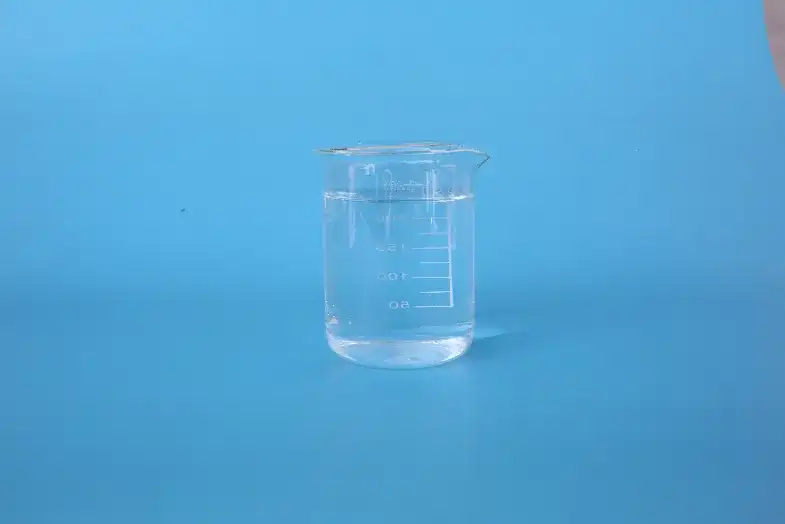
What applications favor ready-to-use acrylamide solutions?
Ready-to-use acrylamide solutions work best when ease of handling and reduced preparation time matter most. Small-scale industrial processes, laboratory research, and water treatment applications requiring immediate dosing all benefit from pre-diluted formats. The simplified operations reduce mixing errors and maintain consistent product quality. For facilities without dedicated dilution infrastructure or those processing smaller volumes, the convenience often outweighs any cost premium on the active ingredient.
The Real Economics of Concentrated vs. Ready-to-Use Acrylamide
Financial analysis of acrylamide solutions requires looking beyond the purchase price to capture the full cost picture. Concentrated forms typically deliver a lower cost per unit of active ingredient because you’re not paying to ship and store water. This advantage compounds for international shipments and long-distance logistics where freight costs represent a significant portion of total expense. Storage requirements shrink proportionally—concentrated products occupy less warehouse space, reducing those carrying costs as well.
The calculation gets more nuanced when you factor in what concentrated solutions demand from your facility. Dilution equipment requires capital investment. Labor hours accumulate during preparation. Energy consumption during dissolution adds up over time. Ready-to-use solutions carry a higher initial price per active ingredient but eliminate these downstream costs, offering a simpler total cost structure. For operations at scale—facilities with annual production capacity reaching 500,000 tons of polyacrylamide, for instance—the long-term savings from concentrated forms typically justify the setup investment. Smaller operations may find the math works differently.
Does concentrated acrylamide actually save money for bulk purchasers?
For bulk purchasers, concentrated acrylamide generally delivers better economics. Lower freight costs from reduced volume and weight per unit of active ingredient represent the primary savings. Bulk purchasing also tends to unlock more favorable pricing structures. The initial investment in dilution infrastructure and associated labor costs spread across large volumes, making the per-kilogram cost of delivered active acrylamide meaningfully lower over time. The break-even point depends on your specific volumes and logistics, but scale favors concentration.
Safety and Environmental Considerations Across Both Formats
Both acrylamide formats demand serious attention to safety protocols, though the specific concerns differ. Ready-to-use solutions reduce immediate exposure to highly concentrated material, but they still require appropriate personal protective equipment and proper ventilation during transfer and application. Environmental considerations center on the larger volumes being handled and the waste management practices needed for responsible disposal.
Concentrated acrylamide—whether solid crystalline or highly concentrated liquid—raises the stakes during handling and dilution. Crystalline forms require dust control measures. Advanced ventilation systems become necessary rather than optional. Spill response procedures need to account for the higher concentration of active material. The commitment to producing ultra-low impurity products, including Acrylamide Aqueous Solution, reflects an understanding that purity and environmental responsibility connect directly. Regulatory compliance governs both forms: proper storage conditions, emergency protocols, and documentation all play roles in minimizing environmental contamination and protecting worker safety.
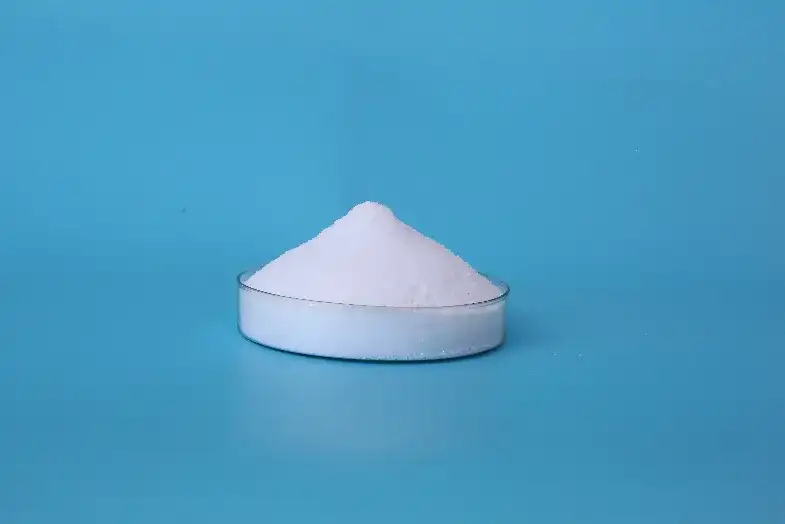
What safety measures matter most when diluting concentrated acrylamide?
Diluting concentrated acrylamide solutions requires systematic safety practices. Personnel need chemical-resistant gloves, safety goggles, and respiratory protection appropriate to the exposure risk. Work areas must have robust ventilation to prevent inhalation. Dilution should happen in designated spaces with spill containment already in place. Emergency showers and eyewash stations need to be immediately accessible—not down the hall. Clear emergency procedures for spills or exposures should exist in writing and be practiced regularly, not just filed away.
Where Acrylamide Technology Is Heading
Innovation in acrylamide production continues to push toward better performance, improved sustainability, and enhanced safety profiles. Polymerization processes are evolving to optimize properties across both ready-to-use and concentrated acrylamide products. Development efforts focus on achieving even lower residual monomer content, responding to tightening environmental regulations while improving product safety margins. The use of advanced microbial technology for producing Acrylamide Monomer Crystal and acrylamide aqueous solutions represents current best practice for purity and performance.
Sustainability pressures are reshaping manufacturing approaches throughout the industry. Reduced energy consumption and waste generation across the product lifecycle have moved from aspirational goals to operational priorities. New applications for polyacrylamide and related copolymers continue emerging in advanced water purification, enhanced oil recovery, and specialized industrial processes. Market trends indicate growing demand for customizable solutions—the ability to tailor production to specific customer requirements rather than offering only standard grades. This flexibility will likely define competitive advantage as industries worldwide continue evolving their requirements.
Partner with Shandong Nuoer Biological Technology Co., Ltd.
For expert guidance on selecting the optimal acrylamide solution for your operations or to discuss customized product requirements, we invite you to connect with our team. Our extensive experience and robust production capabilities, including an annual capacity of 300,000 tons of acrylamide, position us as a reliable partner. We are committed to achieving customer success and creating value through high-quality products and dedicated service.
Contact us today to explore how our solutions can enhance your operational efficiency and sustainability.
Email: en*****@***er.com
Phone: +86-532-66712876




 English
 Russian
 Arabic
 Spanish