
Cationic polyacrylamide for mining tailings is a critical flocculant for thickening, dewatering, and water recovery across mineral processing circuits. Mining engineers and procurement teams often treat polymer selection as a specification exercise, matching published molecular weight and charge density numbers against a datasheet. That approach overlooks the two factors that determine long-term performance: the supplier’s ability to deliver consistent quality at the volumes a production tailings line requires, and the technical support to adjust grade and dosage as ore characteristics shift. This guide examines the practical selection criteria, supplier evaluation framework, and operating levers that directly influence tailings management cost and environmental compliance, drawing on experience in large-scale polyacrylamide manufacturing and global supply.
How Cationic Polyacrylamide Functions in Tailings Processing
Cationic polyacrylamide carries positively charged groups along its polymer chain, which bind to the predominantly negatively charged surfaces of suspended mineral fines in tailings slurry. The polymer bridges multiple particles into larger, faster-settling flocs. Unlike anionic grades that rely on calcium or other bridging cations in the water, cationic PAM works effectively across a wider range of process water chemistries, including low-hardness and low-pH conditions common in metal mine circuits.
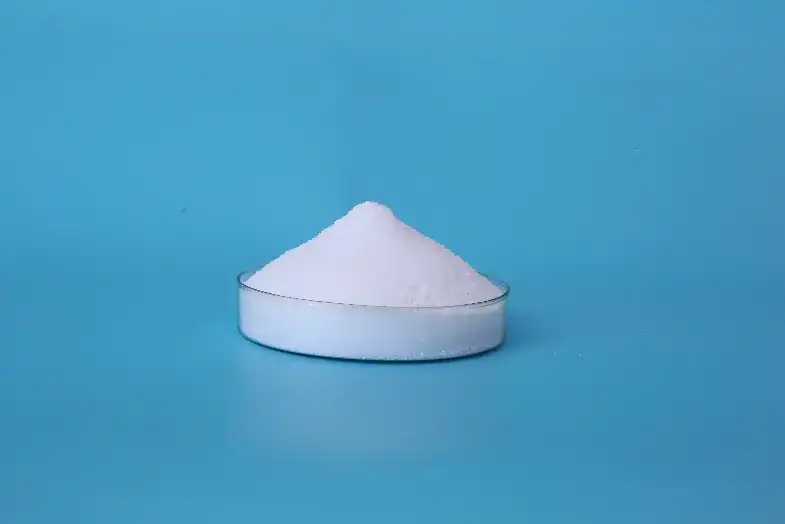
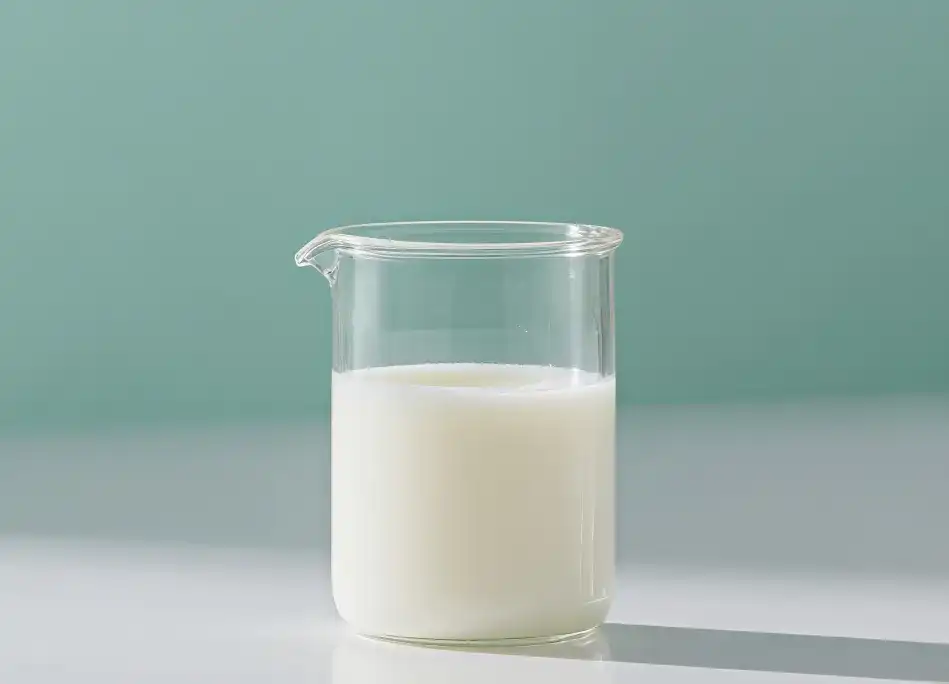
The result is a clearer supernatant for reuse or discharge and a denser underflow for the thickener or filter press. This mechanism is well documented, but translating it to a specific site requires attention to ore type, particle size distribution, and process pH. Gold tailings, for instance, often carry residual cyanide and fine clays that demand a high charge density cationic polymer to overcome dispersion effects. Iron ore tailings, with their heavier particle load, may respond to a medium charge density grade combined with a moderate molecular weight that prioritizes settling rate over ultimate clarity. A polymer that performs in one site’s thickener may deliver sharply different results in another, which is why supplier experience across multiple mineral types becomes a sourcing advantage.
Key Specification Parameters for Tailings Dewatering
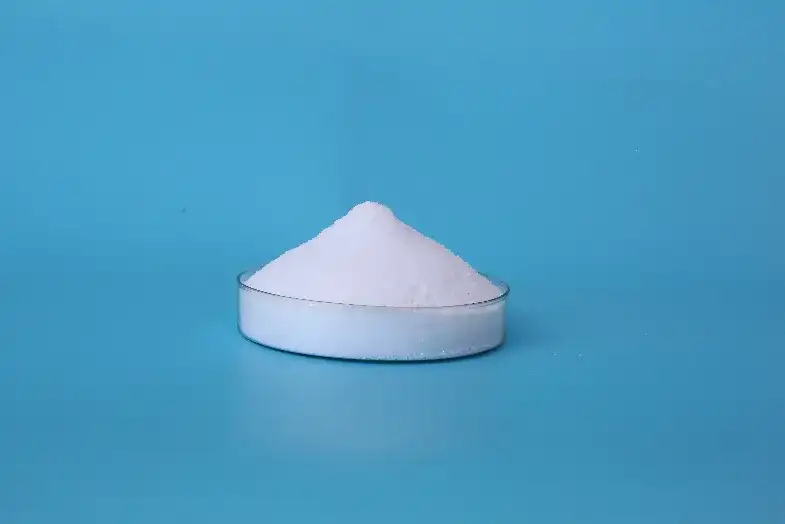
Selecting a cationic polyacrylamide grade for tailings should start with three measurable properties, not a brand name.
| Parameter | Typical Range for Tailings | Impact on Performance |
|---|---|---|
| Charge density (cationic monomer %) | 10–60% | Higher charge improves floc formation in fine, high-clay tailings; too high can cause overdosing and restabilization |
| Molecular weight | 8–15 million | Higher molecular weight produces larger, faster-settling flocs but may shear under high turbulence |
| Dissolution rate and viscosity | 0.5–1.5 hour full hydration | Faster dissolution shortens mixing time; viscosity influences pumpability and make-down system design |
Dosage is the operating variable that most directly controls both flocculant cost per dry tonne of tailings and thickener underflow density. A jar test with site slurry and return water is the only reliable way to set a baseline. In plants I have worked with, initial dosage estimates based on supplier datasheets were off by 20–40% once actual circuit water chemistry and shear history were factored in. Running a side-stream trial with two or three candidate grades and measuring not just settling rate but also supernatant turbidity at steady state avoids the common mistake of selecting solely on the fastest settling rate, which often leads to a fragile floc that breaks in the rake mechanism.
Evaluating Cationic Polyacrylamide Suppliers for Mining Operations
Polymer spec sheets look similar across reputable manufacturers. What differentiates a supplier over a three-year tailings contract is manufacturing scale, raw material integration, and on-site technical capability. A producer that synthesizes its own cationic monomer rather than purchasing intermediates has tighter control over charge density consistency batch to batch. That consistency translates directly to predictable thickener performance without frequent dosage recalibration.
Annual production capacity is the second factor. A tailings line processing 50,000 tonnes per day can consume several hundred tonnes of dry polymer per year. A supplier operating multiple production lines with deep monomer inventory can absorb demand spikes during plant expansions or process upsets without lead-time extensions. Global delivery capability matters for multinational mining groups that replicate a proven polymer grade across multiple sites on different continents; a single supply contract with a manufacturer that ships to 60-plus countries simplifies technical governance and logistics planning. At Shandong Nuoer Biological Technology, in-house acrylamide and acrylic acid production supports 500,000 tonnes of annual polyacrylamide capacity, a scale that accommodates large mining contracts and provides the inventory buffer mining procurement managers look for in a critical consumable.
Matching Polymer Grade to Your Ore Body and Water System
A methodical grade selection process reduces the number of plant trials and speeds commissioning. The sequence I recommend is:
- Characterize tailings slurry: solids concentration, particle size distribution, clay mineralogy, process water pH and conductivity.
- Shortlist three cationic PAM grades from the supplier’s portfolio that bracket the expected charge density window, using the same molecular weight range to isolate the charge effect.
- Run standard settling tests with plant process water, varying dosage from 10 to 50 grams per dry tonne of solids.
- Select the grade that meets both target settling rate and underflow density at the lowest reliable dosage; confirm floc shear resistance under thickener rake tip speeds.
- Validate the selected grade in a continuous side-stream trial for at least 72 hours to capture ore variability.
If your process water chemistry varies seasonally or as mine benches change, a supplier that can rapidly produce a modified charge density grade without minimum order quantity penalties is a practical advantage. The ability to adjust cationic monomer content during production is a function of in-house monomer capability, not just blending.
Common Questions About Cationic PAM for Mining Tailings
How does cationic PAM performance differ between metallic and non-metallic tailings?
Metallic tailings including copper, gold, and iron typically carry residual metal ions and exhibit near-neutral to alkaline pH. Cationic PAM bridges fines effectively even when dissolved salts reduce the effectiveness of anionic polymers. Non-metallic tailings such as phosphate or potash often contain high clay fractions and may respond better to medium charge density cationic grades that avoid over-flocculation. In both cases, the charge density must match the specific clay type; montmorillonite clays consume more cationic sites than kaolinite.
What dosage rate is typical for a copper tailings thickener?
Copper tailings dosages commonly fall between 15 and 40 grams of dry cationic PAM per dry tonne of solids, depending on grind size and thickener design. High-rate thickeners with feedwell mixing tend to require lower dosages than conventional units. I recommend starting jar tests at 20 g/t and adjusting in 5 g/t increments while monitoring underflow density and overflow clarity simultaneously. The most economical dosage is often not the one that gives the clearest overflow but the one that maintains target underflow solids without exceeding environmental turbidity limits.
Can I switch from anionic to cationic PAM in an existing thickener?
Switching from an anionic to a cationic polyacrylamide flocculant requires careful make-down and dosing system evaluation. Cationic grades generally demand more thorough mixing to avoid fisheyes, and the solution viscosity profile differs. More importantly, residual anionic polymer in the circuit can interact with new cationic polymer and reduce flocculation efficiency. A thorough line flush and a side-stream trial are prudent before a full circuit conversion. If your tailings stream has shifted to lower pH or higher dissolved solids, cationic PAM often restores settling performance that anionic grades lost under those conditions.
How do I confirm batch-to-batch quality consistency?
Request a certificate of analysis with each shipment that includes charge density, molecular weight, residual acrylamide monomer, and dissolution time. Compare these values against the reference batch that passed your plant trial. A manufacturer that controls cationic monomer production in-house can typically hold charge density within ±2 percentage points of the target, a tolerance tight enough to avoid observable thickener disturbance in most mining circuits. Share your requirements and we can confirm the documentation package available for your order.
Securing a Reliable Tailings Polymer Supply
In decent commodity cycles, several suppliers can ship polymer drums. The harder test is whether the same supplier delivers consistent grades during a multi-year contract when monomer markets tighten, and whether it has the production scale and technical bench strength to support dosage audits and grade adjustments as your ore body changes. That combination of manufacturing depth and process knowledge directly shapes tailings management operating costs and license-to-operate compliance.
To evaluate a cationic polyacrylamide grade matched to your specific tailings composition and thickener configuration, send your current solids throughput, target settling rate, and process water pH to en*****@***er.com or call +86-532-66712876. We will recommend a shortlist of grades and, if your site schedule permits, coordinate a plant trial with technical support on-site.
If you’re interested, check out these related articles:
Nuoer Group donated 300,000 RMB to Rongzhuang Village to support hometown development.
Non-Ionic Polyacrylamide: Stable Flocculation Across Wide pH Ranges
26th China International Petroleum & Petrochemical Equipment Exhibition Kicks Off: Nuoer Group Makes High-Profile Debut at CIPPE 2026
Super Absorbent Polymer Innovations for Ultra-Thin Diapers


 English
 Russian
 Arabic
 Spanish