
Sourcing amphoteric polyacrylamide directly from a factory cuts middlemen costs, but only if the supplier can deliver consistent quality at scale. With over fifteen years in polymer manufacturing and global market development, I have seen too many procurement teams focus on unit price while overlooking production reliability, customization capability, and logistics support. Those three factors make or break long-term supply viability. This guide distills what industrial buyers in wastewater treatment, petrochemical, and metal processing should verify before committing to an amphoteric PAM factory direct supply agreement.
What Makes Amphoteric PAM Different in Industrial Water Treatment
Amphoteric polyacrylamide carries both cationic and anionic charges along its polymer chain, giving it a dual responsivity that single‑charge PAM cannot replicate. This ternary copolymer, synthesized from cationic monomers, acrylamide, and a hydrolyzing agent, adapts its flocculation behavior across a wide pH range. In practice, that means a single product can handle process streams that swing from acidic to alkaline without requiring chemical adjustments upstream.
For refineries treating mixed effluent or metal processing plants facing variable pH, amphoteric PAM delivers more stable solid‑liquid separation than cationic or anionic grades alone. Its fast dissolution rate also shortens preparation time. Compared to blending separate ionic polymers, a well‑formulated amphoteric grade often reduces dosage by 10 to 15 percent while maintaining the same clarity, as our field trials have confirmed. The ability to customize the charge balance and molecular weight during synthesis lets us tune the product to the specific contaminant profile rather than forcing the process to adapt to a generic polymer.
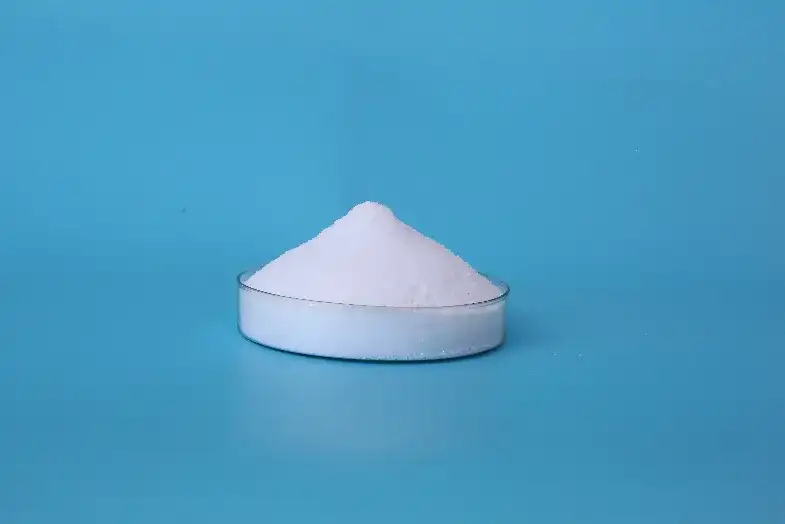
Factory Direct Supply: Beyond Price Comparison
The phrase factory direct supply suggests cost savings, but the real advantage for industrial buyers lies in supply continuity and technical alignment. Purchasing from a direct source removes distributor markups and shortens lead times, but only when the factory operates with integrated raw material production and sufficient polymerization capacity.
At Shandong Nuoer, our production complex integrates acrylic acid and acrylamide monomer manufacturing alongside PAM polymerization lines, with an annual output exceeding 500,000 tons of polyacrylamide across all types. By controlling upstream monomers, we avoid the supply bottlenecks that disrupt smaller compounders. Buyers evaluating factory direct partners should check whether the supplier self‑produces its key monomers or relies on external supply, because that directly affects pricing stability and delivery reliability during market tightness.
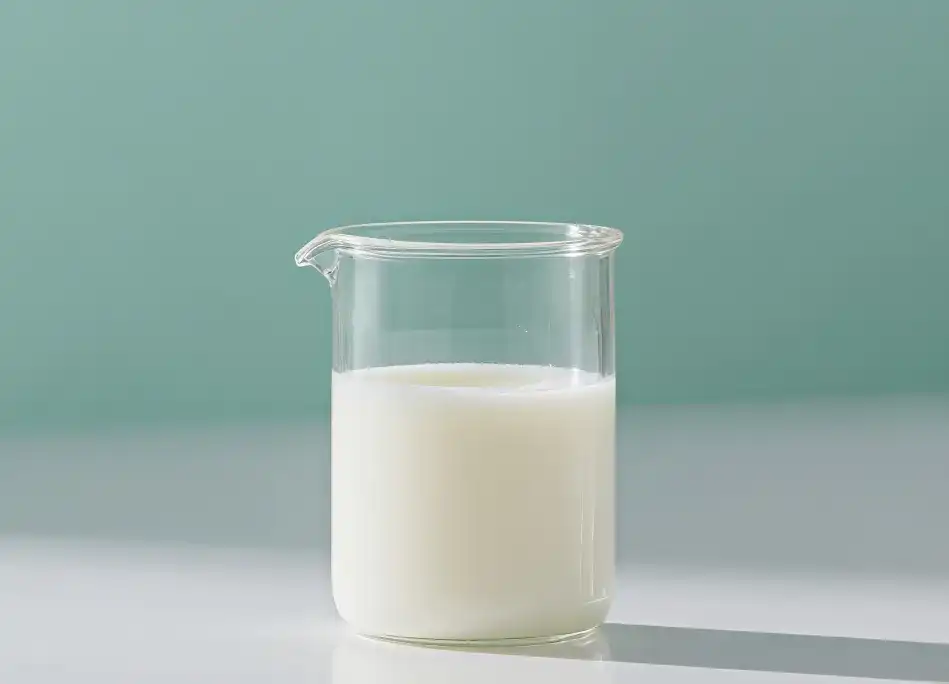
Request documentation verifying annual PAM capacity, recent shipment volumes, and the number of export destinations. A factory that ships to 60‑plus countries, as we do, has proven it can manage global logistics, customs clearances, and variable transport modes. If your program involves seasonal demand spikes or remote site deliveries, confirm the supplier’s experience with those specific logistical challenges before finalizing your vendor list. For instance, if your operations need amphoteric PAM in emulsion form for rapid mixing in field units, the supplier’s ability to handle temperature‑sensitive emulsion logistics becomes a deciding factor. It is worth confirming these details early, because late‑stage logistics failures can delay entire treatment campaigns.
Quality Parameters That Matter for Amphoteric PAM
Not all amphoteric PAM is equal. Buyers should move beyond the generic label and examine three technical parameters that directly affect performance.
Charge density and the cationic‑to‑anionic ratio determine which contaminants the polymer preferentially captures. Water with high suspended solids but moderate dissolved organics may need a different charge balance than emulsified oil wastewater. Ask for charge density data, typically expressed in meq/g, and learn how the supplier adjusts the ratio for different influent compositions.
Molecular weight influences floc size and settling speed. Ultra‑high molecular weight grades, above 15 million Dalton, produce large, fast‑settling flocs suitable for primary clarifiers, while medium‑weight grades may be better for sludge dewatering where porosity matters. Confirm the testing method used, whether intrinsic viscosity or viscometry, and whether the supplier can provide molecular weight distribution profiles rather than just a single average.
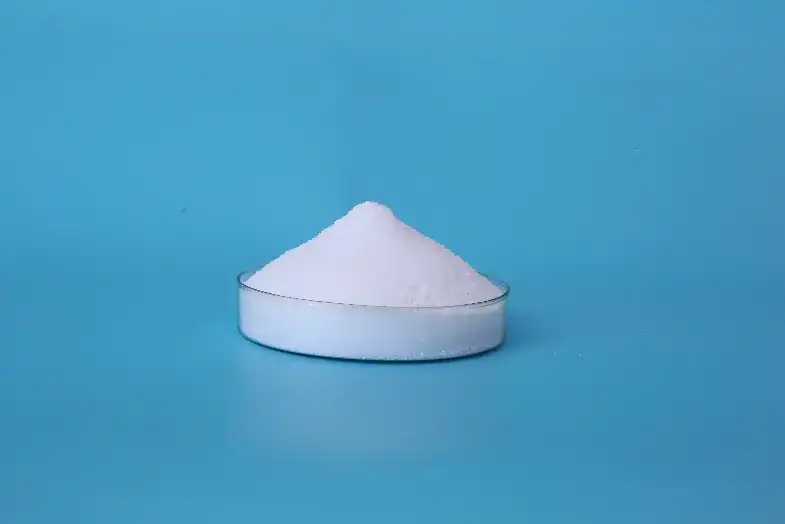
Dissolution rate and residual monomer content impact both operational efficiency and environmental compliance. High‑quality amphoteric PAM dissolves completely within 30 to 60 minutes under ambient conditions, forming a clear, viscous solution. Residual acrylamide monomer should remain below 500 ppm for industrial grades, with many manufacturers now targeting below 300 ppm to meet tightening regulations. We routinely test every batch for dissolution time and residual monomer before release as part of our in‑line quality control protocol.
A practical approach is to request a pre‑shipment sample, run a jar test with your actual wastewater, and compare turbidity reduction against your current polymer. A direct factory that offers this at no charge demonstrates confidence in its product.
Scaling Supply: Capacity, Logistics, and Customization
Capacity alone does not guarantee steady supply. The configuration of the production lines matters. A factory with multiple independent polymerization trains can isolate production runs by product type, avoiding cross‑contamination and allowing parallel processing for large orders. Our setup includes dedicated reactors for amphoteric PAM synthesis alongside separate lines for cationic and anionic grades, which lets us ramp up output without compromising turnaround time.
The factory direct partner should offer multiple packaging options—standard 25 kg kraft paper bags with inner liners, supersacks up to 1,000 kg, or custom bag sizes for bulk users—and provide end‑to‑end logistics support. For liquid emulsion grades, IBC totes or flexitanks need compatible unloading equipment at the buyer’s site, so verify multimodal transport capability if your plant is inland. With exports to over 60 countries, our team manages diverse documentation requirements, including certificates of analysis, origin, and regulatory clearances. If your project involves compliance with standards such as NSF, AWWA, or local water authority approvals, confirm that the supplier can provide the necessary test reports and assist with registration.
Customization is the hidden value of a direct relationship. In‑house synthesis allows adjusting the monomer ratio, reaction temperature, and post‑treatment steps for specific operating conditions. A petrochemical client dealing with high‑temperature produced water, for example, needed a grade with enhanced thermal stability and higher cross‑link density. We modified the initiator dosage during polymerization, which improved the polymer’s shear resistance and extended its effectiveness in high‑turbulence injection systems. Ask the supplier whether they can provide technical support during trials, including on‑site jar testing and dosage optimization. Our team routinely reviews customer process data and recommends ionic profiles that match the actual water chemistry, not just the published specifications.
Securing a Long‑Term Supply Partnership
Finding amphoteric PAM at a competitive factory direct price is just the starting point. The real value emerges when the supplier can maintain that price stability, adapt product specifications as your operations evolve, and keep shipments on schedule across international supply chains. Before placing a substantial order, verify the supplier’s monomer integration, production scale, quality testing protocols, and technical support structure. A partner that controls upstream chemistry and provides field‑level application guidance gives your procurement team both cost predictability and process resilience.
To discuss your volume requirements and obtain a specification sheet tailored to your water treatment parameters, contact Shandong Nuoer at en*****@***er.com or call +86-532-66712876. Share your typical monthly consumption, water quality data, and any specific logistics constraints, and our team will help match an amphoteric PAM grade that aligns with your operational goals.
Common Questions About Direct Amphoteric PAM Procurement
How do I confirm the factory’s production capacity is real?
Request a third‑party audit report or a signed capacity statement from the local industrial bureau. Reputable manufacturers will also provide references from existing export clients and may invite you for an on‑site tour. You can cross‑check their capacity claims against their monomer consumption data, which is harder to inflate.
What is the minimum order quantity for direct purchasing?
MOQs vary by factory, but a typical container load for amphoteric PAM powder is around 12 to 20 metric tons. Smaller trial orders of 1 to 2 tons are often possible during the evaluation phase. Emulsion grades may have different MOQs due to packaging constraints. Clarify at the outset whether MOQ scales linearly with repeat orders or whether long‑term agreements reduce it.
Is there a performance difference between powder and emulsion amphoteric PAM?
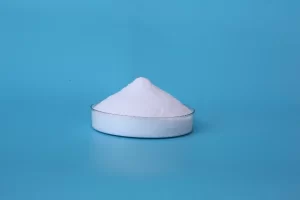
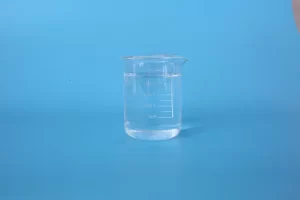
The active polymer content is comparable, but emulsion products dissolve much faster and generate less dust during handling. Emulsion PAM is suited for systems where rapid mixing is critical, while powder grades offer lower transport costs per unit of active polymer. The choice depends on your site’s dissolution equipment and labor setup.
Can the supplier customize the charge balance for my specific wastewater?
Yes. A factory with in‑house synthesis capability can adjust the ionic monomer feed ratio to produce amphoteric PAM with different charge proportions. This normally requires sharing a sample of your raw wastewater for bench‑scale testing, after which the supplier provides a small customized batch for trial before scaling up. If your treatment process handles highly variable incoming streams, share your typical water profile and monthly volume with our team, and we can recommend a tailored formulation that manages multiple contaminant loads reliably.
If you’re interested, check out these related articles:
Selecting Super Absorbent Polymer Particle Size for Optimal Use
SAP Factory for Baby Diaper Production: Strategic Implementation Guide
Glacial vs Technical Grade Acrylic Acid: Purity and Performance
Anionic PAM Factory Direct for Water Flooding: Maximize Oil Recovery
High Purity Acrylamide Monomer vs Technical Grade Distinction


 English
 Russian
 Arabic
 Spanish