
For polymer production managers, specifying an acrylamide crystal grade means balancing polymerization performance, long-term supply reliability, and total cost. The choice between technical and high-purity grades directly influences initiator consumption, final polymer molecular weight, and production schedule stability. We have seen facilities overspend on nominal purity while ignoring batch-to-batch inhibitor consistency, ultimately creating more process disruption than the marginally higher impurity level ever would. This article lays out the technical and commercial factors that determine which acrylamide crystal grade truly fits your polymerization operation.
What Distinguishes Different Acrylamide Crystal Grades
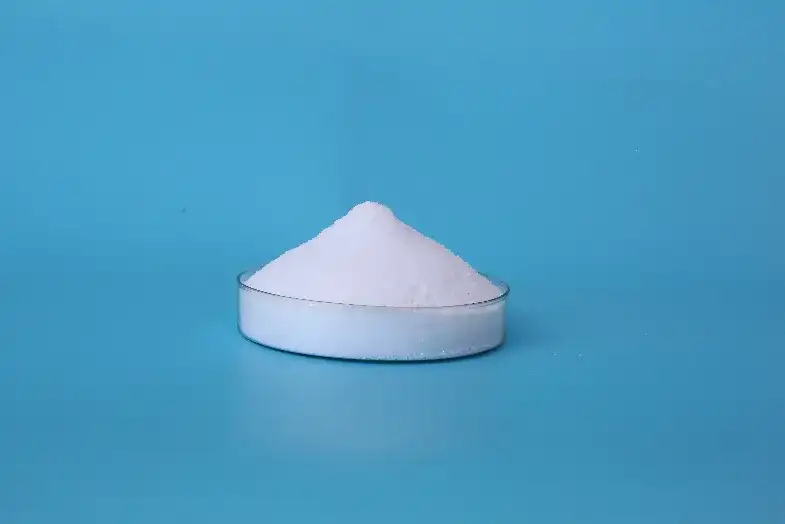
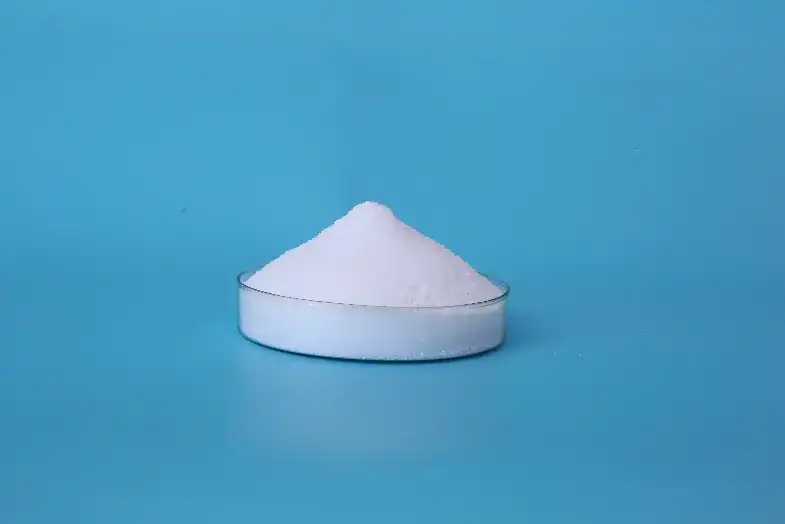
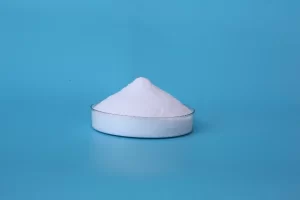
Acrylamide crystal is primarily classified by purity, impurity profile, and intended application. Technical grade acrylamide crystal typically offers purity above 98.0%, moisture content below 0.8%, and inhibitor levels between 3 and 10 ppm. These parameters serve commodity polyacrylamide production for water treatment, papermaking, and mining. High-purity grades tighten the impurity envelope further, reducing iron content below 0.5 ppm and cutting conductivity under 10 µS/cm, which becomes relevant when synthesizing ultra-high molecular weight polymers or specialty copolymers where metal ions can interfere with initiator systems.
The grade choice starts with your target polymerization chemistry. Free-radical aqueous solution polymerization tolerates a wider impurity window than inverse emulsion or controlled radical methods. A production line running continuous polymerization with fixed initiator dosing demands tight inhibitor ranges, while batch processes with adjustable initiator levels can accommodate more variation. The immediate practical question is whether your process can absorb impurity drift without requiring constant formula adjustments.
How Impurity Profiles Shape Polymerization Outcomes
With acrylamide crystal, impurities operate as hidden process variables. Each contaminant class influences polymerization differently, and overlooking this connection leads to avoidable production faults.
Inhibitor Content and Reaction Control
Monomer inhibitors like monomethyl ether hydroquinone (MEHQ) are added to prevent premature polymerization during storage and transport. But they carry over into the reactor. A crystal lot with inhibitor at 8 ppm versus 3 ppm can slow initiation enough to shift molecular weight distribution unless initiator dosage compensates. For large continuous lines, that means recalibrating feed rates with every batch switch, a labor-intensive cycle that erodes throughput. Choosing a supplier that holds inhibitor within a narrow band, not just within a wide specification window, reduces this burden considerably.
Metal Ions and Polymer Color and Stability
Iron content above 1 ppm tends to cause yellowing in the finished dry polymer and can catalyze oxidative degradation during long-term storage. Copper ions, even at ppb levels, accelerate chain transfer and reduce polymer molecular weight. These effects are especially pronounced in high molecular weight anionic polyacrylamide destined for enhanced oil recovery, where rheological stability under reservoir conditions depends on clean polymerization chemistry.
Specification data alone does not predict performance. Two crystal lots with the same certificate of analysis can behave differently if unlisted trace impurities vary. The practical solution is to benchmark incoming crystal in a small-scale test polymerization under conditions matching your production process before qualifying the lot.
Why Supply Consistency Determines Production Stability
Production schedulers learn quickly that identical specifications on paper do not guarantee identical reaction behavior. In our experience managing large-scale polyacrylamide manufacturing at Shandong Nuoer, batch-to-batch inhibitor drift within the stated 3–10 ppm range has at times shifted gelation time by over 15%, requiring ad-hoc initiator adjustments and delaying downstream drying and grinding.
Supply consistency depends on the manufacturer’s production method. Microbial acrylamide technology, which uses biocatalysts rather than copper-salt catalysts, inherently limits metal ion introduction and yields a more uniform impurity fingerprint. This matters because the human cost of re-tuning a continuous line far exceeds the raw material cost differential between two suppliers with similar certificates.
A disciplined sourcing strategy focuses on long-term batch data rather than a single acceptance test. We recommend requesting twelve-month rolling data for inhibitor, conductivity, and iron content, and checking whether the supplier runs statistical process control on these parameters. If they cannot provide this, the risk of future process disruption is higher than the unit price difference suggests.
The Total Cost Picture Beyond Unit Price
The headline price per ton captures only part of the cost equation. Several less visible factors shift the true cost of acrylamide crystal significantly.
Higher moisture content shortens shelf life and risks clumping during storage, particularly in humid climates without climate-controlled warehousing. A crystal that absorbs moisture above 0.8% may require drying before use, adding energy and handling steps. Excessive inhibitor forces higher initiator consumption, which raises formulation cost and introduces initiator residues that may need removal in sensitive applications.
Shipping cost is another multiplier. Crystal in flake form is dense and stacks efficiently in 25 kg bags or 500 kg supersacks, unlike solution which ships as a diluted water load. For plants far from port or with limited liquid storage, crystal reduces freight and simplifies inventory. These operational savings often outweigh a moderate purity premium.
A simple total cost comparison: buying high-purity crystal at a 10% price premium but eliminating initiator overfeeding, reducing waste batches, and cutting drying time can deliver net savings of 5–8% per finished ton of polyacrylamide. The calculation demands specific numbers from your own operation, but the principle is universal: let process economics, not the purchase order, determine the grade.
How to Evaluate an Acrylamide Crystal Supplier
Supplier selection goes beyond confirming a certificate of analysis matches a specification sheet. The supplier’s production scale, technological backbone, and quality management system dictate whether the crystal quality you qualify today will hold steady twelve months from now.
Begin with production method. Microbial manufacturing eliminates the copper catalyst legacy that traditional processes leave behind, reducing metal ion contamination at the source. A facility producing acrylamide at scale, say 300,000 tons annually, is likely to have statistical process control, dedicated impurity removal steps, and the financial incentive to maintain consistency because off-spec batches represent costly non-conformance.
Second, examine the transparency of batch records. A supplier willing to share historical quality data, including inhibitor variation and trace metals across multiple production campaigns, signals confidence in their process. This transparency also allows your technical team to set meaningful incoming quality limits, reducing the frequency of test polymerizations.
Third, consider logistics integration. Crystal form lends itself to containerized sea freight and simple warehouse handling, which reduces lead time variability and inventory carrying cost. A supplier with global distribution experience can align delivery schedules with your production planning cycles.
If your process involves sensitive polymerization where even modest impurity swings create costly rework, ask potential suppliers for documented batch variation data before committing to a trial order. The right partner will offer this openly; the wrong one will deflect the inquiry.
Common Questions About Acrylamide Crystal Grade Selection
What separates technical grade from high-purity acrylamide crystal in practice?
Technical grade acrylamide crystal meets the standard thresholds of 98% purity and modest impurity limits, and it performs well in high-volume polyacrylamide production where the polymerization recipe is robust. High-purity grades reduce iron and conductivity further, making them necessary for applications where metal ions would compromise polymer performance, such as biomedical hydrogels or electronic-grade polymer additives. The difference is not about superiority in the abstract but about fit to downstream sensitivity.
Does inhibitor content matter if I adjust initiator for each batch?
Adjusting initiator for every batch works in batch production but adds process cost. For continuous lines, varying initiator feed rate to track inhibitor swings introduces another control variable that can interact with temperature and residence time distributions. For most industrial operations, holding inhibitor within a predictable band saves more money than the cost of tighter specification crystal.
Can I store acrylamide crystal long term without quality loss?
With proper conditions, acrylamide crystal remains stable for one to two years. The key is keeping it below 25°C, away from direct light and moisture. The crystal’s low moisture content, typically under 0.8%, helps prevent hydrolysis. Once a bag is opened, reseal it tightly because ambient humidity can initiate surface degradation over weeks.
How do I qualify a new acrylamide crystal lot before full production?
Run a small-scale bench polymerization that replicates your production initiator system, temperature profile, and target conversion. Measure induction time, peak exotherm, and final polymer viscosity. Record these against the lot’s inhibitor and iron data. Over several lots, you will map the acceptable impurity window for your specific process, and future qualification becomes faster.
Can I mix different acrylamide crystal grades to reduce cost?
Blending grades introduces unpredictable variability because impurity profiles are not linearly additive. A half-and-half mix may produce a polymerization profile that differs from either parent lot, complicating process control. Standardizing on a single consistent grade from a reliable source is generally the safer path for achieving repeatable production output. If your process has unusual impurity tolerance, share your reactor conditions with our team to determine whether a tailored single-grade specification works better than blending for your specific polymerization. Contact us at en*****@***er.com or +86-532-66712876.
For manufacturers running large-scale polymer production, the right acrylamide crystal grade is the one that keeps your polymerization predictable, your supply lines secure, and your total cost under control. Shandong Nuoer produces high-purity AM Crystal at a scale of 300,000 tons annually using advanced microbial technology, which delivers exceptionally consistent impurity profiles that reduce process interruptions. Send your production requirements and performance targets to en*****@***er.com or call +86-532-66712876 to receive a grade recommendation aligned with your polymerization process.
If you’re interested, check out these related articles:
Reliable Emulsion Polyacrylamide Manufacturer for Industrial Solutions
Acrylic Acid Price for Super Absorbent Polymer: Optimize Procurement
Selecting Super Absorbent Polymer for Optimal Sanitary Napkin Performance
Acrylic Acid Suppliers: Quality Testing & Procurement Strategies
Industrial Acrylamide Aqueous Solution: Applications & Purity


 English
 Russian
 Arabic
 Spanish