
Non-Ionic PAM price quotes can swing widely between suppliers, but the lowest number on a spreadsheet rarely tells the full story. After fifteen years in polyacrylamide manufacturing and global supply, I’ve watched too many procurement decisions lock onto price per metric ton while the real costs—inconsistent flocculation performance, unexpected dosage increases, or shipment delays from an under-resourced plant—quietly eat into operating budgets. The true cost of Non-Ionic PAM is built from production scale, raw material integration, and the quality systems a manufacturer operates. Industrial buyers who weigh only the quoted figure risk replacing a small upfront saving with a much larger downstream liability.
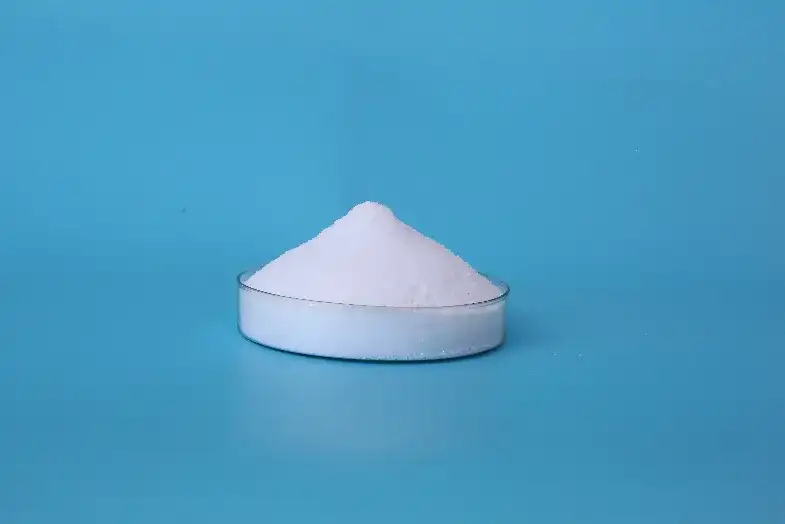
Production Cost Drivers for Non-Ionic PAM
A Non-Ionic PAM price quote is the end result of several hard manufacturing inputs, and understanding them makes comparisons far more meaningful. The single largest factor is the acrylamide monomer feedstock. Manufacturers who produce their own acrylamide through microbial technology, rather than purchasing it on the open market, have built-in cost stability and shorter supply chains. Shandong Nuoer, for example, runs an integrated acrylic acid–acrylamide–polymer production chain with 300,000 tons of acrylamide capacity, which decouples its PAM pricing from merchant monomer volatility.
Energy and logistics are the next two heavy line items. Polymerization and drying consume substantial electricity and thermal energy, and plants that optimize heat recovery or locate close to raw material sources can hold price lines during energy price spikes. Finally, scale matters. A facility producing 500,000 tons of polyacrylamide per year spreads fixed costs more thinly than a plant operating at a tenth of that output. This is why a buyer can receive two quotes with a significant price gap even when the quoted product specification looks nearly identical.
The Hidden Long-Term Cost of Low Price Quotes
When a Non-Ionic PAM price seems too attractive, the explanation usually lives in the technical data sheet. A lower molecular weight product will require a higher dosage to achieve the same settling rate or retention improvement. A batch with wider residual monomer distribution can introduce foaming or slight pH shifts in sensitive paper machines or textile dyeing baths. These small process disturbances add up, and the procurement saving evaporates against increased chemical consumption, reject rates, and operator attention.
I recall a paper mill that switched to a discounted non-ionic grade only to find its ash retention dropped enough that the filler cost overrun exceeded the PAM saving within a quarter. The polymer price was fine. The process economics were not. That experience reinforces a principle worth stating plainly: the unit price of a flocculant is not the total cost of its application. Consistent molecular weight, tight purity, and reliable solubility are performance characteristics that protect downstream efficiency, and they justify a supplier’s investment in quality control.
If your application involves acidic process water or variable pH, confirming the polymer’s stability and molecular weight retention profile with a supplier who knows the chemistry is a practical step before committing to a large order. A short technical discussion with our team at en*****@***er.com can clarify whether a standard grade matches your process or if a customized molecular weight range would reduce your total cost of ownership.
Evaluating Suppliers Beyond the Price Quote
Price quotes should be read alongside evidence of production discipline. Look for ISO 9001 and ISO 14001 certifications as basement-level indicators that a manufacturer maintains repeatable processes and environmental controls. Ask for batch-to-batch molecular weight and residual monomer data over the last twelve months, not just a single conformance certificate. A supplier that ships consistent product reduces the risk of process re-tuning, which is a direct cost to your operations.
Beyond documentation, consider technical depth. A manufacturer that can discuss dissolution curve behavior under your specific water temperature and mixing shear conditions is bringing engineering knowledge, not just a catalog entry. Global logistics capability also matters: a supplier with established export documentation procedures and experience in your region will shorten lead times and avoid customs delays. Shandong Nuoer ships to over 60 countries from a unified production base, so our logistics team handles the full documentation chain without relying on third-party trading intermediaries.
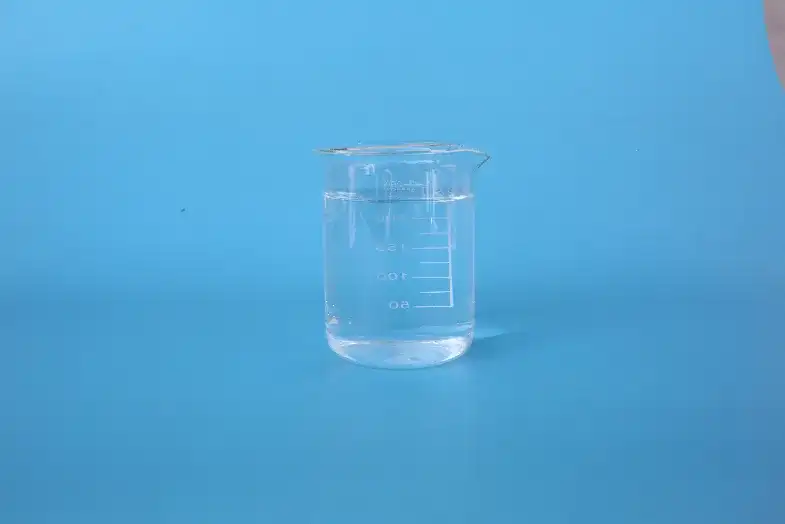
Key Non-Ionic PAM Specifications That Impact Price
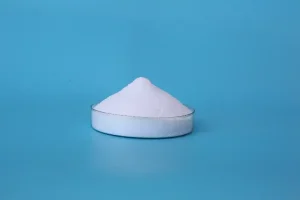
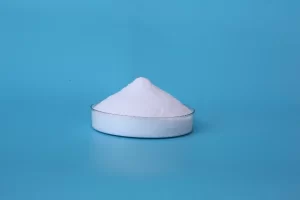
Non-ionic polyacrylamide is a homopolymer of acrylamide with high purity, excellent solubility, and high molecular weight. Because its flocculation performance is less affected by pH and dissolved salts than anionic or cationic grades, it performs reliably under acidic conditions and in processes where ionic interference is a concern. The following specifications directly determine manufacturing cost and should be compared across quotes:
| Specification | Impact on Price | Why It Matters |
|---|---|---|
| Molecular Weight | Higher molecular weight requires tighter polymerization control and increases price. | Determines flocculation strength; a higher molecular weight may reduce dosage. |
| Purity and Residual Monomer | Higher purity and lower residual monomer demand advanced refining steps and raise cost. | Residual acrylamide affects workplace safety and end-product compliance. |
| Particle Size and Distribution | Uniform particle size requires post-grinding classification and adds a modest premium. | Dissolution speed and completeness depend on particle characteristics. |
| Insoluble Content | Very low insoluble content is achieved through careful drying and adds process cost. | Undissolved gel particles can clog dosing lines or cause defects in paper formation. |
Comparing these four parameters across supplier offers gives a far clearer picture of value than a price-per-ton figure alone. A mid-range price with tight molecular weight distribution and low insoluble content will frequently outperform a cheap product with wide specification tolerances.
How to Request and Compare Price Quotes Effectively
A well-structured inquiry yields quotes that are easier to compare and reduces back-and-forth. When contacting suppliers, include the intended application, required molecular weight range or performance target, expected annual volume, packaging preference, and delivery schedule. This allows a manufacturer to propose the most technically suitable grade rather than a generic product that may require dosage compensation later.
Once quotes arrive, check them against the specifications table above. If a quote omits molecular weight, residual monomer, or insoluble content, ask for those values in writing. Red flags include unusually wide specification ranges, prices that are more than 20 percent below the cluster of competing quotes, and an inability to provide recent third-party test reports. Request a small pre-shipment sample for jar testing or bench-scale evaluation before committing to a container load. That single step has saved industrial buyers months of process headaches.
Common Questions About Non-Ionic PAM Pricing and Supply
Why do Non-Ionic PAM prices differ so much between suppliers?
The primary reasons are raw material sourcing, production scale, and quality investment. Suppliers who purchase acrylamide monomer externally face different cost curves than those with integrated monomer production. Smaller batch plants carry higher unit overhead, and manufacturers that skip post-polymerization purification may offer lower sticker prices but pass the cost on in the form of process variability. The difference is rarely just a margin choice; it reflects structural manufacturing economics.
Is it safe to buy the cheapest non-ionic PAM available?
The cheapest option is safe only if your process is entirely insensitive to molecular weight variation, residual monomer, and dissolution behavior, which is rare in industrial applications. In practice, substandard product can cause dosage creep, increased sludge handling costs, or quality complaints from downstream customers. A slightly higher price from a supplier with consistent batch data and technical support typically carries lower total risk for continuous operations.
What minimum order quantity should I expect?
Many large-scale manufacturers set minimum order quantities around one metric ton for standard grades, though this can vary with product form and packaging customization. For trial orders or application testing, many suppliers, including Shandong Nuoer, can provide smaller evaluation samples or 25-kilogram bags to allow bench-scale verification. Discussing your projected annual consumption early in the conversation often opens flexibility on initial trial quantities.
How can I verify non-ionic PAM quality before bulk purchasing?
Start with a certificate of analysis for the specific batch, not a generic product sheet. If possible, obtain a representative sample and run a dissolution test in your own process water at your operating temperature. Measure the time to full viscosity development and check for undissolved particulate. Simultaneously, request the supplier’s internal quality data on molecular weight distribution and insoluble content over the last few production batches. The pattern of consistency tells you more than a single data point.
The right Non-Ionic PAM price quote is one that reflects a product’s technical reality, not just a number in an email. If you are evaluating suppliers for an acidic wastewater stream, a paper retention application, or a mining process with variable water chemistry, share your requirements with us at en*****@***er.com. We will provide the relevant quality documentation and a tailored quotation that aligns with your actual process conditions and consumption patterns.
If you’re interested, check out these related articles:
Acrylamide Crystal: Optimizing Polymerization for Industrial Success
Acrylamide Aqueous Solution Safety Requirements: A Comprehensive Guide
Amphoteric Polyacrylamide Manufacturers Testing: Quality & Performance


 English
 Russian
 Arabic
 Spanish