
Getting cationic polyacrylamide dosage right feels like one of those things that separates operators who are just running a system from those who truly understand it. I’ve seen facilities burn through chemical budgets because someone set a dose rate and never looked back, and I’ve seen others achieve remarkable clarity with half the polymer consumption simply by paying attention to what the wastewater is actually doing on any given day. The difference comes down to understanding how this flocculant interacts with your specific water matrix and being willing to adjust when conditions shift.
How Cationic PAM Actually Works in Your System
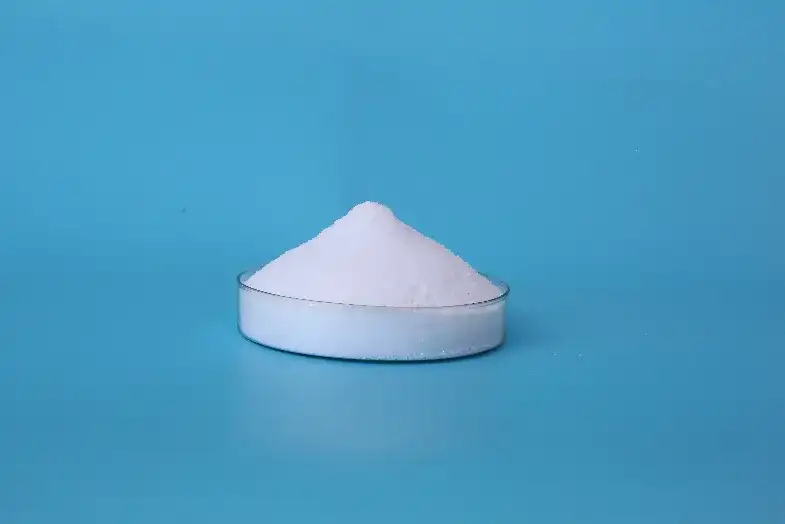
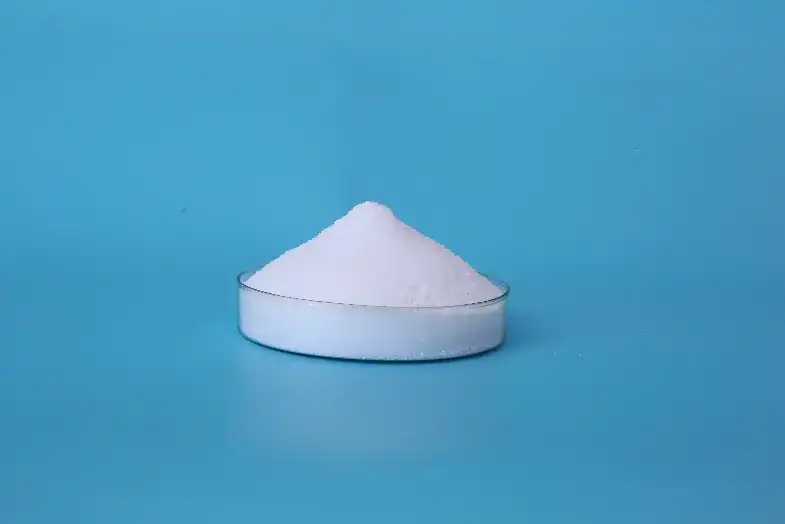
Cationic polyacrylamide is a water-soluble linear organic polymer created through copolymerization of cationic monomers with acrylamide. The chemistry matters here because it explains why dosage isn’t a fixed number you can set and forget.
The polymer carries positive charges along its chain. When it contacts your wastewater, those positive charges neutralize the negative charges on suspended particles. This charge neutralization reduces the electrostatic repulsion that keeps particles dispersed. At the same time, the long polymer chains physically bridge between particles, pulling them together into larger aggregates.
Two properties determine how well a particular cationic PAM performs in your application. Charge density controls how efficiently the polymer neutralizes particle surfaces. Molecular weight affects bridging capability and the resulting floc structure. Higher charge densities work better when you’re dealing with heavily charged particles, while optimal molecular weight produces flocs that settle faster and dewater more completely.
This dual mechanism drives performance in sedimentation, clarification, thickening, and sludge dewatering. Shandong Nuoer Biological Technology Co., Ltd. produces cationic polyacrylamide flocculant with customizable charge density and molecular weight to match specific industrial applications.
What Actually Drives Your Dosage Requirements
The optimal cationic polyacrylamide dosage for your system depends on factors that can change hourly. Understanding these variables prevents both the waste of over-dosing and the poor performance of under-dosing.
Influent characteristics exert the strongest influence. pH affects how the polymer maintains its cationic properties. Turbidity and suspended solids concentration determine how much polymer surface area you need to treat. The zeta potential of incoming particles tells you how much charge neutralization is required before flocculation can occur.
Operational variables matter just as much. Mixing intensity must be sufficient to disperse the polymer throughout the water volume and bring polymer chains into contact with particles, but excessive shear can break apart forming flocs. Temperature affects polymer viscosity and reaction kinetics in ways that shift optimal dosage up or down.
pH Effects on Cationic Polyacrylamide Performance
pH changes the game for cationic PAM effectiveness. The polymer’s positive charges exist because certain functional groups along the chain are protonated. When pH shifts outside the optimal range, some of those groups lose their charge, reducing the polymer’s ability to neutralize particles.
At the same time, pH affects the charge state of the particles you’re trying to remove. Most suspended solids in wastewater carry negative surface charges that become more or less pronounced depending on pH. The interaction between polymer charge and particle charge determines whether you get good flocculation or poor results.
Each cationic PAM formulation has a pH range where it performs best, and that range varies with the specific wastewater matrix. Testing across your actual pH operating range reveals where your particular polymer works most efficiently.
Systematic Approaches to Finding Optimal Dosage
Precise cationic polyacrylamide dosage optimization starts with jar testing and extends to continuous process control. Neither approach alone gives you the full picture.
Jar testing remains the foundation for initial dosage determination. The procedure involves preparing multiple samples of your wastewater, adding different polymer concentrations to each, and observing the results. You’re watching for floc size and structure, settling velocity, and supernatant clarity. The dose that produces the best combination of these outcomes becomes your starting point.
Beyond initial testing, real-world conditions fluctuate in ways that jar tests can’t capture. Online monitoring systems that track turbidity, pH, and flow rate allow dosing adjustments in response to actual conditions. Automated dosing pump calibration based on these measurements keeps performance consistent even when influent quality varies significantly.
Process control automation takes this further by integrating multiple sensor inputs and adjusting dosage according to programmed algorithms. Facilities that implement this level of control typically see reduced chemical consumption and more consistent sludge dewatering optimization.
Why Dosing Goes Wrong and How to Fix It
Most cationic polyacrylamide dosing problems fall into predictable categories. Recognizing the patterns helps you diagnose issues quickly.
Over-dosing creates a counterintuitive problem. Excess polymer can actually re-stabilize particles by coating them with so much positive charge that they repel each other again. You’ll see poor settling, increased chemical costs, and sludge volumes that don’t make sense given your solids loading. The fix is straightforward once you recognize the cause: reduce dosage until flocculation improves.
Under-dosing produces weak, small flocs that settle slowly and leave turbidity in the supernatant. Suspended solids removal suffers, and effluent quality drops below acceptable levels. This often happens when influent conditions change and dosage doesn’t adjust to match.
Variable influent quality causes the most persistent dosing challenges. When your incoming wastewater changes composition throughout the day or week, a fixed dosage rate will be wrong most of the time. Regular influent characterization and adaptive dosing strategies address this problem.
Polymer degradation sneaks up on operations that don’t pay attention to storage and handling. Cationic PAM loses effectiveness when exposed to excessive heat, UV light, or mechanical shear during mixing. Proper storage conditions and gentle mixing preserve polymer performance.
Industrial Wastewater Presents Specific Challenges
Industrial wastewater makes cationic polyacrylamide dosage optimization more difficult than municipal applications. The variability is greater, and the consequences of poor performance are often more severe.
Fluctuating pH, turbidity, and suspended solids concentrations mean your optimal dosage is a moving target. High organic loads can interfere with polymer-particle interactions in ways that aren’t immediately obvious. Some industrial processes discharge wastewater with characteristics that change dramatically based on production schedules.
Polymer degradation becomes more likely in industrial settings where wastewater temperatures run higher or where high-shear mixing equipment is common. The combination of variable influent and degraded polymer makes consistent treatment difficult without continuous monitoring and adaptive control.
Financial and Environmental Returns from Optimized Dosing
Getting cationic polyacrylamide dosage right pays off in multiple ways. The financial benefits are immediate and measurable, while the environmental benefits support long-term operational sustainability.
Reduced chemical consumption is the most direct financial impact. Precise dosing eliminates the waste inherent in over-dosing while maintaining the treatment quality that under-dosing compromises. Facilities that optimize their dosage typically see chemical cost reductions of 15-30% compared to conservative fixed-dose approaches.
Improved effluent quality ensures compliance with discharge permits and avoids the costs associated with violations. Consistent suspended solids removal protects downstream processes and reduces the risk of permit exceedances during upset conditions.
Better sludge dewatering reduces disposal costs by producing drier cake solids. This translates directly to lower hauling and disposal expenses, which can represent a significant portion of overall treatment costs.
Frequently Asked Questions About Cationic PAM Dosage Optimization
How does zeta potential guide cationic polyacrylamide dosage decisions?
Zeta potential quantifies the electrical charge at particle surfaces in your wastewater. Particles with high negative zeta potential repel each other and resist aggregation. Cationic PAM neutralizes this charge, and the optimal dosage brings zeta potential close to zero. At this point, electrostatic repulsion is minimized and particles can aggregate through bridging. Measuring zeta potential before and after polymer addition tells you whether you’ve achieved effective charge neutralization or whether dosage adjustment is needed.
What jar test procedure works best for new wastewater streams?
Start by collecting representative samples of your wastewater and measuring baseline parameters including pH, turbidity, and suspended solids concentration. Prepare a series of identical samples and add increasing concentrations of cationic PAM to each. After standardized mixing at controlled intensity and duration, observe floc formation characteristics, settling rates, and final supernatant clarity. The concentration that produces the best combination of rapid settling, large dense flocs, and clear supernatant indicates your starting dosage. Repeat testing across the range of influent conditions you expect to encounter.
What safety practices apply when handling cationic polyacrylamide?
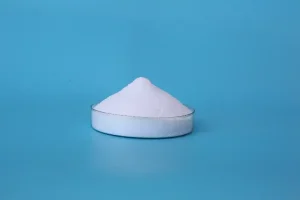
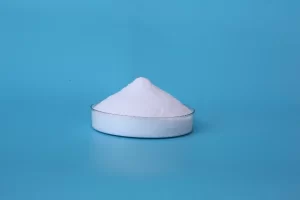
Cationic polyacrylamide flocculant has low toxicity but still requires appropriate handling precautions. Wear gloves, eye protection, and dust masks when working with powdered forms. Ensure adequate ventilation to prevent dust inhalation. Spilled polymer solutions create extremely slippery surfaces that present fall hazards, so clean spills immediately. Store polymer away from heat sources and direct sunlight to prevent degradation. The Material Safety Data Sheet for your specific product provides detailed guidance on handling, storage, and emergency procedures.
Partner with Shandong Nuoer for Advanced Polyacrylamide Solutions
Shandong Nuoer Biological Technology Co., Ltd. produces 500,000 tons of polyacrylamide annually, backed by dedicated R&D capabilities and rigorous quality control. Our global service network provides technical support for wastewater treatment applications across industries. Contact our specialists at +86-532-66712876 or en*****@***er.com for consultation on optimizing your cationic polyacrylamide dosage and improving treatment performance.


 English
 Russian
 Arabic
 Spanish