
Acrylamide monomer polymerization determines whether a polyacrylamide batch becomes a high molecular weight flocculant or an off-spec product with poor dissolution. In industrial PAM production, the reaction is not simply a laboratory recipe scaled up. Monomer purity, initiator type, heat removal, and residual monomer control all act together before the first customer trial. I judge a polymerization route by how consistently it holds molecular weight and keeps residual monomer low, because those two outputs decide performance in water treatment, papermaking, and oil recovery. This article works through the reaction stages and the production checks that matter.
Monomer Quality in Acrylamide Polymerization
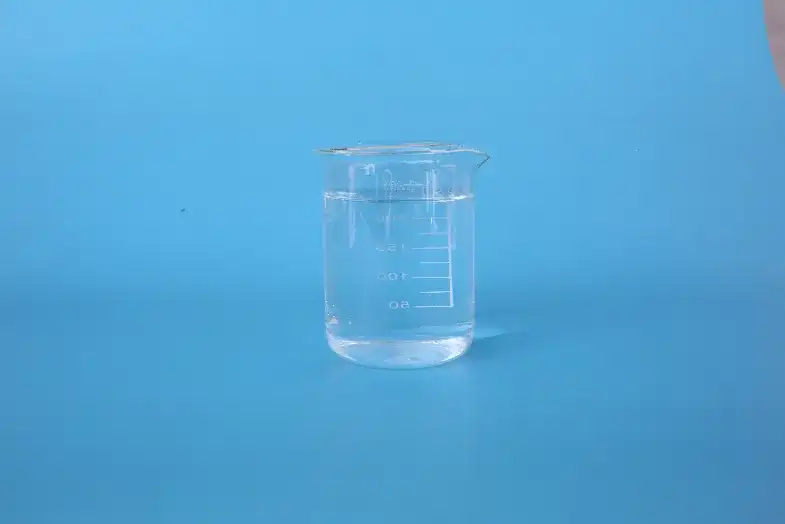
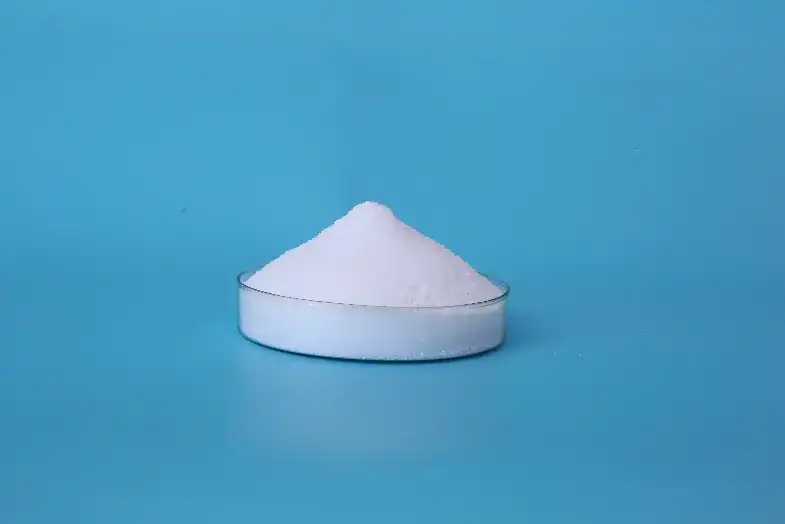
Monomer quality sets the reaction ceiling. Acrylamide with high iron, low purity, or uncontrolled inhibitor content will not simply slow polymerization; it changes initiation efficiency and broadens the molecular weight distribution. Our production planning treats monomer inspection as the first real process step, ahead of reactor charging. AM Crystal with purity of at least 98.0 percent and moisture no more than 0.8 percent gives a predictable polymerization profile, while AM Aqueous Solution at 28 to 50 percent strength removes the dissolution step for continuous plants. The table below shows the specification differences that matter.
| Parameter | AM Crystal | AM Aqueous Solution |
|---|---|---|
| Acrylamide content | 98.0 percent minimum | 28 to 50 percent, customizable |
| Moisture | 0.8 percent maximum | Not applicable, water based |
| pH | 6.5 to 7.5 at 10 g/L | 7.0 to 9.0 |
| Conductivity | 20 μS/cm maximum | 5 to 30 μS/cm, grade dependent |
| Inhibitor | 3 to 10 ppm | 0 to 100 ppm |
From a production standpoint, conductivity and pH are not academic values. High conductivity often signals monomer salts or ionic impurities that compete with the initiator, and pH outside specification shifts hydrolysis during synthesis. In our polymer production reviews, when a batch returns abnormal viscosity and broad molecular weight distribution, the first check is monomer conductivity, not initiator. We have corrected several raw material deviations this way before they reached finished PAM.
Initiation, Propagation, and Termination in PAM Polymerization
Acrylamide polymerization follows a free radical chain mechanism. An initiator decomposes into radicals, each radical adds to the acrylamide double bond to form a new radical center, and propagation continues until termination consumes the active chain ends. Production control focuses less on the chemistry and more on the rates between these stages. If initiation is too fast, many short chains form and molecular weight drops. If propagation is interrupted by impurities or chain transfer, the final PAM loses bridging strength.
The target molecular weight for many PAM grades sits above 30 million for anionic products, and that size only comes from keeping the radical population balanced. We control initiator addition rate and reaction temperature together, because one without the other creates either runaway gelation or incomplete conversion.
Why Does Polymerization Stop?
Every chain stops through combination, disproportionation, or transfer. Combination joins two growing chains and extends molecular weight, while disproportionation forms one saturated and one unsaturated chain end. Chain transfer to monomer, polymer, or impurities shortens growth. In industrial acrylamide polymerization, transfer to impurities is often the hidden yield loss. That is why inhibitor content and purity appear in monomer specifications rather than in a quality footnote.
Heat Removal and Mixing at Production Scale
Laboratory polymerization tolerates small temperature rises. At production scale, heat removal becomes the dominant constraint. Acrylamide polymerization releases substantial heat, and if that heat stays in the gel mass, the rate accelerates, molecular weight collapses, and residual monomer rises. Plants producing hundreds of thousands of tons of PAM per year design reactors around this heat balance. We use controlled feeding and jacket cooling rather than relying on ambient heat loss.
Oxygen is a polymerization inhibitor. Even low dissolved oxygen consumes radicals and delays initiation, so production reactors are purged with nitrogen before and during charging. Mixing has a second role: it keeps monomer and initiator concentration uniform enough to prevent local hot spots. A local hot spot does not just lower molecular weight in that section; it can generate gel lumps that break dissolving equipment downstream.
What Happens When Cooling Fails at Scale?
When cooling fails, the reactor moves into autoacceleration. The reaction rate increases with temperature, more heat is released, and the batch can pass its target temperature in minutes. The result is low molecular weight, high residual monomer, and sometimes a gelled mass that cannot be pumped. Production alarms should trip on temperature rise rate, not only on final temperature. This is a point where experienced operators watch the rate curve rather than waiting for the limit value.
If your polymerization recipe runs within a narrow initiator or temperature window, it is worth confirming inhibitor content and pH in the monomer before finalizing your raw material plan. Send your reactor parameters and target PAM molecular weight to en*****@***er.com and we will match a crystal or solution grade that fits the process.
Residual Monomer and Finished PAM Specifications
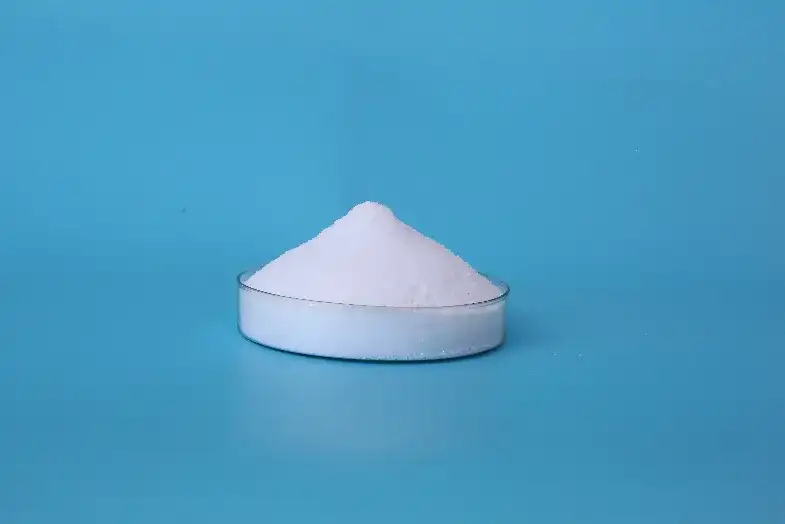
Residual monomer in finished PAM is not only a regulatory concern. High residual acrylamide usually means the reaction stopped before full conversion, which also points to broad molecular weight distribution and unstable end-use performance. Low residual monomer is a process output, not a formulation trick. It comes from adequate initiator, correct temperature history, and enough residence time for conversion to finish.
Drying and grinding add another control layer. PAM granules with excessive moisture or uneven particle size affect dissolution and dosing. The same logic applies to monomer storage. AM Crystal kept cool and dark can remain stable for one to two years under proper conditions, while AM Aqueous Solution must be held away from heat and ultraviolet light. Buyers should ask for both monomer and finished polymer specifications in the same qualification file.
Why Low Residual Monomer Matters for Buyers
Low residual monomer reduces handling exposure and regulatory burden, but it also signals a complete reaction. If a supplier cannot state residual monomer for the grade, the buying team should ask whether conversion was validated by production data or only assumed from the recipe. In wastewater and hygiene-adjacent applications, this number may be part of the compliance package.
Supplier Sourcing for Acrylamide Monomer Polymerization
A supplier that makes both monomer and polymer can trace failure in either direction. If a PAM batch shows unstable viscosity, monomer records from the same facility make investigation faster than if monomer came from a separate source. Shandong Nuoer Biological Technology Co., Ltd. holds annual capacity of 300,000 tons of acrylamide, 500,000 tons of polyacrylamide, and 200,000 tons of polyacrylamide emulsion. This integration means monomer quality, polymerization process, and final PAM grade sit under one production and quality system.
Buyers should check three items before qualifying a source. First, confirm the monomer grade matches the polymerization route. Crystal suits plants that want long storage and controlled dissolution, while solution suits continuous processes that want to remove a processing step. Second, confirm inhibitor level and pH against the reactor recipe. Third, ask for a sample history that links monomer lot to finished polymer lot. Those three checks reduce qualification time more than comparing only price or label claims.
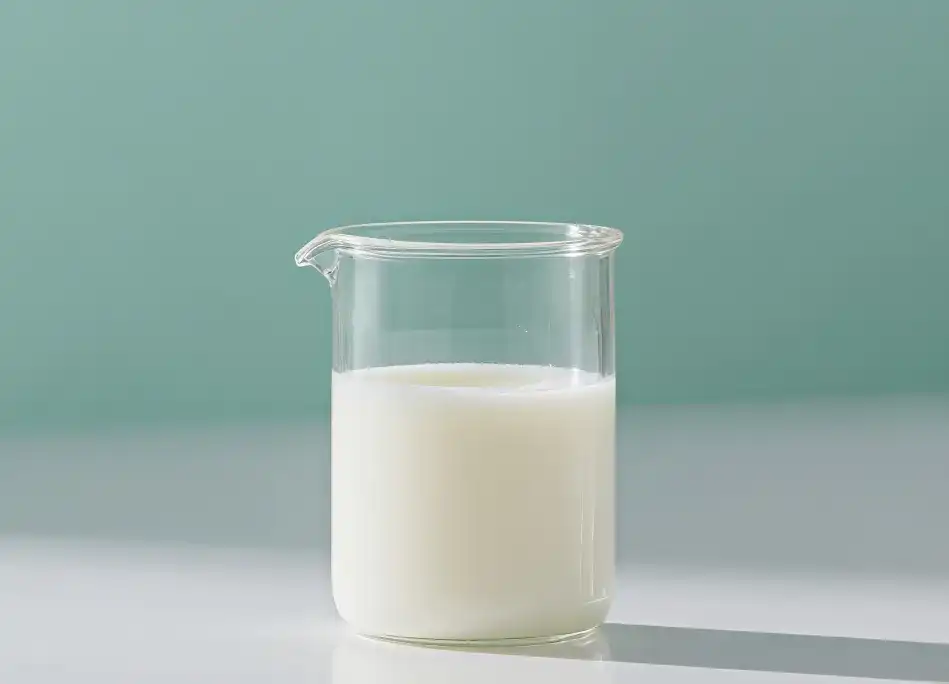
When monomer quality or process control drifts, the cost appears later as off-spec molecular weight or high residual monomer. Because our acrylamide, polyacrylamide, and emulsion production sit in one integrated system, we can trace polymer performance back to the monomer. If you are qualifying a PAM grade or rechecking your monomer specification, send your target purity, inhibitor tolerance, and monthly volume to en*****@***er.com or call +86-532-66712876 and we will confirm the matching product and shipment schedule.
Common Questions About Acrylamide Monomer Polymerization
Does acrylamide monomer purity directly change PAM molecular weight?
Yes. Impurities such as iron, acrylonitrile, and acrylic acid shift initiation and can terminate chains early, so the resulting polymer has lower molecular weight and broader distribution. That is why the monomer specification lists conductivity, pH, and inhibitor content rather than purity alone. A lot with acceptable purity but high iron can still produce a visible drop in final viscosity. Before adjusting the recipe, confirm the monomer lot against the specification you approved.
Is AM Crystal better than AM Aqueous Solution?
It depends on the plant design. AM Crystal with at least 98.0 percent purity stores well and gives production teams control over dissolution, which suits batch polymerization and long inventory. AM Aqueous Solution at 28 to 50 percent strength removes dissolution and fits continuous or high-throughput operations, but it requires heat and ultraviolet protection. If storage stability is the main constraint, crystal is easier. If labor and throughput are the main constraints, solution wins.
Why do some polymerization batches form gel lumps?
Gel lumps are usually blamed on mixing, but the most common cause we see is local heat accumulation. Once a small volume passes its temperature limit, autoacceleration begins and the polymer crosslinks or forms an uneven gel before the rest of the reactor catches up. Nitrogen purge and controlled initiator feeding reduce this risk. If lumps persist, check the temperature rise rate and dissolved oxygen record, not just the mixer speed.
What should a buyer ask when comparing acrylamide monomer suppliers?
In our production planning, we ask for three records: monomer lot specifications, polymerization trial data, and residual monomer results from a linked PAM batch. Price alone does not predict lot-to-lot consistency. We also confirm whether the supplier can switch between crystal and solution as the plant expands, because that flexibility avoids re-qualification later. Share your target molecular weight range and intended application, and we will confirm which monomer grade and polymer type align with your production setup.
If you’re interested, check out these related articles:
Nuoer Impressively Showcased at the 32nd China International Paper Technology Exhibition 2025
Nuoer Showcased at the 26th China IE Expo
Resilience Through Innovation: NuoER Group Leads the Way at CIDPEX 2026
Optimizing Emulsion Polyacrylamide for Remote Site Water Solutions


 English
 Russian
 Arabic
 Spanish